Understanding the Opioid Epidemic in Arizona

The United States as a whole is facing a health crisis of epic proportions. More and more Americans are becoming addicted to – and dying from – opioids. Not one American state goes unscathed. Arizona, in particular, has slowly taken a big hit over the last decade. The opioid epidemic in Arizona now claims the lives of two people each day. The state has begun to collect data regarding opioid abuse. And recently, Blue Cross Blue Shield invested $10 million to reduce opiate misuse. But despite the efforts, many Arizonans are still misinformed about the state-wide epidemic. To help, we’ll explore everything about Arizona’s opioid crisis in this article.

Let’s begin!

When Did the Opioid Epidemic Begin?

The opiate epidemic is a recent phenomenon that has slowly been in the works since the 1990’s. But the presence of opiates in the United States dates as far back as the country’s foundation.

Early History of Opiates in the United States

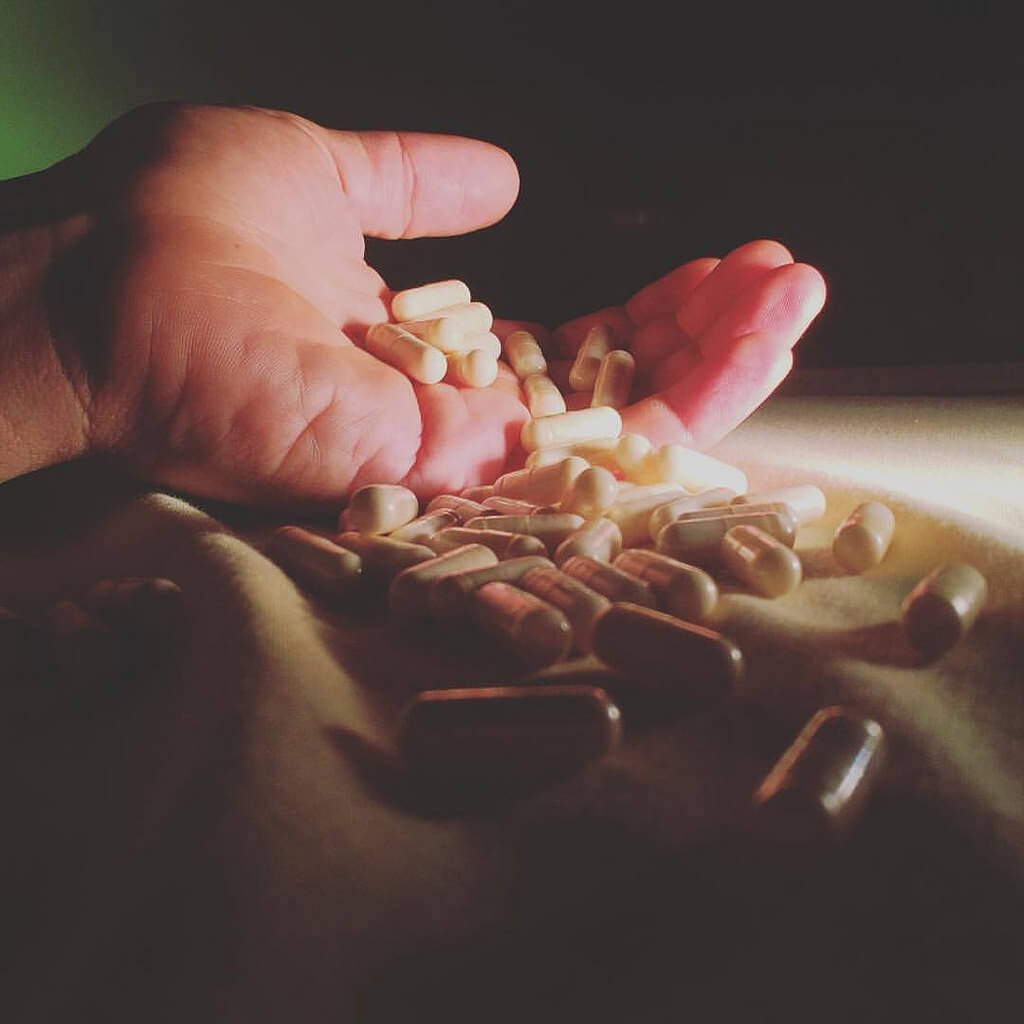
It’s believed that opium first came over along with the pilgrims aboard the Mayflower. Back then, people used the opium poppy for the same reasons that doctors prescribe them today. Opiates have long treated pain, diarrhea, coughing, and also works as a sedative.

addiction treatment, heroin addiction treatment, dual diagnosis treatment center in arizona, cooccurring disorders treatment, meth detox scottsdale arizona, meth rehab arizonaBy the 19th century, Americans used opium to treat a wide range of medical issues. Doctors prescribed morphine to dying patients suffering from cancer.

Medics also used morphine as an anesthetic. It’s probable that medics administered morphine during the Mexican-American War. It’s also likely that physicians who settled in Arizona brought over opiates. Patented medications for teething and menstrual cramps began to contain opium. After the Civil War, the pharmaceutical company, Bayer, introduced heroin on the national market. Following this, heroin became widely used as a medicine into the early 20th century.

20th Century Stigmatization

In the early 1900’s, the federal government outlawed opiates in all its forms. Doctors could only prescribe them in medically necessary situations.

But even so, physicians during this time were vastly limited when it came to prescribing them. They were also limited when it came to treating opiate addiction. Despite all this, drug abuse continued to increase across the United States. During Prohibition, opiate users were further stigmatized. The concept of “junkie” came into being during this time.

The Rise of Prescription Painkillers

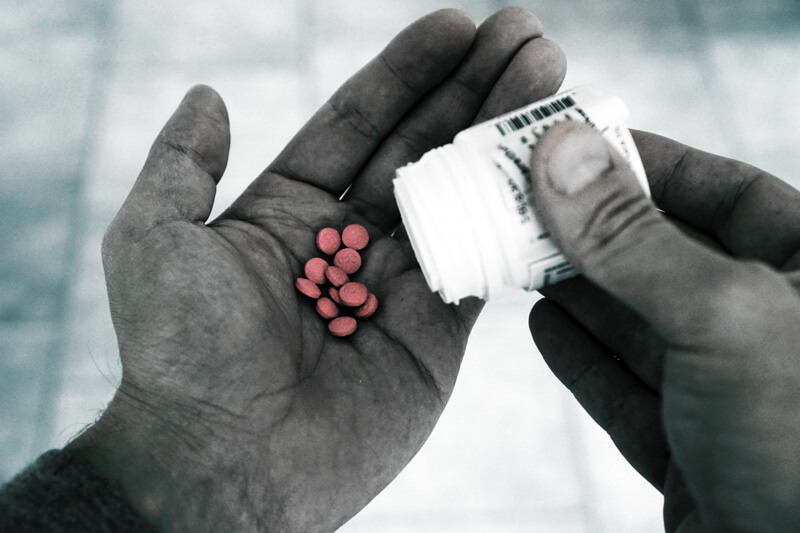
recovery center in scottsdale, recovery center in arizona, recovery center in phoenix, addiction treatment center, dual diagnosis recovery center, dual diagnosis treatment, heroin addiction help, get sober todayAmerican physicians continued to fight for the right to prescribe opiates. Soon after, the federal government began to recognize the medical value of opiates. By the 1960’s, Hydrocodone, Oxycodone, and other synthetic opiates came into being. Recreational opiate and heroin use skyrocketed during this time. Fears of prescribing opiates arose once again.

But despite all this, the prescription painkiller market surged – and continues to. Even though opiate addiction is now at an all-time high, it’s a problem that our nation has faced for over a century.

Why & How Did the Opioid Epidemic Happen?

Medicine and science have never been as advanced as it is today. We understand how to treat many diseases and conditions a lot better than we used to. However, our understanding of how to treat pain is still extremely weak. And to a large extent, the opioid crisis that our nation and the state of Arizona faces results from this.

Doctors Don’t Understand Pain Treatment & Management

It’s estimated that 100 million Americans live with chronic pain.

With such a big number as this, physicians would seem to have a better understanding of treatment. But that is, unfortunately, not the case.

Doctors only receive about 9 hours of education about pain over the course of medical school. To make matters worse, the federal government doesn’t adequately fund pain research. In fact, the National Institutes of Health only spend 1% of its budget ($358 million) per year on pain research.

Many doctors don’t understand how addictive opiates can be. They don’t understand how to wean their patients off them. Many patients wind up misusing their prescriptions, becoming addicted as a result.

Do Physicians Over-Prescribe Opiates?

It was once believed that American physicians under-prescribed opiates for pain treatment. Because of widespread stigmas against opiates, many doctors continue to fear to prescribe them. But that’s not to say that physicians aren’t over-prescribing them, either.

Many Americans in need of relief don’t have enough access to painkillers. Only about 5% of chronic pain patients have prescriptions for painkillers. But to a larger extent, Americans may have too much access to prescription opiates.

It’s known that some pharmaceutical companies have vigorous lobbying and marketing campaigns. Physicians are often the target of these marketing ploys.

In 2016, doctors prescribed 431 million painkillers. This was enough for every Arizonan to have a 2.5 week supply.

And again, many doctors don’t understand how to adequately treat patients with opiates. As of 2016, more than 70% of overdose fatalities occurred among patients who became addicted while treating their chronic pain. In Arizona, 4 out of 5 new heroin users start because of prescription painkiller misuse.

Health Insurance Doesn’t Cover Alternative Medicine

The opioid overdose epidemic has caused many pain patients to turn to other forms of therapy.

We’ve all heard of physical therapy and alternative therapy, like acupuncture and chiropractic. These forms of therapy yield great results in the treatment and management of pain. But many people suffering in pain are unable to afford them.

Certain health insurance policies may cover acupuncture, biofeedback, massage therapy, and chiropractic care. But as of 2007, Americans spent $33.9 billion out-of-pocket for alternative medicine.

This figure is likely much higher today. With high health insurance premiums, many Americans are unable to afford alternative medicine. In Arizona, 17% of residents are still uninsured as rates continue to increase for the insured.

Heroin as a Cheap and Dangerous Substitute

Millions of Americans not only suffer from chronic pain. Many of them are unable to obtain and afford adequate treatment. And many who take prescription painkillers find themselves prone to addiction.

As a result of these factors, many people have turned to heroin for relief.

Heroin and prescription painkillers are all derived from opium. Heroin is specifically derived from morphine while painkillers come from codeine. Despite the slight variations, heroin has the same – if not, a more powerful – effect as painkillers.

Heroin is not only a substitute for painkillers. It’s cheaper and easier to obtain.

In fact, a bag of heroin costs less than a pack of cigarettes. This means that in Arizona, a bag of heroin can cost anywhere from $5-$8.

Most heroin in the United States comes from Mexico. With Arizona right on the Mexican border, heroin is readily available on the streets.

Opioid and prescription overdoses in Arizona have increased in the last few years. But since 2016, heroin overdoses have tripled in Arizona.

Where Are Overdoses Occurring in Arizona?

Opiate overdoses have occurred in both urban and rural Arizona. But some areas are more ravaged by overdoses than others.

A concentration of overdoses has occurred all over the Phoenix metropolitan area. The northeast parts of the Tucson metropolitan area has also experienced many.

The cities of Buckeye, Flagstaff, and Kingman – and all surrounding areas – have also had high overdoses.

Fighting the Opioid Epidemic in Arizona

The opioid crisis has been in the making to become an epidemic since the 19th century. American physicians continue to prescribe painkillers without a firm understanding of them. Nor does the medical community understand how to provide adequate pain treatment.

With rising healthcare costs, many people addicted to painkillers are turning to heroin.

Many Arizonans wonder what is being done to address the opioid epidemic in Arizona. Here’s how the state is fighting the epidemic as of now.

Naloxone

In 2017, Arizona Governor Doug Ducey declared opioid overdoses a public health emergency. Since then, the state has integrated Naloxone as part of its efforts to combat the opioid crisis.

Slow breathing occurs with opiate use. But when someone overdoses, their breathing can stop altogether. It can also be near impossible to wake someone up while they’re overdosing.

Naloxone, otherwise known by its brand name, Narcan, is a narcotic blocker. When administered, it reverses the effects of opioids. It comes in the form of injections and nasal sprays.

The state of Arizona has trained emergency personnel on how to administer Narcan. Recently, Narcan became available at CVS stores across Arizona.

Narcan is by no means a cure for the opiate epidemic. However, it is an antidote that is saving more lives every day across the United States.

Arizona Opioid Emergency Action Plan

Since the declaration of Arizona’s opioid crisis, opioid overdose cases have decreased.

Statewide overdoses began to decrease after the implementation of new prescription guidelines. This decreasing trend also coincided with the state’s surveillance reporting system.

The Opioid Action Plan came into enactment in September 2017. The action plan aims to increase patient and public awareness as prevention methods. The plan also improves prescription practices and access to treatment facilities.

The Arizona Opioid Epidemic Act took effect in April 2018. This law enforces limitations on prescription opioids.

Under this law, physicians can no longer dispense prescriptions themselves. Physicians who prescribe opiates must take routine education courses on opioids. Pharmacies are also required to check into the Controlled Substances Prescription Monitoring Program.

Seeking Help for Opioid Addiction

Huge strides in the fight against opioid addiction have occurred in Arizona. But the opioid epidemic in Arizona is still alive and well, much like it is in the rest of the United States.

Still, there is hope for the future of Arizonans affected by opiate addiction.

Do you or someone you know suffer from heroin or painkiller addiction? A healthier and sober future is possible, and the Best Rehabs In Arizona is here to help.

To learn more about how we can help you at our Scottsdale, AZ facility, contact us today!

 

Facebook Cutting Opioid Sales

Mark Zuckerberg Faces Questions About Opioid Sales on Social Media

Mark Zuckerberg, the owner of the social networking giant, Facebook, appeared in front of Congress on April, 11. He faced questions about the sale of illegal opioids on both Facebook and Instagram. Republican Rep. David McKinney from West Virginia, was especially vocal when questioning Zuckerberg about why Facebook has not been more proactive about taking down posts from opioid dealers.

McKinney told Zuckerberg,
“Your platform is still being used to circumvent the law and allow people to buy highly addictive drugs without a prescription…. Facebook is actually enabling an illegal activity…”

Drugs On the Internet

The problem of illegal drug sales through the internet is not a new one. In 2011 the search engine giant, Google, paid $500 million to the United States Department of Justice for allowing prescription drug ads from Canadian online pharmacies to internet users in the United States. The ads were stopped in 2009 when Google executives became aware of the U.S. Attorney’s investigation into the matter.

Opioid sellers still find creative ways to post about drug sales on social media platforms like Facebook and Instagram. Critics like McKinney have accused the social media sites of only reacting to the posts by taking them down, not being proactive in finding ways to stop the illegal sales, to begin with. Critics believe that opioid addictions are encouraged by these posts. Removing questionable content from social media platforms has been relatively hit or miss in the past. Facebook executives have been asked to no longer allow mentions of Oxycontin and other drug-related terms from Facebook or Instagram, a photo sharing social media platform owned by Facebook.

Zuckerberg answered the accusations by stating that his company needs to create more artificial intelligence to police the social media platforms. Right now the company has security and content reviewers who remove questionable posts when they are flagged by users. Zuckerberg continued by saying there will be 20,000 workers in those positions by the end of 2018. However, he admits that even that number of people can not police every posting on Facebook and Instagram. He went on to state, “…we need…more A.I. tools that can proactively find that content.” They have to A.I. capability to remove almost one hundred percent of ISIS content before it is even available to be viewed, but the technology is lacking when it comes to identifying illegal drug sale posts. Zuckerberg could not comment on a timeline for these tools to be available to help remove drug-related posts.

prescription-pills-on-computer

Posts that Rep. McKinley himself flagged have since been removed. He still believes however that the “internal controls” of these sites are lacking and these posts should have been removed long ago. McKinley states that he has been waiting months to talk to Facebook about the issue.

FDA Commissioner, Scott Gottlieb, has been outspoken about opioid sales on platforms like Facebook and Instagram as well. He feels they are not taking the necessary steps to identify and take down these posts. Zuckerberg claimed not to be aware of the exact nature of Gottlieb’s comments but said he would have someone at any meeting held that included tech representatives.

Getting Help in Addiction

Overdose deaths from prescription pill addiction doubled from 21,089 deaths in 2010 to 42,249 deaths in 2016. There is help available for people who are struggling with opioid addictions. This help comes in the form of rehabilitation.

Best Rehabs In Arizonas in Arizona and Colorado provide prescription drug addiction treatment can help people overcome their potentially deadly habit.

Signs of Alcoholism and Drug Addiction Relapse

What are the Reasons Relapse May Occur?

For addicts going through the recovery process, most have been told something along the lines of “relapse is a part of recovery.” Is relapse part of the recovery process? The simple answer is no. Many individuals in recovery find success the first time around. However, alcoholics and drug addicts may experience a relapse, or multiple, when attempting to get clean and sober from their drugs of choice. Relapsing can be devastating to addicts themselves, but can also take a toll on the loved ones that surround them. This article is meant to inform those who suffer from addiction and their friends and family different reasons why this may continue happening, and how to deal with relapse as it comes.


Why Does an Addict Relapse?

drug-addiction-relapse

Addiction is unpleasant (to say the least) for the person suffering and their loved ones. Many people wonder what is the cause of addiction. Debated by some, addiction is a disease that results in changes to the brain from continued substance abuse. Addiction is not a disease that develops overnight; we generally pass through a series of phases that begin with experimenting and partying from time to time, gradually developing into loss of control regarding our substance intake.

Our substance use, be it alcohol or drugs, becomes compulsive and renders us acting irrational and abnormal. After an addict has been sober for some time the tendency to relapse is very strong. The data shows that each time you try to stay sober your likelihood of gaining lasting sobriety increases.


How our Brains Work in Conjunction With Addiction Relapse

Our brains contain complex reward systems, developed over time and evolved to help us pursue the things necessary to our survival (i.e. food, reproduction, etc). Our frontal lobes (the part of our brain that develops last and is crucial in our ability to predict, reason, and create) help us weigh the consequences of our impulses. When this system is functioning in conjunction with one another it helps us to make better decisions for ourselves.

However, in an addict it is as if our reward systems do not communicate properly with the frontal lobe in a cohesive and logical way. Our sensitive reward system can be triggered very easily causing us to crave drugs or alcohol. To sum it up, our minds don’t allow us to think the consequences of our actions through clearly, even after some time in recovery has passed.

Can you cure a drug addict? Many addicts believe their disease is one that will last forever, but this notion isn’t true. Thankfully, addiction is a disease that can be successfully treated. Education is key in kicking addiction. That’s why it’s so important to seek out the resources and information about different treatment options


Warning Signs of a Potential Relapse

drug addiction relapse, pathfinders recovery center in scottsdale arizona, heroin addiction treatment, meth detox center in scottsdale arizona

  • Excusing unhealthy behaviors – after some time passes it can become easier to slow down on internal growth and honest self-appraisal.  This happens so subtly that we don’t always notice when this is happening.  Then after some time we begin to justify the behaviors that risk our sobriety and increase our chances of relapse. We know in our hearts the behaviors are wrong yet we do them anyway.  This leads us to feelings of shame, anxiety, guilt etc…
  • Obsessing about work, money, or a romantic interest – These are good things for us to have in our lives.  The key is to learn not to obsess, and let these distract us from our primary goal of staying sober and learning to love ourselves.
  • Unhealthy spending habits – This is something that many addicts and alcoholics struggle with early in recovery.  Being irresponsible with our finances can lead to a heavy burden on our lives.  This is not conducive to the new life we are trying to lead and can produce more stress and anxiety.
  • Elevated levels of stress and anxiety – Most people that suffer from addiction are not monitoring this effectively in their early recovery. Therefor they cannot intervene on this in a healthy manner.  This can lead to the thought process of “a drink or a drug sounds like a good idea.”
  • Isolating – Because we as addicts have a tendency to  experience difficulty in monitoring our behavior and being honest with ourselves about the impact of that behavior, we need a sober social network and support system to help us see the truth. A sober social network can help us see how we are truly doing internally, and help us redirect the driving force of those behaviors into a healthy and more productive outlet.  We don’t do this alone and the beautiful thing about recovery is that we do not have to.
  • Romanticizing and glorifying your addiction – It is very easy for us to fall into this way of thinking, our minds remember the good times we had throughout our addiction, which there were plenty of.  If we didn’t enjoy it for so long before our lives came crashing down we would not have kept using drugs or drinking.  It can be difficult to remember the hangovers, withdrawals, lying, isolation, loneliness and pain we experienced that led us to try and get sober in the first place.  Make no mistake about it, it starts with a lot of fun but when the party is over, it is over.
  • Being a pessimist and forecasting negatively for your life – No one likes to feel depressed and hopeless.  Being honest and in touch with the real challenges that are ahead of us, while maintaining optimistic about those outcomes helps us to function more effectively. Having foresight for our futures, and believing we can be successful is key.  “those who believe they can, and those who believe that cannot are both usually right.”

If you or a loved one is struggling with addiction please call Best Rehabs In Arizona today and speak with one of our founders directly.  You are not alone, and there is hope.

Contact Us Today

877-651-3366

The Stigma Of Addiction: How Do I Break It?

What is Alcoholism?

In 1956, alcoholism was classified as a disease by the American Medical Association. The definition of a disease is “a quality, habit, or disposition regarded as adversely affecting a person or a group of people.”

The AMA’s conclusion is fitting to say the least. Today, alcoholism is a part of a much larger epidemic – the disease of addiction. Unlike physical ailments, alcohol addiction has become a serious societal issue, one plagued by stigmas and stereotypes. People often say, “Addicts are weak, they just need to toughen up and quit,” or, “Addicts are liars, burnouts and waste of space,” and “Addicts are bad people and criminals.”

All too often these types of judgmental statements are spoken. The purpose of this article is to give the reader a glimpse into what it is like to be an addict.


How Alcoholism Starts

stigma-of-alcoholismOutside circumstances vary drastically, but internally most addicts, including myself, have similar experiences although it can often feel like they’re the only one.

You’re introduced to a substance, you try it, and you like the way it makes you feel. In the beginning the substances make you feel euphoria, and for the potential addict, you just want to do it again. It’s a slow and gradual decline of one’s power of choice and into dependency.


Becoming An Addict

beginning-of-alcohol-addictionAs time goes on our tolerance for the substances gets greater. Leaving us needing more of our drug of choice in order to become intoxicated. So, what does any motivated addict do at this point?

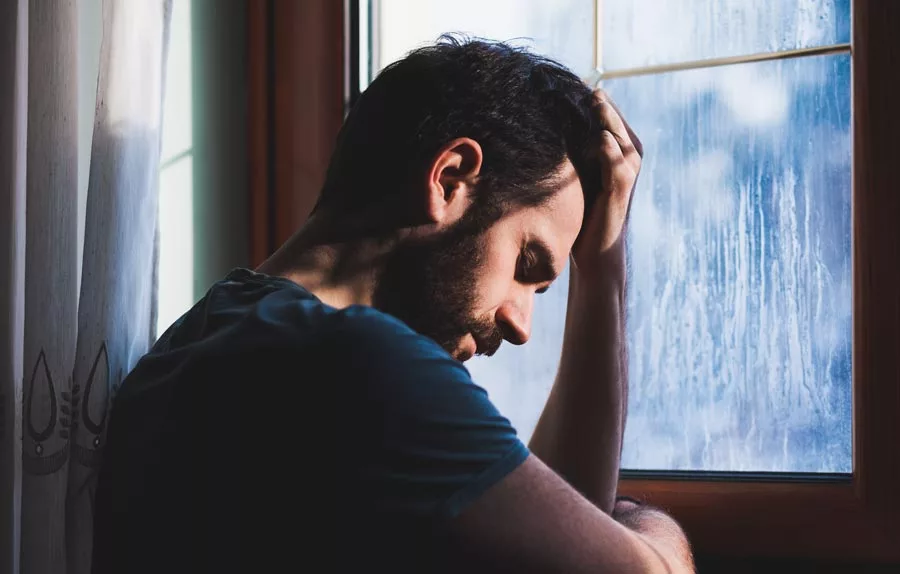
More drugs and alcohol of course.

A non-addict may be able to anticipate what might happen if they continue down this path and decide to turn it around. This isn’t so with the real addict from our experience. What we see is delusions crop up, and from this altered reality we are able to find justifications for our actions.

Here is an example: a close friend of yours approaches you and says, “I think you should slow down with partying. I’m worried about you and you do not seem like yourself lately.” The non-addict’s thought process might lead to some introspection like, “Are they right? Am I getting carried away? Maybe I should take it easy for a while.” An addict on the other hand may say, “They don’t know what they’re talking about! I’m fine and if they can’t accept me for who I am, then I don’t need them in my life.” This defensiveness and sometimes anger comes quickly when someone challenges them or they think they may lose their drug, which is one reason so many addicts become alienated from the people in their lives. This cycle goes on until you have reached the no man’s land of dependency.


Active Full Blown Addiction

Once an addict has reached the stage of full-blown dependency, it is incredibly difficult to stop. When I was using, you could have given me a lie detector test and I would have been telling the truth when I said I believed to my core that there was no chance that I could stop.

The physiological make-up of my body had changed. This is true with all addicts. As a person in long term recovery, I wanted to get clean for years before I was actually able to make it stick. Allow me to emphasize the important part of that statement. I wanted to get clean for years.

When an addict feels like they can’t stop using, they often feel ashamed, weak and like a failure. Having the world say the same and worse, contributes to an addict’s need to detach from those feelings on some level, so they just keep using. Punishing and condemning addicts, bad mouthing them and judging them will never help this problem. It doesn’t help the addict, nor does it benefit the world as a whole as society continues to perpetuate the cycle. What is needed is an educated society that understands the issue and its complexities, and how best to approach it.


The Recovery Process

Since the founders of Best Rehabs In Arizona have been in recovery we have found that addicts, and people in general for that matter, are capable of great things. The same men and women that come from dark, selfish, and lonely pasts are now selfless and caring, with a unique compassion for their fellow man. One in ten adult people in this nation are struggling with some form of addiction, and only one in ten of those people get help. These statistics are staggering. This disease does not discriminate. There are politicians, lawyers, policemen, doctors, pilots, therapists, and all other professions. We are your neighbors, your friends, your pastor, and your child’s school teacher. Before judging and condemning addicts, please remember that these people you are talking about are sick. Very sick. The power of choice is more than likely no longer in their grasp. They need compassion and understanding. They need help, and to be shown there is a way out.

For more information and the science behind each chemical’s effect on the body view our earlier blog posts or contact a Best Rehabs In Arizona founder directly at 877-651-3366.

Dealing With Emotions In Early Sobriety

Dealing with emotions in Early Sobriety

Early Recovery Can Be Hard

Early recovery is the beginning stages of the recovery process. Typically lasting at least through the first 90 days, early recovery is an emotional challenge as addicts navigate life without drugs or alcohol. Although everyone’s early recovery experience is unique, for most this readjustment period allows people to restart their lives, building a better, healthier and sober way of living.

Early Recovery Stages

Early recovery can feel like an emotional rollercoaster with all the ups and downs that can arise. This is not surprising for people that have felt numb for so long and can be extremely difficult on a day to day basis. That’s why emotional sobriety is also a key factor in early recovery. What is the definition of emotional sobriety? Emotional sobriety is the ability to cope with the many emotions that come with physical sobriety. It means being able to handle your feelings head on in a positive and productive way. Many addicts have a difficult time acknowledging and understanding how they feel, turning to alcohol and drugs instead. Emotional sobriety helps people stay in recovery no matter the circumstance.

If you or a loved one are experiencing anything like this, don’t worry, it is normal and there is hope. Here are some of the causes and some tips that help us get through these times. We hope you find this as beneficial as we do.


Early Recovery Can Be Hard

Dealing with emotions in Early Sobriety

Some examples of emotions in early recovery that may come up are:

  • shame and guilt over past actions
  • anger over the past, or fear over the future
  • remorse or self-hatred, resentment towards yourself or others

Usually these come up as a result of having to face our past, while being present for our current emotional state after a history of numbing emotion. Physical detox also plays a major role in these emotions early in recovery.

Can quitting alcohol or drugs lead to depression? The withdrawal symptoms that are associated with detox can lead to some depression and anxiety-like symptoms. However, these are temporary and ease as the detox and recovery process continues.

On the flip side, some emotions that can emerge might be over excitement, over confidence, feeling “high on life” and sobriety.


Being Led By Emotions

Being Led By Emotions

This (being led by emotions) is dangerous for recovery for multiple reasons. If you feel poorly all the time and don’t take any action to better your mental and spiritual state, temptation may arise and you may not have a defense against the first dose or drink. On the other hand, over confidence and positive feelings can be a way to avoid reality or facing your past. It can also cause you to be much less motivated to take the actions to maintain your recovery. For instance, it’s extremely easy to avoid meditation, going to meetings, calling a sponsor, prayer, working with a therapist and making a daily honest self-appraisal when everything feels fine and dandy. Relapse can creep up on you. A lot of times people don’t see it coming and relapse during a time when they “feel like everything is going really well”.

The truth is being an addict is hard and it’s difficult to get sober. Many sober men and women I have interviewed say the same thing in regard to this…” getting sober is one of the hardest things I’ve ever had to do, and not a day goes by that I regret getting sober” seems to be the general consensus.


Some Tips To Help You Get There:

Find a therapist : This is a big help in continuing to grow and learn how to deal with your emotions.  There are some other great tips about developing a network and a happy lifestyle here in another article we wrote.  This can help in discovering specific emotional difficulties and developing coping mechanisms to deal with situations that can and most likely will arise.

Early Recovery Treatment

Be gentle with yourself: This is so hard for us as addicts, but utterly important.  To this day, I constantly remind myself that I am a work in progress and a human that has flaws and will make mistakes.  My mantra is “Rome was not built in a day” and “I had to crawl before I could walk, and I had to walk before I could run”.  Affirmations can help.  I have found the most comfort in being open with my support network about the things that are going on with me.  They can offer much needed connection and feedback that is unbiased if I have a healthy A-Team.

Practice mindfulness: Another thing that myself and most of the addicted people I have worked with suffer with is honest self-appraisal.  It’s very easy to fall into negative thinking patterns and not even realize it is happening until it is too late.  Taking a daily time to reflect on how things are going will change your life.  Once you identify issues you can begin to work on them and get better.

Be Playful: This suggestion may seem silly, and well…that is because it is.  Go do something fun with people.  Go shoot pool, go bowling, go for a hike, go camping, go swimming, go to an amusement park.  This might seem like a strange thing to be reading in this article and that’s not far from the truth…just try it and you can thank us later.


What are the Stages of Recovery from Addiction?

There are many stages of recovery from addiction and every individual works through them at their own pace. Because everyone’s recovery journey is unique, there is no telling how long it may take a person to work through the many phases. Early recovery involves many of the beginning stages and is the most difficult part of the process for many. Typically the stages include pre-contemplation, contemplation, preparation, action, maintenance and termination. People tend to believe that they do not need to change their lifestyle, then begin to realize a change is necessary, and finally set an intent to find information and resources about recovery. Next, the individual begins to put his or her plans in action and finally maintain this new lifestyle while closing the chapter of addiction in their life.


Contact Us

Best Rehabs In Arizona
Scottsdale, AZ
www.bestrehabcentersinarizona.com
[email protected]
877-651-3366

*This blog post was authored by Lawrence Briggs, Director of Operations at Best Rehabs In Arizona. Ph: 480.320.0752

Please call anytime and speak with one of our founders directly. We answer the phone ourselves any day and anytime. Thank you for reading and until next time, show yourself some love. You deserve it.

Alcohol: Effects On Your Brain and Body

Alcohols Effects On Your Brain and Body

effects-of-alcohol

Alcoholism was first recognized as a disease in 1956 by the American Medical Association.  Alcohol is the most commonly used addictive substance in the United States. 17.6 million people, or one in every 12 adults, suffer from alcohol abuse or dependence along with several million more who engage in risky, binge drinking patterns that could lead to alcohol problems according to the National Council on Alcoholism and Drug Dependence.

This article is meant to explain and inform people on what exactly alcohol does to us on a physiological level.


Negative Side Effects Of Prolonged Alcohol Abuse

alcohol-abuse-consequences

A lot of people love drinking, but this is a very dangerous pastime when we are not able to maintain moderation like so many of us have not been able to. This is especially dangerous to a young brain that is still developing because of how damaging alcohol abuse is to the brain and other vital organs.

What are the Short and Long Term Effects of Alcohol?

There are dozens of negative side effects to alcohol abuse, in the short and long run. These effects can be extremely damaging to every aspect of an addict’s life.

Some of the short term signs and side effects of alcohol abuse include:

  • Lower inhibitions
  • Decreased reaction time
  • Slowed brain activity
  • Poor vision
  • Slurred, disoriented speech
  • Vomiting
  • Alcohol poisoning
  • Difficulty breathing

Here are some health risks and other long term effects associated with repetitive over consumption of alcohol:

  • Intense physical and mental cravings for alcohol
  • Withdrawal symptoms when not drinking including nausea, vomiting, shaking, sweating, seizures and death
  • Lapses in memory (complete black outs)
  • Cirrhosis (scarring) of the liver
  • Physical and mental deterioration
  • Legal issues
  • Marital problems
  • Decreased performance at work and/or job loss

How does alcohol affect the digestive system? Alcohol’s effect on the digestive system creates unpleasant symptoms for consumers. Irritating the entire system, resulting in vomiting, diarrhea, stomach pain and internal bleeding. These effects can be seen after one time use, long term abuse and during withdrawal during detox.


How Does Alcohol Affect The Brain?

Alcohol that is not broken down in the liver runs through the rest of our body through our blood stream.  This includes passing through our brain’s cerebral cortex, medulla, hypothalamus, hippocampus, cerebellum, and frontal lobe. Alcohol can affect parts of the brain that command our movement, speech, judgement, inhibition, and memory. This is why we see drunk people having difficulty walking, slurring their speech, acting impulsively and having memory lapses. We have probably been in that state many times ourselves, and seeing this can be a harsh reminder of how we used to be. After prolonged use of alcohol negative side effects such as depression and anxiety disorders may develop.


What are the Long Term Effects of Alcohol on the Body?

Alcohol is rapidly absorbed into the blood, stomach and small intestine immediately after a drink is ingested.  The effects are felt within 5 to 10 minutes after drinking.  Blood alcohol content usually peaks between 30-90 minutes after being consumed and is carried throughout every organ in the body. Many people question, “What does a beer do to the body?” Or, “What effect will hard liquor have on me?” The answer is dependent on the amount of alcohol consumption and the time period that the alcohol is consumed. The more consistently a person drinks alcohol in excess, the worse the negative effects on his or her body will be.

Here are some of the ways alcohol will affect your body after prolonged use:

  • Immune system – an immune system weakened by alcohol consumption cannot properly fight off germs, viruses and illnesses
  • Muscles and bones become weakened
  • Erectile dysfunction and infertility are common side effects of overconsumption
  • Stroke, heart attack and cardiomyopathy (poisoning of the heart’s muscle cells) are common amongst heavy drinkers

Here to Help

If you or a loved one is struggling with alcoholism, please contact us for help; we have been there. We have found through many different experiences a way of life that is much more gratifying, and pleasurable as time goes on. At Best Rehabs In Arizona we are here to share this message of redemption and recovery with the world. At the end of my own alcoholism I had wanted to stop for about two years but could not do it on my own. We are a community of men and women that walk through this sober life together and we never have to be alone again.

5 Important Things To Do After Addiction Treatment

post-addiction-treatment

Many people attend detoxes, short-term and long-term addiction treatment centers. A common issue for clients exiting these facilities is a lack of a sound aftercare plan. This article is meant to address this issue and provide you with some tips on what to do when you have graduated from your treatment center in order to optimize your chances of success in recovery. Before we begin, and before even checking into a treatment center you should discuss in detail their practices regarding aftercare planning. Here is an article on what to look for in a treatment center.

1. Be Open To Feedback

Not sure where to turn after treatment? Gather your resources, seek information and ask those around you. Sometimes what we think want and what is best for us are two very different things. That is why it is so crucial to be open to feedback from professionals and your peers when leaving your treatment center. They only want to see you succeed and become a more healthy and active members of your community..

2. Consider Sober Living After Primary Treatment

Sober living is a great option when leaving an addiction treatment center. Here you gain the freedom of being independent and self-sufficient with just enough structure and people around to help you through the transition of leaving your treatment center. A good sober living home will allow you to work, have a late curfew, and help you with practical life skills such as budgeting finances, relationships, healthy communication, nutrition, health and wellness and more. They will help you stay on track to long term recovery, reducing the risk of a relapse.

3. Develop a Sober Network

addiction-aftercare-planningA good group of peers is so imperative during the recovery process, people that we can trust and stay committed to.  Not to mention people to enjoy life and have sober fun with. We call this having an “A-Team” and it will save your life time and time again. Make sure you choose your A-Team wisely and be sure to stick with the winners. If you don’t know anyone sober outside of treatment, or if you have a fear of meeting new people, don’t worry we were all there once. We recommend looking into your local intergroup and attending, 12-step meetings, group and individual therapy. There you find a bountiful amount of sober people that will be willing to help you anyway that they can. A solid, safe support system can be the difference between sobriety and relapse.

4. Set Goals To Work Towards

A wise man once told me after years of sobriety, “You’ve wanted to die before…you have wanted to get sober before…now that you ARE sober…you have to find a reason to live.” This was a powerful statement for me because he was absolutely right.

I related to this on many levels; in regards to my son, towards helping others, having fun with friends, respecting myself on a daily basis, supporting my family and friends, and many more. It is important to figure out what is important to you and go for it.

Do what you love and love what you do.

5. Remain Humble And Hardworking Even After Treatment

It is all too common and very easy to stop working on ourselves and growing in recovery. After years of suffering, then months of feeling good it is impossible to remember the suffering you endured at all times. This ties into the last entry, as well, but you have to find a life worth being sober for. There is a catch here. Once you get the job, a place, a car, a relationship, and some money in your bank account, it becomes easy to become complacent and lazy. Don’t get caught in this trap, don’t let your sober life get in the way of what sobriety has given you.  

Until next time… stay humble and love yourself, life is what you make it.


Contact Us

Best Rehabs In Arizona
Scottsdale, AZ
www.bestrehabcentersinarizona.com
[email protected]
877-651-3366

*This blog post was authored by Lawrence Briggs, Director of Operations at Best Rehabs In Arizona. Ph: 480.320.0752

Gratitude: How to Remain Grateful

Gratitude:

The quality of being thankful; readiness to show appreciation for and to return kindness.


Someone recently messaged us at Best Rehabs In Arizona and asked for a blog on the topic of gratitude. We thought to ourselves, “that is a great idea,” especially considering gratitude is so essential in everyday life and our in level of happiness. It is so easy after some time sober to ‘let the shine wear off’, but here are some tips and tricks we use to better our attitudes daily at Best Rehabs In Arizona that really work!

For starters to establish a little credibility let us take a quick look at the research. The results of an 8-year study from The Greater Good Science Center at UC Berkeley indicated that a regular and continuous gratitude practice results in the following benefits:

  • Progress towards important personal goals
  • Higher alertness and longer attention span
  • Increased determination and Energy levels
  • Greater Sense of feeling connected to others
  • Better all-around health
  • Quality and duration of sleep were increased
  • Higher levels of self-discipline

Here are some methods we use as daily gratitude exercises that have really worked for us.

Get A Journal And Dedicate It To Gratitude

addiction-recovery-tips

Jot down 3 things that you truly feel grateful for. This will not work if you don’t take a minute or two in between each entry to really internalize and feel the gratitude for these things on an emotional level. This will also only work and last if you do the exercise daily (we challenge you to do this for 2 weeks).

Remember Where You Came From

Typically, alcoholics and drug addicts have been to some of the darkest and loneliest places that anyone could imagine. Therefore, when some time in recovery passes and we start getting things back in the monetary and spiritual sense (i.e. car, home, good job, relationship, happiness, confidence which are all good). It is extremely easy to forget where we came from by becoming complacent and comfortable and no longer prioritizing our recovery or connections with other people. This does not serve us well for the long term.

Remaining humble is key, and realizing that you are always 100 percent capable of going back to the dark lonely place that we come from.  Not to live in fear, but to remain humble and level headed is the goal here.

Set Goals And Act On Them

One thing we’ve often noticed in this field is that people are happy typically have a goal, a hobby they LOVE, or something positive to direct their energy towards that no one can take away from them. The opposite appears true in our experience as well.  We must be honest with ourselves and set some small goals, and some big goals as well, and start taking baby steps on a daily basis to chase our dreams. Do not let yourself get too comfortable; this is a natural state that we gravitate towards, and our growth stops when we are too comfortable and complacent. The magic happens outside of our comfort zone and that goes for people of all walks of life and every stage of spiritual and emotional development.

Serve Others And Socialize With Like Minded People

addiction-treatment-helpThe most rewarding times in our lives are when we can truly step out of ourselves. To show up for another person in a capacity that makes their life better in some way is incredible. Drug addicts like us have taken enough from this world during active addiction, and it is a phenomenal feeling to give something back. Also, surround yourself with people that bring positivity and love into your life. Negative influences can deeply affect your level of happiness, so we highly recommend surrounding yourself with people who share your goals and are willing to take actions with you toward generating real happiness; we do not do this thing called recovery alone!

Heroin Effects on The Mind & Body

Heroin Use Today

Heroin is an opioid, first synthesized and sold in the late 1800’s. Like other opioids, heroin has a calming affect on the body, used as an antidepressant and a painkiller. Opioids have been used for centuries to provide relief from pain beginning in Egypt before making their way to Europe and India.

Derived from opium poppy sap, opioids can be found in the form of powder, tablets, pills, syrups and capsules. Heroin is typically sold in a powder that is most commonly injected, but can also be snorted smoked or sniffed. It is one of the most addictive substances on the market, which is why it is the most deadly. It has become one of the most widely used drugs amongst users worldwide with statistics rising everyday.

In the United States, heroin addiction has become an epidemic. In our country alone there are currently over one million heroin users across the nation. This startling number is five times what it was in 2000, increasing at a dramatic, unprecedented rate. Over 10,000 individuals die of a heroin overdose every year, which accounts for roughly 60% of all drug related deaths. In the past, most of the country’s heroin use was confined to urban areas. This is no longer the case as heroin addiction has spiked in suburban and rural communities, as well.

It is important for all of use to be educated about heroin addiction and how to deal with the issues that have risen because of our country’s epidemic. We must be armed with the facts about heroin abuse to start combating the problem and making headway towards a solution for the future. This article is intended to inform others on exactly how heroin addiction affects the mind and body of a drug addict. We will be discuss, explain and explore dopamine, opiate receptors, and the symptoms and side effects of heroin addiction.

effects-of-heroin-addiction

Key Concepts in Opioid Addiction

Opioids are a group of drugs that have been and are still used for medical purposes across the globe. Morpheme and codeine are common opiates that are prescribed to alleviate pain after surgery and to combat the side effects of certain illnesses. These are the key concepts that allow heroin alter our physical and mental states:

Dopamine – A neurotransmitter that controls emotions, motivation, movement and pleasure and plays a major role in reward based systems. Certain drugs, like heroin, produce excess amounts of dopamine in the brain. This dramatic increase in a feeling of euphoria is what keeps addicts coming back for more. The brain is rewarded with a spike in dopamine when a an addict is using heroin, causing it to crave the drug to produce another high.

Opioid receptors – A group of receptors in the brain with opioids as ligands, a molecule that binds to another. When opiates attach to the group of receptors, the brain sends signals to block pain and other senses related to emotion. The result is slower breathing and a calming feeling.

Opiates and Opioids – Alkaloid compounds naturally found in the opium poppy plant. Psychoactive compounds are found in opiates that trigger different sensations in the brain and body.

GABA – A Neurotransmitter that plays an important role in anxiety and more. Typically, GABA inhibits the amount of dopamine that is released in the brain. However, the use of opioids prevents GABA from working properly, allowing excess amounts of dopamine to be produced when heroin is in the system.

What Happens To Our Bodies When We Use Heroin?

When heroin is introduced into the bloodstream it travels to our brain and attaches itself to the opiate receptors in the cortex. What happens next? Our bodies produce dopamine in excess and our brain becomes flooded with the neurotransmitter. We experience an intense feeling of euphoria and pleasure, rewarding our brain for using the heroin. Opioid abuse also decreases our level of GABA. Low levels of this neurotransmitter are linked to irregular sleep patterns, depression, excessive stress, and anxiety. Because GABA is involved in the slowing of dopamine release, without this key component dopamine is produced in higher levels.

During my heroin addiction, the drugs made me not have a care in the world. I felt euphoria every time I was using and I couldn’t be brought down from the high that I felt. The grass looked greener and the sky looked bluer. Prolonged heroin use leads us to this state of being.

What are the Signs of a Heroin Addiction?

Sometimes people are unaware of the signs to look for in other people who may be struggling with a heroin addiction. There are many physical and psychological changes that you may notice a person abusing heroin. These include:

  • Flushed skin
  • Nasea
  • Falling asleep at inappropriate times and places
  • Lack of interest in activities, like school and work
  • Increased lying and secretiveness
  • Poor hygiene
  • Trying to hide body parts
  • Refusing to eat at all
  • Injection marks on the skin

What Are Some Side Effects Of Heroin?

The are many side effects of heroin use that keep heroin addicts using. When the body is not under the influence of the drug, the side effects worsen on an even greater scale. The body begins to go into withdrawal just hours after last use, keeping addicts coming back for more and more.

Here are some short-term effects of heroin abuse:

  • Decreased heart rate
  • Slowed breathing
  • Itchy skin
  • Confusion
  • Loss of appetite
  • Cold sweats
  • Constipation
  • Vomiting

What are the Long-Term Effects of Heroin Addiction?

Over time, continuous heroin abuse results in a decreased number of opioid receptors in the brain, which can lead to more serious issues and even death. After repeated use, our brain becomes custom to being under the influence of heroin and our tolerance decreases. Soon it takes more heroin to feel the same amount of pleasure as before. We feel as though must increase our dosage to experience any form of a high. This is what people often call “chasing the dragon.” It is trying to experience the high that we once had and being unable to achieve it. Your brain’s chemistry quite literally changes and you are unable to achieve the same effects with the same dose. Dr. Steven Dewey, a prominent addictions specialist, calls heroin addiction an organic brain disease. Dr. Dewey explains, “I’ve never seen a drug explode on the scene as much as opiates have.”

Here are some long-term effects of heroin abuse:

  • Hepatitis and HIV caused by use of unhygienic injections (i.e. dirty needles)
  • Pulmonary Edema (fluid in the lungs)
  • Decreased bowel motility
  • Muscle weakness
  • Impaired immune system
  • Poor dental health
  • Decreased sexual function
  • Open wounds, scabs and scars
  • Coma
  • Dealth

At the end of my heroin addiction in 2010, I could not get high and had to use to not feel extremely sick. This is a very dark place to arrive at, but it is darkest before the dawn!

heroin-addiction-signs

What Keeps Heroin Addicts Using?

A while into abusing opiates, us addicts experience withdrawal when our body is not flooded with dopamine and the chemicals are leaving our bodies. These withdrawal symptoms can be painful and unpleasant which is why so many addicts continue to use. They want to avoid what they know will come when the heroin runs out. As difficult as it may be, a safe, effective, medical detox is necessary to move forward with a healthy, happy and sober life.

Some symptoms of heroin withdrawal include:

  • Nausea
  • Vomiting
  • Diarrhea
  • Stomach cramps
  • Extreme cravings
  • Depression
  • Body aches
  • Agitation
  • Insomnia
  • Sweats
  • Racing heart
  • Hypertension
  • Fevers
  • & More…

I’ve been there and I needed help to get sober. I would not have made it if it wasn’t for the group of people and support system that guided me through my early recovery.

There is a way out. At Best Rehabs In Arizona, you will meet the owners including myself on the first day of arrival, and throughout your stay you will receive the individual time and attention you deserve. Please call or message us if you or a loved one is struggling. Addiction is literally a matter of life and death. We are here 24 hours a day to help.

10 Defeating Attitudes in Early Sobriety

Getting sober is one of, if not the hardest thing that us addicts will ever have to do. The journey to long term recovery is a hard one, often bumpy and filled with difficult personal and emotional challenges. Here are some thoughts and belief systems that commonly come up for us amongst early sobriety to be aware of, watch out for, and discard when they creep in!

1. The Non Sober People Are More Fun

pathfinders recovery center, pathfinders arizona, pathfinders recovery, substance abuse treatment, drug abuse treatment, opiate treatment center, drug addiction treatment, alcohol addiction treatment, best rehab, top rehab in the us, best addiction center, get help today, heroin addiction help, meth detox arizona, heroin detox arizona, heroin addiction arizona, heroin addiction new jersey

Addicts in general, myself included spend our time trying to do WHATEVER we can to “feel good” in the moment.  Sometimes life is not going to feel good and that is when we do not know how to handle it. That being said, the guys and gals that are goofing off, not working on themselves and acting out in negative self-defeating behaviors may appear to be having more fun…but talk to them when they relapse, get arrested, or end up back in treatment or at a 12-step meeting getting another new comer chip and ask yourself if that looks like fun? No judgement here, the thing is nothing changes until something changes and you must do things you have never done to get where you have never been period – simple as that.

2. I Am Not Ready To Be Sober Yet

You have hit your bottom once you have quit digging. Some people lose everything, die, get locked up ect…some other people end up realizing it much quicker and don’t lose much but can see where their life is heading and make the effort to change it quicker. So please don’t let your mind give you this excuse, it’s not true!

3. This Won’t Work For Me

Here is the thing…how can we know something that we don’t know…we can’t. Just because my mind is telling me that I know something does not mean it’s true. Find a mentor that has been where you’ve been and be open minded to having a new experience. Do what they say and great things will follow.

4. I’m Unique and Worse Than Everyone

This one always gives me a laugh because I can relate so strongly. Almost every addict I’ve had the pleasure of working with at one point or another experiences this thought. I have found out that I am not special or different and when I look for similarities instead of differences I can relate to some people I would never have expected to be able to.

5. I can do this on my own

In my experience this was not true. However, I will say if you truly believe that you can give it a try. If it doesn’t work, then try a treatment center and entering into a 12-step program.

6. Thinking The Answer is on the Outside, Not on the Inside

I need to quit smoking, get a job, enroll in college…TODAY !”. Relax, Rome wasn’t built in a day and we have to crawl before we can walk. You do not have to conquer all of your problems today. Keep it simple and make small realistic goals for yourself and overtime the upheaval and redemption of your life will be astonishing! Give yourself some time to really work on you in the beginning the rest will follow.

7. I Don’t Deserve A Better Life

This is not true for anyone – ever. Period. There is a little bit of good in the worst of us and a little bit of bad in the best of us. Take it easy on yourself, learn to forgive and love yourself. This is a process that is difficult and takes time but I promise you can do it and we will love you until you love yourself!

8. Nobody Cares About Me Anyway

I felt this way coming into recovery and what I found was the exact opposite. It was amazing how many people put their hand out to help me when all I did was simply become willing and ask for the help.

9. I’ve Tried Everything And Nothing Has Worked

No one has tried everything. There are variables to consider here. For instance, something I may have “tried” could work if I changed my perspective, applied myself and engaged in it with an open mind if I was closed off the first time. Sometimes all it takes is a fresh perspective.

10. I will control my use… it will be different this time!

If you are really an addict or alcoholic your own experience is the best test here.  Did you ever “just do one”?  Were you able to easily stop all substances at once at any time without any difficulty?  If you’re truly an addict or alcoholic all you have to do is be honest with yourself and reflect on your experience to see that this not true.  You’re not alone here we have all fallen victim to this way of thinking and it keeps us in addiction much longer than necessary.