Just a few short months ago, staying sober while social distancing during the coronavirus outbreak wasn’t something any of us anticipated.
Since then, social distancing and shelter-in-place orders have abruptly and drastically changed our day to day lives.
Even things that seemed simple before, like going to work and visiting your therapist, may be off limits now.
However, there are quite a few creative ways that we can maintain our important social connections while we follow the CDC’s best practices and precautionary measures.
A woman meets with her therapist over a video chat.
Staying Sober with a Video Chat
Facetime will never be a permanent replacement for in person social connections, but it can help us through this difficult time.
Ask your sponsors and therapists to make your meetings virtual for the time being. They’re stuck at home, too, so they’ll be happy to hear from you and to offer support in a new and unique way.
Whether it is weekly or daily, your sessions, meetings, and conversations can take place online so you don’t have to go too long without speaking to them.
Use a Virtual Meeting to Spend Time with Your Support Group
Most of us are well-versed in Zoom, Google Hangouts, or Facebook video chats by now, especially those who have been working from home since social distancing closed all non-essential businesses.
You can use these apps (and others) to meet with your support group once per week (or even more). Zoom can be used to merge up to 100 users into one virtual meeting, so no one has to be left out.
These meetings include two-way video, audio, or other collaborative features, and the basic version is free to download if you don’t have it already. If you’re looking for additional support, Facebook has a number of virtual recovery groups available.
Many of them will require a request to join, but they’re typically approved within a day or two, and then you will have access to many other individuals who are going through similar struggles.
Use this platform to swap stories and offer one another support.
Narcotics and Alcoholics Anonymous meetings are a resource that many people in recovery rely on.
While all large, in-person gatherings are canceled, you can find these meetings in a few other places.
There is a long list of online AA and NA meetings, as well as meetings that are taking place over the phone and speaker tape archives that you can listen to.
Virtual support can fill in the gaps until we can all recover together again.
A woman joins an AA meeting over a video conference during social distancing.
Spend Some Time in Nature
Whether we are talking a walk, riding a bike, reading a book, or simply enjoying the warmth of the sun on our skin, spending time outside can be hugely beneficial to our health.
Reconnecting with nature is a free and easy way to find inner peace without breaking social distancing rules.
Use this time to enjoy the fresh air or call a friend to catch up. While we are apart, continue to meet each day with integrity, honesty, and the will to work hard.
How Addictive is Kratom – It can Replace an Opiate Addiction.
Kratom is a hope-inspiring substance for many struggling addicts.
It can help life-long opiate addicts quit their painful addictions and save their lives. It’s safer, more natural, and above-all-else a smarter choice than most opiates.
But kratom is an addictive substance itself. Sometimes it merely replaces one addiction with another.
Like any other drug, it’s not without its drawbacks!
This begs the question: How addictive is kratom? And what do you do if you find yourself addicted? Keep reading to find the answer.
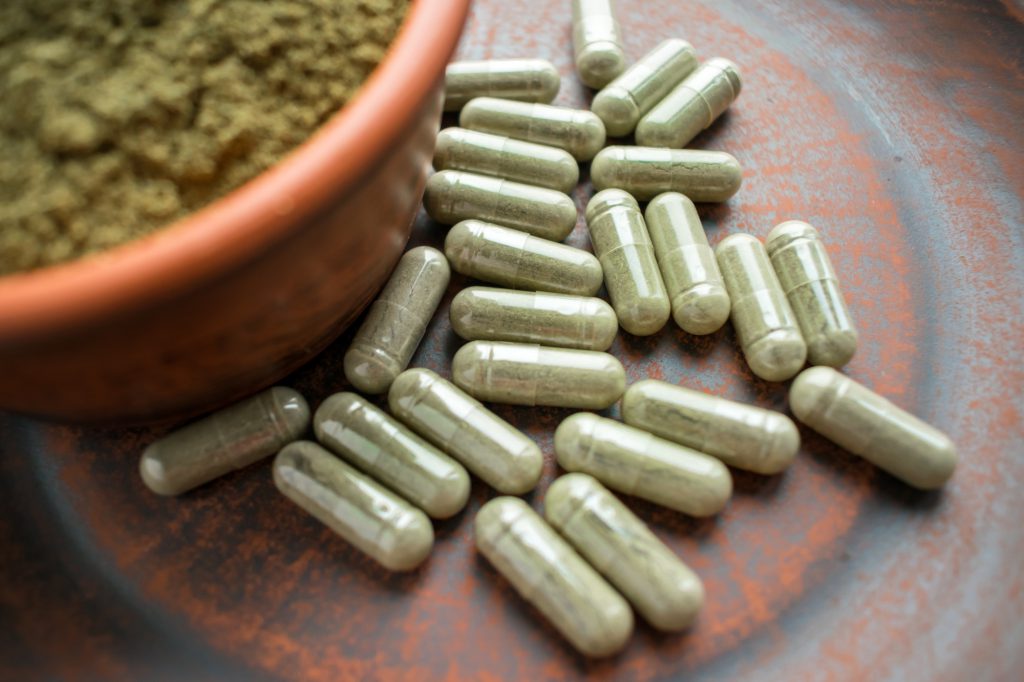
Supplement kratom green capsules and powder on brown plate. Herbal product alt-medicine kratom is opioid.
Why Do People Use Kratom?
Kratom is meant to be used as an alternative to opiates. People suffering from opiate addiction sometimes turn to kratom to get off the more deadly opiate.
The drug provides similar effects and gives users relief from withdrawal symptoms in a safer way.
Kratom is more natural than a processed opiate like heroin. Its leaves can be eaten, brewed, or taken in pills. This makes it easy for anyone to take.
Some doctors are wary when it comes to recommending kratom, though.
Some patients get carried away with kratom and end up replacing their opiate addiction with it, rather than using it to ween themselves into sobriety.
While kratom is natural, it still gives a user the same effects as opiates, meaning it’s just as tempting for a seasoned addict to abuse.
How Addictive Is Kratom?
Taking any mind-altering drug, including kratom, changes the brain’s natural chemistry.
Like other opiates, your body can become used to these highs and start to crave them. The brain adjusts to the opiate and comes to expect them.
Without giving the brain what it wants, a user can experience symptoms of withdrawal and adverse effects on their health.
Some symptoms of kratom withdrawal include:
insomnia
irritability
aggression
aching muscles
jerky movements
Measuring “how” addictive a substance is is difficult, and really depends on the person. Some people have more addictive personalities than others.
Although, no matter what your personality, addiction can happen to anyone.
Kratom addiction is on the rise. Kratom is openly sold in most states. This means curious teens can easily buy it for recreational use rather than for opiate recovery.
It should not be assumed that kratom is any less addictive than any other opiate. It’s simply better for you, and less likely to be tainted or end a user’s life.
With any drug comes the risk of addiction, whether it’s something common like caffeine, or more uncommon like kratom.
Kratom is addictive for the same reason any opiate is. Opiates offer a user euphoria, relaxation, and psychoactive effects. They give the user a high that is hard to find in other drugs.
If a user suffers from depression they may become especially hooked on the feeling that opiates give. Opiates tend to mask pain both physical and mental, which is a desirable state for many.
Kratom is an interesting opiate. In lower doses, it offers stimulating and energizing effects. In higher doses it relaxes the body, making you sleepy, euphoric, and relaxed.
This means users can get addicted to kratom as either a stimulant or a relaxant. Other opiates are much harder to control on this level, giving kratom an interesting up-side for opiate lovers.
Many people start using kratom on a doctor’s recommendation. In this case, the doctor will usually tell the patient what dosage to take. But this isn’t always the case, and not everyone follows orders.
Some people will start using kratom on their own to deal with their addiction, or simply for recreational purposes. This is always more dangerous, as the user is given no solid guidelines.
There is no doctor to monitor how the user is adjusting to the drug or to recommend a safe dosage.
Like any other drug, kratom is addictive because it feels good to take. Plus, it’s cheaper than opiates, natural, widely legal, and more versatile.
Because of this, it’s uncertain how much of a factor kratom was.
However, a small number of kratom overdoses only involved the use of kratom. This could have been due to the user dosing too high, or buying a laced product.
Buying kratom for recreational use always runs the risk of ingesting unknown, harmful substances.
So, while you’re not likely to overdose on kratom, the official stance is unknown. More studies must be put into the subject, and more cases must be investigated.
Always be careful where you buy your kratom from, and only purchase from designated dealers with trusted backgrounds.
Kratom use has risen in recent years. The drug remains legal in many states and countries and is fairly easy to get hold of.
Because of its abuse factor, some places have made it illegal, including Indiana, Wisconsin, and Vermont.
There has been a push to make kratom a schedule 1 drug. Schedule 1 is where the most addictive drugs are placed, including heroin and other opiates.
At the moment, kratom remains unscheduled. When it was announced that it might be scheduled there was a large outpouring of people who disagreed with the proposition.
Over 140,000 people signed a petition and got the proposition shot down.
To date, there are an estimated five million people who regularly use kratom. that’s a large portion of the population.
Many of these people use it to stay off worse opiates, and taking it away from them would risk throwing them back into their previous addictions.
The Signs of Kratom Addiction
Like any other addiction, the signs for kratom addiction can be subtle to the user but obvious to outsiders.
Signs and symptoms of addiction can vary greatly from person to person and be difficult to pinpoint. However, some of them show more than others.
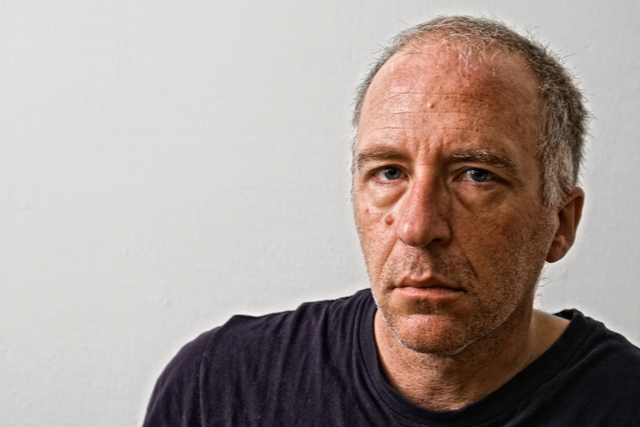
A man who looks tired and unkept looks into the camera.
Dependency on kratom is the most obvious sign. If you feel the need to take kratom right once the effects have worn off, you could have a dependency.
If not getting the drug soon after its effects are gone causes irritation, mood swings, or discomfort, you could be addicted.
Spending more money than you can afford to on kratom is a sign, as well as a change in physical appearance. This means drastic weight loss or gain, or a reduction in personal hygiene.
One should also look out for irregular sleep patterns.
If you feel like you’re taking too much kratom, chances are you’re right. If your friends tell you they’re worried about your kratom use, that’s another reason to check yourself.
There’s a big difference between casual use and addiction, and it eventually shows itself.
How Is Kratom Addiction Treated?
There is no proven best way to deal with kratom addiction. But there are steps you can take to move away from addiction.
The first step is usually to decrease your use. If you’re used to taking large doses of kratom, start weaning yourself off.
Take smaller and smaller doses each time and your body will become less dependant on high doses.
The next step is to detox your body. Stop taking kratom and get all traces of the drug out of your body. Some medications can help accomplish this, as well as certain foods.
If the addiction is at an aggressive stage, rehab may be necessary. Rehabilitation centers don’t discriminate based on drugs.
Many will take kratom users just as readily as alcohol and heroin users, and help them find the environment they need to quit.
Behavioral therapy is also a big help in dealing with kratom addiction. Behavioral therapy targets a person’s triggers for addiction and looks to stop them.
It looks to rid a patient of their relapse triggers and let them know they don’t need the drug anymore.
If you suspect a loved one of being addicted to kratom talk to them about it. They may not see the signs or may be unwilling to accept them.
Intervention is an often necessary first step in squashing an addiction, even if it is an uncomfortable one.
Free Insurance Verification for Rehab – Get Help Now
If you use or are addicted to drugs, chances are you know it’s a good idea to stop.
But quitting is much easier said than done, not least of all because quitting means going through withdrawal.
And withdrawal can be a scary and painful process, especially if you’ve never gone through it before.
Knowing what the heroin withdrawal timeline looks like can help you know what to expect when you decide to quit.
You’ll know what’s coming, how long it will last, and when you’ll start to feel better.
Read on to learn more about this timeline and what to expect when you get ready to quit heroin.
Detox word made with wooden blocks concept
What Is Heroin?
Before we dive into the heroin withdrawal timeline, let’s take a moment to discuss what heroin actually is.
You may have heard of it by the names horse, hell dust, big H, or smack. Heroin is an opioid drug made from morphine that is derived from the seeds of poppy flowers.
Heroin can come in a few different forms, including a white or brown powder or a black sticky substance called black tar heroin. It can be injected, snorted, or smoked, depending on the form.
Some people mix heroin and crack cocaine in a practice called speedballing.
Effects of Heroin
Because heroin is related to morphine, a drug used to control pain, one of its primary effects is a vanishing of any pain you may have been feeling.
Many users describe a sort of rush or wave of euphoria that comes over them right after they take the drug.
Other short-term effects can include dry mouth, nausea and vomiting, severe itching, clouded mental function, and drifting in and out of consciousness, sometimes known as “going on the nod.”
Long-term heroin effects can be devastating, ranging from insomnia and cramps to collapsed veins and livery and kidney disease. People with penises may experience sexual dysfunction, and people who have periods may start to have irregular cycles.
You may see swollen tissue filled with pus, damage to your nose, pneumonia, and a number of mental illnesses crop up, too.
Heroin users may experience the early symptoms of withdrawal many times over the course of their use. These symptoms start between six and twenty-four hours after you take the drug and can last for a day or two.
These early symptoms are usually mild, but they can be unpleasant enough to lead the user to take heroin again to get rid of them.
Within that first day, you’ll start to feel like you have a bad case of the flu. You’ll get muscle aches that will get worse over the next couple of days.
You may also get anxiety or even panic attacks. You might get diarrhea or start shaking, and you may find yourself more irritable than usual.
Heroin Withdrawal Timeline – The Next Few Days
After the first day or two, symptoms of heroin withdrawal will start to peak. These few days are the worst of the heroin withdrawal cycle and are when you’ll need the most support around you.
You can expect these symptoms to start around the third day of no heroin use and will last two or three days.
During the peak of withdrawal, you’ll start to experience extreme stomach cramping and nausea or vomiting. You may start to sweat and get the shivers, and you might run a fever during this time.
You may have more diarrhea, and you might have trouble getting to sleep or settling down.
A man holds his stomach in pain as he cramps up and is sick.
Heroin Withdrawal Timeline – The End of the Week
About five days after you last use heroin, you’ll start to come into the end of the acute withdrawal phase. Your symptoms will start to improve across the board, and you’ll start to feel better.
There will be some lingering effects of withdrawal, but the worst will be over.
You may still have some trouble getting a full night’s rest during this stage, but you should be able to sleep a little more. Your muscle aches and nausea will start to wear off, and you’ll start to feel like you’re coming off a bad case of the flu.
You’ll feel very tired, and that fatigue can last for months, but your stomach and bowels will start to get back to normal, and your fever should subside.
Even once you’re past the first week of acute withdrawal, you’re far from out of the woods. During that whole withdrawal process, you’ll be craving heroin to experience that high again, and that craving can last for months.
After the first week of acute withdrawal, you’ll enter post-acute withdrawal syndrome.
Post-acute withdrawal syndrome is the time when you’ll start to recover from the neurological damage that the heroin caused.
You may feel tired and irritable for months, and you may find you still have trouble sleeping. Anxiety and depression are common, and you may experience more cravings for heroin.
Factors That Affect Heroin Withdrawal Timeline
There are a number of factors that can affect how your withdrawal goes and how long it lasts. First among these is the amount of time you spent using heroin.
If you’ve only used heroin a couple of times, you’re going to have a much easier time in withdrawal than someone who’s been using heroin for years.
Which kind of heroin you use can also impact what your withdrawal experience is like. Things like speedballing or using black tar heroin can complicate your withdrawal, depending on the purity of the substances.
The amount of heroin you took each time can also affect how intense your symptoms are.
Medical Intervention
When you’re going through withdrawal, it can be a good idea to have a medical team around you monitoring you and keeping you comfortable.
Things like dehydration, fever, and seizures can present very real threats during the detox process. And if you’re quitting cold-turkey after years of using high amounts of heroin, especially mixed with other drugs, having medical help could save your life.
Doctors and nurses can provide you with IVs to help keep you hydrated and comfortable during withdrawal. They can take steps to ensure that something like a fever or a seizure doesn’t become life-threatening.
And they can make sure you get all the way through the withdrawal process without succumbing to the cravings and taking more heroin, starting the process all over again.
Helpful Medications
In addition to basic comforts, doctors may also be able to provide you with some medications that can help you during the heroin withdrawal timeline.
These medicines may be opioid-based, so they can help reduce cravings and withdrawal symptoms. But they aren’t as potent or as dangerous as heroin, so you get clean in a safer, easier way.
Methadone is a slow-acting, low-strength opiate that can help you taper off the effects of heroin and prevent withdrawal symptoms. Buprenorphine can reduce heroin cravings and symptoms like vomiting and muscle aches.
And naltrexone blocks receptors in the brain that respond to heroin, helping to reduce cravings in the long-term.
Once you’re through the initial withdrawal stage, you still have a long road ahead of you to recovery. For one thing, you’ll need to get through post-acute withdrawal syndrome and past the point of craving heroin, which can take months or even years.
You’ll need to restructure your life to avoid triggers that make you tempted to start using again.
But oftentimes, there’s an underlying issue that led you to start taking heroin in the first place. This could be anything from chronic pain, mental illness, or some sort of emotional trauma.
Before you can get back to living a healthy, happy life free of heroin, you’ll need to deal with that underlying problem.
Heroin Withdrawal Timeline at Home
Although it is not recommended, it is possible to go through heroin withdrawal at home. If you plan to do this, it’s a good idea to have a loved one around to help you through the process.
They can help keep you from giving in to the cravings and make sure you get medical attention if there are complications.
Ask for a week off work before you go through this process, and stock up on supplies. You’ll need lots of fluids, healthy food, and hygiene necessities like toilet paper.
And once you’re through the initial withdrawal process, be sure you join some sort of support group or rehab to keep from relapsing in the next several months.
Free Insurance Verification for Heroin Rehab – Get Help Now
Heroin withdrawal is a difficult process that you need help to get through. Knowing the heroin withdrawal timeline can help you know what to expect and how long things will last.
By the time you hit day four or five, knowing that these symptoms won’t last forever can help keep you motivated to push through.
If you’d like help detoxing from heroin, come see us at Best Rehabs In Arizona.
We have programs for heroin addiction, as well as methamphetamine addiction, prescription pill addiction, and alcoholism.
Contact us today to take the first step on your road to a happier, healthier life.
A government report showed that about 64,000 people died due to drug overdoses in 2016.
Drug abuse has led to several adverse implications among young and older adults.
Other than death, addiction to drugs can alter your brain chemistry and cause financial, legal, and health issues.
The side effects of drug abuse are not new to users. In fact, many have tried to ditch drug abuse to no avail.
Most of the abused drugs lead to addiction, making it harder for users to survive without them.
The extent of addiction to drugs varies. Here’s a comprehensive list of seven of the most addictive drugs that you need to know.
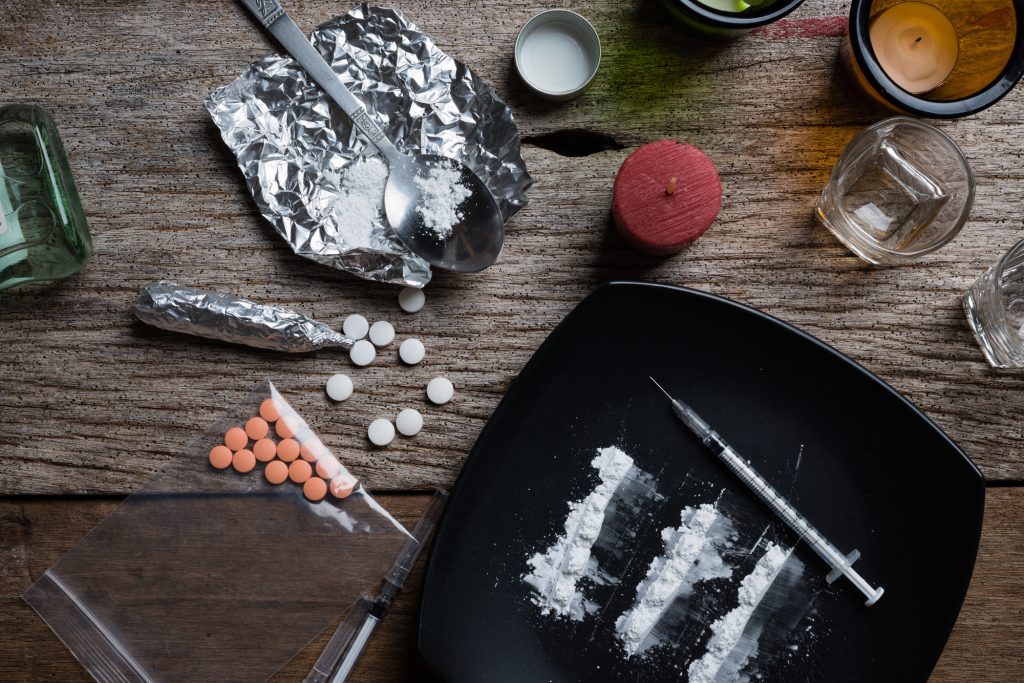
alcohol, drugs, pills on a wooden background
1. Heroin
If you didn’t know what the most addictive drug in the world is, there you have it.
Heroin ranks as the most addictive substance, scoring 3 out of the maximum, three. Heroin is derived from opium poppy extracts.
Heroin is an opiate, mostly sold as a brownish or whitish powder. Users commonly smoke, swallow, or inject heroin into the veins.
The drug increases dopamine levels when taken. The activated opioids receptors produce a good-feeling sensation, relaxation, and blocks pain.
Users get into a dreamy state when heroin’s euphoric effects subside.
Heroin has extreme withdrawal symptoms, which make users continue using the drug.
Some of the withdrawal symptoms include diarrhea, vomiting, cold flashes, severe bone and muscle pain, uncontrollable movements, and restlessness.
Despite ranking as the most addictive, heroin is reported to be the second most dangerous drug due to the damage it has on society and the individual.
If you’re recovering from heroin addiction, you need to know how to stay away from common relapse triggers. Once you identify these relapse triggers, remaining sober won’t be such a struggle.
When listing the most addictive drugs, cocaine is almost in the same category as heroin. Up to 14,000 Americans succumbed to cocaine overdose in 2017.
This was a 34% increase from the previous year. Clearly, cocaine’s popularity has been increasing in recent years.
Cocaine is a white crystal powder. Users inject, smoke, or rub the powder on their gums.
Crack cocaine has slight differences from the regular cocaine; it has a high potent nature, making one feel the effect more quickly than the typical variant.
Using cocaine gives users an intense euphoric feeling. The drug triggers the brain to produce dopamine, which makes one feel high.
With constant use, the body becomes tolerant of cocaine, and one has to increase the dose to achieve the desired excitement, happiness, and high energy.
As the drug continues to wear off, users experience anxiety, anger, and depression.
As a resultant, users become dependent on the drug. Continued snorting of cocaine can lead to a constant runny nose, swallowing difficulties, nosebleeds, and loss of smell.
3. Nicotine
The use of tobacco involves chewing, sniffing, and smoking products that have nicotine. Tobacco products that contain nicotine include cigars, cigarettes, bidis, and hookah products.
A significant number of teenagers and adults smoke these products.
Administering nicotine in the body leads to the release of endorphins.
While the surge is incomparable to other drugs, increased use raises dopamine levels in the user’s body. Long-term exposure to nicotine prompts the brain to seek more of this drug.
Nicotine is amongst the addictive drugs that kill. It narrows the arteries and hardens the arterial walls, which can lead to a heart attack.
Besides the cardiovascular effects, nicotine increases the risk of gastrointestinal and respiratory conditions.
When one tries to quit smoking, withdrawal symptoms such as headaches, mood swings, and anxiety can be a hindrance.
The symptoms are severe, and users often relapse. Besides, nicotine products are easily accessible, which makes their addiction common.
Global alcohol consumption per capita is projected to increase by 17% within the next decade.
Despite the rising cases of alcohol-related disorders, more adults are taking alcohol without flinching. Alcohol is in the category of the most addictive drugs, not only in the US but also globally.
The use of alcohol in a social setting makes it seem less harmful as compared to other hard drugs.
Yet, it increases the risk of liver diseases, cancers, and cardiovascular disorders. Alcohol alters one’s judgment, which prompts users to engage in risky behaviors such as explicit sex and drunk driving.
Consumption of alcohol increases dopamine levels, which gets users excited. However, continued use ultimately leads to dependence.
The extreme withdrawal systems such as severe headaches make alcoholics to fall back.
If you’ve been experiencing withdrawal symptoms or can’t go a day without alcohol, it’s probably time to go to rehab.
The willpower to check into rehab isn’t always present. But if you have several troubling signs, going to rehab will give you better control of your life.
Photo of several alcoholic drinks in glasses of all sizes and types.
5. Methamphetamine
Methamphetamine is one of the highly addictive psycho-stimulant drugs. Despite being illegal, thousands of people use it for the euphoric effects. Meth raises the levels of norepinephrine and dopamine in the brain.
Meth users inject, ingest, snort, or smoke this illegal drug. The intense rush and euphoric high can last up to 24 hours. The effects of meth last more than cocaine.
Methamphetamine can be made using available ingredients, which means it’s cheaper. Some of the street names for this drug include crystal, chalk, ice, speed, and rank.
Meth has high neuro-toxicity, which can have damaging effects on the serotonin and dopamine neurons in a user’s brain.
This toxicity further increases when a person combines the drug with opiates, cocaine, and alcohol. Regular use of methamphetamine might lead to irreversible functional and structural changes in the body.
When you follow the steps to overcome addiction, you can be free from this highly addictive drug. However, it is essential to acknowledge that meth addiction is one of the most difficult drug addictions to treat.
Support from family and friends can go a long way in the process of recovery.
Barbiturates are in a category of drugs referred to as sedative-hypnotics. While the drug is typically in the form of a pill, users inject it in its liquid form.
These drugs were initially used to decrease anxiety and induce sleep in the 1960s.
However, an incorrect dosage can be dangerous. In extreme cases, overdosing on barbiturates can cause death or coma.
When used minimally, the drug can cause euphoria. Barbiturates are highly addictive.
Fortunately, these drugs are rare, unlike in the past. Doctors have replaced the prescriptions with benzodiazepines, which play the same sedative-hypnotic role. The latter is safer than barbiturates.
Continued use of barbiturates can cause tolerance development. Abuse of this drug might lead to an overdose. A coma, dilated pupils, shallow breathing, and clammy skin are some of the overdose signs you need to observe.
Discontinuing barbiturates exposes a person to a myriad of side effects.
Some of the notable withdrawal symptoms include insomnia, anxiety, dizziness, psychosis, and seizures. If untreated, barbiturates lead to circulatory failure, hypothermia, and death.
7. Methadone
Methadone is under the category of opioids. When analyzing some of the most addictive drugs, opiates rank first in this category.
This drug has been highly effective in treating extreme pain.
Besides, some doctors use it to treat heroin addiction. You can take methadone as a liquid, powder, or tablet.
While doctors prescribe this methadone in some cases, people still take it illegally by injection.
Constant use of this drug can cause addiction. Some of the side effects of methadone include hallucinations, light headedness, breathing difficulties, and chest pains.
Your body might adapt to the calming effects of methadone. When you get to the drug tolerance stage, addiction might be imminent.
It is advisable to seek medical help if you find yourself taking more methadone than what’s recommended.
8. Cannabis
Cannabis, also known as weed or marijuana, is another common addictive drug.
This drug is a mixture of dried stems, leaves, and flowers of the Cannabis Sativa plant. People using cannabis smoke it via a pipe or as a cigarette.
Weed induces the central nervous system, leading to the production of sensations such as mild euphoria, wrong perception of time and space, relaxation, and increased appetite. Cannabis is addictive. Yet, eleven states have legalized its recreational use.
One of the behavioral symptoms of cannabis includes losing interest in activities that you previously enjoyed. Withdrawal from friends and secrecy are other signs of cannabis addiction.
Declining performance at work and school can also result from consistent use of weed.
Cannabis addiction leads to physical symptoms such as dry mouth, bloodshot eyes, poor coordination, fatigue, and lack of attention.
Free Insurance Verification for Rehab – Get Help Now
Heroin use usually stems from underlying depression and unhappiness.
Stay on alert and look for signs in loved ones who may suffer from mental health issues and other addictions.
Recognizing the signs of heroin addiction, especially early on, is often difficult. Luckily, it can be done.
You need to be vigilant and constantly check for signs. If you suspect a loved one is a heroin user, there are resources that can help them overcome their addiction.
The details of heroin use in this guide are thorough. However, it’s important to remember that the way heroin use varies from person to person.
This means that a person is not likely to exhibit all the signs listed here at once. It does mean that if a person displays a few signs very consistently, they could be a heroin addict.
Knowing the signs of addiction can save lives and prevent trauma.
To prevent your loved ones from suffering from heroin abuse, familiarize yourself with the signs in this guide. And know what to do if a loved one has a heroin addiction.
A Seemingly Normal Person Suddenly Acting Strange
When people picture heroin users, they usually don’t picture a normal looking person.
Media has taught people that heroin users are often poor. They are often portrayed as intimidating. They live in broken down trailer parks and are wild and reckless.
In real life, though, many heroin users manage to do more than look normal. They can be stylish and wear the latest clothes from top designers.
Their apartments can be tidy and upscale, with no trace of heroin residue on tables or countertops.
Heroin users can even be students in a dorm with average looking rooms. Or just regular people with everyday jobs.
They can cover up the physical symptoms with makeup or tattoos. And, except for constricted pupils, nobody could be any the wiser that they are a heroin addict.
It is usually not until peak heroin usage that their habit begins to break their life down. They might need more heroin but not have enough money to buy as much as they want.
This time period is most often when family and friends notice something is wrong. They might start acting strangely, and heroin withdrawal can take effect.
This is why it’s important to recognize the more subtle effects of heroin. It’s also important to know who is most at risk for developing a heroin addiction.
Most Likely Groups with Signs of Heroin Addiction
During the 1960s and 70s, heroin was mostly a problem of inner-city youth.
This is no longer the case due to the rise in prescription opiates, economic stress, and higher rates of depression.
Now, 90% of heroin users are white working class suburbanites. Most of them started using prescription pain medication as prescribed by their doctor.
But because opiates are addictive and cause euphoria, it was easy for many people to get hooked.
This has resulted in more young people selling their prescriptions to afford heroin. As of 2010, there is an almost equal chance of heroin being used by men and women.
People who have experienced a major injury are also more likely to use heroin. This is especially true if their doctor stopped prescribing them opiate medication.
Self medicating for a mental illness such as depression or PTSD is another reason people turn to heroin. Therapy may not be getting them the results they want.
Heroin makes the pain and trauma of mental illness go away for short periods of time.
A person can also develop a heroin addiction from using other drugs that have been laced.
Many drug dealers want repeat clients, so they may cut cocaine with heroin to start selling it to more people.
Odd Changes in Behavior
Heroin is highly addictive. As a person begins to use heroin, they require more of the drug to get high. This is because they are constantly building a tolerance to it.
The more of a drug someone needs, the more they are forced to purchase from a dealer. This increase in cost eventually outweighs the user’s budget, and they change their behavior in their desperation for money.
The first and most common behavioral change is that the user will start asking friends and family to borrow money.
They also tend to lie about what this money is for. More often than not, they will also never pay back these loans. Having unpaid debt often puts stress on these relationships.
Losing connections with once valued friends is often a source of distress. This distress can lead heroin users to seek even more heroin.
If a heroin user does somehow manage to procure more heroin, this puts them at even more risk. For one, their chance of overdosing goes up.
They will also start chasing heroin just to feel normal. This is because their tolerance has grown so much, they can no longer get high.
Also, going for long periods of time without heroin can cause withdrawal. Withdrawal can look like flu symptoms but is caused by chemical dependency on heroin.
Heroin Paraphernalia in Their Spaces
There are many tools and items that heroin users need to do heroin. For example, heroin often comes in small Ziploc bags, small aluminum squares, and rubber balloons.
If someone does black tar heroin, they would typically dissolve it into a liquid so it can be injected into their veins.
As such, items used to do black tar heroin often include:
A cord to tie off the arm
Lighters to melt the heroin
Burned Spoons where heroin is melted
Syringes for injection
To snort more pure heroin, users often have:
Straws
Rolled up papers
Hollow writing tools
A hard surface to snort the dust off of
To smoke heroin, users will often resort to:
Inhaling the vapors from burning aluminum cans
Burning the heroin on foil
Using a straw to better inhale vapors
Pipes to smoke heroin more directly into the lungs
Heroin is most often injected. Most heroin users will have track marks going down their arms, or their necks if they can no longer use their arms.
Many heroin users stop concerning themselves with hygiene. As such, many of them use dirty needles. These needles can cause infections, leading some heroin users to scratch at their arms constantly.
Recognizing Withdrawal in Heroin Users
Heroin withdrawal does not usually occur in first-time users. Withdrawal happens to users who have built up a chemical dependency to heroin. Some withdrawal symptoms include the following:
Runny nose due to snorting heroin and irritating the nasal passages
Diarrhea from heroin drawing excess water into the digestive tract
Vomiting as a result of the body trying to purge harmful chemicals from itself
Fever due to the body working overtime to process new chemicals
Additionally, heroin users can also experience psychological issues like:
Anxiety due to the brain’s chemical dependency on heroin causing the sudden lack of the drug to prevent the brain from functioning properly
Insomnia from too much brain activity
Irritability occurs from the strong desire of the body to have heroin but not receive any
Strong cravings for heroin because of its highly addictive nature, and the sudden lack of what the brain now perceives as a necessary chemical
Having a light workout routine can help build structure and regulate the body’s needs.
Staying in touch with family and friends provides a good emotional support structure. They will be there whenever the user needs to talk about their experience or just keep them from feeling lonely.
Maintaining a positive attitude and remembering that the symptoms are only temporary can also go a long way on the road to recovery.
Talking to Your Loved One About Their Heroin Use
If you do find out that your loved one is abusing heroin, remain calm. Don’t panic, but give yourself time to collect your thoughts.
Be sure to approach them with a positive, caring attitude so that they don’t feel afraid. Make sure they feel safe and comfortable so they’re more likely to open up to you about why they started doing heroin.
If you continue to notice signs of heroin addiction after talking with them, continue to be patient with them.
They may not be ready to give up their habit, and you can’t force them.
Make sure to develop a plan with them, so you know what to do if they overdose. Remember to keep naloxone in the house at all times. And keep knowledge of who their dealers are in case they overdose because of a bad batch.
Knowing who their dealers are will allow you and your community to better pinpoint the exact source of the bad heroin.Finally, look for a reputable rehab clinic near you. Almost all heroin users do genuinely want to quit, so it helps for you to be prepared to guide them.
The National Survey on Drug Use and Health reports that 7.9 million Americans suffer from both a mental disorder and a substance use disorder at the same time.
Are you one of them?
Known as dual diagnosis or co-occurring disorder, this condition is far from rare. And, despite how it may feel right now, it doesn’t have to be isolating or debilitating.
In fact, there are plenty of treatment centers equipped to treat patients with a dual diagnosis. If you fit this category, it’s wise to address both issues at once to ensure a successful outcome.
Today, we’re sharing 10 things to expect as you begin your dual diagnosis treatment. The journey is less intimidating if you know what lies ahead and what hurdles you’ll need to clear along the way.
Ready to learn more? Let’s get started.
Symptoms of a Dual Diagnosis
Before you can seek treatment for it, it’s important to recognize the symptoms of co-occurring mental disorder.
If you’re currently engaging in substance abuse, you might find that you also feel angry most of the time, or anxious for no reason.
Or, you might have sudden urges to become violent, withdrawn, or irritable. All of these could be a sign of an underlying mental condition also at work.
Here are some more warning signs to look out for:
Difficulty keeping up with professional or educational pursuits
Compulsive behaviors
Excessive guilt
Thoughts of suicide or death
Extreme fatigue
An excessive urge to cry
Feelings of hopelessness or desperation
If you or your loved one is experiencing these tendencies on top of a substance use disorder, there’s a chance it could be a co-occurring disorder. It’s important to seek a professional evaluation right away to verify.
1. You’re Not Alone
When you’re in the throes of an addiction or a mental disorder, it can feel as though you’re the only person in the world suffering from the condition. In turn, this sense of isolation and stigma can drive an increase in substance abuse.
Research shows that Americans with a diagnosed mental illness consume 69% of the country’s alcohol and 84% of its cocaine.
Rather than seeking solace in addiction, sufferers can seek treatment instead. Here, they’ll connect with experts trained in helping them manage their condition and can also learn alongside others who are walking the same road.
Dual diagnosis treatment programs take into account that each person’s case is unique.
After delving deep into your history and current condition, a trained expert will develop a custom plan for your recovery, centered on your specific triggers, special circumstances, home environment and more.
There is a wide range of combinations that could comprise your diagnosis. For instance, you might suffer from an anxiety disorder plus alcohol addiction. Or, you might have depression and be addicted to heroin.
In short, you’re not a number. You’ll be treated as the complex and capable person you are.
3. The Process Isn’t Simple
As there isn’t a universal patient type, nor is there a treatment approach that works the same way every time.
Rather, your treatment staff may need some time to dig into the root of your condition. It can be difficult to discern, for instance, if your depression is stemming from your drug use, or if it’s an underlying mental illness.
From there, you may enter into a range of therapy types, including:
Trauma Therapy
Individual Therapy
Group Therapy
There are also 12-step programs designed to help patients re-adjust to the outside world as they prepare to leave the confines of a treatment facility.
Your treatment plan may center on one of these therapy plans, or it might include components of all of them, depending on your case.
4. You May Be Considered High-Risk
Though there have not been any definitive studies confirming that those with mental illness display more aggressive tendencies, research does show that substance abuse on top of a mental disorder amplifies one’s propensity toward violence.
For instance, one study shows that women diagnosed with alcoholism and antisocial personality disorder are 40% to 50% more likely to commit homicide. A diagnosis of schizophrenia, on the other hand, only increased the risk by 4% to 5%.
Thus, expect to be treated as a high-risk patient, even if you have no plans to harm yourself or engage in violent behavior during your treatment.
5. You’re Susceptible to Addictive Behavior
Especially if you’re entering into an outpatient treatment program, it’s important to remember that if you’re diagnosed with a mental illness, you could be more likely to develop an addiction to drugs or alcohol.
This is because many people who suffer from a mental health condition will turn to substance abuse to help them cope with their symptoms. While this may offer a short-term distraction, they serve to alter our brain’s chemistry in a way that most often worsens the condition.
Over time, your brain may rewire its rewarding effects, meaning that you become predisposed to continual drug use.
While you’re not engaged in treatment activities, it’s important to remain aware of this inclination and surround yourself with positive influences that can keep you going in the right direction.
6. Not Every Treatment Facility Will Fit
A treatment facility has to be set up to assist patients with a dual diagnosis. That means one that focuses primarily on helping people overcome drug and alcohol addiction may not have trained and licensed medical doctors, psychologists and therapists on staff prepared to treat mental illnesses.
The reverse is also true. Some mental health facilities might not be capable of helping someone through a drug addiction.
This is where it pays to do your research. As you seek treatment options, look for facilities that
advertise an ability to work with dual diagnosis patients. Don’t expect to handle one of the conditions on your own as you tackle the other. A comprehensive approach is best to ensure long-term recovery.
7. Integrated Treatment is Best
At the same time, look for a facility that will take an integrated approach to your dual diagnosis.
Some may prefer to tackle each issue separately, but the intertwined nature of the two conditions makes this difficult at best, and usually impossible.
In an ideal situation, you’ll enter into an inpatient rehab program that allows you to work through your two diagnoses at the same time, under the same roof, with the same therapists.
This consistency is key to helping your treatment plan stick and ensuring you address your issues in their entirety.
8. A Reputable Facility Won’t Rush You
Yes, there is a timeframe in which most patients complete their dual diagnosis treatment. And there may be other factors, such as your insurance terms, work schedule and family life that dictate how long you can spend in a facility.
Still, a quality treatment center won’t speed up your process.
Rather, the staff will understand that it’s critical to work at a pace you are comfortable with. After all, you’re dealing with a condition that includes an extra layer on top of traditional substance abuse or mental health disorders.
As you interview facilities, ask about anticipated treatment timelines and make sure you’re comfortable with the answer before moving forward.
9. Expect a Longer Process
The reason you shouldn’t feel rushed? Due to the mental health component of your condition, it will likely take you longer to successfully complete treatment than someone with an isolated addiction problem.
There are specific terms and conditions to factor in when you’re dealing with mental health. Your therapist might devise a plan that spans months or even years longer than your peer’s.
10. A Licensed Expert Will Evaluate You
Before you enter into a treatment facility, a licensed physician or psychiatric professional will evaluate your individual condition.
This may involve a series of questions that probe deeper into your history of substance abuse and mental illness.
You may need to recall traumatic childhood events or other instances from your past that could attribute to your condition. Moreover, you should explain if there are any environmental triggers, such as chronic stress, that could contribute to your addiction or mental disorder.
After the evaluation is complete, the physician will use this data to create a treatment and recovery plan tailored to your individual case.
Seek Dual Diagnosis Treatment Today
When you’re suffering from an unshakable addiction on top of a crippling mental disorder, the road to recovery can seem an unending one.
The good news? It doesn’t have to be.
When you’re ready to seek dual diagnosis treatment, we’d love to help.
We’re a Scottsdale-based recovery center that specializes in treating dual diagnosis patients as well as alcoholism, heroin addiction, prescription pill addiction, and methamphetamine addiction.
Reach out to us today to discuss your needs. Let’s take this critical first step together.
There are 20 million Americans over the age of 12 suffering from a drug or alcohol addiction.
But not all addictions are the same.
And if not all addictions are created equal then it follows, naturally, that the same treatment plan or addiction treatment service won’t work for everyone the same way. You’ve got to find a rehab, treatment plan, or service that works for you.
Your addiction treatment services should be tailored to you and your needs and the addiction from which you suffer.
So how do you find the right treatment for you? Well, that’s what we’re here to discuss.
Read on to discover our tips on how to pick the right addiction treatment services for you.
What Is Addiction?
The first thing that’s important to know is the difference between addiction and substance abuse. People with a substance abuse problem use a substance (alcohol, painkillers, etc.) too much or in the wrong way – but they can quit or change their behavior. Addiction is a disease and it means you can’t stop using even when your condition causes you harm.
There are also many different kinds of addiction. There is shopping addiction, gambling addiction, sex addiction, gaming addiction. You should pretty much know that if it’s out there then there’s probably someone addicted to it.
You use more of the substance than you want to or would like to. Instead of having a drink or two, you drink until you’re drunk. Every time.
You continue to use the substance even though it has harmed your relationships, job prospects, family, etc. You don’t stop even when there are negative consequences.
Addiction is defined by having three or more of the following symptoms:
Tolerance: The need, over time, to use more and more of the substance to achieve that “high”.
Withdrawal: Experiencing physical or emotional withdrawal when you are away from the substance for a period of time. This can show itself as anxiety, irritability, shakes, sweats, nausea, and more.
Limited Control: A loss of self-control or impulse control that keeps you from being able to stop using and/or abusing the substance.
Negative Consequences: Continuing to use the substance even though it’s negatively impacted your relationships, job prospects, family, mood, etc.
Neglect. If you avoid your social activities or don’t do your household activities because of your substance abuse then you might be an addict.
Spending Significant Time/Energy: If you’ve spent significant time and energy obtaining and using the substance – or concealing your use of it – then you may be suffering from an addiction.
The desire to Cut Down: If you’ve thought about cutting down on your use or lessening your use of a specific substance and have made failed attempts to do so then addiction may be the cause.
Finding the Right Addiction Treatment Services for You
Now that you know what addiction is let’s talk about finding the correct way for you to treat it. As stated above, not all addiction treatment services are created equal – and what works for one person may not work for you.
You’ve got to make sure when you’re looking for a rehab center or treatment program that you’re looking for the right things for you. You need to make sure that you ask the right questions. And that you know what you need.
Otherwise, you may end up in a program that doesn’t help you the way it could.
Check out this post to figure out how to prepare for addiction treatment and then read on below to discover five things to remember when searching out addiction treatment services to help you with your recovery:
1. Get an Assessment Before You Do Anything Else
You want to start out the process by being assessed by a doctor certified by the American Society of Addiction Medicine. An assessment by a licensed clinical social worker or a psychiatrist experienced in treating addiction and substance abuse will also work.
This is important because you may not need full-on inpatient rehab – or, alternatively, that may be the only option that will work for you. Sometimes intensive outpatient programs, partial hospitalization programs, or a good old 12-step program might be the right fit.
Assessors make this determination based on whether or not you’re still able to perform activities of daily living. If you’re able to provide yourself some stability already – can still interact with your family, can still go to work, etc. – then a less full-on program may work for you.
Additionally, if you’re addicted to something that leads your assessor to believe you’ll suffer from difficult withdrawal symptoms (such as opioids) then they will recommend inpatient rehab so that the program can help with that.
2. Do You Need Dual Diagnosis Treatment?
A dual diagnosis means that in addition to suffering from an addiction you’re also suffering from something like depression or anxiety. It means that your treatment will need to be tailored to account for both behavioral health problems to make sure that you have the greatest chance of success.
There are approximately 7.9 million people with dual diagnosis conditions – so it’s important to make sure you get that assessment (as mentioned above) to make sure you’re treating everything you need to treat.
And since mental illness and addiction often go hand in hand, you want to avoid treatment centers that don’t offer resources such as counselors specifically trained in dual diagnosis treatment.
It’s important to ask and to make sure if you’re suffering from mental illness, that the treatment program you’re considering will help you treat this because not many treatment programs specialize in both addiction and mental illness. Dual diagnosis treatment is a rare thing to find.
But it’s out there!
And if your assessor recommends something less intense – like partial hospitalization or a 12-step program, then make sure you’re seeking out mental health resources on your own, such as therapy specifically designed to help you deal with that.
3. Check Whether Medication is Offered
This applies specifically to opioid addiction. If you or your loved one is suffering from that and seeking treatment for it then you may want to use medication to help you treat withdrawal symptoms.
But again, not all rehab centers are equal.
Some rehab centers believe in the “cold turkey” method – where they follow the abstinence model to treat opioid addiction. Others, however, do offer medication to help ease withdrawal symptoms.
So if you want medication to help then you’re going to want to make sure that you pick a treatment center that offers that. If you’re unsure, call to ask. They’ll be more than happy to answer your questions.
4. Luxury Doesn’t Necessarily Mean Quality
This is an important thing to remember. Because if you’ve got swimming pools and plush couches and huge TVs, it doesn’t mean that the rehab center is any good.
There are three tiers of rehab facilities:
High-end programs that typically cost $50,000 to $75,000 a month
Middle market programs that typically cost $25,000 to $35,000 a month
Traditional inpatient programs, which range from a few thousand dollars to $20,000 monthly
But again, because there’s a higher price tag doesn’t necessarily mean that it’s got quality.
You want to make sure you’re picking your rehab facility based on the level of care they offer, the type of counseling they have, and how hard they’re going to work you to make sure you stick to your program.
A rehab center with 800-thread count sheets isn’t any good if you can get away with skipping group or not following the 12 steps.
5. Watch Out for Guarantees of Success
This is a huge red flag. Any rehab center that guarantees success is plain lying.
There’s no such thing as a guarantee of success with addicts because the addict is the one who decides if things are successful or not. It’s up to the individual to follow their discharge plan once they leave the treatment center.
In order to guarantee success, the individual addict needs to make the decision every single day to stay clean. The rehab center has nothing to do with that and has no control over that.
The only person who can guarantee success is the addict.
Final Thoughts
Addiction is a terrible disease to live with or to watch your loved one wrestle with. But you can get help. With these tips, you can find the right rehab and addiction treatment services.
For more information on what to look for in a drug and rehab facility check out this post. And if you’re looking for a rehab facility and want to talk with us then feel free to contact us to discuss your options and what we can do to help you.
Chances are, you hurt some of your loved ones during the throes of your addiction. Read on to learn how to make amends with loved ones after rehab.
In 2014, an estimated 24 million people over the age of 12 struggled with addiction.
Struggling with addiction it can be painful. That pain intensifies when you’ve realized you’ve hurt the ones you love severely.
In this article, we’ll outline how to make amends with those you love and hopefully help you take steps to repair the relationship
What is Addiction?
Addiction is, or substance disorder can be somewhat tricky to define. Mostly it’s a brain disorder, in which the individual is solely focused on a substance whether it’s drugs, alcohol, or other things. For a person wrestling with addiction, they are willing to go to any lengths necessary (even if it means putting themselves or others in harm’s way), gaining the substance.
Addiction can be diagnosed by a mental health professional such as a phycologist or counselor who specialized in addiction.
Who Struggles with Addiction
Unfortunately, addiction does not discriminate. Anyone can be plagued by it – men, women, teenagers, old, and young – all can fall victim to addiction.
While apologizing and making amends might seem similar on the surface, they’re very different.
Apologizing is recognizing what you’ve done wrong, saying you’re sorry, and moving on.
Making amends is about reconciliation and repair of the relationships that have been damaged. It’s reaching out to those you’ve hurt and display your desire to make things right.
Types of Amends
It might seem strange that there are types of amends, but it’s true. Making amends is the 9th step in AA 12 Steps to Recovery. Let’s take a closer look at the three types.
Direct Amends
Direct amends involved going to the person you have wronged, apologizing, and helping make it right. It takes bravery and humility to fulfill direct amends.
For example, if you broke a friend’s plate in anger, you would apologize and then replace the plate. Learning from your mistakes is also an element of direct amends. From now on, you would respect your friend’s property and learn to control your angry outbursts.
Indirect Amends
Indirect amends usually follows a direct amend and deals with the motivations behind your behavior. Indirect amends happens when you cannot physically reach out to the person you’ve wronged.
An example of indirect amends would be if you (unfortunately) were driving drunk and killed someone. You could not approach them directly, but you would find a tangible way to justice. An example would be using your time to educate others on the dangers of drinking and driving.
Living Amends
Living amends is precisely what it sounds: deciding to change for the better and showing others by a shift in your behavior or lifestyle. This takes dedication and drive, but it’s worth it to stay clear from destructive behaviors.
Why You Should Make Amends
Overcoming addiction and then moving on as nothing happened can’t be done. Making amends may be challenging, but it’s necessary for the health of those involved in your life, and for yourself.
Here are some benefits to making amends:
Stress Relief
Imagine seeing someone you haven’t seen since your addiction and feeling uncomfortable because you’re not sure how to react. Making amends reduces this feeling of stress and shame you could experience, especially if the person didn’t know you were in recovery.
Rebuilds Trust
Addiction severs trust. To rebuild trust with people is not easy, but if they see that you’re willing to do the grunt work required to establish greater confidence, they might be willing to learn to trust you again.
Clears Your Mind
While in a drug rehab center you may come face to face with feelings of regret or remorse about everything that’s happened with your addiction, including how you’ve hurt others. Making amends with them gives you (and them, hopefully!) relief about what’s happened, though you still have a long way to go!
Boosts Your Self-Esteem
Continuing in a victim mentality is dangerous and toxic. When you take responsibility for your actions, you learn how to right a wrong, and in turn, build your self-esteem and credibility. Knowing that you’ve done the right thing increases your confidence.
6 Ways to Make Amends With Loved Ones
If you’ve battled addiction and are wondering how to apologize to someone you hurt deeply, keep reading to understand more about making amends. Here are ten ways to start today.
Write Out A List of People You Believe You’ve Hurt
If you can, try and think about all the people who might have been negatively affected by your choices or lifestyle. You’re not that person anymore, and you want to reconnect. Write down all the names, so you don’t forget anyone.
Just adding people to your list is not recommended. Do some digging and soul-searching and think through those who might have been deeply affected by your actions.
Apologize
While making amends is important by far, it begins with apologizing.
But how do you craft an apology? First, as painful as it can be, evaluate your actions and consider how they hurt the person. Step into the shoes of the person affected and see yourself from their angle.
The apology must be sincere and genuine, while genuinely understanding how the other person is feeling. If possible, try writing it out first (similar to the list), so you get a better understanding of exactly for what you’re apologizing.
The best way to begin your apology is by asking the person if they’d like to meet privately and go from there. Always have a plan about how you want to approach them and what you’re going to say.
Take Responsibility for Your Actions
No one enjoys owning up to their wrongs, but when you’re making amends, the hurt person needs to see this, so be as clear-cut as possible about your behaviors. Taking ownership of your actions shows that you are avoiding blaming others and yourself. It also shows that you’re working towards a more positive lifestyle.
Reach Out For Reconciliation
When you’re working towards amends, it’s important to ask the other person what specific things you could do to help them heal. Communicate with them how much the relationship means to you, and that you’re open to hearing what they would prefer to you to do.
Be Ready for Any Response
After making amends, be prepared for a variety of responses. While some people may be more forgiving and eager to jump back into a relationship with you, others may be more cautious, or even flat out refuse. Be understanding and empathetic to their answer, no matter if it’s positive or negative.
Do your best to answer all their questions honestly if they ask, avoid impatience at all costs. They have a right to try and understand what’s happened.
Be Proactive
Talking about making amends is terrific, but it’s more important that you follow through. Decide the steps you want to take towards making amends and be purposeful about it.
Have Patience
Trust is not easily gained back once it’s been destroyed. If someone has decided they will continue in a relationship with you, be patient with them, as they might need time to process their feelings or thoughts.
It’s true that sometimes people do not want to hear it. They don’t care about your recovery, what you’ve been through, or how you’re trying to overcome. That’s OK, as long as you’re trying your best.
The people who do not wish to make amends at the time may need time to think as well, and you’ll have to accept the fact that they may never come around to forgiveness. Allowing people their space and being patient with them is a significant indicator to them that you’ve changed. Keep moving towards those people who are welcoming and ready to accept your amends.
Making Amends: It’s Good For Everyone
Honesty and humility are vital factors when working to make amends. Yes, addiction has taken a toll on you, but it’s also affected those you love. When you choose the right step towards reconciliation with family members, you’re setting yourself up for a bright future surrounded by loved ones. Are you or someone you know struggling with addiction? We’re here to help in a non-judgemental and compassionate way. Contact our recovery center today to see how we can help you.
In 2016, over 11 million people abused prescription opioids. It’s no secret that opioid use has become an epidemic in the U.S.
However, just because it’s a common drug, this doesn’t mean it should be taken lightly. Even if you think it’s only recreational, opioids are among the most addictive substances on the planet and can quickly take over your life if left untreated.
If opioids are already a part of your life, opioid addiction treatment may be the necessary next step for you to take. Read on to learn more about what addiction is and why you should consider getting help.
Should I Go To Rehab?
Maybe you’ve asked yourself this tough question during your lowest points. The truth is, it’s difficult to admit to yourself that you need help with addiction. However, it’s a necessary step in the recovery process.
If you’re struggling with opioid addiction, it’s likely that your friends and loved ones have noticed.
You may find yourself becoming increasingly isolated as you begin to reach for the drugs more and more. Maybe they’ve even staged an intervention or personally approached you about getting help.
Even if you haven’t completely hit rock bottom yet, if you are questioning your own need for opioid addiction treatment, chances are it’s time to take the next step. It’s extremely difficult to face addiction alone, especially when it involves opioids.
What if My Friends Say I’m Fine?
If you’re considering opioid addiction treatment, it’s natural to ask your friends for a second opinion. However, if you’re asking your friends, Should I go to rehab?” and they’re reassuring you that you’re fine, this doesn’t necessarily mean you’re out of the woods. This is especially true if they are using the same opioids that you’re using.
Even if your friends are telling you that you don’t have an addiction problem, there are a number of signs to look for that indicate otherwise. For example, are you being completely truthful with your loved ones about your opioid use? If they don’t have all the facts, it’s impossible for them to give you an informed answer.
It’s also possible that your friends are going through struggles of their own and may not be in the best frame of mind to help you. If they are people you regularly party with, then it’s likely that they’re facing similar addiction struggles, or that they simply don’t want to lose a friend to party with.
Whatever the case, the answer to whether or not you’ve developed an addiction problem strictly lies with you. It’s vital to look at yourself honestly, without any excuses, and really ask yourself if you’ve got a problem. As previously stated, if you’re asking yourself this question, you likely are in need of opioid addiction treatment.
Defining Your Addiction
Addiction affects every aspect of your life. It can damage your relationships, cause major financial troubles, and take a serious toll on your health. There is no “one-size-fits-all” addiction diagnosis either; instead, it comes in varying levels of severity.
Because addiction ranges in severity, it’s important to learn where you fall on the spectrum. This can be done by looking at the following criteria and checking off how many apply to you. The more you check off, the more severe your addiction is.
Even if just one or a few of these apply to you, it’s vital to seek opioid addiction treatment. Addiction tends to get worse if you make excuses or ignore it. It is rarely something you can face on your own.
Addiction is a Disease
It’s important to recognize that your addiction is a disease. It’s not simply a bad habit that you can overcome with time. In fact, if left untreated, addiction is a progressive disease that will only continue to get worse.
The nature of addiction as a disease is similar to other chronic conditions, such as asthma, cancer, or diabetes. Like these chronic diseases, it’s necessary to seek medical help to overcome it. Opioid addiction treatment is an important next step to take.
Don’t wait until you’re at your lowest point to get addiction help. On the other hand, even if you think you’ve reached rock bottom, it’s still possible to get the opioid addiction treatment you need.
Why People Avoid Opioid Addiction Treatment
If you’re still hesitant about getting opioid addiction treatment, this is a perfectly natural reaction.
Millions of people suffer from the disease of addiction, but many avoid getting addiction help. There are a few main reasons why this occurs.
#1 Reason: They’re in Denial
You may already be familiar with denial as the first step in a 12-step program to face addiction. Just like on a staircase, getting stuck on this step prevents you from making any progress on your recovery.
Being in denial is a dangerous loop that leads to nowhere. It’s a typical reaction by many people who have already developed the disease of addiction. Because the brain tends to justify these behaviors with other excuses, it is especially difficult to recognize and overcome.
For example, if someone is dealing with a job loss or turmoil in their personal relationships, they may turn to opioids as a means of coping with this stress. As their addiction grows worse, they may fail to recognize it as a primary contributor to these problems. Instead, they insist that they are only using these opioids to escape the stress of the situation.
Because most people feel a strong attachment to opioids as a means of escaping the turmoil of their life, this can make it incredibly difficult to admit that the opioids themselves are becoming the most major problem of all. This causes many people to remain in a state of denial rather than seeking the opioid addiction treatment they need.
#2 Reason: They Have Fear
Especially when addiction becomes severe, the thought of removing the substance of choice can be terrifying to an addict. It can leave them with racing thoughts about how they will face their problems sober, or how they will be able to cope with life without opioids.
As with any regular habits or behaviors, the sudden shock of removing opioids from your life can be a very scary thought. It may be your comfort zone, your coping mechanism, or even the biggest part of your life in some cases. It’s never easy to let go of these things and face the unknown.
Another thing that scares people who need opioid addiction treatment is the thought of rehab itself. After all, it’s a completely different environment than what an addict is used to. They go from an independent, self-destructive lifestyle pattern to a completely new place where they must face their own vices in order to be successful.
Rehab can be an intimidating thought. Some people are very afraid of taking on their personal demons and working through detoxes and therapy sessions in order to get clean. Others may be afraid of facing life after rehab.
However, there is plenty to look forward to after rehab. Even if you fear that your life is forever altered, there are ways to get your career back on track after rehab and start rebuilding.
#3 Reason: They’re Embarrassed or Ashamed
Another perfectly normal reason that people don’t seek opioid addiction treatment is that they’re ashamed that they have an addiction to begin with. People often equate addiction with a lack of self-control. Oftentimes, the image of being an addict is not an image they wish to associate themselves with.
After all, society tends to react very unfavorably to addicts. They are often believed to be liars, thieves, cheaters, and the list goes on. However, these labels come from a lack of empathy and do not define addicts that are seeking opioid addiction treatment.
Because of these negative connations, many people do not want to admit that they, too, are addicts and are in need of addiction help. They may be worried about what their friends or family might think if they go to rehab. Or they may even be afraid of relapsing and letting everyone down in the future.
Reasons to Seek Addiction Help
While there are a number of reasons and excuses to avoid seeking opioid treatment, there are many more reasons to overcome the denial, fear, and embarrassment associated with it.
Although it may not seem like it now, there’s a better outcome in your future that you haven’t discovered yet:
Face your inner demons. Opioid addiction treatment comes with therapy to help you overcome your traumas, fears, and regrets. Once you’ve come to terms with why you may have become addicted, it becomes much easier to overcome the disease.
Detox and become stronger. Opioid addiction treatment will support you as you detox from your addiction. You will learn how to boost your endorphins without drugs, as well as receive help and support when you need it the most.
Regain control of your life. You are not defined by your addiction. There are plenty of ways to get your life back on track without ever turning to a substance again.
Closing Thoughts
Addiction is an incredibly difficult disease to face on your own. Even if you don’t think it’s the right choice, seeking opioid addiction treatment can enable you to overcome the disease and get your life back on track. Contact us today to get your treatment started.
If you’re not one of the 1 in 7 Americans that struggle with substance addiction, you probably know someone who does. It’s easy to blame yourself or the addict for succumbing to addiction or do not understand why they don’t stop but slow down before you do this. Take a step back and understand that addiction is a disease, and there’s a right way to get effective help.
If you or a loved one struggle with addiction, it’s important to look into facilities that offer rehab.
But you’re likely scared to take this step. After all, who knows what to expect in drug rehab if they haven’t been in it before?
Here, we’re going to answer this pressing question and let you know what you or a loved one can expect as an inpatient treating substance abuse.
What Happens At Check-In
The first thing that you’re going to want to know as a new inpatient for drug rehab is how to check in. After all, this will be your first experience with the facility you’ll be staying in as well as the staff, and it can be a scary part of the process.
After you pick a center for rehab and prepare yourself for your journey, you’re going to feel nervous. These nerves will only be spiked more when you arrive at the facility. This is a completely natural reaction, so don’t worry!
Make sure not to bring any restricted items with you. You wouldn’t want anything confiscated at check-in. But do bring the essentials, and it’s a good idea to bring any comfort objects you may want in, too. These can help you feel more at home and there is no shame in having a favorite book or blanket to help you adjust.
Feel free to ask the intake worker any questions that you have about what’s about to happen.
They’ll answer you as honestly and as fully as possible. In return, they likely will as you some questions. Make sure you’re open and honest too- they are there to help, not judge!
Then the doctors will perform a medical exam on you before you go in. Don’t worry- this is a lot like a physical you get when you take routine trips to the doctor. Know it’s going to happen, and you’ll be great.
Understanding Addiction Is A Disease
One of the first things that you can do for yourself in rehab is to understand that addiction is a disease. Especially because of society’s ideas regarding those addicted to drugs or alcohol, it can be easy to blame yourself for your addiction. Asking questions like why you tried the drug in the first place or why you succumbed to your cravings is natural and expected.
Even though this is natural, that doesn’t make these questions any easier. But there’s no point in asking self-deprecating questions like these.
First, answering these questions isn’t going to change the fact that you need help now, so the answers don’t matter. But even more than that, these questions aren’t the ones you need to be asking.
Would you blame yourself if you got cancer? Pneumonia? Of course not.
You shouldn’t be blaming yourself for developing an addiction, either. Because the fact of the matter is that addiction is a disease, like cancer or pneumonia. Accept this and the doctors will be able to help you as fully and effectively as possible.
A Supportive Community
One of the broadest misconceptions about inpatient rehab facilities is that the people there are scary. This can be a difficult thought to have, and not only because you worry that others might view you that way. You might also worry that the people in there with you will be violent or harmful.
This isn’t the case at all. What you can expect from the people in rehab is a supportive community of kind people who are going through the same things as you are.
Reaching out to other patients in your program has a lot of benefits both to yourself and others.
In doing this, you’ll meet people who can support you and help you through your journey. This can motivate you to keep battling addiction even when it feels so hard you want to quit.
You can also motivate others in turn. In the end, you’ll be becoming a part of a huge network of people that will be there to help and support you. Plus, these people know exactly what you’re going through and can help you feel a sense of companionship through understanding.
When you go into rehab, expect to make unconditional and lifelong friendships. This is exactly what you’ll find.
Treatment From Professionals
Of course, other patients aren’t the only people you’ll be interacting with in rehab. You’re going to be spending as much time with the professionals that are helping you through your addiction battle.
It’s easy to be scared of the way that these doctors are going to perform your treatment. After all, we’ve all read One Flew Over the Cuckoo’s Nest. But this isn’t something you should be worried about. Nurse Ratchet isn’t reflective of any real doctors.
The role of the treatment professionals who will help you fight drug addiction is that they’re, at the most basic level, there to help with whatever you might need.
These experts provide supervised detox so you can fight your addiction safely. They also will assess your individual needs and give you both individual and group therapy so you can understand your own addiction as well as find support.
An Increase In Mental Health
If you suffer from addiction, you likely know that drugs and alcohol have a huge negative impact on your mental health. After all, alcohol is a depressant, and withdrawal from any drug you rely on is a horrible experience that addicts face constantly.
This is why attending rehab is super important to your mental- as well as physical- well being.
By breaking your addiction, you will have a lot fewer struggles with mental illness after you’re discharged.
This will happen over the course of rehab, too. Once you’re out of the early stages of detox, which will happen pretty early on in your inpatient program, you’ll begin to notice positive changes to your mental and physical state.
This will lead to the other aspects of your rehab becoming more effective. After all, a mentally healthy person will almost certainly perform better in therapy. Plus, you’ll have more energy which you can channel into making connections with other patients.
A Plan For The Future
In inpatient programs, the doctors will work with you individually to create a plan for an addiction-free future. These plans are intended to make the transition to an outpatient program easier and ensure it goes smoothly.
After you’re discharged, your road to recovery is still far from over. Sure, you’ll have accomplished a lot and taken tons of important steps towards overcoming this disease, but you’re going to need to continue working with professionals in outpatient therapy.
Plans that you’ll make with your inpatient doctor might include the way that this therapy is going to work. You’ll discuss how often you need to come in and what you can do before each session to make rehab easier.
Many facilities also will ensure that you have regular attendance at the 12-step meetings provided by the center. These meetings will make sure that you are continuing to live an addiction-free life and are intended to prevent backsliding.
Another big part of the future plan that doctors will work on with you is finding new hobbies and passions to replace your addiction. Maybe you’ll discover that you love art or writing in one of your therapy sessions- work on that! Or maybe you want to read a good book or go on traveling adventures.
To learn more tips about sober living, check out this article. Then you’ll better understand what you’re working towards and how you’ll be able to get to those goals.
Lasting Benefits
Making the decision to go to rehab yourself isn’t easy, and doing so is commendable in and of itself. So is making the choice to convince a loved one to enter rehab. But once it’s made, you can expect help, support, and a plan to make your future brighter.
Now that you know that addiction is a disease and, as such, can be treated, contact us to get started on a treatment plan to fight your addictions.