8 of the Most Addictive Drugs to Stay Away From and Ignore

Learn the Most Addictive Drugs

A government report showed that about 64,000 people died due to drug overdoses in 2016.

Drug abuse has led to several adverse implications among young and older adults.

Other than death, addiction to drugs can alter your brain chemistry and cause financial, legal, and health issues.

The side effects of drug abuse are not new to users. In fact, many have tried to ditch drug abuse to no avail.

Most of the abused drugs lead to addiction, making it harder for users to survive without them.

The extent of addiction to drugs varies. Here’s a comprehensive list of seven of the most addictive drugs that you need to know.
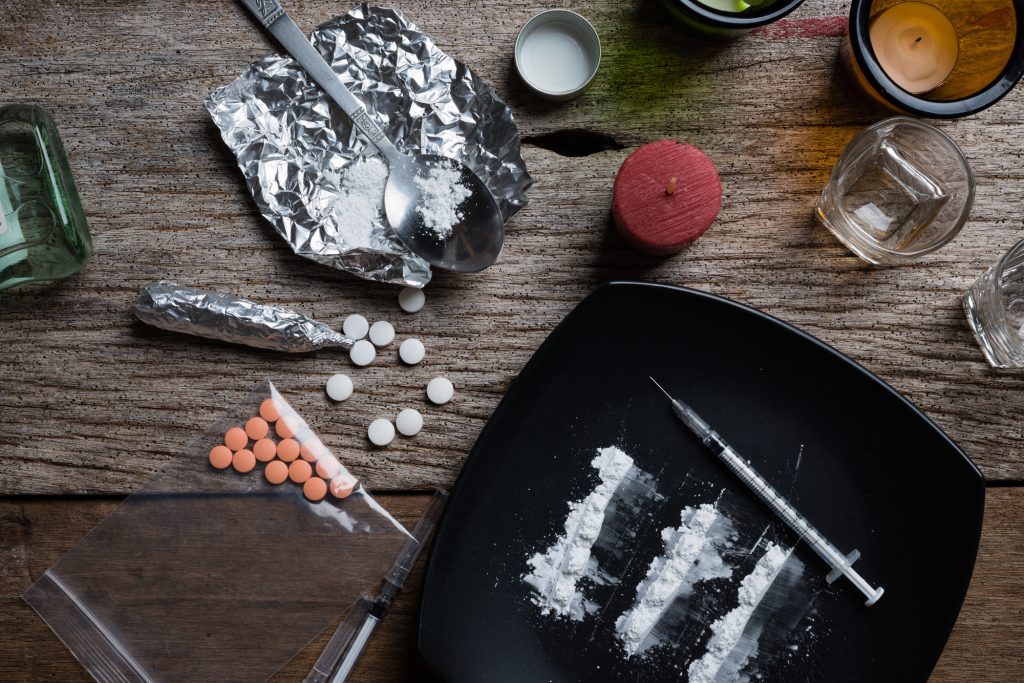
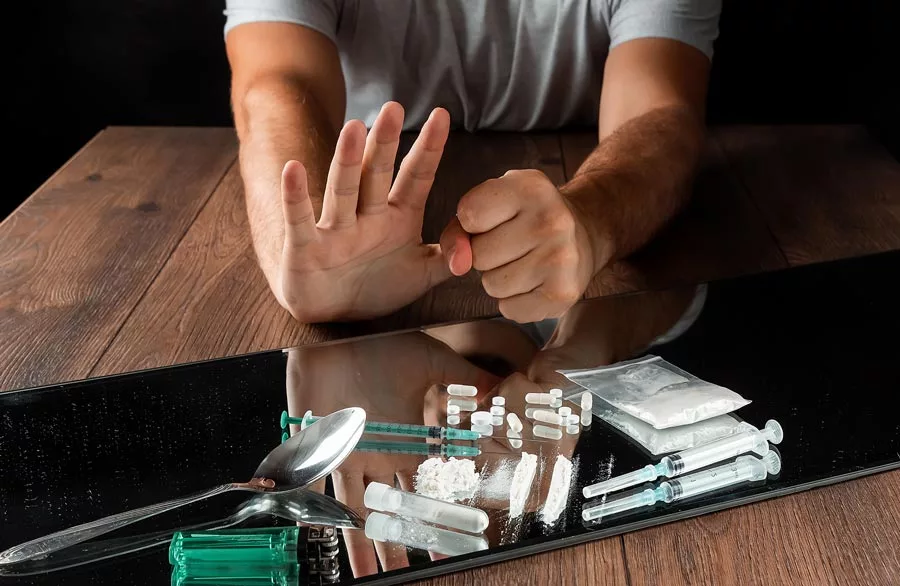
Most Addictive Drugs - Photo looking down on a table with an assortment of the most addictive drugs including Pills, Heroin, Cocaine and Alcohol.
alcohol, drugs, pills on a wooden background

1. Heroin

If you didn’t know what the most addictive drug in the world is, there you have it.

Heroin ranks as the most addictive substance, scoring 3 out of the maximum, three. Heroin is derived from opium poppy extracts.

Heroin is an opiate, mostly sold as a brownish or whitish powder. Users commonly smoke, swallow, or inject heroin into the veins.

The drug increases dopamine levels when taken. The activated opioids receptors produce a good-feeling sensation, relaxation, and blocks pain.

Users get into a dreamy state when heroin’s euphoric effects subside.

Heroin has extreme withdrawal symptoms, which make users continue using the drug.

Some of the withdrawal symptoms include diarrhea, vomiting, cold flashes, severe bone and muscle pain, uncontrollable movements, and restlessness.

Despite ranking as the most addictive, heroin is reported to be the second most dangerous drug due to the damage it has on society and the individual.

If you’re recovering from heroin addiction, you need to know how to stay away from common relapse triggers. Once you identify these relapse triggers, remaining sober won’t be such a struggle.

24 Hour Drug Rehab Hotline – Get Help Now

877-651-3366


2. Cocaine

When listing the most addictive drugs, cocaine is almost in the same category as heroin. Up to 14,000 Americans succumbed to cocaine overdose in 2017.

This was a 34% increase from the previous year. Clearly, cocaine’s popularity has been increasing in recent years.

Cocaine is a white crystal powder. Users inject, smoke, or rub the powder on their gums.

Crack cocaine has slight differences from the regular cocaine; it has a high potent nature, making one feel the effect more quickly than the typical variant.

Using cocaine gives users an intense euphoric feeling. The drug triggers the brain to produce dopamine, which makes one feel high.

With constant use, the body becomes tolerant of cocaine, and one has to increase the dose to achieve the desired excitement, happiness, and high energy.

As the drug continues to wear off, users experience anxiety, anger, and depression.

As a resultant, users become dependent on the drug. Continued snorting of cocaine can lead to a constant runny nose, swallowing difficulties, nosebleeds, and loss of smell.

3. Nicotine

The use of tobacco involves chewing, sniffing, and smoking products that have nicotine. Tobacco products that contain nicotine include cigars, cigarettes, bidis, and hookah products.

A significant number of teenagers and adults smoke these products.

Administering nicotine in the body leads to the release of endorphins.

While the surge is incomparable to other drugs, increased use raises dopamine levels in the user’s body. Long-term exposure to nicotine prompts the brain to seek more of this drug.

Nicotine is amongst the addictive drugs that kill. It narrows the arteries and hardens the arterial walls, which can lead to a heart attack.

Besides the cardiovascular effects, nicotine increases the risk of gastrointestinal and respiratory conditions.

When one tries to quit smoking, withdrawal symptoms such as headaches, mood swings, and anxiety can be a hindrance.

The symptoms are severe, and users often relapse. Besides, nicotine products are easily accessible, which makes their addiction common.

Immediate Placement Alcohol Rehab – Get Help Now

877-651-3366


4. Alcohol

Global alcohol consumption per capita is projected to increase by 17% within the next decade.

Despite the rising cases of alcohol-related disorders, more adults are taking alcohol without flinching. Alcohol is in the category of the most addictive drugs, not only in the US but also globally.

The use of alcohol in a social setting makes it seem less harmful as compared to other hard drugs.

Yet, it increases the risk of liver diseases, cancers, and cardiovascular disorders. Alcohol alters one’s judgment, which prompts users to engage in risky behaviors such as explicit sex and drunk driving.

Consumption of alcohol increases dopamine levels, which gets users excited. However, continued use ultimately leads to dependence.

The extreme withdrawal systems such as severe headaches make alcoholics to fall back.

If you’ve been experiencing withdrawal symptoms or can’t go a day without alcohol, it’s probably time to go to rehab.

The willpower to check into rehab isn’t always present. But if you have several troubling signs, going to rehab will give you better control of your life.

Most Addictive Drugs - Photo of several alcoholic drinks in glasses of all sizes and types. Alcohol is one of the most addictive drugs.
Photo of several alcoholic drinks in glasses of all sizes and types.

5. Methamphetamine

Methamphetamine is one of the highly addictive psycho-stimulant drugs. Despite being illegal, thousands of people use it for the euphoric effects. Meth raises the levels of norepinephrine and dopamine in the brain.

Meth users inject, ingest, snort, or smoke this illegal drug. The intense rush and euphoric high can last up to 24 hours. The effects of meth last more than cocaine.

Methamphetamine can be made using available ingredients, which means it’s cheaper. Some of the street names for this drug include crystal, chalk, ice, speed, and rank.

Meth has high neuro-toxicity, which can have damaging effects on the serotonin and dopamine neurons in a user’s brain.

This toxicity further increases when a person combines the drug with opiates, cocaine, and alcohol. Regular use of methamphetamine might lead to irreversible functional and structural changes in the body.

When you follow the steps to overcome addiction, you can be free from this highly addictive drug. However, it is essential to acknowledge that meth addiction is one of the most difficult drug addictions to treat.

Support from family and friends can go a long way in the process of recovery.

24/7 Rehab Hotline – Get Help Now

877-651-3366


6. Barbiturates

Barbiturates are in a category of drugs referred to as sedative-hypnotics. While the drug is typically in the form of a pill, users inject it in its liquid form.

These drugs were initially used to decrease anxiety and induce sleep in the 1960s.

However, an incorrect dosage can be dangerous. In extreme cases, overdosing on barbiturates can cause death or coma.

When used minimally, the drug can cause euphoria. Barbiturates are highly addictive.

Fortunately, these drugs are rare, unlike in the past. Doctors have replaced the prescriptions with benzodiazepines, which play the same sedative-hypnotic role. The latter is safer than barbiturates.

Continued use of barbiturates can cause tolerance development. Abuse of this drug might lead to an overdose. A coma, dilated pupils, shallow breathing, and clammy skin are some of the overdose signs you need to observe.

Discontinuing barbiturates exposes a person to a myriad of side effects.

Some of the notable withdrawal symptoms include insomnia, anxiety, dizziness, psychosis, and seizures. If untreated, barbiturates lead to circulatory failure, hypothermia, and death.

7. Methadone

Methadone is under the category of opioids. When analyzing some of the most addictive drugs, opiates rank first in this category.

This drug has been highly effective in treating extreme pain.

Besides, some doctors use it to treat heroin addiction. You can take methadone as a liquid, powder, or tablet.

While doctors prescribe this methadone in some cases, people still take it illegally by injection.

Constant use of this drug can cause addiction. Some of the side effects of methadone include hallucinations, light headedness, breathing difficulties, and chest pains.

Your body might adapt to the calming effects of methadone. When you get to the drug tolerance stage, addiction might be imminent.

It is advisable to seek medical help if you find yourself taking more methadone than what’s recommended.

8. Cannabis

Cannabis, also known as weed or marijuana, is another common addictive drug.

This drug is a mixture of dried stems, leaves, and flowers of the Cannabis Sativa plant. People using cannabis smoke it via a pipe or as a cigarette.

Weed induces the central nervous system, leading to the production of sensations such as mild euphoria, wrong perception of time and space, relaxation, and increased appetite. Cannabis is addictive. Yet, eleven states have legalized its recreational use.

One of the behavioral symptoms of cannabis includes losing interest in activities that you previously enjoyed. Withdrawal from friends and secrecy are other signs of cannabis addiction.

Declining performance at work and school can also result from consistent use of weed.

Cannabis addiction leads to physical symptoms such as dry mouth, bloodshot eyes, poor coordination, fatigue, and lack of attention.

Free Insurance Verification for Rehab – Get Help Now

877-651-3366


Most Addictive Drugs Have Several Withdrawal Symptoms

Drug users trying to reform often face extreme withdrawal symptoms.

With such relapses, doing away with most addictive drugs isn’t usually easy.

If you have a friend or family member who’s deep in addiction, supporting them can help a great deal.

It would be best to walk with such people through rehab so that they can transform.

Some of the long term implications of these drugs are fatal. Rehabilitation can save a soul.

Do you need an addiction counselor?

Contact us today.

Our team of qualified medical staff will walk with you or your loved one until you recover.
This is What You Need to Know About Quitting Cold Turkey

What is Better Quitting Cold Turkey or Slow Over Time?

Do you struggle with an addiction? Do you want to quit, but just can’t find a way? Do you wonder if it’s better to do it “cold turkey” or slower over time?

The most difficult addictions to overcome, in order of difficulty, are nicotine, opioids, benzodiazepines, alcohol, and cocaine.

The 2018 National Survey on Drug Use and Health looked at how many individuals used tobacco, alcohol, or illicit drugs.

The report showed that about 164.8 million Americans over the age of 11 stated they had used in the past month.

You are not alone in your fight to become sober. Once you quit, you will still have to find the strength to remain sober. Continue reading to learn about “going cold turkey” to overcome an addiction.

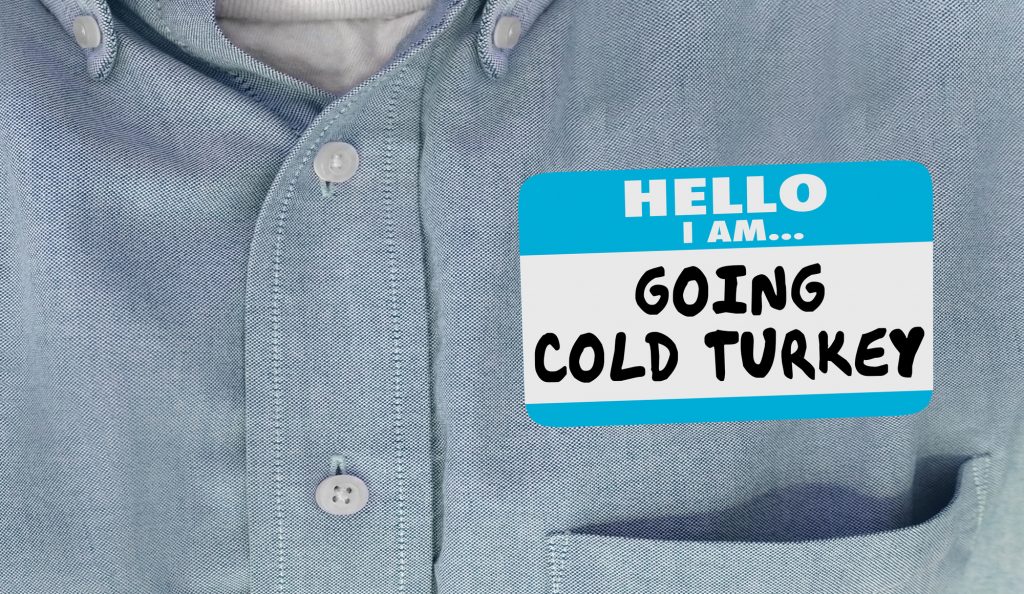
Cold Turkey - Hello I Am ... Name Tag Words "Going Cold Turkey" in black marker.
Going Cold Turkey Hello Name Tag Words 3d Illustration

“Quit Cold Turkey” Meaning Defined

When did this phrase “quitting cold turkey” start? The earliest known use of this phrase was in The Daily Colonist newspaper in 1921. This phrase describes the abrupt stopping of an activity that’s considered harmful.

It may have originated from the phrase “talking cold turkey”. This described a time when a person was direct and blunt.

Another explanation is that cold turkey is a quick dish to serve. There’s no need to spend time cooking. Thus, it’s an abrupt meal to serve.

Today, when you quit cold turkey, it means you stop a harmful habit immediately. There’s no weaning down period.

24/7 Rehab Hotline – Get Help Now

877-651-3366


Benefits of Quitting Cold Turkey

A 2016 study comparing quitting smoking slowly vs. cold turkey. It was published in The Annals of Internal Medicine.

The study participants were divided into 2 groups. Group 1 quit abruptly and Group 2 decreased smoking by 75% over 2 weeks before they quit.

Both groups used nicotine supplements during and after quitting. At 4 weeks, 39.2% of Group 2 remained abstinent compared to 49.0% of Group 1. At 6 months, 15.5% of Group 2 were still abstinent while 22.0% of Group 1 remained smoke-free.

This study concluded that stopping cold turkey lead to longer success with quitting smoking.

The Difficulty with Going Cold Turkey?

The hardest part of stopping the use of an addictive substance is managing withdrawal symptoms.

The effects may last weeks, months, or even years. Each person has a different experience and coping mechanisms.

Withdrawal symptoms depend on the substance and length of addiction. It’s important to understand that this only describes the physical symptoms.

Other emotional and behavioral triggers accompany addictions.

Opioids or Opiates

Withdrawal symptoms often last 72 hours to about 5 days.

They include:

  • Aching muscles
  • Restlessness and anxiety
  • Teary eyes and runny nose
  • Excessive sweating
  • Trouble sleeping and frequent yawning
  • Diarrhea and stomach cramping
  • Nausea and vomiting
  • Goosebumps on the skin
  • Dilated pupils and blurry vision
  • Increased heart rate
  • High blood pressure

After about a week, these physical symptoms decrease.

Immediate Placement Drug Rehab – Get Help Now

877-651-3366


Benzodiazepines

When stopping benzodiazepines, many people experience “rebound” symptoms. This often begins between 1 and 4 days of stopping use.

Depending on how often and how much you used, symptoms can last up to 10 days.

Rebound symptoms include:

  • Problems sleeping
  • Increased anxiety and tension
  • Panic attacks
  • Trouble concentrating
  • Excessive sweating
  • Heart palpitations
  • Headache
  • Stiffness or pain in muscles
  • Cravings
  • Tremors in hands

Severe addicts may experience hallucinations, seizures, psychosis or psychotic responses, and/or suicidal ideation.

Cocaine

Withdrawing from cocaine can make you feel so weak that you don’t feel like doing normal activities. Symptoms can include:

  • Restlessness, irritability, and agitation
  • Generalized discomfort
  • Strong cravings to use cocaine
  • Mental and physical exhaustion
  • Depression
  • Anhedonia which means not being able to feel joy or pleasure
  • Upsetting, dramatic, vivid dreams
  • Increase in your appetite
  • Decrease in motivation
  • Feeling sleepy much of the time
  • Decreased libido or sexual desire
  • Difficulty concentrating

Some people also have headaches and other physical symptoms. Some severe cases experience suicidal thoughts, hostility, and paranoia.

Cocaine Withdrawal Occurs in Three Stages

“The Crash” occurs in the first several hours to days. People feel severe depression, exhaustion, restlessness, and irritability. They may even think about suicide.

The second stage of withdrawal lasts one to 10 weeks. The person’s mood and ability to function improves. Yet they feel bored and lack pleasure.

They often experience cocaine cravings, irritability, low energy, inability to concentrate, and sleep disturbance. At this point, there’s a high risk of relapse.

The last stage, extinction, includes extreme cocaine cravings the come and go. People also experience mood swings during this phase which can last up to six months.

The length and amount of cocaine use impact the severity of the withdrawal symptoms. For most people, withdrawal symptoms last between one and two weeks.

Alcohol

Free Insurance Verification for Alcohol Rehab – Get Help Now

877-651-3366


Often, alcohol withdrawal symptoms manifest in the following timeline.

In the first 6 to 12 hours after stopping alcohol, the person may feel agitated, anxious, shaky, and nauseated. They may also have headaches and vomiting.

In the following 12 to 24 hours, they often experience disorientation, hand tremors, and seizures. The symptoms increase after 48 hours without alcohol.

Symptoms include seizures, insomnia, high blood pressure, and hallucinations. They may also have a high fever with excessive sweating and delirium tremens.

Withdrawal usually stops in 5 days but may continue longer for some people.

The severity of withdrawal depends on the frequency, amount, and length of time of a person’s addiction. Other medical problems can also increase symptoms.

Cold Turkey - A man is exercising in his home. He has stopped drinking cold turkey and uses exercise to get past the withdrawal.
A man is exercising in his home.

Strategies for Coping During Withdrawal

There are steps you can take to help overcome withdrawal symptoms. Each person is unique and responds differently to withdrawal and coping mechanisms.

Following is a list of strategies to try when undergoing withdrawal:

  • Exercise regularly
  • Ask your practitioner about medication to help with the withdrawal symptoms
  • Surround yourself with positive, supportive people
  • Avoid being around people who are using your addictive substance
  • Stay away from places or situations that act as triggers for your addiction
  • Talk with your practitioner before you take any other medications
  • Plan a daily schedule that involves engrossing and distracting activities

The most important point is to have a support system when you quit. Don’t try to do it alone.

Support After Quitting Cold Turkey

Johan Hari, a British journalist said, “The opposite of addiction is not sobriety; the opposite of addiction is connection.”

Addiction often drives a wedge in healthy relationships. This leads to increased isolation, anxiety, and depression.

The addicted individual spends more time with people engaged in the same destructive behavior. Soon, it feels like they have no other options.

Thus, one of the keys to addiction recovery is to reconnect with positive people. Engaging in groups of recovering addicts provides a bond with others facing the same struggle to stay sober.

These relationships provide the following.

Immediate Placement Alcohol or Drug Rehab – Get Help Now

877-651-3366


Accountability

One of the hardest steps in recovery is not taking that first drink or drug.

Once the individual leaves rehab, it’s important to stay in contact with counselors or peers. This provides support to help you stay sober.

Prevent Loneliness

Many recovering addicts may have lost their former community groups. Family and friends may not want them around anymore.

Sponsors and peers can relieve feelings of loneliness that could lead to a relapse.

Increased Hope

Participating in a rehabilitation program provides education to help you stay sober. They also teach coping mechanisms including how to avoid and cope with triggers.

They also celebrate successes and provide a sense of hope.

Maintain Positivity

Many former addicts have a poor self-image and lack self-confidence. Counselors and sponsors can help change those negative inner monologues.

They help individuals identify and redirect these thought processes.

Learn New Ways to Have Fun

For many addicts, their perception of having fun involved using the addictive substance.

Rehab programs develop new interests and skills that increase joy in people’s lives. When choosing to have fun, the addict must make choices that don’t act as triggers.

Increased Social Confidence

For many people who have experienced addiction, they don’t feel socially competent. In the past, they used the addictive substance as a buffer to manage social anxiety.

It’s important to work on improving social interaction skills without using a “crutch”.

Free Insurance Verification for Rehab – Get Help Now

877-651-3366


Are You Ready to Fight Your Addiction?

Are you or someone you know struggling with an addiction?

Are there conflicting opinions about whether going cold turkey or gradual withdrawal is better?

It may be time to talk with professionals at an addiction center.

Best Rehabs In Arizona provides effective, well-researched, cutting-edge addiction treatment.

For the past 25 years, we have focused on helping people recover from drug and alcohol addiction. We work with any other disorders you may have along with the addiction.

An important part of our care involves help transitioning back into society. There’s no instant cure.

We understand that ongoing support is imperative.

Our center believes that each person adapts, changes, and progresses in different ways and at different times.

You will experience a fun, safe, loving, and peaceful environment. All interactions are strictly confidential.

This atmosphere facilitates healing and develops connections.

Contact us today to ask questions about our program.

What’s a Sponsor in Recovery and What are the Benefits of Having One?

What’s a Sponsor do for Addiction Recovery?

If you’ve done any reading about addiction recovery, you’ve probably run across the idea of sponsors.

These are especially popular in Narcotics Anonymous and Alcoholics Anonymous, where the system is built to work with the help of a sponsor.

But what’s a sponsor, and what do they do?

A sponsor can be many things and can be crucial to your recovery.

From helping you find the resources you need to giving you home and motivation when you most need it, they can make your recovery easier and more successful.

Read on to learn more about what a sponsor is and how they can help you in recovery.

What's a Sponsor - Hand Writing Journey To Recovery with a marker over transparent board. Using a sponsor after treatment increases your odds to stay sober.
Hand Writing Journey To Recovery with a marker over transparent board

What’s a Sponsor?

Before we dive into all the benefits a sponsor can bring, let’s talk about what a rehab sponsor is. A sponsor can be many things: guide, cheerleader, confidant, accountability partner, and more.

They’re your mentor on the journey to sobriety, someone who has gone down that road before you and can help you along the way.

When you have questions about the recovery process, you can ask your sponsor. If an issue that you don’t feel comfortable discussing in a group comes up, you can talk to your sponsor about it.

When you’re tempted to relapse, you can call them and help find a different, healthier way to deal with what you’re feeling.

What Is a Sponsor Not?

There are a few things, however, that a sponsor is not. For that relationship to work well, there have to be a few boundaries drawn.

For one thing, a sponsor is not a spouse, romantic partner, or longtime friend; to successfully work with you, your sponsor needs to have a degree of separation from your life.

Your sponsor is also not your therapist, although you should work with a therapist during your recovery.

A therapist is there to help you get to the root of your problems and learn healthier coping mechanisms.

Your sponsor is there to help you stick to those new coping mechanisms and implement the tools you’ve learned in therapy in your life.

Immediate Placement Alcohol Rehab – Get Help Now

877-651-3366


How to Be a Sponsored

There are a few things you can do as someone who is sponsored to make sure you get the most out of the relationship with your sponsor.

For one thing, always show up to meetings with your sponsor.

If you’re going to beat addiction, you need to make it a priority in your life, and committing to showing up to meetings with your sponsor is a good way to do that.

Make sure to talk to your sponsor about their boundaries. Yes, they are there to help you when you need it, but they have to live their own life, too.

Ask them what times are okay to call, what to do during the times they can’t take calls, and what subjects they prefer to keep off-limits.

Get Shared Experience

Talking about addiction with someone who hasn’t experienced it can be difficult.

You may worry that they’re judging you, and even if they aren’t, there are things about that experience that they just can’t understand.

Having a sponsor who has been down the same road you have can help to fill that gap.

Talking about traumatic experiences with someone who understands can be very helpful, and your sponsor can provide you with that opportunity.

They know first-hand what it’s like to be an addict and just how challenging recovery can be. When they tell you you’re doing great, you can trust them, because they know the challenges you’re overcoming.

24 Hour Rehab Hotline –
Get Help Now

877-651-3366


Share Hope

In addition to sharing experiences, your sponsor can also share hope with you.

Yes, they’ve been down the same road as you, but they’re also further along the path.

They’re living proof that there is a way through and that things will get better with time.

It’s easy to say that things will improve, but when you’re fighting your way through withdrawal or recovery, you can’t always see that.

Your sponsor is living, tangible evidence that yes, things are hard right now, but they do get better. They can tell you when things will start looking uphill and keep you motivated to keep fighting.

Get Sympathy

Sometimes, however, what you need to hear isn’t, “Things will get better soon.”

Sometimes, where you are is so miserable that you just need someone to acknowledge that misery. Your sponsor can do that, too, and with more authority than anyone else in your life.

Your sponsor has fought the same fights and been through the same things you have. They know how hard recovery can be, and they can sympathize with you.

Just having someone acknowledge and validate the things you’re struggling with can make them easier to deal with, somehow.

Free Insurance Verification for Alcohol Rehab – Get Help Now

877-651-3366


Find Accountability

During those tough times, you may be tempted to give up on the fight. Relapse is common among addicts precisely because of this reason.

Previously, drugs have been how you coped with bad times, and now you’re not only coping with the struggles of life, but also the challenges of recovery, and all without your usual coping mechanism.

Your sponsor can help keep you on the straight and narrow and give you a reason not to relapse.

Just knowing that someone will be checking in on you, will be disappointed if you fall off the wagon, and will be proud of you if you persevere can be enough to keep you going.

It’s also a lot harder to ignore the negative consequences of giving in to your addiction if you have to tell someone about it later.

Get Resources

No one goes through recovery alone; it’s too much of a struggle, and you need too much support.

A lot of that support may come from your loved ones, your recovery group, and your sponsor. But you may need additional resources and support outside of those people.

Your sponsor can help you find the resources you need to stay sober. They’re familiar with the rehab system and they know what options you have available to you.

They may be able to get you everything from books to read to inspire you to stay sober to contact information for doctors who have experience working with addicts.

What's a Sponsor - A group is taking karate lessons. In recovery it is recommended you find hobbies to keep yourself busy.
A group is taking karate lessons.

Step Outside Your Comfort Zone

When you’re in recovery, stepping outside your comfort zone is very important. For too long, your comfort zone has been taking refuge in drugs, hiding from something in your life.

Now that you’re getting sober, you need to push your boundaries and find new ways to handle the bad things that come up in your life.

Your sponsor can help you to push outside of that comfortable cocoon.

They may be able to suggest new hobbies that can fill the hole in your life that drugs used to fill, or they may encourage you to go to therapy and start confronting challenging ideas about your life.

They can push you to be the best possible version of yourself so your recovery becomes a quest for self-improvement.

24 Hour Rehab Hotline –
Get Help Now

877-651-3366


Get Motivation

There are going to be times on your journey to sobriety when you feel like quitting.

You’re going to feel like you don’t have anything left to fight with, like you’re fighting a losing battle that’s never going to stop.

You’re going to want to give up, give in, and let your addiction wrest back control of your life.

During these times, your sponsor is there to stand beside you and give you the motivation to keep fighting. They’ll remind you why you quit in the first place and help you see how far you’ve come.

They’ll help you see the amazing things sobriety has brought to your life and get you back on your feet, ready to keep going into another day.

Avoid Pitfalls

Because your sponsor has been down this road already, they know what the recovery pitfalls are.

These are the things that tempt you and make relapse more likely. Knowing what these dangers are before you pass them can help you stay in recovery.

Your sponsor may recommend that you get involved in an activity that fills up your evenings so you don’t find yourself at loose ends. They may recommend avoiding certain things or sending out certain messages to your family before gatherings so you minimize temptations.

They may also know when things are likely to get hard and give you resources to deal with those bad times.

24/7 Alcohol Hotline
Get Help Now

877-651-3366


Find a Sponsor

Knowing the answer to the question, “What’s a sponsor?” can help you have a more successful recovery.

Your sponsor is there to cheer you on and give you a preview of what’s coming down the road. They can get you the resources you need, provide motivation when it’s lacking, and keep you accountable through your recovery journey.

If you’d like to start on your road to sobriety, come see us at Best Rehabs In Arizonas.

We have programs for everyone from alcoholics to heroin addicts, and we can help you find the support you need.

Contact us today to start on your road to recovery!

The Long Term Effects of Drug Use: How Cocaine Impacts the Body

Long Term Effects of Drug Use

In the United States today, there are more than 1.5 million cocaine users over the age of 12.

Most of us know cocaine is tremendously addictive and can have some nasty short-term side effects.

But what happens when you take this drug for years on end?

The long-term effects of drug use can be far worse than the short-term effects, as bad as those are.

Ranging from paranoia to psychosis to brain damage and death, people who use cocaine for years are facing a number of dangerous health conditions.

Read on to learn more about cocaine and the long term effects of drug use.

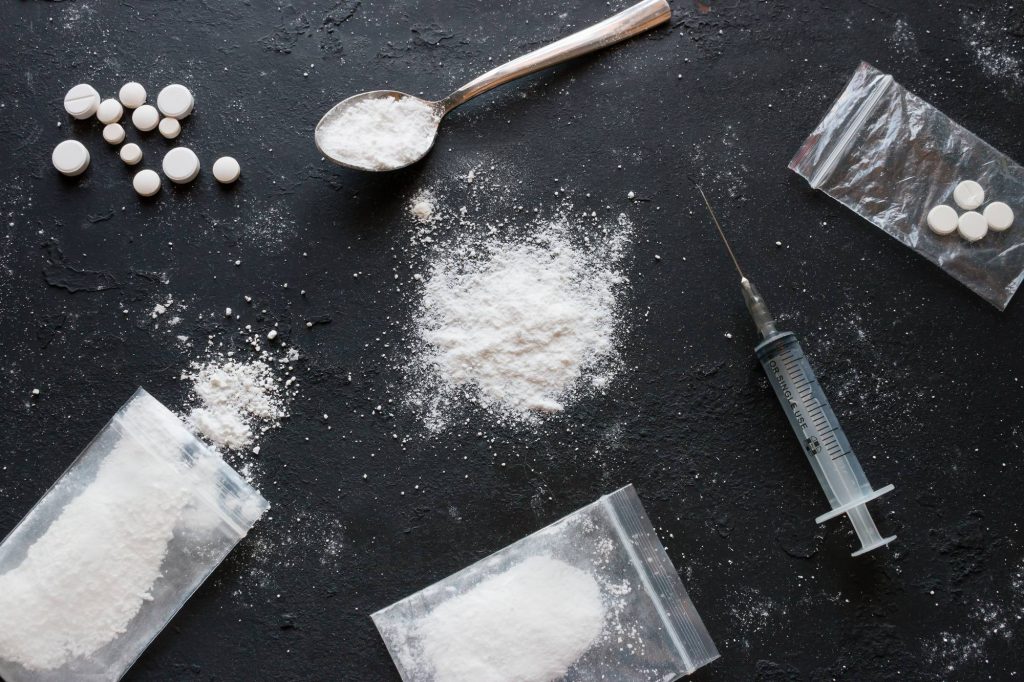
Long Term Effects of Drug Use - Set of different drugs - powder and pills and a syringe on a black background. Learn about the Substance Abuse treatment options at Best Rehabs In Arizona in Arizona.
Set of different drugs – powder and pills and a syringe on a black background

What Is Cocaine?

We’ve all heard of cocaine, but before we get too far into the long- and short-term effects, let’s talk about what cocaine actually is.

Cocaine is a stimulant that comes from the coca plant, a species that’s native to South America.

You may have heard of it by the names coke, snow, rock, blow, or crack.

Cocaine comes in a few different forms, though the one most of us are familiar with is the white powder.

It may also show up in a solid rock crystal form.

Some cocaine users may snort the powder form of the drug, while others dissolve it in water and inject it into their veins; still, others heat up the crystal form and inhale the smoke.

Immediate Effects

When you take cocaine, your body releases high levels of dopamine, a hormone that’s linked to the pleasure and reward centers in your brain.

This extreme euphoria is what we call a high. And because cocaine is a stimulant, you may also get a rush of energy from taking the drug.

Immediate side effects of cocaine can include intense emotions, including happiness, anger, or paranoia.

You may experience extreme sensitivity to sensory input, including touch, sound, and visual cues. And you may notice that you aren’t hungry on your usual schedule.

Immediate Placement Drug Rehab – Get Help Now

877-651-3366


Addictive Potential

Because of the massive dopamine release cocaine causes, it’s extremely addictive.

Our brains are hard-wired to do things that activate those pleasure centers in our brain; under normal circumstances, that may include exercise, interacting with loved ones, eating something sweet, or petting an animal.

But when you get that high from cocaine, your brain automatically wants more of that rush.

In addition to this intense pleasure, cocaine also makes the parts of your brain that handle stress extra-sensitive. So when you aren’t taking the drug, you feel even more miserable and stressed, making you crave that high even more.

You may start pursuing that high over even basic necessities like food, relationships, and other natural rewards.

Higher Tolerance

One of the major effects of long-term cocaine use is that you build up a tolerance to the drug.

The more of it you take, the more resistant your brain becomes to that rush of dopamine. This means that in order to get that same high, you have to take more and more cocaine.

Over time, the amount of cocaine you have to take to feel the same pleasure can become fatal.

Meanwhile, your stress pathways are becoming more and more sensitive, making you feel like you have to have the drug to live. And to a degree, this can be true; withdrawal from cocaine can be extremely dangerous and even toxic without medical intervention.

Temperament Changes

In addition to the short-term effects, long-term cocaine use can start to cause side effects of its own. One of the first noticeable signs can be a change in temperament.

As those stress pathways become more and more sensitized, you may notice a change in your temperament. As your cocaine use increases, you may notice that your temper is on more of a hair trigger than usual.

You may find yourself getting irritated at smaller and smaller things throughout your day. You may also have trouble settling to one particular task as you become more restless.

24 Hour Drug Rehab Hotline – Get Help Now

877-651-3366


Panic Attacks

This irritability can start to spill over into paranoia as time goes on. You may feel like everyone’s out to get you or you’re about to be attacked at any moment.

Your paranoia may even be related to your addiction, as you worry that people around you may know that you’re using cocaine. That paranoia can turn into full-blown panic attacks as time goes on.

In order for an episode to qualify as a panic attack, it must include at least four of the following symptoms:

  • Accelerated heart rate or palpitations
  • Sweating
  • Trembling
  • Shortness of breath
  • Feeling like you’re choking
  • Chest pain
  • Nausea
  • Dizziness
  • Chills
  • Numbness or tingling
  • Feelings of unreality
  • Fear of losing control
  • Fear of dying.

You may also experience limited-symptom panic attacks that include fewer than four of these symptoms.

Long Term Effects of Drug Use - He has been doing cocaine for so long the long term effects of drug use are getting worse every day.
A man sits on the couch after snorting some cocaine.

Psychosis

In some extreme cases, long-term cocaine use can lead to full-blown psychosis. Psychosis is an often-misused term, so let’s take a moment to look at what it means.

Psychosis is a mental disorder that’s characterized by a loss of touch with reality. This can be as limited as believing the world is hiding dangerous secrets and you’re the only one who sees them.

It can also be as extreme as having full-on auditory and/or visual hallucinations. Psychosis from cocaine use can be dangerous, as you may start to act on those false beliefs. You may harm yourself or others during these delusions.

Loss of Nasal Function

In addition to the mental and emotional side effects of cocaine, you’ll also experience some physical side effects. To some degree, this depends on how you use the cocaine.

For instance, if you mostly snort cocaine, you’ll start to notice a loss of nasal and sinus function. You may notice first that your sense of smell is diminishing or that you’re getting nosebleeds more frequently than usual.

Your septum may start to get irritated, and you may have a runny nose all the time. You may also start to have problems swallowing and experience some hoarseness.

24/7 Rehab Hotline – Get Help Now

877-651-3366


Lung Damage

If you smoke the rock crystal form of cocaine, your physical side effects will be less nose-based. Instead, you may start to see damage to your lungs. This can come in part from the damage that results from smoking any substance, but smoking cocaine can cause specific damage.

If you have asthma, smoking cocaine will make it worse. You may find that you’re short of breath, especially after something like jogging for a short distance or going up a flight of stairs.

You may develop a chronic cough, and you could even develop eosinophilic pneumonitis, a disease whose symptoms can include fever, difficulty breathing, chest pain, and even death.

Infectious Diseases

If you inject cocaine, you’re inviting a whole host of problems related to using dirty needles. One of the most notorious of these is human immunodeficiency virus, or HIV, a disease that destroys your white blood cells.

HIV can also lead to auto-immune deficiency syndrome, a chronic condition that can be life-threatening if not treated correctly.

In addition to HIV and AIDS, you’re also putting yourself at risk of catching Hepatitis C. Hep C is the most dangerous form of hepatitis and can cause serious liver damage or failure.

The worst part is because Hep C doesn’t have many outward symptoms, you may not know you have it until it’s far too late and your liver is beyond hope.

Heart Damage

Cocaine use in any form can also cause serious damage to your heart and your cardiovascular systems. Your heart becomes inflamed with long-term use of the stimulant, which can make it harder for your heart to pump.

This can lead to tears in your aorta, as well as a host of other issues. Long-term cocaine use puts you at a much higher risk of stroke and seizures.

You may experience ulcers as your gastrointestinal tract struggles to get enough blood. And you might see bulging or bleeding in your brain, as well as several other forms of permanent brain damage.

Free Insurance Verification for Rehab – Get Help Now

877-651-3366


Learn More About the Long Term Effects of Drug Use

The long term effects of drug use, and cocaine use, in particular, are serious and can be deadly.

At best, you can expect a long road struggling to break free of the addictive power of the drug. At worst, you could experience a painful death or a lifetime of brain, heart, liver, and lung damage.

If you’re struggling with a cocaine addiction and you would like to break free, come see us at Best Rehabs In Arizona.

We can help you through the withdrawal process and get you started on a path to a healthier, addiction-free life.

Contact us today to take the first step to freedom.

Is it Possible to Live a Completely Sober Life?
This is What to Know

Live a Sober Life with Benefits

When it comes around to Friday or Saturday night, many of us have a routine.

We come home from work, get dressed up, and head out for a good time with friends.

Or maybe we sit down to dinner with a bottle of wine or a couple of beers, or maybe we go over to a friend’s house and smoke a joint.

Alcohol and drugs are so ingrained in our culture that living a completely sober life seems impossible.

But not only is this possible, but it can also come with some amazing benefits. Read on to learn more about how to live a sober life and what great things it can bring you.

Sober Life - Female hand rejecting glass with alcoholic beverage on blurred background. Best Rehabs In Arizona in Arizona has an Alcohol Rehab program to help you live a sober life.
Female hand rejecting glass with alcoholic beverage on blurred background

Have Honest Fun

Let’s start off with a simple answer to the question: sober living is possible, and it can bring a number of amazing benefits with it. For one thing, once you’re living sober, you’ll start to have more good, honest fun.

In our culture, there is an idea that you have to be drinking to have fun, but that simply isn’t true.

Think about all the amazing things you could be doing when you’re spending time in a bar, getting high, or drinking at home.

If the sun’s up, you could explore national parks or local museums, and at night, you and your friends could try different cuisines, go see local shows, or have a game night at home.

And best of all, unlike when you’re drinking or using drugs, you’ll remember every bit of fun.

Learn Healthy Coping Mechanisms

In our society, when things go wrong, people tend to turn to substance abuse as a coping mechanism. Everything from media to friends tells us that the response to a bad day at work is to have a stiff drink.

At the end of the week, we blow off steam and release some stress by tossing a few back or getting high with our friends.

But none of these coping mechanisms is healthy, and none of them get to the root of the issue. When you’re sober, you turn to healthier coping mechanisms like exercise, meditation, journaling, spending time with friends, and attending therapy.

And think about how much better it would feel to wake up on a Saturday morning, not hungover and crawling to the bathroom, but refreshed and ready to strap on your running shoes and go for a jog.

Immediate Placement Alcohol Rehab – Get Help Now

877-651-3366


Find Your Real Friends

One of the big barriers to sobriety for many people is a concern that they’ll lose their friends. After all, if you’re sober, it’s hard to hang out with friends who only hang out in bars or get high.

And since you can’t make lifestyle choices for anyone else, you may not be able to ask them to start doing something else.

We won’t deny that you may lose a few friends during your journey to sobriety. But here’s the good news: you’ll discover who your true friends are along the way, and you’ll have deeper and more genuine relationships with those people.

You become like the five people you spend the most time with, and once you start spending time sober, you’ll discover people who lead you to a better lifestyle.

Set Your Priorities Straight

When you’re using drugs, alcohol or otherwise, your priorities in life become warped. That substance starts to act like gravity, and your need for it pulls everything in your life out of perspective.

You may find that you aren’t where you want to be in your relationships, your career, or your personal achievements.

Once you start living sober, you can set your priorities back in line. You no longer have that substance demanding your time and resources, so you can start looking with fresh eyes at what you want in life.

You can rediscover what’s truly important in life and take steps to make that a priority in your daily routine.

Free Insurance Verification for Rehab – Get Help Now

877-651-3366


Discover New Opportunities

Drinking or getting high puts you in a haze in your life, and you may find that you’re missing out on some amazing opportunities. Maybe you’re stuck in a dead-end job because you can’t manage to go above and beyond in your performance.

Maybe you’re in a relationship that’s going nowhere because you can’t see how you could get anything better.

But once you’re sober, those doors start to open back up again. You have more energy and resources to put into doing the best work you can at your job, and you discover that you don’t have to stay in that toxic relationship.

You can begin to move onto better things in your life without the distraction of substance use weighing you down.

Become Financially Free

One of the consequences of drug use we don’t think about very often is the financial impact. Drinks are expensive, and drugs no less so.

You may be spending a lot of your money every week on alcohol or drugs, and that means you have a lot less money to spend in the important areas of life.

Imagine how much money you would have at the end of a year if you took the money you’re spending on drinks or drugs and put it into a savings account.

How long would it be until you could make a down payment on a car or go on a nice trip? How much longer until you could pay off all your debt or buy a house?

Sober Life - A man living the sober life does yoga in the desert. Since he has become sober he takes care of himself and enjoys the things around him.
A man does yoga in the desert.

Learn to Love Yourself

Oftentimes, when we’re drinking or using drugs, it’s because we don’t feel like we’re able to cope with life on our own. We may feel weak or unloved, and so we use these substances to cope.

And if you’ve tried getting sober in the past and failed, that may be weighing on you as proof that you aren’t good enough.

But as with every other area of your life, once you’re sober, you’ll be able to see yourself more clearly. You’ll start to see all the wonderful things you’ve done in your life and the beauty you live in each day.

You’ll also be able to take pride each day in the fact that you’re making the best choices for your life and your health.

24/7 Rehab Hotline –
Get Help Now

877-651-3366


Help Others Around You

Once you’re on the path to sober living, you’ll also be gifted with a tremendous opportunity: the chance to help others around you.

For one thing, you’ll have more resources to contribute to things like volunteering or donating to charities if you wish. But you can also act as a role model to others working to get sober.

When you’re getting sober, you may have a role model or sponsor who helps you along the way. This person serves as an inspiration and a guide through the toughest parts of your journey.

And eventually, you may be able to play that role for someone else, helping them to unlock their best life.

Take It One Step at a Time

So how do you go about pursuing all these benefits of the sober life? One of the big tricks is to take things one step at a time.

If you’re dealing with an addiction, consider seeking treatment and help with both the withdrawal process and the steps to come.

From there, take things one little step at a time. However long you think you can go without drinking or using drugs, do that, and then tackle the next section of time.

This may mean taking things one hour at a time, but if you string enough consecutive hours together, eventually, you have a lifestyle of sobriety.

Find New Hobbies

When you’re getting sober, you may suddenly find that you have a ton of time on your hands. During the time you used to drink or get high, you’re now at loose ends.

And it’s very important to fill that time or it can become easy to slip back into old habits.

Pick up some new hobbies to fill that extra space in your life. For some people, this means working out, and for others, it’s volunteering.

You may get involved with a D&D game in your area or start learning woodworking or cake decorating or start attending improv or ballroom dance lessons in your area; pick something that sounds fun to you, and roll with it!

Be Kind to Yourself

Most of all, during this time, you need to be kind to yourself. Remember, one of the goals of getting sober is to feel better about yourself. And there may be setbacks during this time, but it’s never too late to get up and try again; in fact, you’ll be stronger for doing so.

Take time out for self-care during this time in your life. Reward yourself for hitting certain milestones, and don’t beat yourself up if things go off the rails for a bit.

Surround yourself with people who support you, and do your best to be good to yourself on your journey to sobriety.

Immediate Placement in Rehab – Get Help Now

877-651-3366


Learn How to Live a Sober Life

Living a sober life can be a challenge, but it’s one that’s more than worth the effort.

You’ll find yourself more fulfilled, happier, more connected, and better off than when you were drinking or using drugs.

Find the support you need, and be gentle with yourself as you journey down the path to a sober life.

If you’d like to start on your sober living journey today, reach out to us at Best Rehabs In Arizonas.

We treat a variety of addictions, ranging from alcoholism to heroin, meth, and prescription pill addictions.

Contact us today to start on the path to living a better life.

Can Babies Be Born Addicted to Drugs?

Using drugs during pregnancy is dangerous for both the mother and the baby.

Unfortunately, many mothers who are addicted to drugs do not stop using them during their pregnancies. Many try to quit for the duration of their pregnancies but find they cannot.

When mothers cannot stop using drugs while they’re pregnant, their babies suffer in many ways.

But can babies be born addicted to the drugs that their mothers are or were using?

Here’s all the information you need to know about babies born to drug-addicted mothers.

Can Babies Be Born Addicted to Drugs? - Best Rehabs In Arizona - A pregnant woman lies in bed with a glass of water in one hand and a pile of pills in her other hand as she struggles with knowing: "Can babies be born addicted to drugs?"

Can Babies Actually Be Born Addicted to Drugs?

Addicted isn’t the right word for what happens to babies who are born to drug-addicted mothers.

Saying these babies are “born addicted” implies that they are born with the disease of addiction.

That implies that they will become addicts later in life. While addiction does have a genetic component, not all babies born to addicts will suffer from addiction themselves. So, babies of drug-addicted mothers aren’t really born addicted.

But many are born dependent on the same drugs that their mothers were using during pregnancy. Because the drug was delivered into the baby’s system via the umbilical cord, the baby becomes dependent on the drug while in the womb.

When they are born, they are still dependent on the drug. But it’s no longer being delivered into their system. Because of this, these babies usually experience symptoms of drug withdrawal. This withdrawal is called Neonatal Abstinence Syndrome (NAS).

What Happens When a Baby Has NAS?

When a baby has NAS, they experience withdrawal symptoms. These symptoms are much like the symptoms adults experience when they go through withdrawals.

The extremity of the withdrawal symptoms varies from baby to baby. Some babies are just extremely fussy since the lack of the drug in their system is an uncomfortable shock. Others will experience extreme symptoms like seizures, and some even die. Other symptoms of NAS include diarrhea, fevers, tremors, vomiting, trouble feeding, and trouble breathing.

When a baby experiences Neonatal Abstinence Syndrome, they need an extended hospital stay to recover. The majority of babies born drug-dependent are admitted to the Neonatal Intensive Care Unit (NICU) as soon as they’re born. In the NICU they receive treatments to ease their discomfort and address their NAS.

How is NAS Treated?

The treatment for Neonatal Abstinence Syndrome depends on the extent of the baby’s withdrawal symptoms.

Some babies whose symptoms are relatively minor need very little medical treatment. These babies often just need to be made more comfortable. Swaddling, rocking, skin-to-skin contact, and limiting exposure to light and noise often help to calm babies who are fussy and uncomfortable from their withdrawal symptoms.

Babies with more serious symptoms like trouble breathing may be given medical interventions like breathing tubes. Babies who have seizures may be given pharmaceuticals to wean them off the drugs they were dependent on.

Pharmaceutical intervention is avoided whenever possible because it exposes the baby to more drugs. But when the withdrawal poses a serious risk to the baby, weaning them off with pharmaceuticals may be the only option.

Babies that are born drug-dependent often need to stay in the hospital for a long time. This can negatively impact their ability to bond with caregivers. It’s essential for babies born drug-addicted to get lots of attention and be held as much as possible so that they can start to bond. Ideally, this would be done by their biological parents.

Unfortunately, many babies that are born to addicted mothers are separated from their parents at birth. Since their parents aren’t present to provide them with attention and physical touch, this falls to hospital staff and volunteers in the NICU. This can negatively impact the baby’s ability to bond with their biological or adoptive parents later in life.

What are the Long term Impacts of NAS?

There isn’t a lot of research about the long-term impacts of Neonatal Abstinence Syndrome.

Studies have shown that children born drug-dependent are more likely than their peers to struggle academically.

It’s unclear whether being born drug-dependent explains the academic struggles of these children. Another reason could be that children who are born drug-dependent are likely going home to an environment dominated by addiction.

Children born to drug-addicted mothers are also more likely to deal with behavioral issues, developmental issues, and poor nutrition as they get older. But again, this may not be linked to the fact that they were born drug-dependent. These struggles could have much more to do with being raised by addicted parents.

Regardless of whether these struggles later in life are caused by being drug-dependent or not, it’s clear that babies who are born drug-dependent are more likely to face a difficult life.

How Common is it for Babies to be Born Drug-Dependent?

Unfortunately, the number of babies suffering from Neonatal Abstinence Syndrome has skyrocketed in the past 15 years. From 2004 to 2014 the number of babies experiencing NAS increased fivefold.

In 2014, about 32,000 babies were born drug-dependent and experienced withdrawal symptoms after birth. To put this number in perspective, that means that every 15 minutes a baby is born dependent on some kind of drug.

This increase makes tragic sense in light of the opioid epidemic that has ensnared the nation.

The number of pregnant women who entered treatment for opioid abuse increased from 2% to 28% between 1992 and 2012. And that’s just the number of women seeking treatment.

One of the main reasons for this massive increase in opioid abuse is the availability of prescription opioids. Many women begin taking the pills for a medical issue, become addicted, and find that they can’t stop even after getting pregnant.

Can Babies Be Born Addicted to Drugs? - Best Rehabs In Arizona - A young, pregnant woman is sitting with a counselor who specializes in addiction treatment for pregnant women and is asking questions, such as: "Can babies be born addicted to drugs?"

How Can NAS be Prevented?

Luckily, Neonatal Abstinence Syndrome can be prevented. If women who are addicted to drugs seek treatment as soon as they find out they are pregnant and remain sober for the duration of their pregnancy, then their babies will not be born drug-dependent.

The problem is women must seek treatment early in their pregnancies. And they need to stay sober for the duration of their pregnancy. Many women who desperately want to stay sober while pregnant find that they can’t stay sober on their own. If they don’t have a good support system or access to treatment, they may not be able to stay sober for the duration of their pregnancy.

Many women also do not receive the treatment they need because they’re scared, to be honest with their doctors. They fear that if they admit to using drugs while pregnant they’ll lose custody of their children. Because of this, they don’t talk to their doctors about getting treatment.

Many women who struggle with drug addiction also don’t have access to reliable prenatal care due to a lack of money or insurance. In these cases, women don’t have access to medical guidance about how their addictions impact their babies.

Pregnant women who struggle with addiction need to feel safe seeking treatment. And they need to be able to access the medical treatment needed by them and their babies. This is the best way to prevent Neonatal Abstinence Syndrome.

What Resources Are Available to Mothers Struggling with Addiction?

Pregnant women who want to get sober and stay sober throughout their pregnancy need to seek treatment for their addiction.

For many women, this involves going to a residential rehab center or rehabilitation center. At the treatment center, they can be medically detoxed in a way that is safe for them and their babies.

They also undergo a treatment program that teaches them healthy coping mechanisms that help them stay sober long term.

For many drug-addicted pregnant women, treatment centers are the only way that they can get and stay sober during their pregnancies.

Some pregnant women struggling with addiction who don’t want to check into a treatment center choose to go to 12-step meetings. Many find this an effective treatment for their addiction. But it doesn’t work for everyone.

Getting Sober While Pregnant

When a woman struggling with addiction finds out that she is pregnant, it’s often a terrifying experience. They worry about the health of their babies. They worry about their babies being born addicted. They worry about being able to take care of their babies once they’re born.

Often these women know that the best thing for them to do is get sober. But doing so is very difficult for a plethora of reasons. Getting into some kind of treatment program increases their chances of staying sober. This reduces the chances of their drug addiction harming their babies.

For more information about getting into a treatment program, fill out the contact form on our website or give us a call today.

Reasons to Avoid Sharing Prescription Drugs

Is it illegal to take another person’s prescription? The simple answer is yes. No matter the circumstances, you are taking a medication that wasn’t prescribed for you by a medical professional. It may seem obvious to some, but here’s our complete list of ‘Reasons to Avoid Sharing Prescription Drugs,’ in case you shared any reservations on the matter.   

Sharing prescription drug laws are not the only issues raised by the decision to take medicine without prescriptions.

Taking other people’s medications can put your physical and mental health in jeopardy. Plus, you may be depriving the prescription holder of the resources they need to stay healthy and balanced.

Maybe you know deep down that it isn’t a good decision. We encourage you to keep reading so that you may understand how harmful of a decision it is.

Consider Why You Are Debating Taking Medicine You Aren’t Prescribed

As a first step, we’d like to ask that you do a bit of reflection. What is it that you are hoping to achieve by taking someone else’s prescription drugs?

It could be that you’ve been experiencing a great deal of pain or mental anguish and you are seeking relief. There’s no shame in asking for help, but you need to approach it the right way.

If you feel that you are in need of prescription medication, make an appointment with your doctor or psychiatrist. Together, you can determine the right medication and dosage to suit your needs.

Maybe you have been prescribed the same medication before and ran out. It’s the same stuff, right? A doctor prescribed it to you before, so what harm is there in taking it again?

There is a reason why doctors have to verify your need for a refill. Some medications are only meant to be temporary solutions. Long-term use can have negative side effects. Plus, you are exposing yourself to the risk of taking the wrong dosage of a medication, which we will talk more about later on.

Finally, it’s possible that you are curious about what a certain medication feels like. Studies have shown that the most commonly abused drugs in the United States are opioids, depressants, and stimulants.

These medications have beneficial uses for those prescribed to them. However, they are often viewed as recreational drugs with the ability to alter the state of mind of those who do not need them for medical reasons.

If you fall into this last category and find yourself craving or addicted to these medications because of the altered states they can produce, you may need to take serious action and seek help to overcome your dependency on them.

Reasons Not To Take Medicine Without Prescriptions

You have considered why you are interested in or have been taking medications you don’t have a prescription for. Now we would like to address some of the most important reasons why you should never do this.

We’d like to remind you that yes, there are prescription drug laws that render this action illegal. However, that is not our only or even our biggest concern. What matters most is your health and safety.

You Don’t Know All the Side Effects

Unless you have spoken with a medical professional about the possible side effects of a medication, you may not know what those side effects are.

If those side effects are internal–for example, some medications can be potentially harmful to the kidneys or liver–you won’t notice the effects right away. If you can’t feel it and you aren’t aware that it’s a possibility, you could be creating serious health issues that could worsen down the road.

If those side effects are more palpable–for example, some medications cause light-headedness, nausea, or insomnia–you may come to the conclusion that those side effects are their own disorders that need medical attention. In reality, they would go away if you stopped taking the medication you aren’t prescribed.

You Don’t Know What You’re Actually Taking

Unless a medication has come into your hands from the hands of a pharmacist, you can’t be sure that what you’re taking is what you’ve been lead to believe it is.

The bottle you found in your roommate’s medicine cabinet may be empty of what it originally contained and repurposed to hold something else. The friend who’s promising you one thing may be intentionally giving you something else. Maybe you’ve confused the name of two different drugs and accidentally took something you didn’t intend to take.

There’s no real way to know, and that’s not a risk worth taking.

You Don’t Know What Dosage You Are Taking

This is an important one, especially for anyone who thinks that because they’ve been prescribed a medication in the past, it’s okay to take again without their own prescription.

The dosage a doctor prescribes is not a one-size-fits-all amount or an arbitrary number. The correct dosage depends on a myriad of things, from the severity of the disorder the medication is prescribed for to the physical build of the patient.

In other words, dosages are catered to each prescribed user. If it isn’t your prescription, it hasn’t been catered to you.

Plus, many medications need to be taken in small increments before working up to a full dose

Without these instructions, you may unknowingly take more of a medication than your body is prepared to process

Other Medications You Take Could Interact Negatively With the One You Aren’t Prescribed

Not all medications interact well, and some combinations can cause serious problems. These are things your doctor can keep in mind when changing or adding to your prescribed medications, but you may not have all of that information off the top of your head.

Even herbal supplements and over the counter medications can have bad reactions with prescription drugs. Even if you aren’t taking any other prescription medications, this is is still something you need to be aware of.

You can do some research online to make sure that the combination of drugs you take aren’t deadly. We understand that it can take time to seek the help you need to stop taking medicine without prescriptions altogether. If you aren’t ready to ask for help, at least make sure that you are not putting your life in serious danger.

You Could Be Allergic to the Medication

There are a lot of different ingredients and components that go into a single medication. Even if you believe that you are knowledgable about a prescription drug, it is unlikely that you know what it’s made from.

If your allergies are known to your doctor, they won’t prescribe something that will trigger those allergies. If they aren’t, your doctor will be able to monitor your reaction to a medication and determine if it’s safe for you to take or if you need to stop taking it immediately.

By taking medicines without prescriptions, you are exposing yourself to the possibility of an allergic reaction, which could be severe enough to be life-threatening.

You Could Be Harming Someone Else

Maybe you’re sneaking prescription medication from someone in your household. Maybe you’re giving someone money in exchange for a portion of their prescription. Maybe you’ve discovered someone who is willing to give away their prescription for free.

No matter the circumstances, if someone has been prescribed a particular amount of a medication, it’s because a doctor believes that amount to be necessary. This means the whole bottle and for the entire time allotted on the prescription.

Whether people are unknowingly or willingly giving you their prescription medication, taking it from them could be harmful to their well-being.

In the Event of an Emergency, Medical Professionals Will Not Know What Drugs Are in Your System

One of the worst-case scenarios of taking medications without prescriptions is a medical emergency resulting from an overdose or bad reaction.

If you are taken to the emergency room due to a medication you do not have a prescription for, the medical professionals trying to help you won’t know what it is that they need to treat. This is especially concerning when a patient has been rendered unconscious or is too afraid of repercussions to communicate about the drugs in their system.

Don’t risk your life for a medication you don’t have a prescription to.

If You’re Already Taking Medications Without Prescriptions, Take Action

If you or a loved one is struggling with an addiction to prescription medications or taking medicine without prescriptions, reach out for the help you need. We are not here to judge you for the decisions you have made, only to help you move forward.

It can be a lonely and difficult journey overcoming addiction. We understand that, which is why we offer treatment specifically for prescription pill addiction. It requires more than strength to battle drug addictions, and it is never a sign of weakness to ask for help.
To talk to an addiction counselor today or find out how much your insurance will cover when you enroll in one of our treatment programs, call 877-651-3366. If you’d rather not call but still want to get in touch with us, visit our contact sheet and send us a message. Let us help you in your journey towards recovery.

5 Ways to Prevent Drug Abuse

Prevent Drug Abuse

RAISING AWARENESS AND EDUCATION ON THE PREVENTION OF SUBSTANCE ABUSE

Statistics provided by the National Survey on Drug Use and Health in 2017 show that approximately 19.7 million Americans aged 12 years and older suffered from a drug addiction disorder.

Other statistics show that of all 21 million people who suffer from substance abuse, only 10% of these individuals actually receive treatment. What is even more shocking is that drug abuse has resulted in over 700,000 deaths from 1999 to 2017.

This makes drug abuse awareness, education, and preventative measures all the more important. Having a family member or a close friend suffering from substance abuse often leaves you with one thought: how to help beat their addiction and reclaim the person you love.

But what if you can find ways to prevent drug abuse before it becomes a problem? Drug abuse prevention starts with looking at what triggers this use. This is a key part of preventing substance abuse: being aware of its causes.

SUBSTANCE USE RISK FACTORS

Although many people use drugs and alcohol, not all of them end up becoming addicted to these substances. However, as the statistics above indicate, a good number of substance users end up being emotionally and physically attached to the drugs.

Just like in other diseases, there are several psychological, environmental, and physical risk factors that may cause certain individuals to be more likely to develop addictive habits. In many cases, knowing these indicators can help prevent substance abuse.

GENETICS AND FAMILY HISTORY

GENETICS AND FAMILY HISTORY Of Addiction

Having family members who have struggled with drug abuse in the past can significantly increase a person’s chances of developing these habits themselves. Of course, this is not a destined eventuality.

Knowing all the information on your familial addictions can help you better avoid forming your own addictive behaviors. This can also be helpful should you choose to start your own family, through maintaining a balanced family life and setting good examples for your children.

Community prevention programs can also often lend assistance and resources for reference in this regard. If you are unable or unsure of how to keep yourself and your loved ones away from harmful substances, it can help to seek professional assistance in preventing substance abuse.

MENTAL ILLNESS

Psychological problems such as depression and anxiety can lure one to drugs in the hope of self-medicating the emotional pain these mental conditions can cause. This mostly happens with teens and young adults, whose minds may not know how to process difficult emotions yet.

Mental illness can be a significant risk factor for the later development of a substance use disorder. This is why it is so important for the parents of adolescents struggling with mental health problems to check in with their child about their emotional state.

Knowing how to healthily and effectively talk about difficult subjects can be essential for helping children to be aware of the dangers of substance abuse, and communicate their emotional needs.

Furthermore, adults with mental illness will also be more likely to develop a substance addiction from using drugs or alcohol as a form of self-medication. In these cases, it is highly recommended to get professional help in learning how to live a well-balanced life.

Common mental conditions found amongst adults struggling with addiction are general anxiety disorder, post traumatic stress disorder (PTSD), and various other personality and mood disorders.

ENVIRONMENTAL AND SOCIAL FACTORS

Friends and peers have a great impact on one’s life. Sometimes, this impact can have negative consequences. In many cases, people start using illicit drugs or abusing alcohol to better fit into their social circles.

To minimize this risk in children, teaching them the power of independence and ensuring they are aware of the various health risks that come with using drugs can help them more easily make healthy choices.

If they are already using or are ‘at-risk,’ then reaching out to community prevention programs and resource centers that aim to prevent substance abuse can be a great way to provide support to these struggling youths.

Amongst older individuals, their abuse of alcohol or other drugs may also be influenced by environmental or social factors, such as living with an abusive or addicted individual, peer pressure from negative friend groups, or high-stress work, school, or home responsibilities.

Ways to prevent these external influencers from having a major impact on your own life may be to start talking to a counselor, surrounding yourself with good friends, or seeking support from other family members and acquaintances.

STARTING DRUG USE AT AN EARLY AGE

STARTING DRUG USE AT AN EARLY AGE

If someone goes through a traumatic childhood, they may turn to drugs to try and alleviate the trauma effects. Some common traumatic experiences that can result in mental illness or substance abuse include sexual harassment, neglect, harassment, accidents, and others.

If your child experiences any of these hurtful experiences, it is important to get them professional help. Adverse childhood events or ACEs are increasingly being linked with drug use and mental health disorders that arise later in life.

One of the most important ways to prevent substance abuse is to be a good example of parental support and help your child maintain a well-balanced life through getting them the help they need after a traumatic experience.

REASONS WHY PEOPLE RISK DRUG ADDICTION

Whether involving illegal drugs, prescription medication, alcohol, or any other form of addiction, there are various reasons as to why someone may risk their health by abusing these addictive substances.

CHASING THE RUSH OF A HIGH

Many drugs can produce euphoric highs, making the person taking them feel powerful and confident. These feel-good effects can be brought about by other behaviors, including gambling, which gives you financial gains.

One can also get excited after receiving social media notifications, resulting in smartphone addiction. The most common forms of addiction, however, are those involving addictive substances, such as alcohol, marijuana, cocaine, opioids, and various others.

AS A WAY OF RELIEVE STRESS AND SADNESS

REASONS WHY PEOPLE RISK DRUG ADDICTION

People who suffer from social anxiety, stress, and depression may turn to substance use with the hope of overcoming stress. Facing stressful situations may also prompt people to continue using or relapse even after going through successful treatment.

TO IMPROVE CONCENTRATION AND INCREASE PERFORMANCE

Some people, especially those who engage in sporting activities, take stimulants to increase their performance. Others, and especially students, take sleep-alleviating drugs to study for more hours.

While these behaviors may give you short-term gains, the long-term side effects are far worse and often can result in permanent damage. Furthermore, for many forms of drug use, no conclusive evidence has been found to confirm that these are, in fact, performance-enhancing.

When there is more than one risk factor involved, the chances of developing a substance use disorder are higher. However, many individuals can still form an addiction, even without any risk factors playing a part.

5 WAYS TO PREVENT DRUG ABUSE

Just as substance addiction is possible, so is prevention. When it comes to preventing substance abuse, there are various factors that go into making better decisions for the mental and physical health of both yourself and others.

Here are a few effective ways to raise awareness of the abuse potential of drugs, the underlying causes of addiction, and ultimately how to help prevent drug abuse.

1. FIND EFFECTIVE WAYS TO HANDLE PEER PRESSURE

Human beings have a habit of not wanting to be left out, especially by their friends and peers. For this reason, you will find that most teens and some adults start abusing drugs as a way to fit in with their friends.

If you find yourself in this situation, try finding the courage to say no. Or, you can find more positive friendships that will not pressure you or push your boundaries. If you find yourself being pressured to try drugs, finding a good excuse to leave the situation can help prevent temptation.

2. FIND BETTER COPING MECHANISMS

WAYS OF PREVENTING SUBSTANCE ABUSE

A good number of people who abuse drugs do so as a coping mechanism for the negative things they are facing in life. It is important to note that there is nothing wrong with experiencing negative emotions.

Instead of turning to drugs for solace, find better ways of dealing with them. Some effective coping mechanisms include:

  • Talking to someone
  • Meditation
  • Yoga
  • Writing it down
  • Exercising

Trying out any of these mechanisms takes your mind off drugs. Even practicing mindfulness can help make what seems unbearable a bit easier, even for younger individuals by learning how to ‘observe’ thoughts without acting on them.

3. CHOOSE YOUR CIRCLE OF FRIENDS CAREFULLY

Making healthy friendships plays a major role in your overall health and well-being. However, you need to choose your friends wisely as socializing with the wrong crowd can easily lure you into drug use, and you may find yourself abusing drugs in no time.

Make sure you hang out with people who show you love and support and discourage you from attempting unhealthy substance use. Such people also provide a safe environment where there is less likelihood of triggering drug abuse risk factors.

4. ALWAYS ALLOW YOURSELF TO REST

Ways to Prevent Drug Abuse

Imagine spending all day in the office handling difficult clients or workmates, then going home to find family duties and social obligations waiting for you. All these responsibilities expose you to a chronic state of stress, leaving you no time to rest.

In the long run, you might find yourself turning to drugs to help you keep up. But guess what, if you fell ill and took an emergency break today from all those responsibilities, this would not be seen as unacceptable.

So, rather than sacrificing your happiness and risk getting physical and mental illnesses, consider taking time off and taking care of your wellbeing. There are some great activities that you can engage in during this time, including:

  • Getting a massage
  • Reading your favorite book or magazine
  • Taking a hot bath
  • Switching off your smartphone and taking a break from social media

Taking some time off may seem like a hard thing to do, but it goes a long way to preventing drug abuse. In the long run, this can also help reduce the likelihood that you will need to take more time off in the future in order to receive treatment for a substance addiction.

5. ANALYZE ANY POSSIBLE RISK FACTORS

Having prior knowledge of any possible drug abuse risk factors makes it easy for you to overcome them. For instance, if you have a family history of substance abuse, then you can make a promise of abstinence to yourself and plan ahead to avoid following in their footsteps.

Also, if you are friends with someone who abuses drugs, it may be a good idea to help them seek professional addiction treatment services. If this is not an option, making the decision to distance yourself from or end this friendship can keep you from forming these habits, as well.

CHOOSE LIFE OVER DRUG ABUSE

Although the potential to abuse drugs may be in your genetics, the choice on whether to use them or not is entirely yours. By actualizing the above tips on how to prevent drug abuse, you avoid not only addiction but also other risks that come with substance abuse.

If you have an addiction problem or fear that someone close to you is using in excess, you do not need to suffer in silence. Enrolling in a research-based treatment program can provide assistance in addiction prevention and help you eliminate substance abuse risk factors.

MAKING AN ACTION PLAN TO TACKLE DRUG ABUSE

Take the bold step to change your life now by contacting the Best Rehabs In Arizona team. We offer alcohol and drug addiction diagnosis and effective, evidence-based treatment that can help you or your loved ones prevent and overcome addiction.

Just by reaching out to a Best Rehabs In Arizona representative, we can help you avoid the consequences of addiction and learn how to maintain a happier, healthier, and substance-free life, today!

14 Rules You Should Never Break When Dealing With Addiction

The National Institute of Drug Abuse reports that every day, 130 people die from opioid overdoses in the United States. Dealing with addiction is one of the most difficult tasks for anyone. Thats why we’ve come up with ’14 Rules You Should Never Break When Dealing With Addiction,’ to serve as a helpful set of guidelines for starting a difficult conversation.  

We know it is not easy to watch a loved one suffer through addiction.

Fortunately, by laying down some ground rules, you can have a solid foundation from which you can help your loved one overcome their problems without getting hurt in the process.

Keep reading to learn what rules you should follow and how they can help you guide your loved one through rehab. 

1. Listen for the Truth

Most people who are addicted to drugs aren’t ready to admit that they have a problem. That’s why this is the first step of many addiction programs.

They instead cover up the truth about how much they use, especially from those closest to them. Carefully listen to what your friend, relative, or partner is saying to find the truth buried in what they’re saying.

For example, they may frequently make excuses for why they’re drinking, whether they claim to have needed to unwind after a hard day at work or that they’re having trouble sleeping.

If it seems like someone is using drugs or alcohol more often than they admit, this is a red flag. It indicates that deep down, they know they have a problem.

2. Recognize the Signs of Addiction

As your loved one makes excuses, don’t let yourself give them the benefit of the doubt every time. And don’t ignore obvious signs that someone may have an addiction problem.

Some of the signs of addiction are:

  • Sudden weight gain or loss
  • Bloodshot eyes
  • Changes in personality
  • Lack of self-care
  • Poor work or school performance
  • Sudden desire to keep secrets
  • Unexplained financial problems

Keep in mind that it’s typically a combination of signs that can indicate drug abuse as most of these have other explanations when they present alone.

14-rules

3. Don’t Enable Them

Once you know for sure a person has a problem with addiction, you have to be sure you’re not enabling them to continue.

The easiest way to do that is to never give them money or anything that can easily be sold for cash. Drugs cost money and many addicts will borrow money or even steal from loved ones to feed their habit.

You also need to be careful about how you speak to them. Be understanding as most people feel trapped by their addiction so you don’t want to condemn them. However, you also need to make it clear that you want to get better.

4. Watch for Actions

The old adage that actions speak louder than words is true. If your addicted loved one isn’t taking steps to follow through with what they say they’re going to do, then don’t believe them.

For example, if someone says they’re going to stop going to the bar every night but continues to do so, then you know they’re not being genuine. However, if they do start going only two or three times per week, this is progress.

5. Don’t Fear Confrontation

When you do see that your loved one’s actions aren’t lining up with their words, it may be time to confront them. Although a fear of confrontation can be difficult to overcome, you must do so for the sake of your loved one.

Keep in mind that sometimes, only a direct confrontation will help you properly address the situation and help your loved one realize they need to make some serious changes in his or her life.

A confrontation doesn’t necessarily need to be a fight. Often, simply sitting down with the other person to tell them how you feel is enough to get them to admit they need help.

6. Monitor Your Money

Although we mentioned this before, it bears repeating. Keep an eye on your wallet and bank accounts if they’re shared with the person who has an addiction problem.

Desperate addicts will do whatever they need to do to get drugs, and for many, nothing is off-limits.

7. Stay on Solid Ground

Something that often comes along with a person being addicted to drugs is a lot of drama. This could be with their relationships as the people around them are affected by their actions or with the law if they get caught.

As much as possible, avoid this drama. This will keep you from finding yourself in trouble with the law and allows you to be a firm foundation which they can rely on when they’re ready to get help.

8. Protect Your Values

Part of standing firm is protecting the things you believe in. Make it clear to your loved one that while you still love them and want to support them, you can’t condone their decision to abuse drugs or alcohol.

Let them know where the boundaries are and that you expect them to follow any rules you set down when they’re spending time with you.

This can help them begin to learn self-control and sets you up as a safe place to avoid temptation when they’re ready to start on their road to recovery.

9. Find the Right Rehab Center

When your loved one asks you to help them get into a rehab center, take your time to search for the right one. There are a number of different types of therapy, but not all of them are right for every situation.

Somatic therapy, for example, deals with past traumas that trigger addiction. If this isn’t something that your loved one is suffering from, it’s not going to help them overcome their issue.

10. Offer Support During Rehab

As soon as your loved one enters rehab, you need to step up your game as far as support goes. 

For many, the drug detoxification process is the most difficult step as it comes with withdrawal symptoms and many other struggles.

Despite how difficult this step is, it’s also crucial which is why your loved one needs your support more than ever.

Continually remind them that what they’re feeling is temporary and help them focus on the good that will come out of rehab if they stick with it. Stay positive and don’t let them quit.

11. Don’t Lose Hope on Recovery

Sometimes, a loved one will have a relapse and find themselves doing drugs or drinking alcohol again after they’ve completed a round of rehab. Don’t get discouraged or attack them because they couldn’t stay clean.

Remain hopeful and positive. This attitude will show your loved one you still believe in them and know they can recover. If you need to, tell them you’re proud of what they’ve accomplished and that you know they can do so much more.

12. Realize You’re Not Alone

Being part of a support system for a recovering addict is extremely draining on you emotionally. 

You may feel like the only person in the world that’s going through this and that nobody will understand your situation.

However, that couldn’t be further from the truth.

There are many support groups for people who have addicts in their lives. These support groups will show you that you’re not alone. You’ll be able to freely discuss your situation with others that completely understand you.

You can also get some tools that will help you continue to support your loved one while ensuring you don’t burn out emotionally. Overall, this will make you a healthier person who can better help everyone around them.

13. Recognize Your Role

At every point in your loved one’s recovery journey, you need to make sure you and they understand exactly what your role is. You should never be seen as their therapist since you’re not qualified for that position.

In most cases, your role will be a supportive one. You are there to help your loved one live their best addiction-free life. That will mean something different to every person and every situation.

14. Talk About Drug Issues with Your Children

If you have children, it’s your responsibility to talk to them about drug and alcohol abuse. After all, if you don’t show them the dark and dangerous side of these substances, they may be drawn in by those who only show the “benefits.”

Teach your kids that there’s nothing wrong with the safe and legal use of alcohol, marijuana, and prescription medications. Keep in mind if you focus too much on forbidding these substances, they can become more intriguing to kids.

Find a balance and encourage your kids to come to you when they have any questions about these things so you can discuss them with them.

Dealing with Addiction? Find a Rehab Program!

Now you know 14 rules you should never break when dealing with addiction. As you can see, it’s important for you to have a firm foundation so you can help your loved one overcome their problems.
If you’re looking for a rehabilitation program, we want to help you. Contact us today schedule an appointment.

How to Tell If Someone Is on Drugs: Signs of Abuse

Having someone in your life who has a drug problem can be hard. It can be hard to help them, hard to get them to see what you see, and even hard to love them. Fortunately, if you know ‘How to Tell If Someone Is on Drugs,’ it can help them acknowledge the issue, and maybe even get the help they need.  

The difficult truth is, if someone you know or love is an addict, it might be up to you to help them get and stay clean. But it can be hard to know if they’re telling the truth and you don’t want your relationship to turn into you questioning them all the time.

Learning how to tell if someone is on drugs doesn’t have to be hard. It doesn’t have to require you to search through their things or drill them on a daily basis. There are signs and symptoms that you can look for in order to help you determine if that person is using.

Keep reading to discover what the physical and behavioral warning signs are so that you can be better equipped to help them fight their addiction.

Common Physical Signs

First, we’ll look at some of the common physical signs and then behavioral signs that can help determine whether or not someone is using drugs. Then we’ll break down signs and behaviors that are specific to certain types of drugs.

Some of the common physical signs that you might notice in a loved one who is using drugs are as follows:

  • Sudden weight gain or loss
  • Sudden changes in appetite
  • Red or bloodshot eyes
  • Changes in sleep patterns
  • Pale skin
  • A Puffy face
  • Hyperactivity
  • Dilated or constricted pupils
  • Runny nose or sniffling
  • Tremors or shaking

Obviously, any of these can happen for reasons other than using drugs, but if you notice more than one of these signs and you notice them often, it could be a sign that someone is using.

Common Behavioral Signs

There are a few behavioral signs that you can look for in someone you think might be using drugs, regardless of what those drugs might be, such as:

  • New friends
  • Personality changes
  • Lack of motivation
  • Irritability
  • Lack of interest in hobbies and things that were once loved
  • Lying or dishonesty
  • Poor performance at work or at school
  • Increased need for privacy or security
  • Legal problems
  • Lack of grooming and personal care
  • Paranoia

Again, there are reasons other than drug use that could cause any one of these behavioral changes. But if you’re focusing on someone who has had a drug problem in the past or who shows more than one of these behavioral signs, chances are, they are using drugs.

What About Dilated Pupils?

Many people want to know what drugs cause dilated pupils as they can be an easy thing to notice and a very common sign of someone who has drugs pumping through their blood.

Your pupils are those black dots in the center of your eyes. Their job is to regulate the amount of light that enters your eyes and they do so by getting smaller or bigger.

Some of the drugs that can cause dilated pupils in someone are:

  • LSD
  • Heroine
  • Cocaine
  • Atropine
  • Sudafed
  • Antihistamines
  • Methamphetamines
  • Ecstacy

What Drugs Cause What Symptoms?

Now that we’ve tackled some common signs and symptoms, let’s take a look at those that can be indicative of specific drugs.

Did you know that drug addiction is a chronic disease? Even if an individual gets clean and stays clean for a long period of time, that disease is something that they could continue to struggle with their entire lives.

That means that a lot of times, it’s up to the people in an addicts life to look out for signs and symptoms that they may be using again.

Signs and Symptoms of Heroin Use

Heroin provides a chemically-provided sense of euphoria. It puts the user in a dreamlike state so that they could drift off for minutes or even hours.

For long-time users, however, it may act as a stimulant so that they can go about their usual activities. It’s estimated that 9.2 people in the world use heroin. It’s also been around for years so there’s been plenty of time to study the signs and symptoms.

You might notice evidence of heroin use in paraphernalia that has been left behind. Black tar or white powder can be left behind in small amounts on any surface that could have been used to prepare the drug.

You might also look for belts, rubber tubing, syringes or glass pipes. Keep in mind that glass pipes can also be used for tobacco or marijuana, so be careful not to jump to any conclusions right away if you see one.

When someone is using heroin, their breathing is typically slower, which is one of the ways in which an overdose can kill.

Itching, nausea, vomiting, and constipation are all additional symptoms that may be displayed by a heroin and opiate user. Heroin users are also prone to skin infection and the drug can cause spontaneous abortions in pregnant women. For an even more in-depth look at how to know if a loved one is abusing heroin, check out our blog here.

Signs and Symptoms of Cocaine Use

There are many signs that can be attributed to cocaine use. One big one to look for is significant changes in mood. Especially if the person using doesn’t want you to know that they are using, you may see them euphoric and energetic in one sitting, and then lethargic and depressed the next.

Runny noses, sniffling, and after lots of us, bloody noses, are all signs of cocaine use. You also might notice that this person disappears a lot, as the cocaine wears off and they feel the need to use more.

Someone who is addicted to cocaine may use poor judgment or suffer from hallucinations and delusions. They may have periods where they demonstrate overconfidence or aggressiveness.

Cocaine addiction is extremely dangerous as it can constrict blood vessels, enlarge the heart, and cause heart attacks.

Signs and Symptoms of Inhalant Use

More often than not, an individual who is addicted to drugs will use more than one type of drug. Furthermore, drug use can be expensive and often users will look for other, less expensive ways to get high.

Inhalants can be those inexpensive options. Short-term effects of using inhalants are giggling, silliness, dizziness, headaches, and even fainting or unconsciousness.

Long-term use of inhalants can cause emotional instability, memory loss, slurred speech, impairment of reasoning, hearing loss, eye flutter, tremors, and escalating stages of brain atrophy. Sometimes brain damage is reversible by cleansing, detoxification, and nutritional therapy. Sometimes, however, brain damage is only partially reversible or entirely irreversible.

Signs and Symptoms of Methamphetamine Use

Methamphetamine addiction is a worldwide epidemic. In fact, there are over 24 million users of this drug, also known as “crystal meth.” The abuse tripled from 1996 to 2006, in just 10 years.

Often, addicts of methamphetamine stay awake for days and even weeks at a time. Some of the side effects of using this drug are as follows:

  • Sleeplessness
  • Extreme weight loss
  • Total loss of appetite
  • Talkative
  • Excited
  • Dilated pupils
  • Paranoia and anxiety
  • Deluded sense of power
  • Unusual sweating and shaking
  • Aggression and violence
  • Mood changes
  • Blurred vision and glassy eyes
  • Mental confusion

If you’re looking for signs that a loved one might be using meth, you can look for small bags of white powder or crystals. You may also come across syringes small pieces of crumble aluminum foil, and or soda cans with holes.

Meth is produced using extremely harsh chemicals. Thus, it can do a lot of damage to the body. If you or a loved one has a meth addiction, it is imperative that you seek help right away.

Addiction Is a Disease, Not a Choice

Many people think that someone who is using drugs can choose to stop right away. But that is simply not the case. It’s important for a user to understand that it’s not their fault that they’re addicted and that the only way to make a change is to seek help.

If you’re scared at all about what that entails for yourself or a loved one, read our article about everything you can expect from when you decide to get help. We’ll break down the entire process from checking in to joining a supportive community to the many lasting benefits you’ll receive from seeking help.

How to Tell If Someone Is on Drugs

If you have a loved one with an addiction and you’ve taken on the great responsibility of watching out for that person, it’s essential that you know what to look for. The best thing you can do for yourself and your loved one is to know how to tell if someone is on drugs.

Once you decide to get that loved one help or get help for yourself, you will soon discover that you are not alone. You will become a part of a huge community of supporters that may end up guiding you and supporting you throughout your life along your journey of fighting that addiction. Would you like to ask a few questions or to find out how much of treatment your insurance may cover? Give us a call today so that we can start getting you or your loved one the help you need to fight your addiction disease.