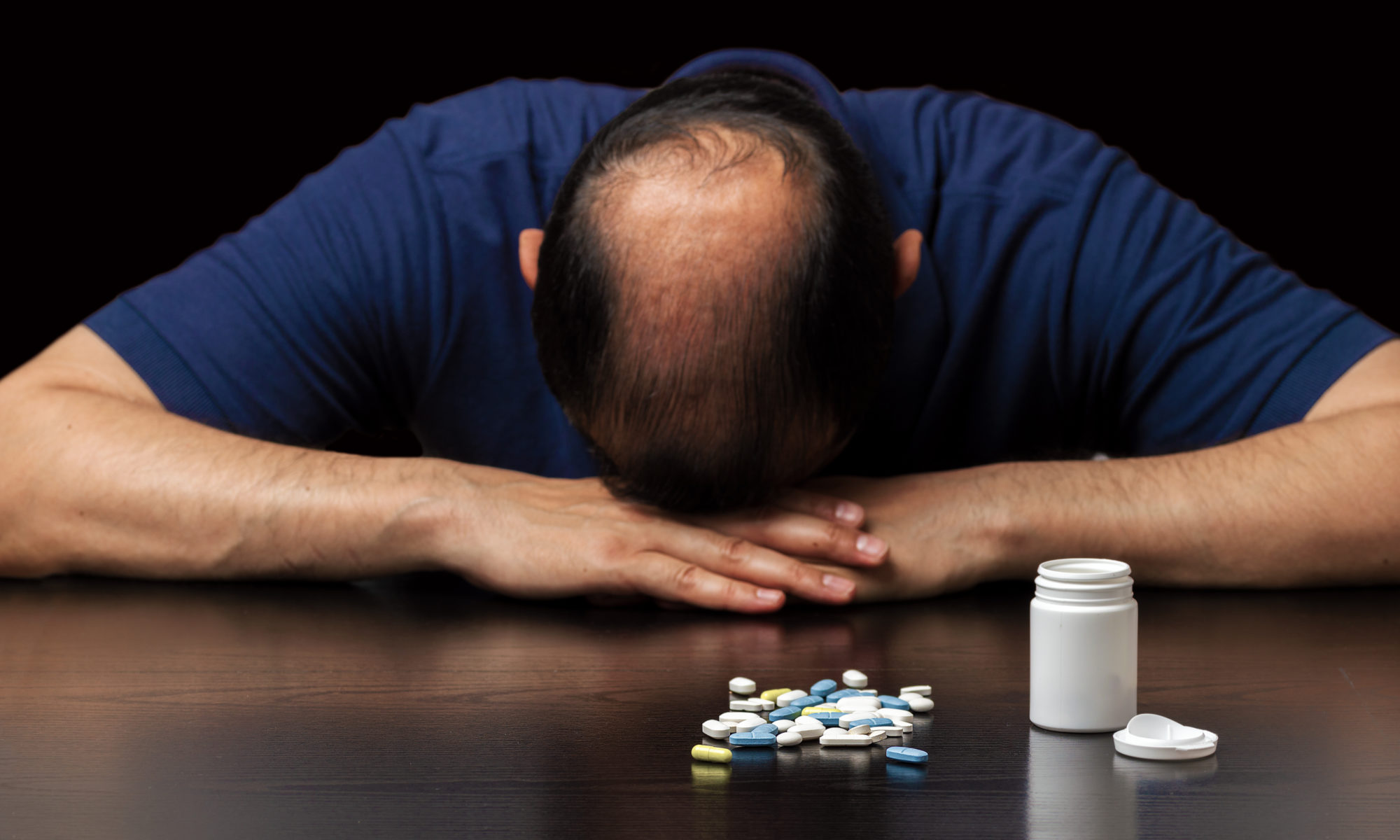

Effects of Addiction on the Skin

Effects of Addiction on the Skin

Why Does Drug Abuse Affect Our Skin?

We talk a lot about how drug and alcohol abuse can wreak havoc on our physical and mental health. The major health concerns, including things like depression and anxiety, different cancers, and heart and lung problems are well-known. What about the effects of addiction on the skin?

We don’t often acknowledge the effects of drug addiction on our skin. The skin is our body’s largest organ. It is not immune to the effects of drugs any more than our livers or kidneys are. The impairments caused by drug abuse affect the body, mind, and spirit. 

Why Do Drugs Cause Skin Problems?

Drug abuse causes skin problems through many different methods. It can cause dry or flaky skin through dehydration, encourage infections and scarring through skin picking, or promote acne breakouts and inflammation. 

Depending on the drug, the level and length of abuse, and your medical history, among other individual factors, your skin problems can vary. They may be mild, moderate, or severe. 

Common Effects of Addiction on the Skin
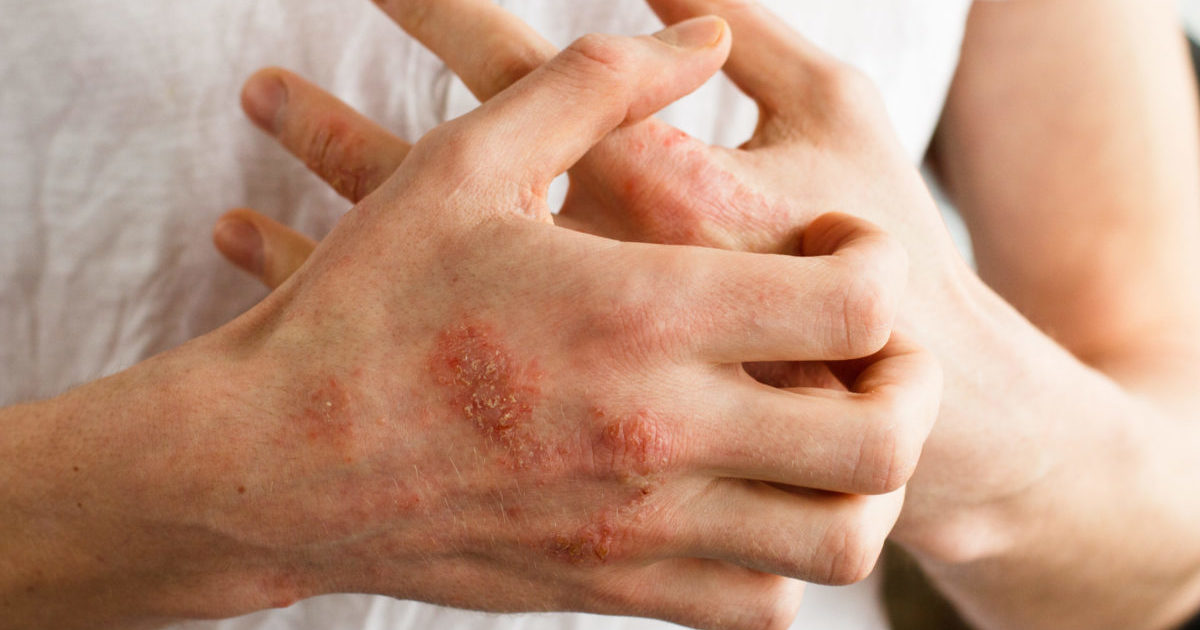
Common Skin Problems Caused by Drugs

If you’re looking for signs that drug abuse is affecting your skin, that is a sign in itself. Some of the most common effects of drug abuse on the skin include rashes and: 

  • Hyperpigmentation or color changes. 
  • Oral concerns, including swollen, inflamed, dry, or cracked lips and gums. In more severe cases and long-term use, this extends to include tooth decay and possible loss. 
  • Inflammation, redness, itching, dryness, irritation, and rashes. 
  • Worsened acne breakouts or new ones. 
  • Open sores and scarring. 
  • Skin and soft tissue infections. 

Drug-Related Skin Problems Ranked

On the milder side of drug-related skin problems, you may experience temporary inflammation, redness, or dryness. Mild rashes would be included on this list, as well. Mild skin problems may go away in between drug binges or get better when you moisturize. 

Acne breakouts, often caused by the urge to touch your face while on drugs, would land somewhere in the middle. Alterations to your skin tone would land in the moderate territory, too. On the more severe side, scarring, sores, and infections related to drug abuse could prove problematic. 

How Drug Abuse Affects Your Lips and Gums

Oral problems, including dry and cracked lips and gums, and tooth decay, are common skin concerns among meth users. Many people refer to these side effects as meth mouth. 

An examination of 571 meth users revealed that 96% had cavities, 58% had untreated tooth decay, and 31% had six or more missing teeth. This happens for several reasons. Primarily, these oral health impairments are related to psychological and physiological changes that cause dry mouth and poor oral hygiene. 

Methamphetamine is acidic, which can damage the teeth. It also makes you crave sugar, clench or grind your teeth, and experience bouts of semi-consciousness or unconsciousness. Each of these side effects can worsen your oral hygiene and routine. 

Drug Addiction and Acne

If you are already prone to acne, abusing drugs or alcohol may make it worse. But it may also prompt extreme acne breakouts in those who have never had acne in the past. The primary reason for this is that drug abuse often makes you more likely to repeatedly touch your face. 

Throughout the day, dirt, oils, bacteria, and other unwanted particles gather on our hands. We can avoid acne breakouts by washing our hands clean before touching our faces. But when you are under the influence of drugs, you are far less likely to follow through on that extra step. 

Scarring and Sores from Drug Use

Certain drugs and extreme amounts of alcohol can lead to hallucinations. The feeling that something is crawling under your skin is a common sensation among drug abusers. This can lead you to claw or pick at your skin to alleviate the creepy, crawling, itchy feeling. 

But when you claw or pick at the skin on your body or face and your hands are unclean, open sores and scarring become more likely. And when you continue to pick at your skin and neglect to clean the cuts and sores, they can scar or become infected. 

Skin Infections from Drug Use

Drug abuse weakens the immune system, making it harder for you and your body to fight off infections. Infections related to drug use often get worse over time and can take a while to heal because your body is not at its peak health. 

Infections at the site of injection are common, but infections can also come from picking, scratching, or clawing at your skin. And while skin picking is more commonly associated with meth use, it also applies to cocaine, heroin, and prescription stimulant users. 

Outside of skin picking, skin infections can also be sparked by allergic reactions to certain drugs. Prescription stimulants, including Adderall and Ritalin, can cause fluid-filled bumps that worsen over time. These bumps can swell, burst and scab, blister, or peel. 

Rapid Aging from Drug Addiction

Powerful illicit drugs, including heroin, can decrease the amount of oxygen that travels to the skin. This is one of the most common reasons for drug-related dry, itchy, flaky, and otherwise irritated skin. 

Along with oral health impairments, rashes, blemishes, sores, and bloodshot eyes, these skin symptoms can rapidly change your physical appearance. Wrinkles are also common among drug users and can make you look much older than you are. 

The first step in minimizing or ending these side effects is to stop abusing drugs. The longer the drug abuse continues, the more damage it will do to your skin, as well as your physical and mental health. And the longer it goes on, the harder it will be to reverse the damage, too. 

Moisturizing, washing your hands, and avoiding touching your face can help reduce the risk. But real change involves treating the root of the problem. And that starts with a personalized and holistic addiction treatment program. Thankfully, this is exactly what we offer. 

Reversing Addiction’s Effect on Your Skin

Drugs can affect your skin in many different ways. Some of these side effects will naturally fade after you stop abusing drugs. From there, a healthy and consistent skincare routine can help further improve the appearance of your skin. 

Moisturizers, proper hydration, healthy meals, and a regular exercise routine can also help improve your skin’s appearance and reverse certain signs of aging. When you are good to your body, your body will be good to you. 

And for those particularly pesky skin concerns, a dermatologist may be able to recommend either over the counter or prescription medications for more significant cosmetic changes. The sooner you begin to improve your overall health, the sooner your skin will improve, too. 

Getting Addiction Help at Best Rehabs In Arizona

Getting Addiction Help at Best Rehabs In Arizona

No one likes to look in the mirror and see that they are aging faster than they should be. No matter the skin concerns you are facing, drug abuse isn’t helping. It’s time to improve your health, build your confidence, and restore your physical appearance. And we can help. 

At Best Rehabs In Arizona, we put together personalized programs that match your unique addiction, recovery goals, time constraints, budget, and other needs. In full-time and part-time settings, we offer the care, guidance, and support you need to recover. 

Our addiction counselors are available 24/7 to ensure that you get the help you need when you need it. Call 866-576-4892 today to get started.


Does Drug Use Speed Up Aging?

Does Drug Use Speed Up Aging

Can Drug Use Speed Up Aging?

One of the earliest signs of drug abuse is a drastic change in someone’s physical appearance. From dry skin and wrinkles to rapid weight loss and glassy eyes, many illicit drugs make themselves known through your appearance. 

Drugs and alcohol can alter your appearance in different ways. While the alterations may vary depending on the type of drug, method of use, length of abuse, medical history, and other individual factors, one thing remains the same. 

Individuals who abuse drugs almost always look older than others at the same age. There are a few different reasons and many different ways that drug use speeds up aging.  

Why Do Addicts Age Faster?

Why Do Addicts Age Faster

The three primary reasons that addicts age faster than others include: 

  • Health conditions and diseases induced by drug-related toxicity. 
  • Neglecting your physical and mental health and hygiene due to drug use. 
  • Nutritional and vitamin deficiencies caused by a poor diet and lack of hydration. 

While these are three of the most common ways that drugs can accelerate aging, there are many different causes. Drug and alcohol abuse can cause you to become dehydrated, inflamed, and malnourished. 

They can weaken your immune system, leading to damage on the cellular level, cognitive decline, and other concerning health impairments. Your organs, including your skin, take a hard hit in both short and long-term drug or alcohol abuse. 

This can leave you feeling and looking far older than you are. 

Drug Abuse and the Skin

How does drug use speed up aging? Drug abuse can cause dehydrated, dry, patchy, flaky, or scabbed skin. Sores are also common in certain types of drug abuse. This is due, in part, to the tendency of drug-addicted individuals to pick or scratch at their skin. 

Skin picking is a side effect of several different illicit drugs. The feeling that something is crawling all over you can lead you to scratch away at your body’s outer defensive layers. Other effects of drug abuse on the skin include: 

  • Rashes and other irritations.
  • Color changes. 
  • Dry, swollen, inflamed, or cracked lips. 
  • Gum and tooth decay. 
  • Dry, red, itchy, and inflamed skin patches. 
  • Extreme acne breakouts. 
  • Open sores. 
  • Scarring after picking at the skin or sores. 
  • Skin infections. 

No one wants to age faster than we already are. We worry about skin damage and fret over our appearances, but we forget that what we put into our bodies is often more important than anything else in the aging process. Here are the facts about how drug use speed up aging.  

Drugs and alcohol can age you far faster than normal and cause far more extensive damage than everyday wrinkles. These side effects may start as mild irritations or causes of lost confidence, but they can escalate into health concerns that are far more troubling. 

Over time, open sores and skin infections can take a toll on your immune system, making it harder for your body to fight off common illnesses and diseases with long-term impacts. 

Nutritional and Vitamin Deficiencies in Addicts

When it comes to the impacts of drug and alcohol abuse, nutritional and vitamin deficiencies are common concerns. Prolonged abuse can deplete your body of the essential vitamins and nutrients that it needs to function properly. 

Without these essential vitamins and nutrients, your body has trouble with certain functions. Cellular growth, rejuvenation, and repair are three functions that suffer and will worsen the aging effects on the skin. 

But these deficiencies do not only impact your skin. These effects can also damage your bones, organs, and brain. With a weakened immune system, it is harder for your body to heal and renew itself. You become more prone to get sick and to stay sick for longer. 

Drug Abuse and Your Teeth

Speaking of bones, let’s talk about the toll that drug abuse can take on your teeth. Among drug users, decaying, broken, or missing teeth are common. Drug abuse can also cause dry and cracked lips and damaged gums. 

Oral health issues are particularly common among meth users. That is where the term meth mouth comes from. One study of nearly 600 meth users revealed that the majority had oral health issues. More specifically, 96% had cavities, 58% had untreated tooth decay, and 31% had six or more missing teeth. 

The risk of dental and periodontal diseases is higher among drug-addicted individuals because drugs are linked to dry mouth and poor oral hygiene. Others are acidic, which wears away at the tooth’s enamel, while others make you crave sugar, grind your teeth, or clench your jaw.

Drugs like meth also cause bouts of unconsciousness, which makes it easier to lose track of time. After waking up, it is more likely for a user to go back for more than to get up and brush their teeth. Each of these effects can wreak havoc in and around the mouth.  

Drug Abuse and the Brain

If you think drug use speed up aging only, then you are wrong. The impacts of drug abuse aren’t limited to the skin, bones, body, or mind. Drug and alcohol abuse can affect a person from head to toe. But some of the most concerning side effects are the ones that affect the brain. After all, our brains are what keeps us functioning every day. 

Drug and alcohol abuse can age our brains, causing memory impairments or loss, inability to concentrate, overall cognitive decline, and permanent brain damage. Confusion is also common. These impairments can range from mildly distracting to crippling. 

Drug and alcohol abuse can also impact our brains in another way. Common mental health disorders, including depression and anxiety, are intrinsically linked to these types of abuse. And they can occur in either order. 

Some people develop mental health disorders after abusing drugs or alcohol. Other people abuse and end up addicted to drugs or alcohol to cope with the overwhelming symptoms of an untreated mental health disorder. 

Whichever condition comes first, this combination can create a vicious and crippling cycle. We can help you break it. 

Drug Abuse and Your Physical Health

Depending on the drug, method of use, frequency, medical history, and other individual factors related to the user, drug abuse can cause a wide variety of physical health impairments. One of the most common is the heightened risk of cardiovascular disease. 

Many different types of cancer, strokes, and heart attacks all occur at higher rates among drug and alcohol addicts, as well. People who regularly abuse drugs or alcohol often show and feel pronounced signs of physical decline. 

From memory loss and wrinkles to heart attacks and overdoses, there are many different reasons to quit using drugs. There are no positives to long-term drug abuse. When you are in it, it may seem like there is no way out. But we are here to show you the light. 

Best Rehabs In Arizona

Best Rehabs In Arizona

Getting help for drug addiction is easier than it has ever been. With proven and personalized programs in our safe and convenient facilities in Arizona and Colorado, we make it easy to get the help you need when and where you need it. 

We offer a wide range of inpatient and outpatient programs, proven and holistic treatments, and personalized guidance to ensure that you have access to everything you need on your recovery journey. Why wait another day to see the difference a Best Rehabs In Arizona approach can make? 

Call our addiction counselors today at 866-576-4892.

Cocaine and Bad Breath

Cocaine and bad breath

Does Cocaine Use Cause Bad Breath?

The phrase cocaine abuse often conjures up images of powder trails, dollar bill straws, mirrors, and credit cards. We think of the 1980s when cocaine abuse was common and unquestioned. But many don’t realize that this illicit stimulant is staging a comeback. 

From 1999 to 2019, fatal overdoses involving cocaine rose from 3,822 to 15,883. Cocaine is a powerful and addictive drug that can impair every aspect of life. From mental and physical health complications to financial and relationship troubles, its impacts know no bounds. 

But it’s not just the major, life-changing events that cocaine abusers have to worry about. There are also everyday annoyances like hyperactivity and difficulty sleeping, and other side effects that land somewhere in between. One of those side effects is something called coke mouth

Does Cocaine Use Cause Bad Breath

Cocaine and Bad Breath

On top of its many other potentially uncomfortable, unpleasant, painful, or even fatal side effects, cocaine causes a troubling oral condition. For users who rub the substance over their teeth, cocaine and bad breath are intrinsically linked. 

But bad breath is not the only oral concern when it comes to cocaine use. This bad breath is a symptom of a deeper and more concerning problem: dental decay. From bad breath to the loss of teeth, dental decay comes in varying stages and can cause many different problems. 

Cocaine Effects on the Mouth

Users can snort, inject, smoke, or rub the substance over their teeth. The side effects that you experience can vary depending on the method you use, the dose, how often, and for how long. Coke mouth is a side effect that is unique to users who ingest cocaine orally. 

Many users do this to produce a faster high. The short-term side effects of cocaine include euphoric feelings and increased energy and focus. But these side effects never last for long. And what comes next is not worth the tradeoff. 

Cocaine’s effects on the mouth include:

  • Bad breath 
  • Sores in and around the mouth 
  • Tooth decay (either from tooth and gum erosion due to rubbing cocaine there or from neglected hygiene due to cocaine use through other methods) 
  • Gingivitis and other oral diseases 
  • Wear to the teeth and jaw from grinding and clenching 
  • Tooth loss 

Snorting cocaine can also interfere with your oral and nasal health. It can cause you to lose your sense of smell, promote nosebleeds, make it harder to swallow and cause regular hoarseness. It can also cause an overall irritation of your sinuses, which often results in chronic runny noses. 

Cocaine side effects include bad breath

Other Symptoms of Cocaine Use

Different methods of cocaine use can cause different symptoms. Not all of them will be related to the mouth or sinuses. Other side effects of cocaine use include: 

  • Irritability 
  • Paranoia 
  • Hypersensitivity to touch, sound, and sight 
  • Bizarre or unpredictable behaviors 
  • Increased feelings of anger that may escalate to violence
  • Constricted blood vessels and dilated pupils
  • Nausea
  • Fast or otherwise irregular heartbeats 
  • Increased blood pressure and body temperature 
  • Muscle twitches and tremors 
  • General feelings of restlessness 

Smoking cocaine can cause asthma, respiratory distress, and a higher risk of infections. Injecting cocaine puts you at a higher risk of contracting hepatitis C, HIV, and other diseases, as well as infections, scarring, and collapsed veins. 

Over time, left untreated, the side effects of cocaine use only get more severe. It also becomes more likely to suffer life-threatening health impairments and a fatal or non-fatal overdose. 

How Addictive is Cocaine?

Cocaine is a Schedule II drug, which means that it has a high risk for abuse and addiction. The Drug Enforcement Agency (DEA) maintains that using cocaine has the potential to lead to severe psychological or physical dependence. Schedule II drugs are considered dangerous. 

Other drugs in the Schedule II class include: 

  • Vicodin 
  • Methamphetamine 
  • Methadone 
  • Hydromorphone or Dilaudid 
  • Demerol 
  • Oxycodone or OxyContin 
  • Fentanyl 
  • Dexedrine
  • Adderall 
  • Ritalin 

As the drug class numbers get lower, they get more dangerous. This means that there is only one class of drugs considered more dangerous or with a higher potential for abuse and addiction. 

Schedule I drugs have no currently accepted medical uses and a high potential for abuse. These drug classifications are there to shed light on the potential dangers of different drugs. Certain Schedule II drugs may have accepted medical uses in the appropriate doses, but they are still considered addictive and dangerous. 

And cocaine is not one that has approved medical purposes in the United States today. Illicit drugs have been more carefully regulated since the drug trade boom of the 80s, but it is still difficult to regulate them fully. 

How to Prevent Bad Breath from Cocaine

The best way to prevent bad breath, tooth decay, and other oral health problems is to stop using cocaine. For many people, this may be easier said than done. But we are here to help. It can be hard to change your life, but it is always worth the effort. A happier, healthier, sober life is a recovery program away. 

Treatment for Cocaine Addiction

Treatment for cocaine addiction starts with a detox. At Best Rehabs In Arizona, we offer personalized detox programs to suit your unique addiction, withdrawal symptoms, and needs. There are three stages to every personalized detox: 

  • Evaluating your situation
  • Stabilizing your condition 
  • Getting you ready for primary treatment 

Personalized and professional drug detox is an excellent first step in the recovery process. Drugs that are as powerful and addictive as cocaine often comes with troubling and overwhelming withdrawal symptoms. 

We can help you manage and overcome these symptoms so that you can stay strong and focused through the vital stage of early sobriety. 

What Happens After the Detox?

What Happens After the Detox

Cocaine detox takes an average of one week. This timeframe and the severity of your withdrawals can vary depending on how long you were using cocaine, how frequently, and how much each time. 

We will guide you through your detox to ensure that you stay safe, strong, comfortable, and hydrated. After your detox, we will help you evaluate your options and decide if you are better suited for one of our personalized inpatient or outpatient programs

Inpatient programs are generally best for patients with moderate to severe addictions and overwhelming or otherwise concerning withdrawal symptoms. Those who are surrounded by drug triggers and temptations could also benefit from a change of pace. 

Those with milder addictions, more manageable withdrawal symptoms, support at home, or work or family obligations that prevent a full-time stay are better suited for outpatient programs. But it is not always easy to tell which program will work best for you. 

We do not expect you to have the answers already or face your recovery on your own. Our team of addiction experts will guide you through making this decision. 

Best Rehabs In Arizona

Today is a great day to make a change. When you choose Best Rehabs In Arizona, you never have to walk the road to recovery alone. Our compassionate and knowledgeable teams, comfortable facilities, and personalized programs have helped thousands change their lives. 

Now, it is your turn. Call our addiction counselors today at 866-576-4892 to get started. They are on call to answer your questions, verify your insurance, and start your intake.

Drug Addiction and Hair Loss

Drug Addiction and Hair Loss

Is There a Link Between Drug Addiction and Hair Loss?

Hair loss is a natural part of life. We lose hair as we age, from genetic conditions, and under high levels of stress. But not all causes of hair loss are natural ones. Alcoholism and drug addiction, for example, are two conditions that few people know may also cause hair loss. 

How Does Drug Abuse Cause Hair Loss?

How Does Drug Abuse Cause Hair Loss

For many years, experts have examined the link between drug addiction and hair loss. While there aren’t many studies that prove a direct link, there are studies that show a connection. The connection lies with drug use and the body’s production of adrenaline. 

Adrenaline, in turn, affects the hair growth cycle. This is proof that drug addiction does not just impact one aspect of your life or another. It impacts all of them. Your mental health, physical health, relationships, career, and even criminal record can all be impaired by drug addiction. 

What to Know About Drug-Related Hair Loss

It is far more common to talk about the health impairments of drug abuse. Conditions like lung disease, liver damage, and problems with our mental health take priority, as they should. Our health should always be more important than our looks. 

But that does not mean that cosmetic issues are easy to ignore. Drug-related hair loss can damage your self-esteem and confidence. It can also be triggering for individuals who have or are prone to depression or anxiety. 

In turn, these negative feelings can lead you to continue abusing drugs to cope. It is the same with drinking to ease anxiety. Sometimes, we drink to feel better or boost our moods. But over time, drinking often does the opposite. 

So, we drink more to improve our moods. And as the alcohol impairs our moods rather than improving them, we come back around for another drink. On paper, these cycles are illogical. But they are much harder to identify and avoid when you are in them. 

We create these detrimental cycles for ourselves. And the longer we allow them to continue, the harder they become to break out of. From top to bottom, drug addiction can change you. But once you choose to live a better way, we can help you find it. 

Ways Addiction and Hair Loss Are Linked

We mentioned earlier that hair loss is triggered by an increase in adrenaline. Additionally, drug users regularly add harmful toxins to their bodies that may prevent them from getting the nutrients they need to stay healthy. 

And when they do get the nutrients they need, the drug use may interfere with the way the body uses them. Whether the lack of nutrients is from a poor diet or the inability to properly absorb and use those nutrients, drug abuse can damage your appearance, including your hair.

Addiction can cause hair loss or other changes in its growth. In long-term use, drugs can interrupt the hair’s growth cycle, causing them to pause temporarily or stop growing permanently. 

Drugs may enter hair from multiple sites through multiple mechanisms and at different times throughout the hair growth cycle. Strands of hair grow at different rates, and there is no way to tell where on the head or how much hair will be lost due to drug use. Everyone is different.  

How Bad Will Drug-Related Hair Loss Get?

The type and severity of hair loss that you experience can vary depending on many individual factors. Some of these factors include: 

  • The type of drug used. 
  • The frequency and dosages of the drug used.
  • Family history of hair loss. 
  • Other health conditions. 
  • Stress levels and age. 

Family history, certain health conditions, and high stress levels can make it more likely for you to lose your hair prematurely. And age is a factor that affects each of us when it comes to hair loss. 

While there is little we can do about aging or our family history, we can take steps to improve the other areas. Living an overall healthy life starts with ceasing drug abuse, eating nutritious foods, and learning how to cope with stress and other negative emotions. 

We can help you achieve each of these goals in any of our drug addiction treatment programs. We offer full-time and part-time programs, as well as support meetings, to ensure that you have access to the help you need when and where you need it.  

What Drugs Cause Hair Loss

A large number of drugs may interfere with the hair cycle and produce hair loss. Two of the most common and illicit drugs that cause hair loss are cocaine and LSD. One study tested hair samples from users of cocaine, heroin, cannabis, and LSD under electron microscopes. 

In this study, the drug-free hair shafts from the control group were intact, regular, and undamaged. However, when it came time to examine the hair from the cocaine users, the keratinized structures were damaged in 97.2% of the samples. 

And the outer layer of the hair was damaged in 95.8% of the samples, as well. They found that hair shafts from cocaine abusers are very thin and fragile. Meanwhile, the hair samples tested from the heroin and cannabis abusers were intact and regular. 

The LSD samples told a different story. In nearly all the tested samples (97.9%), the cuticle layer was destroyed, and cuticle cells were lifted from the hair shaft. In 95.8% of the samples, the hair was fragile, broken, and detached. 

The hair fibers from the LSD users were very weak and fragile, similar to the results of the tests on the hair from the cocaine users. The researchers who performed these studies maintain that further research and a more comprehensive analysis of hair samples from different illicit drug abusers is necessary to gain more information. 

How Do the Drugs Get to Your Hair?

Illicit drugs, through any method, accumulate in the hair in a few different ways. They may build up there by entering the bloodstream, absorbing through the sweat, or attaching to the strands from smoke vapors. However they get there, it is clear that certain illicit drugs can cause hair loss, no matter what method you use to ingest them. 

Treating Your Addiction to Prevent Hair Loss

Treating Your Addiction to Prevent Hair Loss

Addiction programs like the ones that we offer can help you address and overcome a wide variety of issues. Cosmetic concerns, like hair loss and weight changes, often improve as you work on building an overall healthier lifestyle. 

From there, there are several different options for treatment for hair loss if it is still needed. But one of the best ways to reverse the damage done and prevent further damage is to stop abusing drugs first. As you detox, you flush toxins from your body. 

Your body learns how to find its balance, regulate itself, and return to normal. The effects of building a healthy, sober life will be felt from top to bottom. 

Getting Started at Best Rehabs In Arizona

At Best Rehabs In Arizona, we offer a unique variety of personalized addiction care programs to help you meet your goals and improve your quality of life. With a helping hand, recovery is possible. And a new life is just a phone call away. 

With centers in Arizona and Colorado, we make it easy to get the help you need where and when you need it. Our addiction counselors are available now to answer your questions, perform your intake, or verify your insurance. Call them at 866-576-4892 to get started.

Ways Drugs Are Abused

Ways Drugs Are Abused

What Constitutes Drug Abuse?

Drug abuse is not always straightforward. It is not always about illicit drugs like heroin or cocaine. What are the ways drugs are abused? Drug abuse is often more about the method or the approach than the drug itself. Many people are surprised to find how frequently prescription drugs are abused, too.  

For example, prescription drugs like antidepressants that are given by doctors to improve mental health can also be addictive. They have a high potential for abuse due to their powerful side effects and chemical structures. 

Both prescription and illicit drugs are abused every day. When it comes to prescription drugs, what matters more is how and why you take them. But when considering illicit drugs that have no approved medical uses in the United States, any use constitutes abuse. 

Methods and Ways Drugs Are Abused

Methods of Drug Abuse

Whether illicit or prescription, there are many methods of drug ingestion. Some are more common than others. The most common methods of drug administration include: 

  • Injecting
  • Smoking
  • Snorting
  • Swallowing 

Now, let’s talk about which methods are the safest and which carry the most risk. 

Taking Drugs Orally

Swallowing pills, tablets, capsules, or other forms of medication is the most common way to take drugs. When you swallow something, it must pass through the stomach before absorbing into the bloodstream. 

This gives your body time to gradually absorb and disburse the ingested drug rather than flooding the bloodstream with it right away. For this reason, oral ingestion of drugs is generally considered to be the safest method. 

Requiring a pass through the stomach before entering the blood also gives your body the chance to rid itself of substances that it does not agree with. The digestive system will reject substances that do not belong or substances that belong in smaller quantities. 

This reflex is the reason why we vomit when we drink too much alcohol or eat spoiled foods. As a defense mechanism, purging helps keep the body safe and avoid poisoning the blood. As such, swallowing drugs also decreases the likelihood of an overdose. 

Although, that does not mean that it is not possible. With a high enough dose or a history of certain health complications, swallowing drugs can still be problematic or even fatal. While it is the safest method of ingestion, it is still important to only take drugs orally when they are prescribed and at the times and quantities that they are prescribed. 

Why Smoking Drugs is More Dangerous Than Swallowing Them

Drugs enter the body’s system faster than they are smoked rather than swallowed. Instead of traveling through the digestive system, they enter the lungs and quickly move into the bloodstream. This makes it a more dangerous method of drug ingestion than swallowing. 

Smoking also carries the additional risks of certain cancers, including lung cancer, throat cancer, and cancer of the mouth. Some other common health conditions associated with smoking include: 

  • Heart disease
  • Cardiac arrest
  • Chronic bronchitis 
  • Emphysema 
  • Stroke 

Not all drugs are smoked. Some of the most commonly smoked drugs are marijuana, crack cocaine, heroin, and opium. Smoking either prescription or illicit drugs can cause addiction, long-term or permanent damage to the lungs and various other health complications. 

Snorting Drugs to Get High Faster

When you begin to develop a dependence on drugs, you may feel the need to push for more frequent or intense highs. Many drug abusers start by taking prescription drugs through the appropriate methods. 

Some studies found that nearly 80% of heroin users reported using prescription opioids first. Powerful prescription drugs like opioids and benzodiazepines are often gateways to more dangerous drugs and methods. Therefore, it is critical to follow prescriptions closely. 

Over time, prescription drug users may become addicted and desperate for more. They take higher or more frequent doses, mix them with alcohol or other substances, or find ways to intensify their highs, boost their moods, or relieve their pain. 

Snorting drugs is one way that drug abusers try to achieve these goals. Heroin, amphetamines, cocaine, and ecstasy are some of the most frequently snorted drugs. When you snort a substance, it enters your bloodstream through the mucus membranes in your nasal passages.

Through this method, side effects typically begin to appear around 15 minutes after ingestion. Nasal ingestion is a method that is only recommended for certain prescription or over-the-counter medications, such as allergy sprays. 

Snorting drugs can deteriorate the nasal cavity lining, leading to significant and permanent nasal damage. It can cause swelling of the nasal lining, lung infections, nasal blockages, and compromised respiratory tracts. 

Another danger of snorting drugs is that powdered drugs are often tainted with other substances. Impurities like talcum powder and caffeine may be mixed with certain drugs without the user’s knowledge. 

This is a common practice among drug producers and dealers looking to increase their profits. And sharing tools to snort drugs with can cause the transfer of additional conditions like HIV and hepatitis C. 

Why Injecting Drugs is the Most Dangerous Ingestion Method

Of all the ways people take drugs, this is the fastest method for producing a drug high. Injecting drugs puts them directly into your bloodstream. The effects are almost immediate. Because it enters your bloodstream so quickly, it also moves to the brain quickly. 

This rerouting allows the drug to avoid your body’s natural defense mechanisms. Injecting drugs causes many preventable drug overdose deaths. It may also cause infections at the injection site, HIV or hepatitis from shared needles, collapsed veins, or arterial damage. 

Drugs should not be injected unless recommended by a medical professional. Certain prescription medications may involve injections. But these should either be administered by a doctor or nurse or under the guidance of one. 

What Other Ways Are There to Abuse Drugs?

What Other Ways Are There to Abuse Drugs

Outside of ingestion methods, two of the most common ways to abuse drugs are to take more than you are supposed to or take them more frequently than you are supposed to. These two methods are particularly common with prescription drugs. 

When a medical professional prescribes medication after an accident, for chronic pains, or to reduce the symptoms of a mental health disorder, their guidelines should be carefully adhered to. They will tell you how and how often to take your medication to achieve the best results. 

They will tell you what can be taken with this medication and what cannot. Despite popular belief to the contrary, prescription drugs can be highly addictive and dangerous. Following professional medical guidance can help mitigate these risks. Avoiding illicit drug use can do the same. 

Finding Treatment for Drug Abuse and Addiction

It is easy to give in and consider the outcome bleak, but hope is not lost. Addiction is a treatable disease. And recognizing that you have a problem is truly the first step toward recovery. The team at Best Rehabs In Arizona Recovery is uniquely qualified to offer a compassionate and well-rounded approach to addiction recovery

We will work with you to determine the best treatment plan based on your unique addiction and needs. Everyone is different. Our one-on-one approach ensures that you get the type and level of care best for you, not what might be best for someone else. 

Call our addiction counselors today at 866-263-1808. Someone is available 24/7 to provide insurance verification, guidance on choosing the right program, and answers to common questions. Today is a good day to get the help you need and deserve.

What Is a Luxury Detox Center

What Is a Luxury Detox Center

Evidence-Based Care in Luxury Settings

If you are starting your journey to sobriety, you may want to consider enrolling in a luxury detox center. This is the name for a drug or alcohol detoxification program that provides added amenities. Extra comfort during the recovery process may seem unnecessary. However, when facing the challenging task of halting substance use, even small benefits can go a long way. 

No matter how many amenities are available in detox, you must also have expert medical care. Today, there are evidence-based methods for detoxing from all major substances. Use of these methods keeps you safe during your treatment. It also increases the odds that you will successfully complete detox and continue your recovery. For this reason, the best luxury treatment centers near you will feature evidence-based care.  

Why Is Detox Necessary

If you are addicted to drugs or alcohol, your brain has undergone some significant changes. First, you have become physically dependent on the substance that is causing you problems. This means that your brain has come to rely on its presence. You have also become psychologically dependent. This means that you have lost control over some of your behaviors. As a result, you compulsively seek out sources for more drugs or alcohol.  

At this stage, you cannot halt your substance use without facing certain physical and emotional effects. Together, these effects are known as substance withdrawal. Each major substance category produces its own typical withdrawal symptoms. For example, someone withdrawing from alcohol may experience things such as:

  • An anxious, depressed or agitated mental state
  • Nausea
  • Muscle tremors

In a worst-case scenario, you may also experience:

  • Major or grand mal seizures
  • The dangerous state known as delirium tremens, or the DTs

In contrast, someone withdrawing from opioid drugs or medications may experience symptoms that include:

  • Cramping or achy muscles
  • Stomach cramps
  • Repetitive yawning
  • High output of mucus, sweat and tears

In all forms of withdrawal, you may also feel the psychological effects of intense substance cravings.

The symptoms of drug or alcohol withdrawal may be mild, moderate or severe. Even at their mildest, the feelings you experience may tax your ability to cope. And if you go through moderate or severe withdrawal, the challenge of coping will only grow. Many people find it impossible to deal with their symptoms on their own. In the absence of professional help, they abandon their quest for sobriety and return to substance use. 

In some cases, the effects of withdrawal may do much more than make you fell uncomfortable or emotionally distressed. In fact, certain forms of severe withdrawal can endanger your life. That is especially true for people heavily addicted to alcohol or tranquilizers. 

For all of these reasons, there is a pressing need for supervised substance detox. In a supervised program, you do not have to go through withdrawal on your own. Instead, you benefit from:

  • The oversight and care of trained medical professionals
  • A safe and supportive treatment environment
  • Expert help in dealing with the effects of withdrawal
  • Immediate assistance for treatment complications and emergencies

These benefits make it much easier for you to quit using drugs or alcohol. They also help ensure your health and well-being throughout the withdrawal process. And in an emergency, supervised detox could very well save your life. 

Standard Supervised Detox Vs. a Luxury Detox Center

Standard Supervised Detox vs Luxury

Standard Programs

Today, there are well-established guidelines for effective drug and alcohol detox. These guidelines state that detox has three main goals:

  • Evaluating your situation and choosing an appropriate detox option
  • Stabilizing you while you go through drug or alcohol withdrawal
  • Getting you ready to enter a rehab program after you complete detox

All high-quality programs follow these basic principles. This is true for both standard detox facilities and a luxury detox suite. In addition, all effective rehabs customize their treatments to meet your unique needs. This customization takes two main things into account:

  • The specific substance you are addicted to
  • Any personal details that may have an effect on your treatment

Such details include the severity of your withdrawal symptoms. They also include your medical history.

All customized detox programs include something called supportive care. This is the name for the basic steps taken to protect and nurture your health during withdrawal. Common supportive actions include:

  • Taking steps to keep your vital functions stay in a healthy range
  • Providing you with healthy food and any necessary supplements
  • Maximizing your general comfort throughout withdrawal

There are also additional treatments available for withdrawal from certain substances. For example, people detoxing from alcohol may receive a tranquilizing medication. People detoxing from opioids commonly receive a temporary dose of a safer opioid substitute. This approach is used to protect you from experiencing severe opioid withdrawal while proceeding toward sobriety. 

Luxury Detox Centers

The steps taken to support and help you in standard detox are extensive. Still, some people choose to enroll in a luxury rehab instead. Why? Luxury treatment centers near you go beyond the basics of standard care. They do so by adding perks or amenities to their range of services. The specific perks and amenities available to you may vary from center to center. However, the list of options often includes such things as:

  • A spa-like environment
  • Spacious, private rooms or suites
  • Made-to-order food
  • Private dining
  • Expansive, landscaped grounds
  • Scenic locations
  • A secluded treatment setting
  • Extensive recreational programs

Complementary treatments are also common at a luxury detox center. Examples of such treatments include:

  • Acupuncture or acupressure
  • Yoga therapy
  • Massage
  • Meditation
  • Art therapy
  • Herbs
  • Music therapy

Why Go to a Luxury Detox Center

There are multiple reasons why you might choose a luxury detox center over a standard program. Sheer comfort sits high on the list of motivations for many people. That may seem unnecessary or even indulgent, but in fact, it can be quite practical. 

Comfort and stability are known to be beneficial for people withdrawing from drugs or alcohol. That is true because the more comfortable you are, the easier you may find it to stick with substance detox. In turn, by making it easier to stick with detox, you make it more likely that you will complete the process. 

Completion of detox is vital. Why? That is the only way to fully prepare yourself for enrollment in primary substance treatment. By maximizing your level of comfort, a luxury detox center may ultimately increase your odds of achieving lasting sobriety. 

But comfort is not the number one motivation for everyone in luxury treatment centers near you. Some people choose luxury detox because of the privacy it provides. In some cases, increased privacy is just a personal preference. However, in other cases, it may be essential to protecting your job, relationships or personal reputation. 

You may also be motivated by dietary considerations. Some people do not focus too much on food and will not mind eating a standard diet. In contrast, others are food-centric. If that is true for you, eating tasty meals that suit your preferences may be a major perk.

Complementary treatments are important to many people entering detox. These treatments are not designed to replace your main detox plan. Instead, they work alongside that plan. The general goal of complementary care is to add an extra boost to your health and well-being. By doing so, this care may put you in a better position to cope with the rigors of substance detox. And even small increases in your coping ability can benefit your overall detox results. 

Where Can You Find a Luxury Detox Center

There is a pretty good chance that you will find luxury treatment centers near you. This is especially true if you live in a mid- to large-sized metropolitan area. A quick Internet search will give you a good idea of your basic options. But before you begin your search, you should keep a couple of things in mind.

First and foremost, luxury alone is not enough to help you make it through substance withdrawal. You also need effective, evidence-based treatment provided by skilled experts. It is the combination of these two things that makes a luxury detox center truly valuable. For this reason, focus on find a luxury detox center that follows current, recommended detox guidelines.

It is also important to know that not all luxury treatment centers near you will provide detox services. Instead, some centers only offer primary substance treatment. This means that you will have to go through detox at another facility. You may find it more convenient to find a luxury center that provides both detox and treatment services. 

Learn More About Luxury Detox Centers

Luxury detox treatment may play a vital role in helping you halt your substance use. This is crucial to know, since most people with drug or alcohol problems never seek expert care. The availability of a luxury option may be just want you need to begin breaking the painful cycle of addiction. 

Want to learn more about what to expect from luxury treatment centers near you? Contact Best Rehabs In Arizona today. We are more than happy to help guide you toward options that suit your particular needs. Best Rehabs In Arizona also offers well-appointed detox services for all kinds of substance problems. At all times, we combine evidence-based medical care with close attention to your comfort and well-being. In this way, we help you overcome the many challenges of quitting drugs or alcohol. Best Rehabs In Arizona is also your source for customized, evidence-based primary treatment. 

What Are Some Substance Abuse Resources

What Are Some Substance Abuse Resources

Ways to Get Help for Substance Abuse

Substance abuse resources are an absolute necessity for many people across America. You may need these resources if you are suffering from a drug or alcohol problem. You may also need them to find help for a loved one with a serious substance issue. In either case, access to reliable help may be a literal matter of life or death.

Fortunately, there are trustworthy resources available for all major topics related to substance abuse and addiction. That includes information on the basic nature of these problems. It also includes the steps taken to diagnose drug- and alcohol-related illnesses. In addition, you will find many resources that focus on what is needed for effective treatment. No matter where you start out, the right substance abuse resources will help you escape the grip of substance problems.  

Substance Abuse Resources: Basic Information

Knowledge is an important tool for anyone affected by substance abuse or addiction. That is true because accurate information helps you understand such key things as:

  • How drugs and alcohol affect your brain and body
  • The unique effects of specific substances
  • What distinguishes substance abuse from substance addiction
  • The changes in your brain that make addiction a possibility
  • How doctors detect and classify drug and alcohol problems
  • The methods used to treat substance abuse and addiction

By building up your knowledge in these areas, you increase your ability to help yourself or someone else. You also make the process of seeking help less frightening and easier to navigate.

Perhaps the most comprehensive substance abuse resources available in America are offered by the federal government. There are several government agencies that focus specifically on substance-related issues, including:

  • NIDA, the National Institute on Drug Abuse
  • NIAAA, the National Institute on Alcohol Abuse and Alcoholism
  • SAMHSA, the Substance Abuse and Mental Health Services Administration

All three of these agencies provide a wealth of informational resources. For example, NIDA maintains a complete database of drug-related topics. Subjects covered in this database range from the science of addiction to modern methods for effective treatment. 

The NIAA focuses on the effects of alcohol and the ways in which drinking can cause you harm. Their main information page covers topics such as:

  • How to measure your alcohol intake
  • The patterns of drinking that put you at-risk for serious problems
  • How doctors define alcohol-related problems

The page also includes information for specific population groups, including women and underage drinkers. Finally, NIAA provides a detailed breakdown of how to find help for drinking problems.

SAMHSA’s focus is the interaction between substance problems and mental health. The agency has produced hundreds of informational pamphlets that you can access for free. These pamphlets include extensive substance abuse resources. They also cover the full range of mental health topics.

Substance Abuse: Seeking Help

Substance Abuse Resources

If you think that you or a loved one have a substance problem, how can you seek help? A variety of substance abuse resources are available to you. One of the most thorough resources on what to do comes from NIDA. This agency offers a series of step-by-step guides. There are guides on how to seek help for yourself or another adult. If you are a young adult or teenager, you will find a separate guide specifically for you. There is also a guide for the parents and caretakers of young adults and teens. 

Topics covered by the NIDA guides include:

  • Recognizing potential signs of substance abuse and addiction
  • Getting diagnosed 
  • Finding treatment
  • Enrolling in a support group

If you are concerned about drinking problems, you can access NIAAA’s Alcohol Treatment Navigator. This tool is designed for adults who want help for themselves or others. It includes a thorough rundown of everything you need to know about treatment for alcohol problems. It also includes information on how to find providers of effective treatment. NIAA does not currently offer comprehensive substance abuse resources for teens. However, the agency does provide help in accessing such resources. 

Finding a Substance Abuse Hotline

One of the most important tools for finding help is a substance abuse hotline. This option gives you access to needed resources through a simple phone call. No matter where you live in the U.S., you have multiple ways of finding a hotline. Potential resources include:

  • Programs run by your state government
  • A substance abuse hotline provided by your region, county or city
  • Hotlines offered by non-profit organizations
  • A federally sponsored substance abuse hotline

The single best federal resource is SAMHSA. The agency maintains its own a. This resource is available 24 hours a day, every day of the year. SAMHSA also sponsors or supports hotlines for issues related to substance problems. Examples of these issues include suicide prevention, help for veterans and help for disaster survivors. 

Substance Abuse Resource: Getting Diagnosed

A crucial step in seeking help is getting a diagnosis for your substance problems. That is because only a doctor can tell for sure if you or your loved one are affected. In the past, only specialists knew how to conduct screenings for drug and alcohol problems. But today, many primary care physicians have been trained to provide this essential service.

If your doctor does not provide substance screenings, do not worry. You still have options. One thing you can do is to ask your doctor to refer you to another primary doctor who does conduct screenings. Your doctor may also be able to refer you to a specialist in your area. In addition, NIDA maintains resources for anyone looking for an addiction specialist. 

How Do Doctors Make a Diagnosis

How Do Doctors Make a Diagnosis

If you are affected by substance abuse or addiction, you have something called a substance use disorder, or SUD. All types of SUD are officially defined by the American Psychiatric Association. Under this definition, you can be affected by as many as 11 different symptoms. Some of these symptoms are related to non-addicted substance abuse. Others are related to addiction. 

During an SUD screening, your doctor or specialist will look for each of the possible 11 problems. All it takes is two symptoms within the space of a year to receive a diagnosis. It does not matter if those problems are related to addiction or non-addicted abuse. Depending on your total number of symptoms, your disorder may be mild, moderate or severe. Each individual symptom may also be mild, moderate or severe. 

Substance Abuse: Treatment

Where can you go for treatment of your substance use disorder? If you are addicted to drugs or alcohol, a vital starting point is a supervised detox program. This is a place where you can safely halt the cycle of drinking or drug use. It provides the help you need to deal with substance withdrawal. Supervised detox also:

  • Helps protect you from any withdrawal complications
  • Supports your physical and nutritional health
  • Serves as a stepping stone for a drug or alcohol rehab program

Drug and alcohol rehabs specialize in primary substance treatment. High-quality facilities are staffed by trained, experienced personnel who know how to provide effective help. Some rehab programs are inpatient and require you to live at the facility while receiving treatment. Others are outpatient and give you the ability to stay at home. Many rehabs offer both inpatient and outpatient options.

Effective treatments for substance problems are customized in two ways. First, they are designed to deal with specific sources of abuse and addiction. This means, for example, that someone with alcohol problems receives different treatment than someone with stimulant problems. 

Quality treatments are also customized for the individual. This means that not everyone with the same kind of SUD will be helped in the same way. Such targeted treatment is needed to maximize your chances of recovering your health and well-being. 

NIDA provides a complete guide to modern, recommended treatment options for both drug and alcohol problems. Those options include two main categories of care: medications and psychotherapy. Medications are used to treat some forms of SUD, but not all. However, all SUDs are treated with at least one type of psychotherapy. 

Looking for substance abuse resources for treatment in your area? In many cases, your doctor can provide you with a referral. Local addiction specialists are another excellent resource for treatment referrals. You can also turn to local or state agencies, as well as NIDA, NIAAA or SAMHSA for help. 

 Learn More About Important Substance Use Resources

Millions of Americans suffer from substance abuse and/or substance addiction. But the sad fact is that most of these people never seek professional help for their problems. Do what you can to avoid being part of this worrying statistic. Today, there are numerous ways to access substance abuse resources. Regardless of where you live, at least some of these resources are available to you. If at all possible, take advantage of them. By doing so, you may save your own life or the life of a loved one or friend.

Want to learn more about how to take advantage of abuse- and addiction-related resources? Contact the professionals at Best Rehabs In Arizona. From basic information to diagnosis, detox and treatment, we offer a full slate of essential services. Even if you are severely affected by substance problems, we will help you recover your sobriety. 

Recovering Alcoholics in Relationships

What to Know About Recovering Alcoholics in Relationships

Recovering alcoholics in relationships faces unique challenges.

This is true because your relationships and home life have a major impact on your state of well-being.

Solid relationships may help make your recovery easier.

However, dysfunctional ones have the potential to send your recovery spinning far off-track.

In a worst-case scenario, you may find yourself undoing all your hard work and returning to your old drinking ways.

No one wants to go through this kind of painful setback.

The good news is that recovering alcoholics in relationships can get help.

For some people, that help might come in the form of couples therapy.

If you have children or other loved ones, family therapy may also play an essential role in your recovery.

These options can be used separately or together to help improve your home life and support your sobriety.

Recovering Alcoholics in Relationships & How to Handle This - Best Rehabs In Arizona - A husband is passed out on the couch, with his wife sitting on the edge of bed in tears because she is frustrated with being a couple that is considered recovering alcoholics in relationships.

The Impact of Alcoholism on Current Relationships

Alcoholism and serious alcohol abuse are both part of an illness called alcohol use disorder, or AUD. Both of these interconnected issues can do major damage to your intimate and family relationships. For example, alcoholism can lead you to:

  • Make drinking your top personal priority, not your relationships
  • Stop taking part in other activities that you or your partner once enjoyed

Serious, non-addicted alcohol abuse can lead you to:

  • Neglect key responsibilities that your family depends on you for
  • Keep drinking even when you know that your relationships are suffering as a result
  • Use alcohol in dangerous situations that put you or your family at-risk

You can experience any combination of these problems. Why? Alcoholism and alcohol abuse are often overlapping conditions. This means that you can suffer from both of them at the very same time.

What types of problems occur in the relationships and families of alcoholics? Specific issues vary from person to person. However, some of the most common problems include:

  • Loss of communication between partners or family members
  • A decline of caring or loving interactions in your relationship or family unit
  • A rise in negative interactions
  • An inconsistent or chaotic day-to-day environment
  • Outbursts of anger, aggression, or even outright violence

Immediate Placement in Alcohol Rehab for Recovering Alcoholics in Relationships – Get Help Now

877-651-3366


The Impact of a Stressful Relationship on Your Alcoholism Risks

The link between relationship problems and alcoholism runs in both directions. What does this mean? Not only does alcoholism increase your risks for a disrupted personal life. Pre-existing disruptions in your personal life can increase your risks for developing alcoholism. Specific reasons for this include:

  • Turning to alcohol as a stress reliever for relationship conflict
  • Drinking to cope with depression, anxiety, or other negative feelings


Therapy Options for Recovering Alcoholics in Relationships

Couples Therapy or Counseling

While in treatment, recovering alcoholics in relationships may receive help in the form of Behavioral Couples Therapy, or BCT. You may also receive similar forms of couples counseling. Couples therapy and counseling are often given to you and your partner at the same time. However, you may also speak with your therapist or counselor on your own.

How does BCT or couples counseling work? Key goals include helping you:

  • Learn how to problem solve within your relationship
  • Improve your ability to communicate with your partner
  • Decrease negative behaviors and increase caring behaviors
  • Enhance the general quality of your relationship

As a rule, BCT and couples counseling are for people in committed relationships. Many participants are married. In contrast, others are not. Couples therapy and counseling work alongside other aspects of your alcohol treatment. Important benefits for your relationship and alcohol recovery include:

  • Reinforcing your dedication to achieving and maintaining sobriety
  • Helping you avoid alcohol-related harm
  • Improving the overall quality of your relationship
  • Decreasing your chances of divorcing or separating if you are married

Learn More About Treatment at Best Rehabs In Arizona for Recovering Alcoholics in Relationships 

866-263-1847


Family Therapy or Counseling

While in treatment, recovering alcoholics in relationships may also receive family therapy or counseling. One well-regarded option here is Family Behavior Therapy, or FBT. This therapy focuses on two main areas. The first of these areas is the impact of alcoholism on your and your family unit. The second is the impact of other related issues on you and your family. Examples of these issues include:

  • Various kinds of family conflict not related to your drinking
  • Other mental health issues
  • Unemployment and other economic issues

The aim of FBT is to get your and your family members to change harmful behaviors. Those behaviors may stem from your drinking. They may also be things that make you more likely to abuse alcohol. Each person involved in the therapy helps decide on specific behavior goals. The unit as a whole also has its own goals. Periodically, you and your therapist review the progress of FBT. Goals that are met are rewarded by you or other family members.

24-Hour Alcohol Rehab Hotline for Recovering Alcoholics in Relationships  – Get Help Now

877-651-3366


Continuing Care for Recovering Alcoholics in Relationships

Relationship concerns do not disappear automatically when you finish alcohol treatment. The same holds true for your risks for relapse. For these reasons, it is crucial to maintain your access to professional help after rehab. How do you do this? By enrolling in a long-term rehab or aftercare program.

Continuing care often takes place in a treatment facility. As a rule, it takes less of a time commitment than your original treatment. However, it still provides you with the things you need in your quest for sobriety and stable relationships. Continuing care is so important that it is now a standard recommendation. That is not just true for recovering alcoholics in relationships. It is true for everyone recovering from a serious substance problem.

Dating for Recovering Alcoholics

If you are not already in a relationship, should you start one while in alcohol recovery? In early recovery, this is generally considered to be a risky idea. You are in a vulnerable place while in alcohol treatment, and that vulnerability may continue for quite some time.

Even in the best of circumstances, relationships can be trying. Attempting to start one while recovering from alcoholism may just be too much for you. This is especially true before you establish a lasting pattern of alcohol abstinence. Some treatment programs make you commit to staying out of relationships throughout your enrollment.

Recovering Alcoholics in Relationships & How to Handle This - Best Rehabs In Arizona - A couple that is part of a group of recovering alcoholics in relationships is sitting with an addiction specialist to discuss their struggles, progress, and areas for improvement to make their relationship work without risking relapse.

Learn More About Recovering Alcoholics in Relationships

Questions about recovering alcoholics and relationships are common. That is because so many relationships in the U.S. are negatively impacted by problem drinking. If you have major relationship problems, addressing them may be essential for your lasting recovery. Why? When left unaddressed, these kinds of problems can destabilize your daily routine. In turn, an unstable routine and home life may leave you at higher risk for a relapse.

If this kind of unwanted scenario sounds familiar to you, you have something in common with others all across the country. But you are not fated to live with relationship problems for the rest of your days. Couples and family therapy will help you turn things around. These therapies are often used as part of alcohol treatment. You can also continue them once you complete your primary rehab program. With their help, you will develop the skills needed to resolve your issues and support your sobriety.

For more information on recovering alcoholics and relationships, contact Best Rehabs In Arizona today. Our specialists will help you understand exactly how relationships and family issues affect you. And if you need treatment for alcoholism, our in-house therapy and counseling will support you every step of the way.

Free Insurance Verification for Alcoholism Treatment – Get Help Now

877-651-3366


What Are Some of the Common Signs and Symptoms of Substance Abuse?

Drugs and Substance Abuse

Drug abuse can be defined as using drugs or chemical substances in ways that are illegal or were not prescribed by the doctor.

The abuse of drugs is very popular in not only the United States but also countries around the world.

Despite the danger and harm associated with these hard drugs or substances, individuals still abuse them without regard to the effect they would have on their lives and that of those around them who care for them.

These substances could be found in household items for instance nail polish.

Using them makes the addicts derive pleasure and euphoria.

Drugs which are abused by different individuals are often addictive and could leave a long-lasting effect of always craving the usage of this substance on the addict.

Without the intake of these substances, the addict becomes dysfunctional and is unable to function effectively.

Research by the Center for Disease Control and Prevention in the United States of America shows that 12% of high school students use inhalants, 21% of these students abuse marijuana and 3% take cocaine.

This goes to show that the issue of substance abuse is not only rampant amongst the adult population but also the teenage population as well.

Most of these teenagers abuse these drugs due to peer pressure and in a bid to be adventurous.

Like adults, under-aged substance abusers also take these various substances as a form of escape from their reality or to relieve themselves from the stress school brings along.

Drug addiction can begin or stem from so many ways.

Intake of these substances may have started for a recreational activity or a mere social experiment.

However, it is not particularly hard to get addicted to these substances.

Addiction to substances also varies depending on the particular substance.

The report shows that it is easier to get addicted to opioids than any other form of substance that could be abused.

Some of the Common Symptoms of Substance Abuse - Best Rehabs In Arizona - An image of a man holding a variety of pills in his hand with a bottle of hard liquor in front of home, where he is showing symptoms of substance abuse.

Symptoms of Substance Abuse

There are symptoms to identify in individuals who abuse substances. However, it varies from person to person and also with consideration to the fact that the severity of each case varies.

Below are some of the peculiar symptoms of substance abuse:

Immediate Placement in Substance Abuse Rehab After Showing Symptoms of Substance Abuse – Get Help Now

877-651-3366


    • Excessive or Intense Cravings for this Substance: A poster boy feature or characteristic of someone with drug use disorders is they experience intense cravings for this drug or substance. Regardless of any difficulty attached to getting access to this substance, a drug abuser is willing to go the extra mile to acquire the substance to feel alright. This often leads to so many unpleasant occurrences such as spending huge amounts of money to get their hands on this substance, experiencing intense discomfort when the addict is unable to get his or her hands on this substance as well as dropping everything down to ensure that they get their hands on this substance, regardless of if they have to involve themselves in shady deals for this.
    • Deterioration in Relationships with Loved Ones: It is often rumored that drug addicts only move with themselves. As sad as this may sound, this statement is affirmative. As a result of not wanting to be judged for their habit and lifestyle, people who abuse drugs often tend to withdraw from certain relationships. They also hang out more with people who they feel would be able to connect more with them and would understand the current lifestyle they are adopting. Besides, they most likely would not feel comfortable abusing drugs in the presence of their clean friends in fear of being reported to the police. This is why a symptom of drug or substance abuse involves the slow deterioration in strong relationships.
    • Loss of Financial Stability: It is not news that individuals who abuse drugs are often in one financial trouble or the other. They have lots of debts all around and always seem to run away from loan sharks. This is because obtaining illegal substances are expensive and they come at exorbitant prices. As a result, this lifestyle eventually becomes too expensive for them to manage and they lose they are financial and subsequently start running into debts. Also, most drug abusers or addicts stop taking their jobs seriously and get retrenched. This means that their source of livelihood is being taken away from them. Despite this fact, they still find a way to purchase these substances.

Learn More About Substance Abuse Programs After Showing Common Signs of Substance Abuse

866-263-1847


  • Only wanting to be involved in drug-related activities: Most individuals who abuse drugs tend to detach themselves from the things that matter in life. They stop going to work, attending family gatherings, some even drop out of school and do not see the essence of being a part of anything that isn’t drug-related. This feature of the symptom of drug abuse is highly common amongst young adults but could also be seen in a few older adults.
  • Issues with the law: It is not uncommon to see a drug abuser facing issues with the law. This is because the United States of America criminalizes the wrongful possession of some of these substances. Drug or other substance abusers often end up running away from the law to protect their interest as they are aware that they would not have the leverage to utilize the drugs or substances they are addicted to in prison.
  • Withdrawal symptoms: This is one of the most prominent and common features or symptoms of substance abuse. This occurs when an individual who is already addicted to a certain substance tries to stay away from it for too long (this is relative depending on the severity of each case). The addict begins to experience the effects of trying to be away from this substance in the most painful of ways. This is why it is important to go to a drug addiction treatment or rehab center to be able to remedy this situation.

24-Hour Substance Abuse Rehab Hotline – Get Help Now

877-651-3366


Solutions to Substance Abuse

America recognizes the increasing amount of substance abusers in the State and as such, has provisions for drug or any other substance abuse in the forms of treatment centers.

These treatment centers may be privately owned or state-owned. They provide different treatment programs which include inpatient treatment programs, intensive outpatient treatment programs, detoxification, partial hospitalization treatment program as well as after-care for patients who require that or are specifically asked for them.

Some of the Common Symptoms of Substance Abuse - Best Rehabs In Arizona - An image of a man holding a variety of pills in his hand with a bottle of hard liquor in front of home, where he is showing symptoms of substance abuse.

  • Inpatient Treatment Program: This treatment program provides full residency for the patients all through their stay in the treatment program. Although a bit expensive, it is very effective and ensures that the patient resides in a healthy environment free from temptations and consisting of like-minded individuals who also want to be rid of the addiction.
  • Detoxification: Medical detox is the first stage of the healing process which drug addiction treatment entails. It consists of flushing out or getting rid of the toxins contained in the patient’s body to prepare them for the second phase of the treatment.
  • Outpatient Treatment Program: This treatment program involves the patient attending therapy sessions not more than three times a week except weekends. It is ideal for individuals with mild addiction and also those who do not have enough to afford the in-patient program in a private facility.

Free Insurance Verification for Substance Abuse Treatment – Call Us Today

877-651-3366


Conclusion

In conclusion, substance abuse is a situation that can be remedied.

However, this would require the right attitude to the treatment from the patient and commitment by the treatment facility.

Finding Safe Heroin Detox Centers

Heroin Detox Centers for Initial Treatment

Heroin is one of the most popularly abused drugs all around the world, and usually requires heroin detox centers to rid the body of the drugs.

It is an opioid made from morphine.

Heroin could take the form of brown, white, or a black sticky substance which could be referred to as black tar heroin.

Heroin is taken in either through sniffing, injection, snorting, and smoking.

To increase the effect heroin has on individuals, people often mix it with crack cocaine.

This mixture can be known as speed-balling to achieve maximum effect.

Using the opioid called heroin has the effect of increasing heart rate, sleeping rate and associates itself with the cell responsible for ensuring pain and pleasure.

Some prescription drugs have been said to take the same effects as heroin, and require safe heroin detox centers.

These drugs include Oxycontin and Vicodin.

Research also shows that heroin is one of the first opioids individuals use before upgrading to other forms of opioids.

Individuals using heroin often experience certain signs such as a sudden surge or outburst of energy or euphoria.

They also experience other physical signs such as hazy mental cognition, constant itching, a dry mouth, flushed skin, vomiting, and diarrhea as well as constant swinging from consciousness and reality to semi-consciousness.

The aforementioned issues are known as the short-term effects of the abuse of heroin intake.

Some long-term effects include lack of sleep, liver disease, kidney disease, heart lining, and valves infection, collapsed veins, sexual dysfunction in men as well as irregularities in menstrual cycles.

How to Find Safe Heroin Detox Centers - Best Rehabs In Arizona - An image of someone holding a bunch of heroin needles who is looking for a safe heroin detox center.

Heroin Overdose

Most people ask questions regarding whether people can overdose on the opioid, heroin. The answer to this question is yes because the consumption of a certain amount of heroin can put the life of the individual in danger.

Signs of heroin addiction include slowing down in breathing which could put the individual in a coma or lead to brain damage and in some instances, death. This condition can be referred to as Hypoxia.

Due to the rampant occurrence of a drug overdose, different drugs have been discovered to help with an overdose of any form of opioids,

.One of these drugs that helps with heroin overdose is Naloxone.

This drug is to be administered immediately after it has been discovered that the individual overdosed on heroin.

What this drug does is that blocks the effect of the overdose from kicking in.

However, only a medical practitioner would be able to decipher the particular amount which would suffice.

Immediate Placement in Heroin Rehab – Get Help Now

877-651-3366


Heroin Addiction

It is not unusual to see people who use heroin getting addicted to it.

This tolerance or addiction to the substance then graduates into a disorder called substance use disorder. It could exist due to different factors.

Research has also shown that most addiction problems stem from mental health issues such as depression, panic disorders, anxiety disorders, suicidal intentions, schizophrenia, obsessive-compulsive disorder (OCD), amongst others. Addiction to heroin could also arise due to household issues with husband and wife, stress from work, academic stress as well as peer pressure.

Learn More About Safe Heroin Detox at Best Rehabs In Arizona

866-263-1847


Heroin Addiction Treatment Centers

Since heroin addiction is rampant around the world, it is only necessary that addiction treatment centers be erected to tackle this menace called substance abuse or addiction.

Addiction treatment can be carried out by various drug addiction rehab centers. These centers could be privately owned or government-owned.

However, it is important to note that private addiction treatment institutions provide value for money more often than not. Patients also get to avoid the notorious waiting lists associated with government-owned rehabilitation.

Besides, privately owned establishments generally provide a certain level of privacy. It does not necessarily translate to the amount of privacy one could get at home. However, compared to the government-owned treatment centers, it is still quite decent. The staff also pay more attention to patients and ensure that patients get value for their money.

As desirable as attending a private addiction treatment center is, it could also have its downsides. This downside comes in the form of funding. Private treatment centers are naturally more expensive than government-owned treatment centers. This is due to the fact they are privatized and as much as they render these services out of a passion for the job, revenue still has to be generated from such business.

However, health insurance companies who make provisions for drug or any other substance addiction treatment would be able to reduce the cost of attending a private rehab to a considerable extent. Government-owned treatment centers on the other hand are also quite effective in combating drug addiction. Individuals who are financially stable enough for private addiction treatment centers are advised to turn to government-owned drug rehab centers which would provide adequate care and ensure that the addiction is done away with at the end of the day.

Whether government-owned or private-owned addiction treatment centers, they all provide varieties of addiction treatment programs. Some of these addiction treatment programs include in-patient treatment programs, outpatient treatment programs, partial hospitalization as well as aftercare.

How to Find Safe Heroin Detox Centers - Best Rehabs In Arizona - A wife and her husband sit in family counseling at an inpatient rehab after her husband finished detox at a safe heroin detox center to discuss his progress and downfalls in treatment.

Inpatient Treatment Programs

Inpatient treatment is one of the most commonly enrolled treatment programs. This is because it is the most suitable in terms of both phases of addiction treatment. An in-patient treatment program entails the patient staying in the treatment addiction center all through the healing process. This is the most suitable for individuals doing detox as he or she is not tempted to go back to those drugs after months of committing to being clean. It is however expensive especially when carried out in a private drug addiction rehab center as opposed to other government-owned drug addiction treatment centers.

24-Hour Heroin Rehab Hotline – Get Help Now

877-651-3366


Outpatient Treatment Programs

This program involves the patient coming into the rehab facility on time for classes and leaving as they leave. Outpatient services are highly required by individuals who are only mildly addicted to Heroin or cannot bear to be away from their families. Equally, the outpatient treatment program also allows the patient to be part of a community of several clean past drug abusers. Asides from this, it is also not cut-throat expensive and more cost-effective than the inpatient addiction treatment program. It is also similar to support groups in the sense that after therapy sessions, individuals are given the leverage to return to their various homes.

Detoxification

The process that heroin detox centers simply involves flushing out those toxins as well as drug substances to prevent the patient from remaining Heroin dependent. The time frame for detoxification usually depends on the severity of the addiction in question. It is also not unusual to experience withdrawal symptoms when the process of detoxification starts. Some obvious signs of withdrawal symptoms include shortness of breath, craving the substance (in this case, heroin), restlessness, insomnia as well as nausea, and vomiting.

Free Insurance Verification for Safe Heroin Detox and Treatment

877-651-3366


Conclusion

Different treatments are available for heroin addiction, such as medicinal treatment services or behavioral treatment methods, and heroin detox centers.

However, treatment centers can also employ the “reward” method as a way of encouraging their patients to remain clean while in the facility.

Some of these reward forms include various vouchers containing prizes as well as cash rewards themselves to motivate the patients to keep trying and accepting treatment for the sake of getting better.

Best Rehabs In Arizona do a great job in this regard by customizing each patient’s treatment program to suit them.