The Alarming Rates of Alcoholism Among Lawyers

What is Alcoholism?

In the simplest terms, alcoholism is an addiction to alcohol. It can also be called an alcohol use disorder.

People who suffer from the severest form of alcoholism are often called “alcoholics.”

While many people associate alcoholism with people who work “blue-collar” working-class jobs, it can happen to anyone.

One profession with alarmingly high rates of alcoholism is within the legal system.

Let us dive deeper into why so many lawyers have a problem with alcohol abuse, as well as ways that can help treat this serious substance abuse issue.

The Alarming Rates of Alcoholism Among Lawyers Best Rehabs In Arizona - A middle-aged man who works as lawyer is sitting at his desk with a bottle of alcohol as he tries to deny his alcoholism issues.

Understanding Alcoholism in Lawyers

Lawyers have high-stress jobs and typically work long hours. They also participate in a lot of social drinking with their coworkers as a way to blow off steam after a long day.

Many people who work in law know that alcoholism is a chronic problem in their field. It was not until recently that a study was done to see just how serious this issue is.

The American Bar Association published this study in 2019. It showed that just over 20 percent of the lawyers they studied were drinking alcohol at harmful levels. Lawyers younger than 30 years old were found to be the most at risk of having signs of alcoholism.


Immediate Placement in Rehab for Alcoholism – Get Help Now

877-651-3366


The Physical Effects of Alcoholism

One of the biggest risks of alcoholism is how it can negatively impact your health.

Moderate alcohol abuse can even have risks. Alcoholism changes the way your brain sends chemicals that are responsible for your mood and behavior, which can make it difficult to think clearly. It can cause damage to your heart, including an irregular heartbeat, high blood pressure, heart attack, stroke, and cardiomyopathy. This condition causes your heart muscle to stretch and droop, making your heart less efficient at pumping blood.

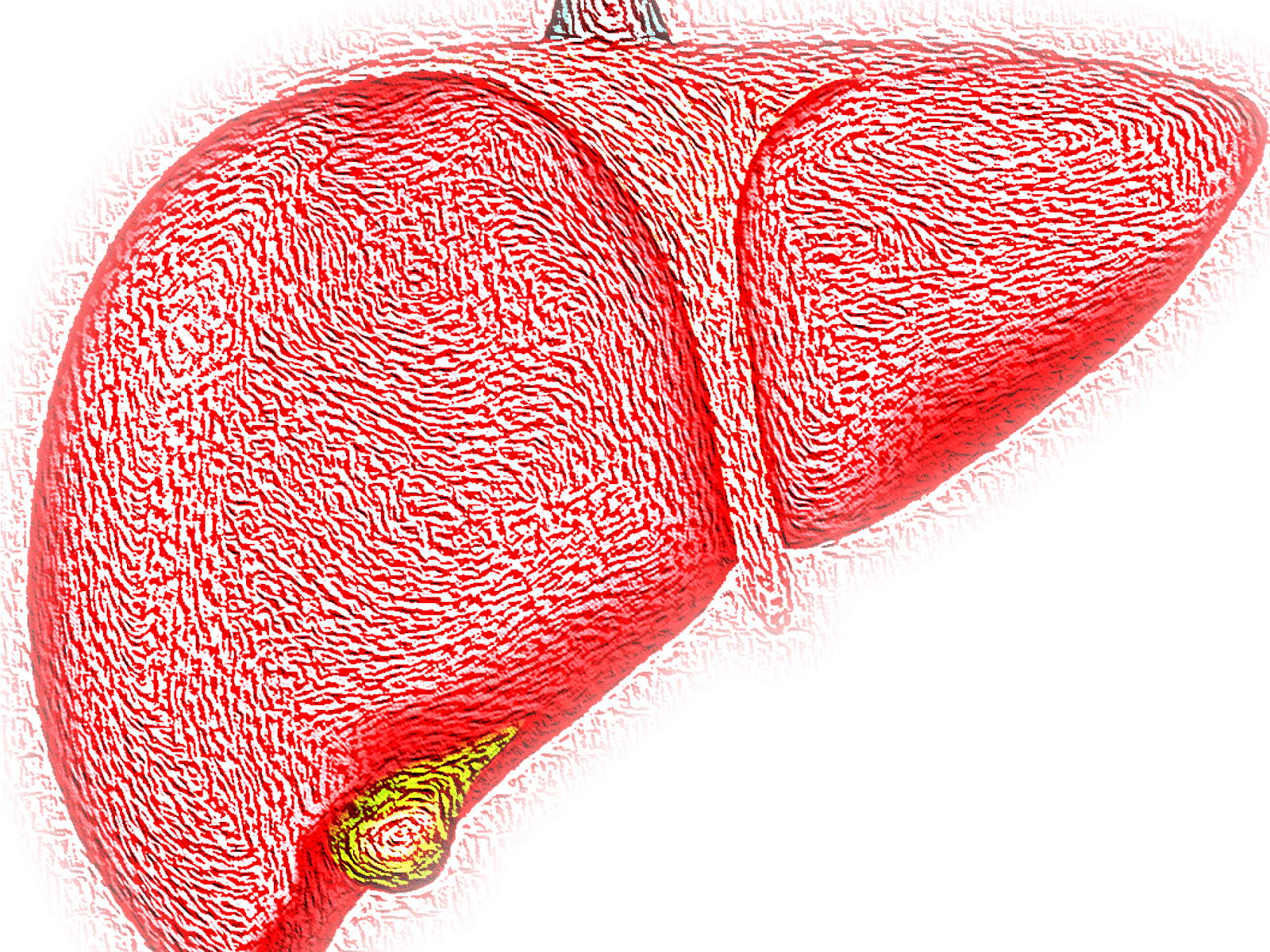
Serious alcoholics can also experience issues with their liver. These issues can include a fatty liver, cirrhosis, fibrosis, and alcoholic hepatitis — which is an inflammation of the liver that can lead to fatal liver damage.

Alcoholism also increases your chances of developing certain types of cancer, including esophageal, liver, breast, and colorectal cancers.

Learn More About Alcohol Rehab for Lawyers at Best Rehabs In Arizona: Call Today

866-263-1847


Mental Illness and Alcoholism

Alcohol does not just increase your risk of certain physical health problems. It also poses a risk to your mental health. People who abuse alcohol are far more likely to experience problems with anxiety, depression, and stress. These issues stem from the way that alcohol changes the chemicals in your brain.

Alcohol is a depressant, which means that it makes your brain release chemicals to make you feel relaxed. Excessive drinking releases too much of these chemicals, which can lead to feelings of depression.

Alcohol abuse also makes it difficult for your body to release these chemicals when you are not drinking. This means that, when the effects of alcohol are wearing off, some lawyers struggling with alcoholism feel even more depressed or anxious. This makes them crave alcohol to try and make these symptoms go away. Hence, this is why alcoholism is considered a chronic disease.

It becomes impossible for people who abuse alcohol to regulate their emotions without alcohol, and your brain craves alcohol to release these chemicals.

The Alarming Rates of Alcoholism Among Lawyers Best Rehabs In Arizona - A lawyer is speaking with an addiction therapist about his increase in alcohol intake that could be considered alcoholism, and he is trying to find out the next steps in getting clean from this harmful substance.

How do I Know if I am Struggling with Alcoholism?

For many people, it can be challenging to see or admit they have a drinking problem. This is especially true for lawyers because they often think their high level of education makes them immune to such a problem.

However, alcoholism has many clear signs that people can notice — whether you are a lawyer or not.

Ask yourself these questions:

  • Do you often end up drinking more than you meant to or for longer periods of time?
  • Have you tried to cut down or stop your drinking but found you could not?
  • Do you spend a lot of time recovering from hangovers?
  • Do you feel a strong urge to drink when you are sober?
  • Does your drinking interfere with your ability to do your job?
  • Is your drinking causing issues in your family life, with friends, or with other social relationships?
  • Have you given up activities or hobbies you used to enjoy to drink instead?
  • Have you ever participated in risky activities while drinking, such as driving while under the influence or having unsafe sex?
  • Do you keep drinking even though it makes you feel depressed or anxious?
  • Do you know that drinking is causing problems with your health but still cannot stop?
  • Are you finding that you have to drink more and more in order to feel the effects?
  • Have you ever experienced withdrawal symptoms (such as insomnia, shakiness, depression, nausea, or sweating) when you are not drinking?

If you answered “yes” to two or more of these questions, there is a good chance you are abusing alcohol. No one is immune to the risk of alcoholism, no matter what their career or lifestyle consists of. Your drinking problem is likely to only get worse if you do not seek help.

24-Hour Alcoholism Rehab Hotline – Get Help Now

877-651-3366


Treatment Options for Alcoholics

No matter what your background or career is, it is important to seek treatment at alcohol rehab to start your path to long-term sobriety.

There are many types of treatment options available to help you to get sober. There are both medicines and behavioral therapy treatments available to help overcome addiction.

Currently, there are three approved medicines for alcoholism treatment, including:

  • Disulfiram – This medicine makes you nauseous and your skin flush if you drink alcohol. These unpleasant side effects can make it easier for you to manage cravings and avoid drinking alcohol.
  • Naltrexone – This medicine works in your brain to block the effects of alcohol, so you can no longer get drunk. It also reduces cravings, which helps you to stop drinking with fewer negative side effects.
  • Acamprosate – This is another medicine that helps to reduce cravings for alcohol. It is especially effective in helping people right after they stop drinking.

In addition to medical treatment, your alcohol rehab program should also include behavioral therapy. By working with counselors, you learn to see the behaviors and thought processes that may have led to your alcoholism. These sessions take place in both individual and group settings.

Many alcoholics benefit greatly from group therapy sessions because they allow you to talk about your experience with people who understand exactly what you are going through.

For alcoholics with families, family therapy is another option that you should consider. By including your family in your treatment plan, you can help to repair any damage that your alcoholism has caused in your relationships. This helps to strengthen the family bond and your support system, lowering your chances of experiencing a relapse.

Free Insurance Verification for Alcoholism Treatment – Get Help Now

877-651-3366


Get the Help You Need at Alcohol Rehab Today

It is no secret that lawyers have high-stress jobs. It is typically this stress that leads lawyers to abuse alcohol.

However, there are better ways to manage your stress that do not pose a risk to your health.

At Best Rehabs In Arizona, we know exactly what it takes to get your life back to normal after addiction treatment.

Our premier addiction treatment centers are located in upscale areas throughout Arizona and Colorado.

Our luxury locations provide a comfortable and home-like atmosphere so that our clients feel safe and secure throughout their treatment program.

We help ensure your success by using only scientifically-backed, cutting-edge, and effective drug and alcohol addiction treatment programs.

We have over 25 years of experience in helping people with addictions and co-occurring disorders to fight for a healthier and sober life.

Many of our clients wonder whether or not they will be able to take advantage of their health insurance benefits to help cover their treatment.

That is why we offer free insurance verification to see what your insurance policy covers and how we can help financially get you to treatment.

Simply give us a call, and one of our addiction specialists will check what your treatment program is covered by your insurance before you begin treatment.

At Best Rehabs In Arizona, our clients trust us to communicate with your insurance provider to ensure you receive every benefit you are entitled to.

There is no shame in admitting you have a problem with alcohol, no matter what profession you are in.

Let us use our years of experience to get you on the path to a meaningful and lasting recovery.

Contact us today, and see the difference in the recovery process for the treatment of alcoholism — especially with lawyers and other professionals in high-stress careers.

Common Symptoms of Alcoholism & Symptoms of an Alcoholic

About Alcoholism

Alcoholism is an unfortunate epidemic in the United States that affects millions of Americans each year, especially when people start noticing symptoms of an alcoholic.

It can adversely affect the lives of you or your loved ones when one is showing symptoms of an alcoholic.

Alcoholism is dangerous to your health, the safety of you, and those around you.

You must understand the symptoms of an alcoholic and how destructive they can be over time.

Alcoholism is a unique addiction disorder because drinking is legal for people over the age of 21.

Using many other addictive substances is not legal or socially accepted.

However, when a person comes of age, people expect and even encourage them to drink alcohol.

Social drinking, such as at parties or events, is commonplace and routine.

Often times, it is this misfortune that drives most adults on an early course of becoming an alcoholic.

If children or teens begin drinking at a young age, alcoholism is more likely to develop tenfold.

Though it is illegal, drinking is commonplace among teens.

Some consider binge drinking on the weekend a cool activity in college or high school.

Though light alcohol in your teens can seem harmless, it puts you at risk for developing an addiction later in life.

If teens consume too much alcohol for too long, the body forms a dependency quickly and suddenly.

Alcoholism occurs when your ability to stop or limit drinking becomes impaired.

Though alcoholics face adverse consequences and life changes due to their addictions, they cannot control their drinking because it has become compulsive.

Alcoholism develops slowly over long periods and is sometimes seemingly hidden.

Significant symptoms of an alcoholic that you should watch out for if you believe you or someone you love may be suffering from an alcohol use disorder.

Common Symptoms of Alcoholism Best Rehabs In Arizona - A young woman who has been showing symptoms of an alcoholic is meeting with an addiction advisor to see if she needs inpatient treatment to break free from her alcohol abuse disorder.

Understanding the Symptoms of an Alcoholic

It is not always simple to tell when someone struggles with alcoholism. Increased consumption of alcohol over long periods leads to a higher tolerance in the user.

It can seem as though the person has no impairment or alcohol influence when they may have a high tolerance. Though it may not be as easy to spot an alcohol use disorder’s physical effects, there are behavioral and emotional signs and symptoms of an alcoholic to look out for.

The National Institute on Alcohol Abuse and Alcoholism (NIAAA) lists the following activities as symptoms of alcoholism:

  • Experienced times where you end up drinking more or longer than originally intended
  • More than once wanted to limit or stop drinking but couldn’t
  • Spent a lot of time drinking or being sick from its effects afterward
  • Wanted a drink so badly it was hard to think of anything else
  • Found that drinking or its aftereffects were impeding you from your responsibilities with your family, home, career, or education
  • Continued to drink even though it was causing you trouble in personal relationships</career,>
  • Stopped activities that were important to you to keep drinking
  • Continued to drink even though it was making a mental health issue worse

These are not the only adverse effects of alcohol use disorder. Alcoholism transforms a person’s life and changes the way they interact with others. The need for alcohol takes over almost everything else and blinds you. It is easy to forget about the people and things you love when alcohol is the only thing on your mind.

Drinking becomes compulsive–something you no longer want to do but have to. When you stop drinking alcohol after prolonged addiction, you will experience challenging and sometimes painful alcohol withdrawal symptoms. Alcohol addiction is common and distressing, but it does not have to last forever.

If you are struggling with alcoholism, know that it is possible to recover. Rehabilitation programs like ours exist to help you overcome your addiction and regain control of your life.

Immediate Placement in Alcohol Rehab – Get Help Now

877-651-3366


Effects and Abuse of Alcoholism

In addition to causing changes in behavior and lifestyle, alcoholism causes physical and mental health problems. If left unaddressed, these issues can progress to a life-threatening level. The NIAAA states that over-consumption of alcohol can affect the brain, heart, pancreas, and liver. The following are health risks caused by alcohol addiction (NIAAA):

  • Stretching and drooping of the heart muscle
  • Irregular heartbeat
  • Stroke
  • High blood pressure
  • Interference with the brain’s communication pathways
  • Changes in mood, behavior, or coordination
  • Fatty liver
  • Alcoholic Hepatitis
  • Fibrosis
  • Cirrhosis

Increased alcohol consumption also causes a risk of toxic substance production by the pancreas and a higher risk of cancer. Types of cancer that alcoholism sometimes leads to include head and neck cancer, liver cancer, and breast cancer (NIAAA). The long-term symptoms of an alcoholic cause significant issues with physical and mental health.

Learn More About Alcohol Rehab at Best Rehabs In Arizona: Call Today

866-263-1847


Mental Illness and the Symptoms of an Alcoholic

You must remember the symptoms of an alcoholic if you or someone you know struggles with mental illness and drinks alcohol often.

Mental illness puts people at an increased risk of developing alcoholism later in life. Issues with mental health sometimes exacerbate alcohol detox symptoms as well.

Diseases that have the potential to lead to alcoholism include depression, anxiety, and PTSD. If you have experienced trauma as a child, you are also at an increased risk for developing an alcohol use disorder.

If you have a mental illness and think you may have a drinking problem, the surest thing is to seek treatment right away. Mental health issues and alcoholism should receive medical attention to ensure the best chance of recovery and a low relapse rate.

24-Hour Alcohol Rehab Hotline – Get Help Now

877-651-3366


Treatment for the Symptoms of an Alcoholic

Treatment for alcoholism begins at a rehabilitation center or hospital by expert physicians and staff. Medication, counseling, and support groups are all common forms of treatment for alcoholism. No matter how long you have been suffering from alcoholism or how severe your drinking problem is, treatment is beneficial. Though complete recovery after treatment can’t always guarantee, rehabilitation center professionals do their absolute best to supply you with the necessary resources.

The NIAAA lists three treatment types to address alcohol use disorders: behavioral treatment, medications, and support groups.

Behavioral treatment helps patients develop positive coping mechanisms to deal with the body’s compulsive want for alcohol. Medications treat alcohol withdrawal symptoms during detoxification and have the ability to lower the risk of relapse.

Support groups attended by other people who struggle with alcoholism are common because they create helpfulness and understanding.

Common Symptoms of Alcoholism Best Rehabs In Arizona - A group of individuals who were showing symptoms of an alcoholic is attending a group therapy session to discuss these signs and symptoms and how to get on the path to recovery today.


Free Insurance Verification for Alcohol Rehab – Get Help Now

877-651-3366


Payment for Treatment

We offer free insurance verification for treatment.

Our company understands how challenging it is to finance rehabilitation for alcohol use disorder.

The price is not small, but recovery is worth it.

Let us help you through your alcohol addiction and alcohol detox symptoms by contacting us about recovery today.

We are passionate about the work we do treating alcoholism and helping people secure a better life.

Recovery is a long process, but we promise to support you every step of the way.

We cannot guarantee complete recovery or no relapse, but we can assure you that treatment is worth the time and money.

Care from compassionate and skilled professionals who put your health and well-being first and support others who understand your situation is beneficial.

Get in touch with us to find out more about our rehabilitation programs, support groups, and passion for what we do.

Am I an Alcoholic? Signs You’re Drinking Too Much

A woman looks back after a night of drinking at a man with a bottle in his hand on a bed, both should be asking themselves, Am I an Alcoholic?

Did you know that around 6.2 percent of the population has an alcohol disorder? Many ask themselves in the course of drinking, ‘Am I an Alcoholic?’

We’ve written this article as a helpful resource, and we feel its especially needed, since of those people who have a drinking problem, only 6.7 percent have sought treatment or help for their disorder in the past year!

While there are a variety of reasons why so few people seek treatment, one of the most common reasons is that some people don’t fully realize that they have a problem.

The statement “I’m an alcoholic” can be difficult to muster. But once you do, you’ll have taken your first important step on your road to recovery.

But, how exactly do you know if you’re an alcoholic or if you’ve just been partying a little too hard lately?

Check out this guide to learn the top signs that you’re drinking more than you should be.

What is Alcoholism?

There’s a lot of misinformation out there about alcoholism, so let’s start by discussing what exactly the disorder is.

If you suffer from alcoholism, then you suffer from the most serious form of a drinking problem. Those who are alcoholics put drinking above all other obligations, including family, work, and relationships.

In some cases, alcoholics build up a strong physical tolerance, which makes it very hard for them to withdraw from the substance without some adverse effects.

It’s also important to note that alcoholism is different from harmful drinking. While harmful drinking can be detrimental to your health, it’s usually an occasional pattern that doesn’t overtake your entire life.

However, harmful drinking can develop into alcoholism, so it’s still important to be aware.

Warning Signs of Alcoholism

Now that you have an idea of what alcoholism is, let’s take a look at some of the top warning signs that you’re drinking too much.

1. You Drink More Than Planned

Have you noticed lately that when you go out for a drink with friends, it always turns into 5 or more? Or, maybe when you pour yourself a glass of wine at home, you always end up drinking the whole bottle and then some?

While overdrinking happens to all of us from time to time, you need to watch yourself if it’s become a regular pattern for you. Typically, this is an early sign of alcoholism.

2. You Spend A Lot of Time Drinking

When we say a lot of time, we’re not talking about how long you spend nursing a glass of wine.

Instead, we’re talking about how much time drinking takes up your schedule. If you add up the amount of time you spend getting the alcohol, drinking, and recovering from your hangover, you may find that alcohol is eating up a good chunk of your schedule.

For the next few weeks, keep track of how much time drinking eats up in your daily schedule.

3. Your Tolerance Has Increased

If you notice that it takes more and more alcohol to get a buzz going, then there may be a problem.

Unless you see significant changes to your health or weight, your tolerance should remain at about the same level.

If you notice your tolerance has gone up, that’s a sign that your brain has adapted to the alcohol over time and become less sensitive to its effects.

4. You Crave Alcohol

We’ve all dealt with cravings before, but craving alcohol is a whole nother issue.

You may find that there are times you want a drink so badly that you can’t think about anything else.

This urge may be triggered by your environment, certain people, or your emotional state.

If you have a drinking problem, your brain will react differently to these triggers than someone who drinks socially. Basically, your brain will make you believe that you can’t practically go on without a drink in your hand.

5. You’ve Given Up Other Activities

Have you slowly been giving up all of your other hobbies so that you have more time for drinking?

Take some time to think about how you use your free time now as opposed to who you used to use it. Has your drinking edged these activities out of your schedule? Or has your hangover prevented you from doing them?

If so, you may have a problem.

6. You Keep Dropping the Ball

We’ve all had times where we’ve missed a deadline, forgotten about a social commitment, or didn’t give our all at work.

However, if screwing up like this has become a pattern and your drinking has caused you to flake on other responsibilities, then there may be a problem.

7. Relationship Issues

Do you find yourself at a constant tug of war between your loved ones and alcohol?

Has your drinking led to trouble with family and friends? Do you keep drinking despite these troubles?

If you’ve answered yes to any of these, then that’s a definite sign that you’ve been drinking too much.

While having relationship issues doesn’t make you a bad person, it does make getting help all the more urgent. The last thing you want is to do irreparable damage to your relationships because of alcohol.

8. You’ve Experienced Withdrawal

Alcohol alters your brain chemistry. This means that when you drink heavily for a long period of time, your brain starts to adapt to this state of being.

When you suddenly stop drinking, your brain has to readjust, which in turn causes symptoms of withdrawal.

Here are some of the top withdrawal symptoms to watch out for:

  • Nausea
  • Anxiety
  • Sweating
  • Restlessness
  • Shakiness
  • Trouble sleeping
  • High blood pressure
  • Seizures
  • Disorientation
  • Visual hallucinations
  • High fevers
  • Vomiting

While the symptoms of withdrawal typically improve within 5 days, some people experience prolonged symptoms.

It’s also important to note that if you’ve been drinking heavily for a while, withdrawing from alcohol on your own can be quite dangerous. This is why it’s a good idea to withdraw under the supervision of medical professionals.

9. You’ve Endangered Your Life

When you’re impaired, your brain doesn’t grasp short-term or long-term consequences as well as it does when you’re sober.

This can often lead to poor decisions and putting yourself in risky situations. If you’ve ever driven, fought, swam, or had unsafe sex while under the influence of alcohol, then you may be heading towards dangerous territory.

10. You’re Experiencing Health Problems

When we say health problems, we’re not just talking about a nasty hangover following the day of drinking.

Alcohol can cause major damage to your body. In fact, it can harm your liver, pancreas, heart, brain, and immune systems. It can also cause you to gain weight and increase your risk of getting certain types of cancers.

11. You’ve Found Yourself in Legal Trouble

Have you had run-ins with the law or been arrested while you were intoxicated?

If so, then your alcohol problem may be getting quite serious.

Legal trouble is usually a sign that drinking has become your number one priority, and that you’re fine sacrificing your career and other important responsibilities for alcohol.

12. You Want to Stop But Feel Like You Can’t

If you want to stop drinking but you feel like you can’t, then that’s a red flag.

Oftentimes, people with alcohol disorders actually try to cut down, but find themselves falling right back into their old habits as soon as they have a bad day or are triggered in some sort of way.

If you find that you keep coming back to alcohol no matter how hard you try to avoid it, it’s time to seek help.

What to Do Next

If any of these situations seem familiar to you, then it’s time to seek help.

While seeking help and admitting you have a problem can be very difficult, doing so can save your life.

Talk to a trusted family member or friend, counselor, or medical professional. There are tons of resources out there for those with drinking problems, and getting your life back on track is just one conversation away.

Plus, there are all sorts of ways to make quitting alcohol work with your lifestyle. You could go to counseling, attend meetings, or attend an outpatient or inpatient program.

If you believe that your drinking problem has become quite serious, then attending a treatment program is usually your best bet at getting sober.

With a treatment program, you’ll be surrounded by medical professionals whose goal it is to help you get sober. Medical professionals can also help ensure a safe detox and that you have a supportive environment once you finish up with your treatment.

I’m an Alcoholic: Are You Ready to Take the Next Step?

If you find yourself saying “I’m an alcoholic” after reading this article, then today is the day to seek help. 

If you think entering a treatment program is the right choice for you, then get in contact with us today. We can help get you start your journey on the road to sobriety. 

What NOT to Do During an Addiction Intervention

Are you planning on holding an intervention for a loved one who is addicted to drugs or alcohol? Before you do, you should always consider hiring a professional to help and at the very least familiarize yourself with our guide to ‘What NOT to Do During an Addiction Intervention.’

According to the U.S. Bureau of Labor Statistics, there are more than 300,000 substance abuse, behavioral disorder, and mental health counselors working throughout the country right now.

Many of them can lead an addiction intervention for you.

Outside of bringing a professional on board for your intervention, you should also make sure you go through all the proper preparations for it. More specifically, it’s important for you and those who will be taking part in an intervention to learn about what not to do during one.

If you don’t do this, those participating in an intervention might say or do the wrong things and cause it to fail. Here are nine things you shouldn’t do during the addiction intervention that you hold.

1. DON’T Stage an Intervention Without Planning It First

Most people decide to stage an addiction intervention for a loved one when they’ve finally had enough of their behavior. And they’re sometimes in such a rush to do it that they don’t take any time to plan out how they want the intervention to go.

Do not do this! While you might be tempted to rush into staging an intervention, you’re not going to be able to make the most of it if you take this approach.

Rather than rushing into an intervention, sit down and ask yourself these questions:

  • Who should attend the intervention?
  • Who should I hire to host it?
  • Where should I hold it?
  • Should everyone get a chance to speak during it?
  • What order should people speak in during the intervention?

You pretty much want to plan out your entire intervention before it begins. You and those who are going to attend it might even want to run through the intervention from start to finish to see how effective it is prior to holding your actual intervention.

2. DON’T Bring an Addict to an Intervention When They’re Under the Influence

When you welcome your loved one into their intervention, you want them to have an open mind and be able to process everything that people say to them. You do not want them to be under the influence of drugs and alcohol while their intervention is taking place.

If they use drugs or alcohol right before the intervention, they might not understand exactly what’s going on. They might also not take it seriously. They might even forget some of the things that are said and done during it later.

So if you sense that a person might be even slightly under the influence, cancel their intervention and schedule it for another time. It’ll be worth waiting until they’re in a better state of mind.

3. DON’T Lose Your Temper the Second an Intervention Starts

As we alluded to earlier, there’s a good chance that you’re going to be at your wit’s end when you make the decision to stage an intervention for your loved one. You’re going to be so upset and, in some cases, even angry with regards to their drug or alcohol use.

It’s okay to be angry. But it’s not okay to lose your cool as soon as an addiction intervention starts.

The last thing you want to do is blow up on your loved one by expressing your rage at the beginning of an intervention.

Many people will naturally go on the defensive the second you snap at them. They might start to yell back at you, and they might even get up and walk out as soon as you start screaming.

You’re much better off keeping your cool and reading something that you’ve prepared in writing ahead of time. It’ll have more of an impact on a person than you might think.

4. DON’T Pass Judgment on an Addict While Talking at an Intervention

In addition to trying to keep your composure while you’re talking to your loved one, you should also do your best to avoid passing judgment on them.

The point of an intervention isn’t to make a person feel awful about themselves. It’s to show them what effects their actions are having on other people. And you can talk about how their behavior is affecting you without judging them every step of the way.

Steer clear of saying things like: “The way that you’re choosing to live your life right now is so wrong. You are hurting your friends and setting a terrible example for the younger members of your family.”

Instead, speak on some of the specific ways in which your loved one’s behavior is taking a toll on you. If you need a hand wording things the right way, talk to the professional who is helping put the intervention together.

5. DON’T Speak Over Others Who Are Trying to Talk During an Intervention

More often than not, everyone who attends an intervention will get at least some time to talk to their loved one. Some people might get more time than others, but everyone will get the opportunity to say their piece.

When it’s not your turn to talk, you should keep quiet and let others say whatever it is that they want to say. You shouldn’t try to talk over them or talk to other people at the intervention about what’s being said.

This is very important since your loved one might not be able to focus if a bunch of people start talking at once. It’s going to lessen the impact of the things that are being said during an intervention.

6. DON’T Make Excuses for an Addict in the Middle of an Intervention

When an addict is sitting in front of their family members and friends at an addiction intervention, it’s not uncommon for them to try and come up with excuses for their behavior.

Unfortunately, it’s also not uncommon for some of an addict’s family members and friends to make excuses for them. In some instances, these family members and friends have spent years enabling an addict.

If you feel as though you might fall into this category, make every effort to avoid making excuses for your loved one. You might think that you’re helping them by rationalizing their behavior to others. But you’re really just enabling them to continue doing what they’re doing now.

7. DON’T Gripe With Others While Attending an Intervention

In a perfect world, all the people at an intervention would be on the same page and feel the same about a person’s addiction. But there are times when family members and friends will gripe among themselves during an intervention and ruin it.

“Maybe if you were around a little more often when Johnny was younger, he wouldn’t be in this position right now,” Mom will yell at Dad.

“I knew your parents should have been stricter with you when you were little,” Grandma will yell at her daughter and son-in-law.

And before you know it, the people who are supposed to be showing their love and support for an addict are allowing gripes to get in the way.

This is another reason why hiring a professional is so important. They’ll stop those at an intervention from bickering and help them maintain a united front.

8. DON’T Fail to Present Solutions to an Addict at the End of an Intervention

What is it that you want an addict to do at the end of an intervention? Do you want them to:

  • Check themselves into an inpatient rehab facility?
  • Consider going to an outpatient rehab facility?
  • Attend some kind of support group for those with their specific addiction?

Whatever the case may be, you should have solutions to present to a person once their addiction intervention is over. You don’t want them to agree to go to rehab immediately only to realize that you don’t know where to take them.

Write down a list of solutions to their problem and be prepared to help them in any way possible.

teenage-drug-abuse

9. DON’T Give Up If an Intervention Doesn’t Work

There is no guarantee that an addiction intervention is going to work. No matter how hard you plan for it, any number of things can stop it from being successful.

If you’ve ever watched the reality TV show, Intervention, you know that a lot of interventions are successful to some degree. But there are also plenty of people who have died of overdoses after appearing on the show and getting help.

You shouldn’t let this stop you from continuing to try and help your loved one. Even if an intervention isn’t successful—either in the moment or months down the line—you should keep doing whatever you can to get your loved one the help they need.

Begin Planning an Addiction Intervention for Your Loved One

As long as you take the time to plan it out and avoid doing everything we mentioned here, you can stage a successful addiction intervention.

You can give your loved one the nudge they need to seek professional help for their battle with addiction. The key is to use an intervention to shine a light on how your loved one’s behavior is affecting both them and those who are all around them.
Contact us today to find out how we can help your loved one. We specialize in treating those battling alcoholism, heroin addiction, prescription pill addiction, and more.

Dual Diagnosis: What Is a Co-Occurring Disorder?

Approximately 50% of people who experience a mental health condition will also experience a problem with drugs or alcohol. With this realization, we thought it wise to look more into ‘Dual Diagnosis: What Is a Co-Occurring Disorder?’  

When addiction and a mental health disorder occur together, it’s called co-occurring disorder. People suffering from co-occurring disorders need a different approach than traditional programs.

Co-occurring disorders need a treatment program that addresses both conditions together. Without an integrated approach to treatment, the condition that persists will hinder recovery.

Keep reading to learn more about this mental health diagnosis. Choosing the right treatment means knowing where to look for help.

What Is A Co-Occurring Disorder?

A co-occurring disorder is when a substance use disorder and a mental health disorder exist at the same time. It’s also known as dual disorders or a dual diagnosis.

The term applies to any combination of addiction and mental health disorder. For example, depression and alcoholism or anxiety and prescription pill addiction. It could also mean posttraumatic stress disorder and gambling.

Co-occurring disorders put an individual at a higher risk for some problems. These include relapses, financial problems, and family problems, and social isolation. Other problems include incarceration, serious medical illness, and sexual and physical victimization.

Understanding Substance Abuse Disorder

Substance abuse disorder can range from mild to severe. It can involve any number of drugs as well as alcohol.

Addiction is a disease that involves alcohol or drug abuse. Sometimes, but not always, it also involves dependence.

Drug and alcohol abuse is the use of a substance to the point that it interferes with life. This includes relationships, work, and school.

Dependence is more severe than abuse. Dependence is when a person is unable to abstain from or control their use of substances.

Drugs and alcohol change your brain chemistry over a prolonged period of use. Over time, this can lead to physiological dependence.

This is why someone with an alcohol or drug dependence experiences withdrawal symptoms. And withdrawal symptoms can be a deterrent to getting and staying clean.

Understanding Mental Health Conditions

Every year, 54 million people in the US suffer from a mental health condition. With over 200 types of mental illness, the specifics of each are wide and varied.

Every mental health condition has its own range of symptoms. And symptoms affect individuals in different ways.

For example, many people experience periods of depression and anxiety. The problem occurs when these symptoms impact daily life and relationships. At the point, it may indicate a mental health condition.

Some mental health conditions are more common in co-occurring diagnoses than others. Mental illnesses commonly found in co-occurring disorder are depression and anxiety. But they can also include bipolar disorder and schizophrenia.

What Comes First?

It’s not always possible to tell what disorder was first. The fact is that both disorders have a compounding effect on one another.

The disorders exacerbate the symptoms of each other. This makes it very difficult to tell what symptoms are caused by what disorder.

Causes of Co-Occurring Disorders

Mental health conditions and substance abuse disorders share common causes. The development of these conditions is usually a combination of the following factors.

Biology

Brain chemistry varies between individuals. Some people’s brain chemistry is more prone to developing addictions. Changes in the chemical makeup and function of the brain can be caused by many things. This includes injury, early childhood exposure, prenatal development, and many other things.

Environment

Not having a supportive community can affect your tendency towards drugs. Having easy access to drugs and alcohol also makes you a higher risk for drug use. And a home permissive of drug and alcohol use is also a factor in addiction and mental health.

Trauma

Trauma can be caused by physical, emotional, and sexual abuse. It can also be caused by personal experiences during a natural disaster or in a war. Even exposure to trauma can have a devastating effect on one’s mental health.

These experiences may lead to a condition like PTSD or anxiety disorder. But they can also cause a person to cope with negative thoughts by turning to drugs and alcohol.

Genetics

If you have a relative that struggles with mental health or addiction, you have a higher likelihood of developing one yourself.

Risk Factors of Co-Occurring Disorders

There are some factors that put you at a higher risk of developing a co-occurring disorder. These include:

  • Having one or more mental illnesses
  • Being newly diagnosed with a mental illness
  • Not receiving adequate treatment for a mental illness
  • Recent traumatic experience(s)
  • Prolonged or untreated substance abuse

Addiction and mental health don’t discriminate on social status, race, occupation, or gender. They can affect anybody at any time in life.

Symptoms of Co-Occurring Disorders

There are significant variations in the symptoms of a co-occurring disorder. The symptoms depend on the mental health condition involved. It also involves the type of substance and degree of abuse.

Some symptoms of a co-occurring disorder are as follows:

  • Financial trouble
  • Legal trouble
  • Instability in employment
  • Instability in housing
  • Social isolation
  • Sexual deviance (including prostitution)
  • Aggression and violent behavior
  • Unexplained shifts in mood
  • Poor personal hygiene
  • Health problems
  • Noncompliance

Suicidal thoughts are a common symptom for people suffering from co-occurring disorders. For that reason alone, seeking immediate help after receiving this diagnosis is crucial.

Diagnosing a Co-Occurring Disorder

The symptoms of mental health overlap with the symptoms of substance use disorders. This makes it difficult to identify which condition caused the other. This can also make co-occurring disorder difficult to diagnose.

But two key factors help a medical professional diagnose the co-occurring disorder. These symptoms make themselves present during treatment.

One symptom is a mental health condition that worsens while receiving treatment. If treatment isn’t working, the problem might be that there’s a co-occurring disorder.

People who have mental health disorders sometimes use substances to self-medicate. Self-medicating brings relief for their symptoms.

While receiving treatment for the mental health condition, they’re unable to take substances. When you take away the substance, their mental health symptoms become more pronounced

Another sign of a co-occurring disorder is substance abuse treatment that doesn’t help. When someone with a co-occurring disorder gets clean, their mental health condition persists.

Without addressing the underlying mental health condition, they’ll find it difficult to stay sober as those symptoms persist.

Co-Occurring Disorders Treatment

Mental health disorder and addiction problems used to be treated as separate issues. But we’ve learned more about co-occurring disorders.

Today we know that treating the conditions separately doesn’t have much success. Treating the mental health condition will not automatically improve the substance use disorder. The same can be said for the other way around.

Instead, treatment for co-occurring disorders requires one, integrated treatment plan. An integrated treatment plan means coordinating both the substance use program and mental health intervention.

This integrated approach to treatment should begin while an individual is detoxing. Following detox, an inpatient or residential rehabilitation program should be attended.

This gives the individual a chance to address both conditions without the influence of drugs and alcohol. It also provides a safe and structured environment. There, they can begin therapy and building life skills.

Treatment programs specializing in co-occurring disorders will typically offer similar schedules. This includes group sessions, family therapy, and individual therapy.

In individual therapy, patients will use behavioral treatments such as cognitive behavioral therapy. These therapies help the patient to understand and change their behaviors.

Because of the mental health condition, many programs also offer pharmacotherapy. This involves using medication to treat the underlying mental health condition.

Co-occurring disorders need different treatment than single-diagnosis. Typically, that means longer and more intense treatment.

The combination of disorders means that there is more to understand. There are more behaviors to manage and the patient needs to learn coping tools for both conditions.

It also means that co-occurring disorders require a comprehensive aftercare program to support the patient in their real world circumstances.

The Right Diagnosis and Treatment

A co-occurring disorder involves substance abuse disorder and a mental health disorder. These two conditions exist at the same time, and they exacerbate one another. Meaning they make the symptoms of each worse than they would be on their own.

Because they’re intertwined, there’s no way to tell which caused the other. Regardless of which came first, they must be treated at the same time. Treating one and not the other doesn’t work.

These disorders need an integrated approach to treatment. But only specialized facilities have the resources for this type of treatment.If you or a loved one has been diagnosed with a co-occurring disorder, we have the tools and resources you need to get help. Contact us for more information.

How Does Alcohol Affect the Liver: What to Know

You don’t have to be an alcoholic to experience the harsh effects alcohol has on your body. While short-term effects include intoxication and dehydration, the longer term effects are much more harmful, especially to your liver. To avoid the worst effects, we provide answers to, ‘How Does Alcohol Affect the Liver?’ 

Of all the alcohol you consume, 90-98 percent is broken down directly by your liver. This creates a lot of extra work for your liver, taking it away from other jobs it could be performing. You might be thinking, “how does alcohol affect the liver if I only have a drink here or there?”.

What Is the Role of Your Liver?

Alcohol is the causes of 4 out of 5 deaths from liver disease. And once you begin consuming alcohol, the damage begins. The effects won’t be seen immediately as the liver is amazingly resilient and can repair itself.

Your liver is one of the most vital organs in your body. It is the largest organ of the body with over 500 functions, including helping rid the body of toxins and other harmful substances while also storing vitamins, iron, and glucose. Not only this, but it helps filter waste and regulates blood clotting.

When you consume alcohol, it’s as if a foreign toxin has been introduced to your body. Alcohol produces acetaldehyde, which damages the cells in your liver and causes liver scarring.

If you’ve ever had a hangover, you’ll know how dehydrated you feel the day after a long night of drinking. This is because alcohol dehydrates your body. This is particularly detrimental because water is essential to the function of your liver.

Alcoholic Hepatitis – Inflammation of the Liver

Alcoholic hepatitis is also known as the inflammation of the liver. Once diagnosed, you should stop drinking alcohol immediately. If you continue to drink, it can lead to permanent liver damage or even death.

You might be thinking that this type of illness only occurs in those who drink heavily over long periods of time. While that does play a role in acute alcoholic hepatitis, there isn’t a direct correlation between alcohol consumption and this disease. Even if you’re only a social drinker you can still develop alcoholic hepatitis.

When your body starts to tell you something’s wrong, it’s important to listen to your symptoms and respond accordingly. You might notice a yellowing of your skin and eyes, caused by jaundice. This is the most common sign of alcoholic hepatitis.

Other things you might notice is a loss of appetite. Anytime you consume a large amount of alcohol, you won’t feel hungry. So instead of eating your calories, you’ll be consuming them in the form of alcohol. You might also notice you’re more tired than usual, have a low-grade fever, or experience an upset stomach.

Fatty Liver – Steatosis

Fatty liver disease, or steatosis, means exactly what it sounds like, you have extra fat in your liver. This is one of the earliest stages of alcoholic liver disease.

This disease will rear its head in 90 percent of people who consume anywhere between one and a half to two ounces of alcohol each day. While this disease is brought on by drinking heavily, it can also occur with long-term drinking and can range in severity from patient to patient.

The difficulty with fatty liver disease is that the symptoms are usually understated. Sometimes you’ll simply feel more tired than normal, have some abdominal pain, or experience sudden weight loss. In order to determine if you have this condition, you’ll need to be diagnosed using a blood test at your doctor’s office.

Although fatty liver disease is brought on by constant drinking and consuming more than your liver can process, the effects can be reversed in 4-6 weeks by stopping alcohol consumption as soon as you’re diagnosed.

Cirrhosis

Cirrhosis is the final stage of long term liver disease. This can be brought on by a number of things, one of those including alcohol abuse. This means there is a loss of liver cells resulting in liver scarring which leads to poor liver function.

Depending on the state of your liver, you may experience a range of symptoms, including nausea, fatigue, yellowing of the eyes and skin, as well as fluid buildup in the legs. On the other hand, you may experience no symptoms at all.

Once diagnosed by your doctor, know that there are no known cures for cirrhosis at this time. Eventually, this disease could lead to liver failure even if you decide to give up alcohol altogether.

Reducing Your Risk of Liver Disease

In the United States, long term heavy alcohol consumption is the most common cause of illness and death when considering a liver disease. Since your liver is the sole organ that processes liquor, it is more inclined to experience the greatest effects of alcohol.

Cut out Alcohol

One of the best ways to make sure your body is in the best shape possible is to stop drinking alcohol altogether, especially if you find yourself drinking multiple glasses daily. Although this won’t reverse all the effects alcohol has had on your liver, it will help make the liver healthy again.

Live a Healthy Lifestyle

Whether it means signing up for that gym membership you’ve been putting off or throwing out that carton of cigarettes, now is the time to make a healthy change. Only second to alcohol consumption, obesity is the leading cause of liver disease. It’s also been found that a workout helps to reduce the urge to drink!

Along these same lines, start to be more mindful with what you put into your body. Eating out and drinking a soda every now and then isn’t detrimental to your body, but it’s important to know your limits. Also be sure to incorporate fruits, vegetables, and water into your daily diet.

It might not totally reverse the negative effects drinking has had on your liver, but living a healthy lifestyle is a step in the right direction.

Protect Your Body

Pay close attention to other things your body is coming in contact with. If you find that you’re around aerosol sprays or other types of chemicals on a frequent basis, come prepared with the right protection. Wearing a mask when working with these can help be a barrier between your body and a harmful substance.

Protecting your body comes in many forms, not just the things you physically come in contact with, but the things you ingest as well. For instance, many medications have harmful effects when not taken at the proper dosage. If you take too much, your liver will have to work overtime to process it, which makes it harmful and toxic to your body.

How Does Alcohol Affect the Liver Break down Process?

Your liver is key in processing any alcohol that enters your body. Through a process called oxidation, your liver takes the alcohol and removes it from the bloodstream. Keep in mind, when you drink, you’re giving your body more work to do which takes it away from its main job, filtering your blood.

Throughout this process, the alcohol will move from a toxin into water and carbon dioxide. In the grand scheme of things, it takes about 1 hour for your liver to break down 1 ounce of alcohol.

When you consume too much alcohol, your liver will have a difficult time breaking it all down. This means the toxins from the alcohol will remain in your system, having potentially deadly effects.

Your Health Is at Stake

If this isn’t evidence of how alcohol affects the liver, consider how it affects your wallet. The average American spends 1 percent of their annual income on alcohol, equating to about $565 each year. So not only are you doing damage to your body, you’re damaging your savings as well.Next time you order a cold beer, consider the vital role your liver plays in your overall health. Not convinced? Read more about the link between alcohol and anxiety.

How Much Money is Spent On Alcohol Per Year

Cost of Alcohol Addiction

Alcohol abuse is known to come with a number of health and legal costs. One factor that many people tend to overlook, however, are the financial costs of drinking alcohol. Unfortunately, many people fail to realize just how much money they spend on their drinking habits each year.

Because it can be quite simple to acquire alcohol, such as when ordering a glass of wine with dinner or having a beer while at the bar, these costs can be overlooked. In time, however, these can add, leaving many people hundreds or even thousands of dollars shorter per year.

In light of America’s growing drinking population, it has become more important – and more complicated – than ever to track consumer spending habits. Particularly when both the material and physical cost of excessive drinking rates is becoming increasingly problematic.

WHAT IS THE NORMAL ANNUAL COST OF ALCOHOL?

The amount of money spent on alcohol per year can differ based on a person’s specific drinking habits, especially when taking into account the varying costs of different drinks and brands. Some people also drink more than others, making it even harder to pin down specific figures.

One way for you to find out your own personal costs is to keep track of your spending by either writing down your alcohol purchases as you make them or by totaling everything up at the end of the month.

If you purchase alcohol along with other items, like groceries, you may want to keep track as you go, unless you want to spend time looking through receipts each month to try to tabulate your costs.

HOW MUCH DOES IT COST TO DRINK ALCOHOL?

Cost of alcohol addiction

Another way to track your alcohol spending is to consider the cost of your drink of choice. The cost of certain alcoholic beverages ranges from low to high in various cases, which can play a significant role in calculating average consumer spending.

THE COSTS OF DIFFERENT ALCOHOLIC BEVERAGES

For some people, a six-pack of beer might run around $5, but for others, a six-pack of craft beer might cost upwards of $10. Wine can also vary greatly in price, with some bottles costing under $10, and others as much as hundreds of dollars.

Likewise, liquor from a store brand can cost a few dollars, but notable brands can charge much more. The size and packaging quality of a bottle, as well as the vendor from which it is purchased can also be a factor in determining the price of liquor, or any other form of alcohol.

WHAT IS THE AVERAGE ALCOHOL SPENDING FOR AMERICANS PER YEAR?

In conjunction with the The Bureau of Labor Statistics (BLS), an economic analysis provided by the Centers for Disease Control and Prevention (CDC), Americans spent an estimated $249 billion funding dangerous drinking habits within the year of 2010.

This average spending, while having recently decreased publicly, has since climbed slightly within the private sphere. Higher consumer spending within the home environment in recent years has been primarily attributed to the spread of the COVID-19 pandemic.

These findings further report that, on average, American adults drink alcohol at rates that equate to approximately one percent of their annual gross income compared to other grocery and household purchases.

This works out to around $565 per year. Over the span of their adult lives, these people can end up spending on alcohol over tens of thousands of dollars. With this BLS data, it is also important to consider one’s specific location when it comes to alcohol spending.

HOW DO THE COSTS OF ALCOHOL VARY BY CITY?

Based on the Bureau of Labor Statistics cost-of-living data per city and county health rankings, how much Americans spent on alcohol within the last few years can vary significantly based on where in the U.S. someone is located.

A vast majority of major cities in America may have a higher-than average price when it comes to the cost of drinking. These areas may increase both the price of an alcoholic beverage as well as their provisionary services, costing far more than it would to drink in more rural cities.

Cities spending more on alcohol per year include San Diego, San Francisco, Boston, Baltimore, and many other cities located in a more metro area featuring a high cost-of-living. Overall alcohol spending is far higher than it should be, regardless of where in the U.S. you live.

HOW MUCH DOES AN ALCOHOLIC SPEND PER YEAR ON ALCOHOL?

HOW MUCH DOES IT COST TO DRINK ALCOHOL

Although the reviewed cost of how much Americans spent on alcohol annually has thus far typically totaled to around several hundred dollars on drinking per year, someone who struggles with alcohol abuse may struggle far more.

Someone with an alcohol addiction will generally depend on alcohol as a mood enhancement, or to stave off withdrawals. This means that they may need a constant supply of alcohol in order to function, leading to greatly increased costs.

As their condition worsens, addicted people spend around several thousand dollars per year on alcohol, even when drinking what would be considered inexpensive brands. Spending on alcohol varies based on the volume purchased.

When it comes to alcohol addiction, these people spend far more money funding their habits than the average American might. These additional costs can be crippling, characterized by a year over year increase in spending on little other than a continuous alcohol supply.

RECOVERING FROM THE COSTS OF ALCOHOL ADDICTION AT PATHFINDERS RECOVERY CENTER

Because alcoholism is a progressive disease, intervention may be required to end the cycle of alcohol abuse. For those struggling with alcohol or drug problems, Best Rehabs In Arizona offers a variety of recovery solutions, including 12-step programs, to assist in your treatment.

To learn more about how you can live your best life and be free from struggles with addiction, click here now. You can also call 877-651-3366 to speak with a substance abuse treatment professional about detox and recovery solutions designed to address your unique needs.