Can Babies Be Born Addicted to Drugs?

Using drugs during pregnancy is dangerous for both the mother and the baby.

Unfortunately, many mothers who are addicted to drugs do not stop using them during their pregnancies. Many try to quit for the duration of their pregnancies but find they cannot.

When mothers cannot stop using drugs while they’re pregnant, their babies suffer in many ways.

But can babies be born addicted to the drugs that their mothers are or were using?

Here’s all the information you need to know about babies born to drug-addicted mothers.

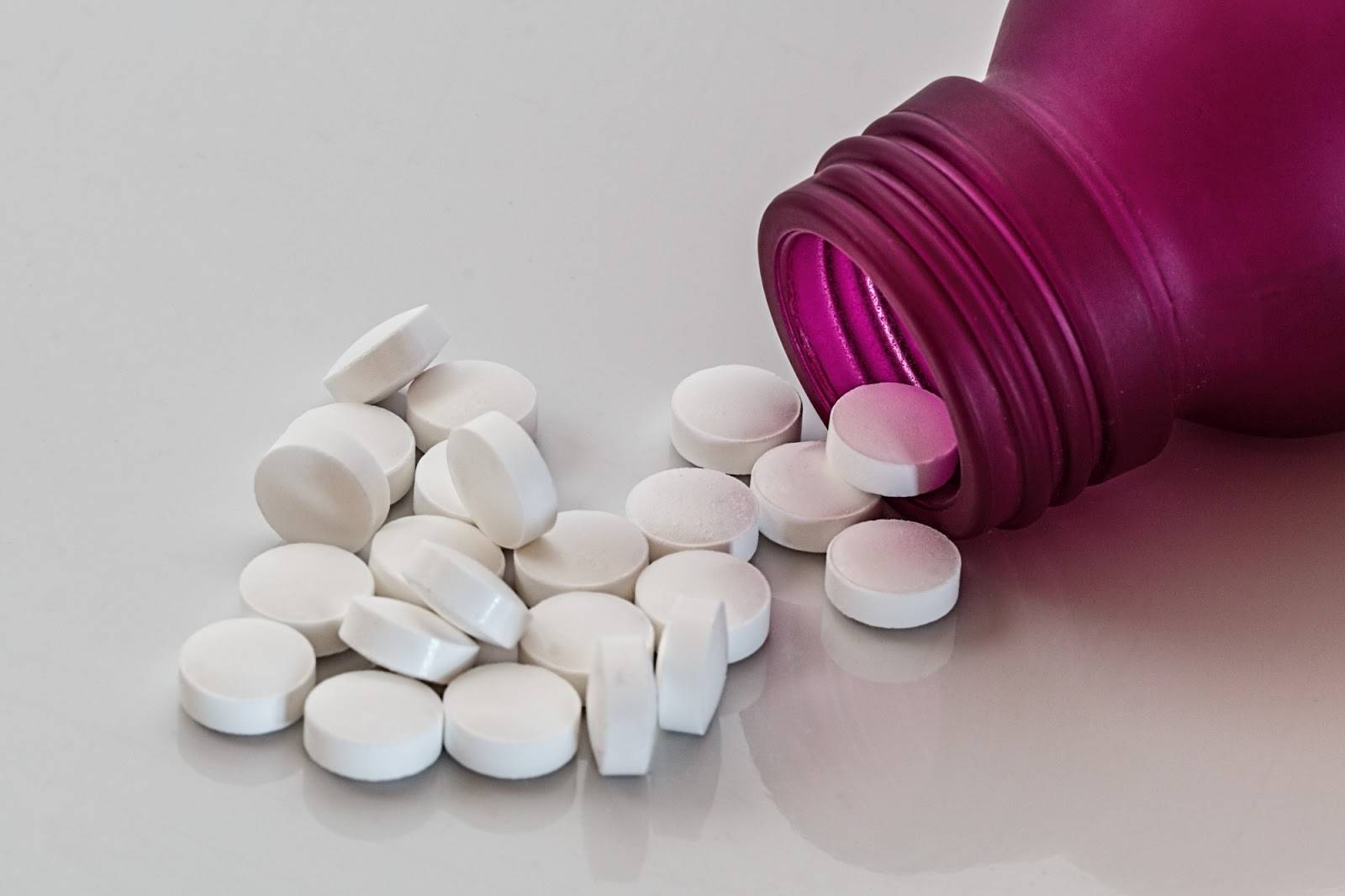
Can Babies Be Born Addicted to Drugs? - Best Rehabs In Arizona - A pregnant woman lies in bed with a glass of water in one hand and a pile of pills in her other hand as she struggles with knowing: "Can babies be born addicted to drugs?"

Can Babies Actually Be Born Addicted to Drugs?

Addicted isn’t the right word for what happens to babies who are born to drug-addicted mothers.

Saying these babies are “born addicted” implies that they are born with the disease of addiction.

That implies that they will become addicts later in life. While addiction does have a genetic component, not all babies born to addicts will suffer from addiction themselves. So, babies of drug-addicted mothers aren’t really born addicted.

But many are born dependent on the same drugs that their mothers were using during pregnancy. Because the drug was delivered into the baby’s system via the umbilical cord, the baby becomes dependent on the drug while in the womb.

When they are born, they are still dependent on the drug. But it’s no longer being delivered into their system. Because of this, these babies usually experience symptoms of drug withdrawal. This withdrawal is called Neonatal Abstinence Syndrome (NAS).

What Happens When a Baby Has NAS?

When a baby has NAS, they experience withdrawal symptoms. These symptoms are much like the symptoms adults experience when they go through withdrawals.

The extremity of the withdrawal symptoms varies from baby to baby. Some babies are just extremely fussy since the lack of the drug in their system is an uncomfortable shock. Others will experience extreme symptoms like seizures, and some even die. Other symptoms of NAS include diarrhea, fevers, tremors, vomiting, trouble feeding, and trouble breathing.

When a baby experiences Neonatal Abstinence Syndrome, they need an extended hospital stay to recover. The majority of babies born drug-dependent are admitted to the Neonatal Intensive Care Unit (NICU) as soon as they’re born. In the NICU they receive treatments to ease their discomfort and address their NAS.

How is NAS Treated?

The treatment for Neonatal Abstinence Syndrome depends on the extent of the baby’s withdrawal symptoms.

Some babies whose symptoms are relatively minor need very little medical treatment. These babies often just need to be made more comfortable. Swaddling, rocking, skin-to-skin contact, and limiting exposure to light and noise often help to calm babies who are fussy and uncomfortable from their withdrawal symptoms.

Babies with more serious symptoms like trouble breathing may be given medical interventions like breathing tubes. Babies who have seizures may be given pharmaceuticals to wean them off the drugs they were dependent on.

Pharmaceutical intervention is avoided whenever possible because it exposes the baby to more drugs. But when the withdrawal poses a serious risk to the baby, weaning them off with pharmaceuticals may be the only option.

Babies that are born drug-dependent often need to stay in the hospital for a long time. This can negatively impact their ability to bond with caregivers. It’s essential for babies born drug-addicted to get lots of attention and be held as much as possible so that they can start to bond. Ideally, this would be done by their biological parents.

Unfortunately, many babies that are born to addicted mothers are separated from their parents at birth. Since their parents aren’t present to provide them with attention and physical touch, this falls to hospital staff and volunteers in the NICU. This can negatively impact the baby’s ability to bond with their biological or adoptive parents later in life.

What are the Long term Impacts of NAS?

There isn’t a lot of research about the long-term impacts of Neonatal Abstinence Syndrome.

Studies have shown that children born drug-dependent are more likely than their peers to struggle academically.

It’s unclear whether being born drug-dependent explains the academic struggles of these children. Another reason could be that children who are born drug-dependent are likely going home to an environment dominated by addiction.

Children born to drug-addicted mothers are also more likely to deal with behavioral issues, developmental issues, and poor nutrition as they get older. But again, this may not be linked to the fact that they were born drug-dependent. These struggles could have much more to do with being raised by addicted parents.

Regardless of whether these struggles later in life are caused by being drug-dependent or not, it’s clear that babies who are born drug-dependent are more likely to face a difficult life.

How Common is it for Babies to be Born Drug-Dependent?

Unfortunately, the number of babies suffering from Neonatal Abstinence Syndrome has skyrocketed in the past 15 years. From 2004 to 2014 the number of babies experiencing NAS increased fivefold.

In 2014, about 32,000 babies were born drug-dependent and experienced withdrawal symptoms after birth. To put this number in perspective, that means that every 15 minutes a baby is born dependent on some kind of drug.

This increase makes tragic sense in light of the opioid epidemic that has ensnared the nation.

The number of pregnant women who entered treatment for opioid abuse increased from 2% to 28% between 1992 and 2012. And that’s just the number of women seeking treatment.

One of the main reasons for this massive increase in opioid abuse is the availability of prescription opioids. Many women begin taking the pills for a medical issue, become addicted, and find that they can’t stop even after getting pregnant.

Can Babies Be Born Addicted to Drugs? - Best Rehabs In Arizona - A young, pregnant woman is sitting with a counselor who specializes in addiction treatment for pregnant women and is asking questions, such as: "Can babies be born addicted to drugs?"

How Can NAS be Prevented?

Luckily, Neonatal Abstinence Syndrome can be prevented. If women who are addicted to drugs seek treatment as soon as they find out they are pregnant and remain sober for the duration of their pregnancy, then their babies will not be born drug-dependent.

The problem is women must seek treatment early in their pregnancies. And they need to stay sober for the duration of their pregnancy. Many women who desperately want to stay sober while pregnant find that they can’t stay sober on their own. If they don’t have a good support system or access to treatment, they may not be able to stay sober for the duration of their pregnancy.

Many women also do not receive the treatment they need because they’re scared, to be honest with their doctors. They fear that if they admit to using drugs while pregnant they’ll lose custody of their children. Because of this, they don’t talk to their doctors about getting treatment.

Many women who struggle with drug addiction also don’t have access to reliable prenatal care due to a lack of money or insurance. In these cases, women don’t have access to medical guidance about how their addictions impact their babies.

Pregnant women who struggle with addiction need to feel safe seeking treatment. And they need to be able to access the medical treatment needed by them and their babies. This is the best way to prevent Neonatal Abstinence Syndrome.

What Resources Are Available to Mothers Struggling with Addiction?

Pregnant women who want to get sober and stay sober throughout their pregnancy need to seek treatment for their addiction.

For many women, this involves going to a residential rehab center or rehabilitation center. At the treatment center, they can be medically detoxed in a way that is safe for them and their babies.

They also undergo a treatment program that teaches them healthy coping mechanisms that help them stay sober long term.

For many drug-addicted pregnant women, treatment centers are the only way that they can get and stay sober during their pregnancies.

Some pregnant women struggling with addiction who don’t want to check into a treatment center choose to go to 12-step meetings. Many find this an effective treatment for their addiction. But it doesn’t work for everyone.

Getting Sober While Pregnant

When a woman struggling with addiction finds out that she is pregnant, it’s often a terrifying experience. They worry about the health of their babies. They worry about their babies being born addicted. They worry about being able to take care of their babies once they’re born.

Often these women know that the best thing for them to do is get sober. But doing so is very difficult for a plethora of reasons. Getting into some kind of treatment program increases their chances of staying sober. This reduces the chances of their drug addiction harming their babies.

For more information about getting into a treatment program, fill out the contact form on our website or give us a call today.


Somatic Therapy for Addiction Recovery

Do you have a sneaking suspicion that a loved one is addicted to drugs or alcohol? Are you wondering how to talk to them about going to rehab? If you want to know more about the tools for treating addiction, it is worth knowing more about using somatic therapy for addiction recovery.

There are more than 20 million people in the United States who battle with an addiction, but how many addicts never seek treatment?

If you suspect that your loved one has an addiction, you may feel worried or helpless. The good news is that there is a wide range of effective therapies available.

In this article, we’ll discuss the ins and outs of somatic therapy, an innovative approach to addiction. We’ll also help you find local rehab options for yourself or a loved one.

Common Signs of Addiction

Contrary to popular belief, not all alcoholics or drug addicts are living on the street. Millions of people with addictions go to work regularly, live a relatively normal life, and are considered “functional addicts.”

Although they do attend work, functional addicts cost American businesses more than $700 billion each year. People with an addiction are more likely to commit theft, call in sick to work, and have fatal accidents on the job.

So what are the signs of addiction? You might notice a change in your loved one’s appearance.

Extreme weight loss is a common sign of addiction to heroin, prescription medication, and opioids.

If you think that your spouse has an addiction, check your bank account. Is there money missing or suspicious ATM withdrawals?

Addiction thrives in secrecy and isolation. Many addicts have wild mood swings, a tendency to lie, and an unwillingness to get treatment.

What is Somatic Therapy?

Once your loved one agrees to get treatment for their addiction, they’ll have access to medication-assisted withdrawal and several options for therapy.

Somatic therapy helps people deal with traumatic past experiences that still influence their lives. People in recovery often talk about “triggers,” events that give them the urge to use drugs or alcohol.

For an alcoholic in recovery, a trigger could be driving past a bar they used to go to. It could be running into an old drinking buddy, or it could be walking past beer and alcohol in a store.

Triggers are the number one enemy of someone who’s in recovery. People who can conquer their triggers stand a much better chance of avoiding relapse.

In general, people who stay sober for one year have a 50 percent chance of relapse. If they stay sober for five years or more, their chances of relapse drop to 15 percent.

Somatic therapy uses meditation techniques, coupled with talk therapy, to help recovering addicts develop control over their unconscious triggers.

Signs of Unconscious Trauma

Somatic treatment allows people to confront the traumas of their past. In a safe office environment, people in recovery can share the events that led them to their addictions.

Somatic therapy focuses on relaxing the mind and facing past events. Therapists guide their clients to accept the emotional damage that their addiction has caused, but it’s not a blame game.

There are two kinds of trauma that somatic therapy helps to address.

Childhood Trauma

We may not realize it, but our childhoods heavily influence our adult behavior. Did you or a loved one grow up with a parent who drank heavily or used drugs?

Was there verbal or physical abuse in the home?

Other types of childhood trauma could include moving to a new school, losing a grandparent or other family member, and having trouble with siblings.

People with addictions may have turned to substance abuse to deal with emotions that they couldn’t express or traumas that they couldn’t understand.

While not every person had a traumatic childhood, it’s still a common theme among recovering addicts.

Event-Based Trauma

The other type of trauma is called “shock trauma.” That’s trauma that emerged from a dramatic, unexpected life event.

Shock trauma could include losing a job, losing a relationship, or suffering from theft.

It could also refer to long-term financial problems, loss of family or friends, and having a mental breakdown.

Surprisingly, almost 8 million people with addictions also have a mental illness. When your loved one enters rehab, they will be assessed to see if they have depression, anxiety, bipolar, or schizophrenia.

Somatic experiencing helps people confront past traumas a little bit at a time, dealing with traumatic life events without re-traumatizing the patient.

Key Terms in Somatic Therapy

What should you expect from somatic therapy? It’s not a quick fix, but a long-term support to your loved one’s recovery.

A somatic therapy session looks a lot like a regular talk therapy session. The person with the addiction sits and talks with a certified therapist, gently exploring their triggers and traumas.

Here are a few key terms you should know about somatic therapy.

Titration

You may have heard that there’s an easy way to make a two-liter of soda explode into the air. Just add a package of mints and the soda will fly sky-high.

Titration is the exact opposite of that dramatic reaction. It means that you don’t deal with past trauma all at once. You deal with it slowly but surely, overcoming your fears and emotional responses.

If you go too quickly with therapy, you risk traumatizing the patient. The effects of shock trauma can linger for years, deepening over time.

Somatic therapy can also help patients unearth memories from their childhood, events that affected them that they might not remember.

Like a splinter that gets pushed deeper over time, long-term trauma isn’t simple to remove. People who can lean in to therapy and stay the course have a better chance of long-term recovery.

Resourcing

In general, therapy should be a safe place to express your ideas and feelings. When you’re talking about deep-rooted trauma, your therapist should always help you come back to the present moment.

Resourcing means being strong in your recovery and adhering to your long-term goals. It means overcoming your “fight or flight” reflex and expanding your resources, the people or things that make you feel safe.

The recovery process is different for every person. When your loved one goes into a rehab facility, they will undergo an assessment by qualified medical personnel.

They may be offered medication to detox, and they will probably get individualized therapy. If you can be a resource for your loved one, you may be able to help them in their recovery goals.

Pendulation

Pendulation refers to the back and forth yo-yo feeling that people get when they’re healing trauma. They might cry dramatically, feel pain in part of their bodies, or just have a deep sigh.

Other days, they may not have an emotional response to trauma. It doesn’t mean they don’t care, just that their rational minds are taking over for a while.

Everyone’s response to trauma work will be different, as will their time frames for healing. It could take weeks or months to see the benefit from somatic therapy.

That’s where you come in: to support your loved one and make sure they don’t give up on themselves before they deal with their traumatic issues.

Benefits of Somatic Experiencing

Somatic experiencing has been used to treat a wide range of physical and mental issues. It’s good for people who have PTSD, chronic pain, and drug addictions.

The therapeutic process helps people with addictions deal with their triggers and stay stable in long-term recovery. It can also enhance feelings of well-being, peace, and comfort.

People who undertake somatic therapy include weight loss, a decrease in chronic pain, and the ability to have healthier relationships.

The thing about being in recovery is it’s hard to avoid some triggers. If driving past a bar triggers your loved one to drink, there may not be an alternate route to work.

If there are certain people that trigger your loved one to use drugs, it can be difficult to find new friends.

As your loved one starts to heal from their addiction, they may also incur the trauma of losing close-yet-unhealthy relationships.

Somatic therapy can help them learn a healthier approach to their everyday lives, and give them the skills to pilot their ship toward a brighter future.

How to Find a Local Rehab Facility

The first step in finding a rehab facility is to get referrals from medical professionals. If your loved one is already going to a doctor or nurse practitioner, you can ask them where they would recommend for treatment.

Check and see if the rehab center can accept your insurance. If you have a minor child, make sure that the laws in your state allow you to commit them against their will, if need be.

If your loved one is an adult and they’re willing to go to rehab, try to take a tour before they begin their program.

We offer inpatient and outpatient rehab options in a beautiful setting. We have medication-assisted detox and somatic therapy professionals on staff.

We also offer ongoing relapse prevention education, empowering your loved one to maintain their sobriety. Contact us online or give us a call for a tour of our Colorado or Arizona locations!

Oxycontin Addiction: What Oxy Pills Look Like?

Oxycontin has been in use since the 1990s in the United States, as a prescribed method of treating pain. But the use of this opioid has had serious implications on society and users over the past 30 years. Oxycontin addiction (and counterfeit oxycontin laced with fentanyl) represents an ongoing aspect of the opioid crisis.  

From 1999 to 2017, over 200,000 people died in the United States because of overdoses related to prescription opioids. And the problem is getting worse, not better. In 2017, overdose deaths involving prescription opioids were 5 times higher than in 1999.

Oxycontin addiction is part of an epidemic that we aren’t addressing fast enough. And the most important thing an individual can do for themselves or a loved one who is an addict is to seek professional help.

Overdoses from oxycontin are common and there are many different types of pills on the market. In addition, there are even synthetic oxycontin pills made of different chemicals. But what do they look like? How do you know what to look for if someone you love is using?

Keep reading to find out about oxycontin addiction and all about the pills and what they look like.

What Is Oxycontin?

What is oxycontin and how did it come to be?

Oxycontin was developed and approved in 1995 by Purdue Pharma, as a reformulation and improved version of Oxycodone. Basically, they geared it towards altering the drug so that it would lessen dependence and abuse of the drug. The slower absorption rate was the main difference between Oxycontin and Oxycodone.

Marketing to physicians proved to be successful as Oxycontin became one of the United States’ most prescribed opioids. Then, in 2003, the FDA wrote a letter to the manufacturer, warning them of their misleading advertising and lack of warning and risk statements with regard to the addictive nature of the drug.

In 2007, they pleaded guilty for misbranding and agreed to pay over $600 million in fines. The FDA added warnings such as:

  • Oxycontin could not be broken, chewed, or crushed
  • 80mg and 160mg pills should only be used in opioid-tolerant patients
  • Oxycontin exposes patients to the risk of overdose, addiction, and even death

In addition to having to pay hundreds of millions in fines, Purdue is facing multiple lawsuits from different states that claim Purdue’s misleading claims are responsible for the opioid crisis in those particular states. They have already settled with the state of Kentucky.

Who Is Prescribed Oxycontin?

Oxycontin is prescribed to relieve various pain from things like cancer, arthritis, injuries, and other conditions. Oxycodone, the morphine-like drug that manufacturers use to make Oxycontin, is also in other drugs, marketed to treat pain.

The 18-25 range is one of the most common for Oxycontin users but there are people of all ages who use it, including those under age 18. Oxycontin can not only become addictive, but it can also be deadly.

What Do the Pills Look Like?

Typically, Oxycontin comes in small, round pills. They vary, however, in markings and colors, depending on the dosage. Here are some of the many colors and doses:

  • The Oxycontin 10mg tablet is white and marked with the number 10
  • The Oxycontin 15mg tablet is grey and marked with the number 15
  • The Oxycontin 20mg tablet is pink and marked with the number 20
  • The Oxycontin 30mg tablet is brown and marked with the number 30
  • The Oxycontin 40mg tablet is yellow and marked with the number 40
  • The Oxycontin 60mg tablet is the color red and marked with the number 60
  • The Oxycontin 80mg tablet is green and marked with the number 80
  • The Oxycontin 160mg tablet is blue and marked with the number 160

The Oxycontin 160mg is either elliptical or round, whereas all of the other pills are round. Pills 60mg and over are for patients that already have built up a tolerance to the drug.

What Are Some of the Signs and Symptoms Someone Is Using?

In addition to knowing what Oxycontin pills look like, you will also want to know what signs and symptoms to look out for if you are worrying that someone you love might be using.

Some of the symptoms an individual will experience as a result of Oxycontin use are as follows:

  • Sedation
  • Euphoria
  • Drowsiness
  • Itching
  • Low blood pressure
  • Nausea and vomiting
  • Sweating
  • Dry mouth
  • Headache
  • Respiratory suppression
  • Constipation
  • Drowsiness and even nodding off
  • Lightheadedness

Some of the signs you can look for in someone’s behavior are:

  • Sedation
  • Sense of calmness
  • Apathy
  • Drowsiness
  • Dilated pupils
  • Short Attention span
  • Weight loss
  • Problems with balance and coordination
  • Excessive yawning

There can also be cognitive symptoms, especially if you’re using Oxycodone. Poor focus, poor concentration, and poor spatial ability, and impaired memory or judgment are also characteristics that someone might be using Oxycontin. An addict may exhibit paranoia, anxiety, mood swings, and even angry outbursts as well.

What Happens in an Overdose?

Not every opioid overdose is the same. In fact, it can differ from person to person. It also depends on how much of the drug was taken, relative to a person’s size, age, and health.

Here are some signs that an individual might be overdosing on Oxycontin. If so, you should seek medical attention immediately.

  • Issues breathing or stopped breathing
  • Low blood pressure
  • Slowed pulse
  • Cold sweat
  • Extreme sleepiness
  • Coma
  • Loss of consciousness
  • Narrow pupils
  • Cyanotic appearance (bluish discoloration of the skin)

An overdose is extremely dangerous. The brain slows down and loses its ability to send signals to the body to pump blood or breathe. Your organs and your brain rely on that oxygenated blood and they can begin to fail almost immediately without that communication from the brain.

Breathing slows down and eventually subsides if you do not seek medical help right away.

What Is “Mexican Oxy” and What Does It Look Like?

Mexican Oxy is pills that claim to mimic Oxycontin, particularly in size, color and markings. Most of the pills have been attributed to looking almost exactly like a 30mg Oxycontin pill. However, they vary in strength and some are so strong that they contain lethal doses of a drug.

Law enforcement officials say that Mexican oxy pills have become a lucrative product for the cartel. Many people think they’re taking Oxycontin, or something similar, only to end up dead if left without a drug reversal option. That’s why so many states along the border have become increasingly involved in the fentanyl crisis. In Arizona, fentanyl deaths tripled from 2015 to 2017.

High school students, including athletes and diligent students, are popping pills at parties to have fun, with no idea that they could end up falling asleep and never waking up. Some pills contain enough fentanyl for 3 people. 1 pill alone can be lethal.

What Should You Do to Help Fight Your Addiction?

It’s estimated that only maybe a tenth of the people who could benefit from rehab, actually go to rehab.

Time constraints, shame, and high costs are all reasons why people avoid entering into rehab. But there are many options that are covered by insurance and many treatment centers willing to work with individuals.

That being said, the absolute most beneficial thing an addict can do is to seek professional help. There are 115 deaths every single day due to opioid overdoses. Many of the staff at our treatment center know what addiction is like and understand what addicts go through because we were once addicts ourselves.

It’s essential that you surround yourself with people who empathize with what you’re going through and know and understand how to help treat you. Furthermore, with group therapy and interacting with other addicts, you’ll find a sense of community and determination that is unmatched in any other environment.

Can You Just Treat Yourself at Home?

Many addicts, especially those addicted to prescription meds, find that as their addiction grows, so does their tolerance. Often individuals are left with no additional prescriptions or feeling like they don’t have enough.

This is when an individual will turn to buy drugs illegally or opting for cheaper versions, which can be lethal.

At home, detox is risky because of the potential for relapses, overdoses, mental health concerns, and medical complications. Plus, panic attacks, hallucinations, mood swings, panic attacks, vomiting, and headaches, all make it almost impossible for someone to see through their detox.

Addiction is not a willpower issue. Simply put, it’s a disease and should be treated as such when it comes to receiving medical attention. Want to know more about what steps you should take in figuring out a way to finance your rehab? Check out our blog on financing options and advice.

Don’t let Oxycontin Addiction Hurt You or a Loved One Any Longer

Oxycontin addiction is very serious and can be deadly. If you or a loved one are fighting an addiction, there are many reasons why rehab may be the only option to get you on a path to a healthy and happy life.

No addict should feel shame for not being able to fight their addiction alone. It’s near impossible. It’s a disease and it requires medical attention, guidance and encouragement, therapy, and a strong sense of community in order to fight.

If you’re wondering how your treatment will go, read our article about what you should expect while you’re in recovery. Need help navigating your insurance? Give us a call today and find out how much of treatment your insurance will cover.

Meth Withdrawal: What You Can Expect and How to Power Through

Meth Withdrawal

Meth Withdrawal: What You Can Expect and How to Power Through

If you’re struggling with a meth addiction, the thought of meth withdrawal is scary if you don’t know what to expect. This guide can help.

You can’t deny it any longer: meth has total control over your life.

You feel like you’re in a place where you want to ask for help. But you’re nervous about what to expect from the meth withdrawal process.

You want to know what it will be like, and how you can handle it.

In this post, we’ll tell you exactly what you can expect out of meth withdrawal.

We’ll remind you of why it’s so worth it to keep going, and also tell you where you can go to get the help you deserve.

Read on to learn more about your journey towards recovery.

Don’t Face Meth Withdrawal on Your Own

We know that you’ve likely thought about getting help before.

You know that the lifestyle you’re living now isn’t sustainable. It’s not just hurting you physically and wrecking your financial and professional life.

It’s also destroying your relationships, your future, and your emotional well-being.

If you’re honest with yourself, the fear of methamphetamine withdrawal is one of the biggest reasons why you might continue to use. Perhaps you’ve dealt with a bit of withdrawal in the past, and it’s not something you’re eager to experience again.

We certainly understand.

Meth withdrawal is scary. It’s also incredibly dangerous. This is why it’s so important to avoid detoxing and dealing with the symptoms of meth withdrawal on your own.

First of all, without the proper medication and medical attention (and emotional support) you’re likely to start using again. But even more importantly, you are putting your health in grave danger.

Especially if you’ve been a long-time meth user, or if you use a high volume of the drug?

You could even die attempting to go “cold turkey” or detoxing on your own.

Don’t do it. Get help from a professional detox and recovery center. They’ll see you through every step of the detox and meth withdrawal process.

Now, let’s talk a bit more about the symptoms and the timeline you’ll need to be ready to face.

The Most Common Meth Withdrawal Symptoms

Most Common Meth Withdrawal Symptoms

It’s, of course, important to remember that everyone’s journey with addiction recovery and detox will be different.

That said, there are a few common experiences that it’s good to be informed about upfront. The symptoms that you’ll confront throughout the meth detox process is something you need to be educated about.

First of all, you should expect feelings of serious, difficult withdrawal to begin about 24 hours after you’ve stopped using.

Let’s talk now about what you may experience.

Anxiety and the Withdrawal Process

You’ll likely deal with fairly intense feelings of anxiety.

This isn’t just because you’re physically reacting to not having the drug. It’s because you’ve likely been using meth as a means of coping with your own anxiety.

In fact, there’s a strong link between people with anxiety disorders and meth abuse.

In addition to anxiety, you’ll likely also deal with feelings of depression. This is why it’s so important to transition to a rehabilitation and treatment center once the first phase of the detox process is over.

You’re dealing with the consequences of your actions and overwhelmed by what your future will look like. Plus, you’re in physical pain.

We promise that it gets better. In many cases, the more severe feelings of depression will fade by the second week that you enter into withdrawal.

Exhaustion and Hypersomnia

You’ll also deal with intense feelings of exhaustion — way beyond just normal fatigue — during the withdrawal process.

This will likely be a bit of a shock to your system. After all, we’re willing to bet that sleep wasn’t exactly a priority when you were using.

You also might not have felt like you needed much sleep in the throes of your addiction.

By day five of your withdrawal process, you may deal with what’s called hypersomnia. This is an intense need to sleep for long periods of time.

Cravings and Withdrawal

Meth Cravings and Withdrawal

Once you’ve gone through the first week of withdrawal, you’ll likely have to deal with one of the most unpleasant effects of detox: withdrawal for meth.

The good news is that both the intensity and the frequency of these cravings will slowly decrease over time.

In addition to, of course, craving meth, you’ll also likely experience a craving for sugary and carb-rich foods.

Even if you were never into them before, these cravings can be overwhelming.

This isn’t just because your body makes a connection between the “rewards” feelings of sugary and high-carb foods and the same high you got when you were using.

It’s also because you likely weren’t as hungry — much less eating healthy foods — when you were using. In a way, it’s your body asking you for what it wants and needs.

Perhaps you just haven’t stopped to (or been able to) listen to those needs in a while. Don’t worry. As you continue to progress in your recovery, you’ll learn how to eat healthy again and take better care of your body.

Physical Symptoms

There are a few physical symptoms of withdrawal that you should also prepare yourself for.

The good news is that your treatment team will likely be able to give you some form of medication to help you cope with these symptoms. (In some cases, you may also be able to receive medication designed to help you manage the psychological side effects of addiction withdrawal.)

You may feel nauseous, and experience frequent bouts of vomiting. You may also deal with diarrhea, dry mouth, and even the shakes.

Some people going through meth withdrawal also deal with the chills and fever.

You might also experience intense pain in the jaw. This is because, especially if you’ve been using for a while, you may have clenched it and ground your teeth.

A Word About Psychosis

Psychosis

For many people, one of the scariest things about methamphetamine withdrawal is potentially entering into a stage of psychosis.

In more common terms, you may have heard this referred to as “tweaking.” It can also happen after you haven’t slept for several days on end because you’ve been on a long bender of using.

You may find that you deal with auditory or visual hallucinations. Your dreams may feel much more vivid than they usually do. In some cases, you may even experience paranoid delusions.

You might also feel like you have high levels of excessive, boundless energy.

The truth is that this is also why it’s so important to get help in a professional setting. These feelings can be incredibly overwhelming.

Though they certainly don’t happen to everyone, you want to make sure you’re in a good place to get help if they happen to you.

Acute Withdrawal Syndrome

When people hear the word “detox,” they often think of it as something that only lasts for a maximum of three to four weeks.

It is true that the majority of your withdrawal symptoms will be gone after this time? It doesn’t mean that you’re in the clear forever.

You may experience what’s known as acute withdrawal syndrome a few months after you’ve stopped using. This means that you may deal with some of the symptoms discussed here throughout your longer treatment process.

Again, this is just one more reason to stay in a facility that can give you the care and attention you need and deserve.

Why Get Treatment?

Professional Help with Meth Addiction

We understand that, after reading this, you may be conflicted about treatment.

No, withdrawal won’t be easy. But the truth is that it will certainly be no more difficult than your life if you continue to use.

Think about your “why” for stopping using.

Maybe you have a family you want to repair relationships with. Maybe you have big plans for the rest of your life. Maybe you know that, with the right support network, you can get through detox.

Perhaps you even want to help others who are struggling with addiction in the future.

Remember, you can do this. What you can’t continue to do is gamble with your life.

Getting Professional Help with Meth Withdrawal

Now that you know more about what to expect out of meth withdrawal, it’s time to talk to you about next steps.

If you feel like the time to get help for yourself or someone else is now, remember that you can’t go through this alone.

We want to help you to get your life back and stop letting meth control everything you do.

We offer effective and supportive detox and treatment programs for meth users and others struggling with addiction.

Reach out to us today to start getting your life back.

8 Signs of Meth Addiction and How to Help a Loved One

What are the signs of meth addiction? Find out now!

Meth Addiction: Warning Signs That Matter

Meth addiction can destroy lives, and the earlier you find and treat it, the less damage it can do. Here’s how to notice possible meth addiction in a loved one.

Over 21.5 million Americans struggle with some kind of substance abuse and/or addiction. Addiction is classified as a disease, and for good reason. It affects your mental, emotional, and physical health in intense and permanent ways.

Not only does it affect the person struggling with addiction, but it severely impacts those around them. Studies show that families and close friends of addicts have disrupted relationships, attachment issues, “emotional chaos”, financial troubles, and have an increased risk of developing a substance abuse disorder as well.

So if you suspect that a loved one is struggling with an addiction, it makes sense that you want to do everything you can to help, especially if you suspect hard drug use like a meth addiction.

The earlier you can identify signs of meth use and abuse, the better. Early treatment of meth addiction means less long-lasting damage for your loved one.

Keep reading to learn 8 of the common signs of meth addiction, and what you can do to help.

What Is Meth?

The clear sign of meth addiction is smoking meth, as shown in this concept pic

Meth, short for the name methamphetamine, is a stimulant that’s similar to cocaine. Users can snort, smoke, inject, or swallow meth in order to feel the intense effects of the drug.

Meth triggers the release of “feel good” neurotransmitters in the brain. The most relevant one is “dopamine.” Meth will trigger the brain to release a huge amount of dopamine, which will give the user bursts of euphoria, happiness, and a feeling of calm/relaxation.

It is a stimulant, so it also leads to classic stimulant effects like:

  • Rapid heart rate
  • Increased blood pressure
  • Feeling alert/wide awake
  • Increased libido

Once this initial “rush” is over, meth users will crash. The crash, also known as tweaking, is caused by the sudden absence of dopamine. This can lead to:

  • Paranoia
  • Anxiety
  • Irritability
  • Anger
  • Violent outbursts
  • Intense cravings
  • Fatigue

While each user will experience different effects of the drug, these are the most common.

Why Is Meth So Dangerous?

Why Is Meth So Dangerous

The very thing that makes meth so sought after is the same thing that makes it so dangerous: the effect on the brain and body. When you take meth, your brain releases huge amounts of dopamine. This leads to the desired effects like euphoria and a sense of calm.

However, this also depletes your dopamine stores, which makes it hard to function normally. It can lead to huge crashes, depression, fatigue, and other adverse side effects.

There are also studies showing that meth physically changes the way the brain is wired. It teaches your brain to only release dopamine when you use meth, which means that a user eventually might not be able to feel pleasure or the effects of dopamine like a non-user would.

Because of this, users quickly become addicted. They may not feel pleasure or happiness from anything except meth, which leads to them seeking it out constantly.

Constant use can also lead to extreme effects, including:

  • Loss of appetite
  • Skin sores/wounds
  • Going days without sleeping
  • Damaged motor skills
  • Difficulty expressing emotions
  • Heart failure
  • Overdose
  • Death

The extremely addictive nature combined with the ability to change how the brain works and functions is why meth addiction is so dangerous.

Signs of Meth Addiction

So now you know just how dangerous this drug is. If you suspect your loved one is using meth, you’re probably scared right now. Look for these 8 common signs of meth use to see if your suspicions are correct.

Remember that not all users show the same symptoms, and just because someone has these symptoms, it doesn’t mean they’re a meth addict. These are just some general guidelines that can help you if you’re worried about your loved one.

Here are our top 8 signs of meth addiction and ways how to tell if someone is on meth:

1. You Find Meth

Meth signs and symptoms

Finding meth in your loved one’s belongings, room, or home is a big red flag. Unlike some other drugs, “casual” meth use is almost non-existent. The addictive nature of the drug leads to almost consistent, and abusive, use.

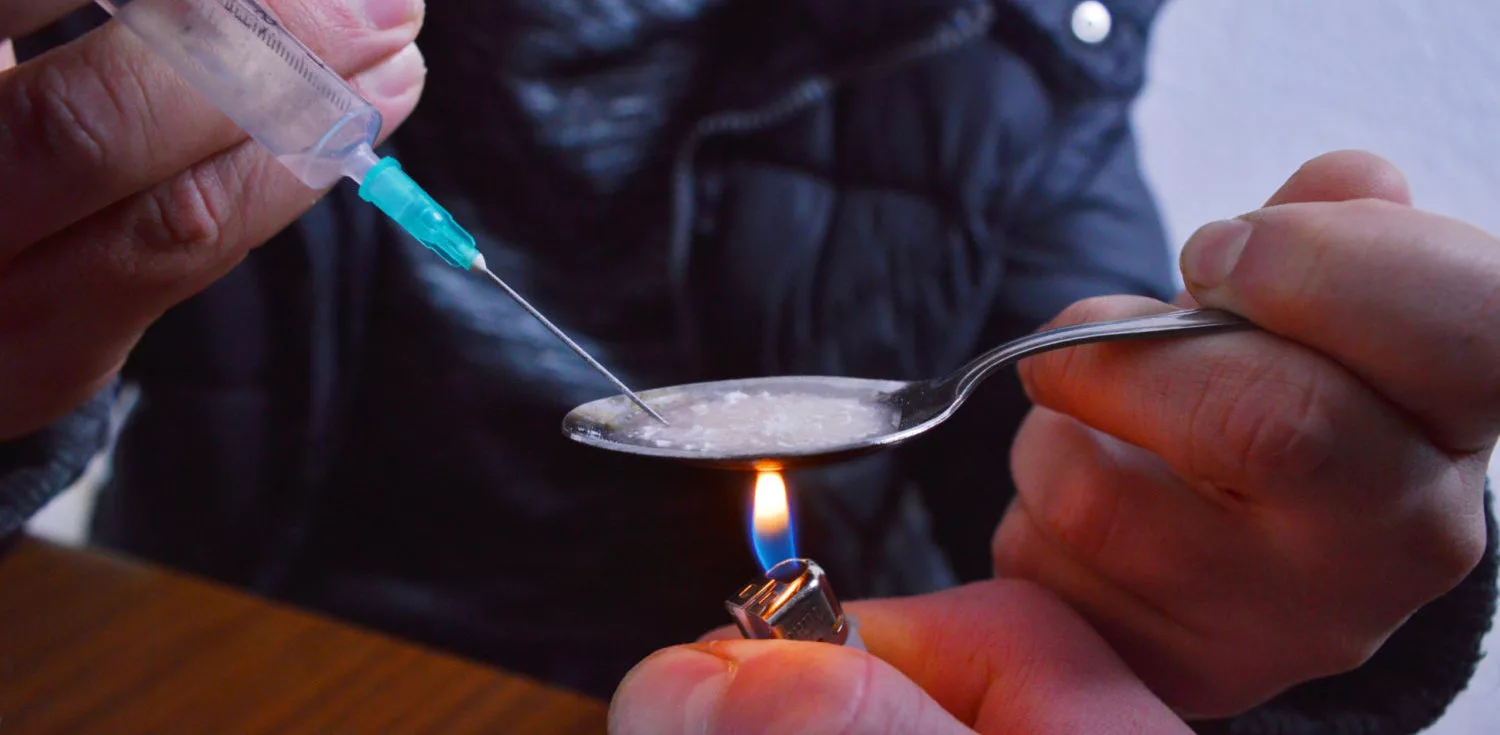
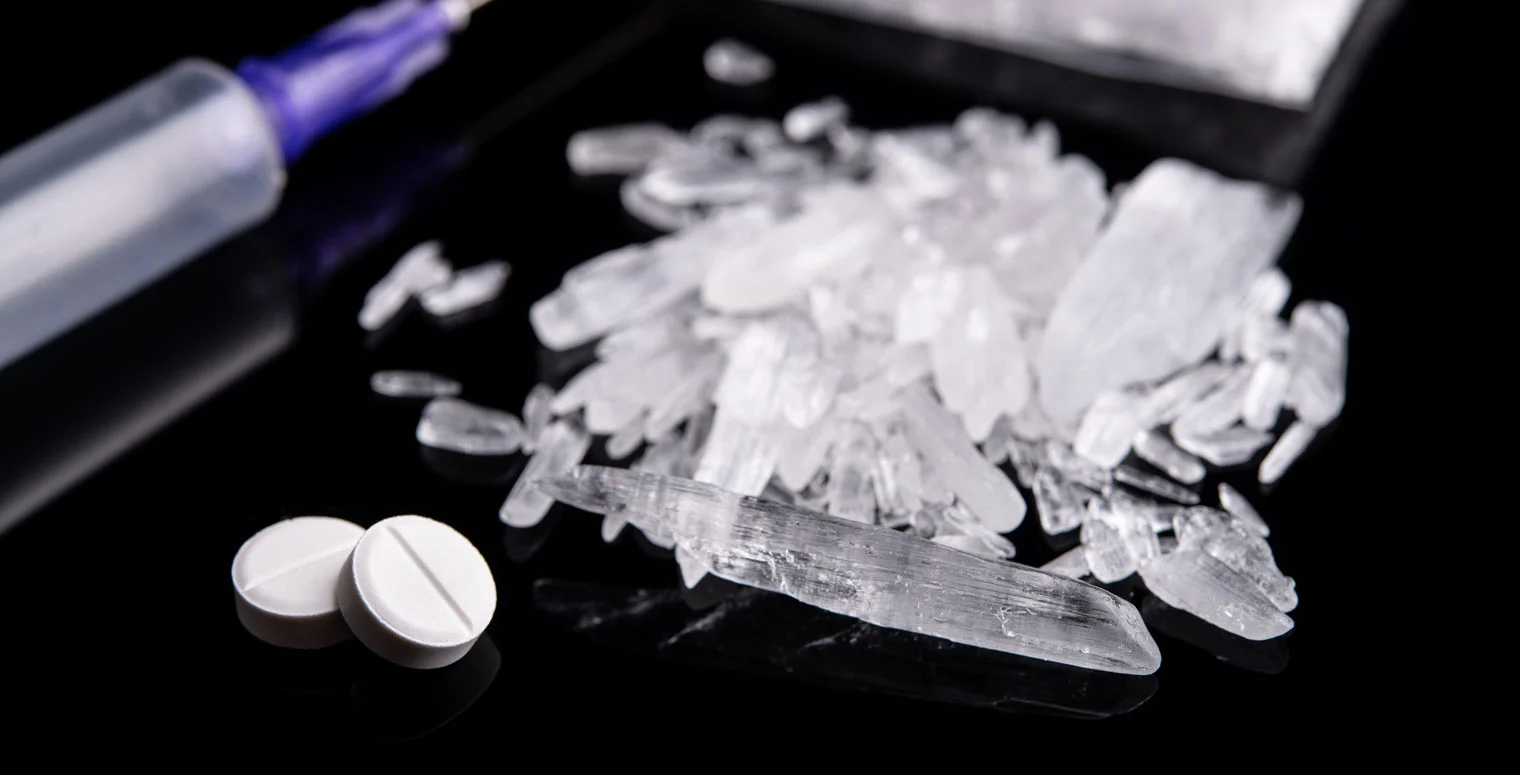
Meth can come in a powdered form or in a crystal form that looks similar to rock candy. You may also find syringes, glass pipes, burnt foil/aluminum, yellow residue, and other meth paraphernalia.

Finding the drug and/or meth accessories are the most concrete and irrefutable of meth signs and symptoms.

2. Unusually Alert and/or Awake for Long Periods

Meth is a stimulant, which means that it will make users feel energetic, euphoric, and happy for long periods of time. This can lead to sleeplessness, insomnia, and long periods of energy that won’t allow them to sleep.

That along with intense withdrawal symptoms leads to meth addicts staying awake for days on end.

The feeling of alertness can also lead to users appearing jittery, jumpy, nervous, and restless. Once the user crashes, you may see the opposite sign: extreme fatigue and sleepiness that they cannot control.

3. Weight Loss and/or Loss of Appetite

Loss of Appetite

Meth use decreases appetite. Since meth addicts are constantly high (or looking for their next high), many often forget or don’t feel the need to eat. And since meth binges can last days to weeks, this often leads to days without eating. And that, unsurprisingly, leads to significant and drastic weight loss.

If you notice a loved one’s weight rapidly dropping and they refuse/don’t want to eat, it could be a sign of meth addiction.

However, it can also be a sign of many other illnesses and problems, so look for other signs alongside this one before jumping to any conclusion.

4. Severe Mood Swings

The constant high-crash cycle of meth can lead to some intense mood swings. One day, they’ll be on top of the world, happy, laughing, and euphoric. The next time you see them, they may be anxious, aggressive, angry, and depressed.

This can be explained with the way meth works on the brain. The highs are because of the huge rush of dopamine. Once the drugs wear off, run out, or all their dopamine is used up, they’ll feel awful, depressed, and anxious.

5. Consistently Nervous/Anxious

Anxiety and nervousness are normal emotions and feelings. In meth addicts, you’ll see these symptoms consistently and to the extreme. They may be twitchy, paranoid, and restless.

They also may exhibit physical symptoms of this anxiety by scratching their skin, jumping at sounds, darting eyes, rapid heart rate, increased blood pressure, sweating, etc.

Since delusions and hallucinations are common with meth use, they may also be seeing and hearing things that aren’t really there, which can lead to intense fear and anxiety.

6. Violence/Aggression

Domestic violence

Many long term meth users commonly exhibit violent outbursts and increased aggression. You may know someone as calm and anything but violent and suddenly see them starting fights, yelling, and getting aggressive at inappropriate times.

Meth use can change personalities, and violent outbursts are common in long-term meth users/addicts even if that person was never violent before.

7. Unexplained Financial Troubles

Drugs are expensive. If your loved one is addicted to meth, chances are they’ve blown all of their money on drugs or ways to get more drugs.

Smart and money-savvy individuals will spend every last dime they have on meth if they’re addicted. The addiction rules their life, and they’ll do anything they need to in order to get more meth.

If your loved one suddenly has no money, is asking you for money constantly, is stealing money/items to sell, and is unwilling to explain why they’re struggling with money, that’s a sign they might have a drug problem.

8. Physical Indicators

Meth Addiction Physical Indicators

Meth attacks and breaks down the body mentally, as we’ve seen with these signs, but it also affects the body physically as well.

Meth mouth” occurs in meth users: it’s characterized by rotting teeth, rancid breath, and overall poor dental hygiene. The dangerous chemicals in meth combined with the saliva-drying effect meth has lead to this physical symptom.

Meth users also often pick at their skin so much so they have numerous open wounds/sores on their face and limbs.

You may also notice:

  • Involuntary ticks
  • Trembling
  • Hair loss
  • Repetitive behaviors (twitching, scratching, looking in a certain place over and over, etc)
  • Weight loss
  • Nausea
  • Needle marks

If you notice any of these physical symptoms, that’s a red flag.

How You Can Help

Meth addicts almost always need rehab in order to get clean. The way meth affects the brain makes it almost impossible for them to quit on their own, especially with the severity of the withdrawal they will experience.

You need to encourage them to get help. Try staging an intervention with friends, family, and an intervention specialist.

Look for rehabilitation centers in your area that specialize in meth addiction treatment. Learn everything possible about meth addiction, and be prepared to support your loved one through what’s probably the hardest thing to ever happen to them.

Chances are, the best thing you can do for them is let them know they’re not alone and that you want to help them. They may not be receptive at first, but be consistent in your unwavering support.

Final Thoughts

Meth addiction is a life-threatening disease. It kills over 3,700 people every year and destroys thousands of more lives.

Even by reading this article, you’re already helping an addicted loved one. You’re informing yourself so you’re able to support them in the best way possible.

Contact us today to ask any questions about how you can help a loved one addicted to meth. You can also read this article to learn exactly how friends and family can support a loved one while they go through rehab treatment.