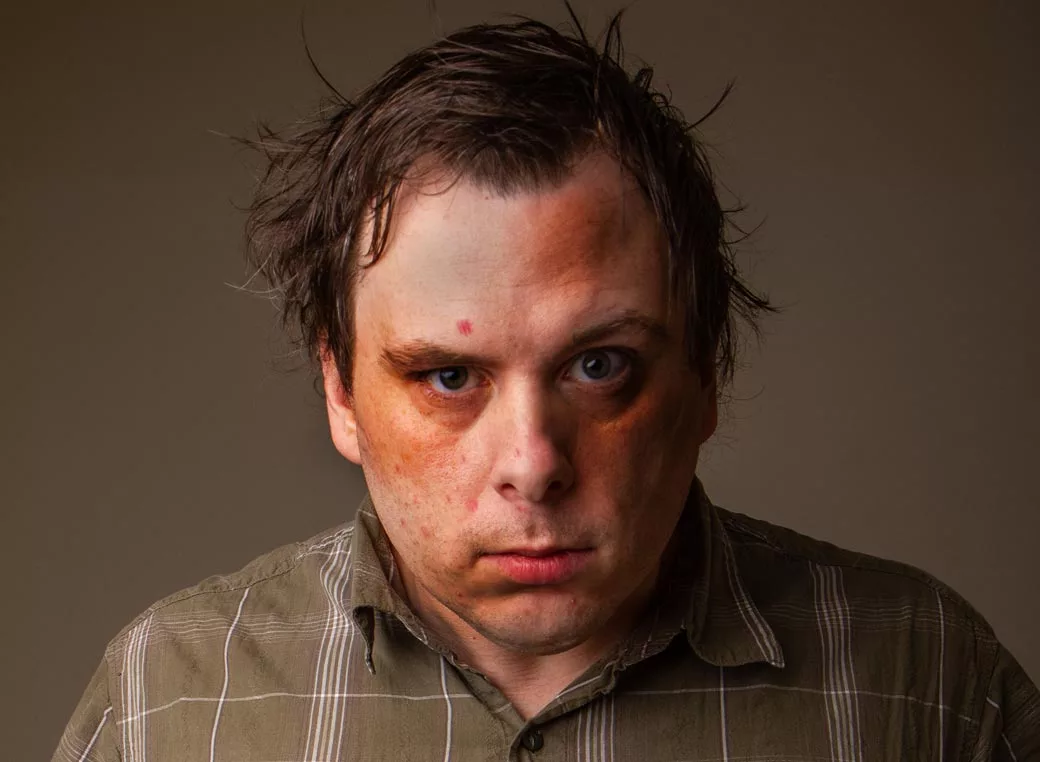
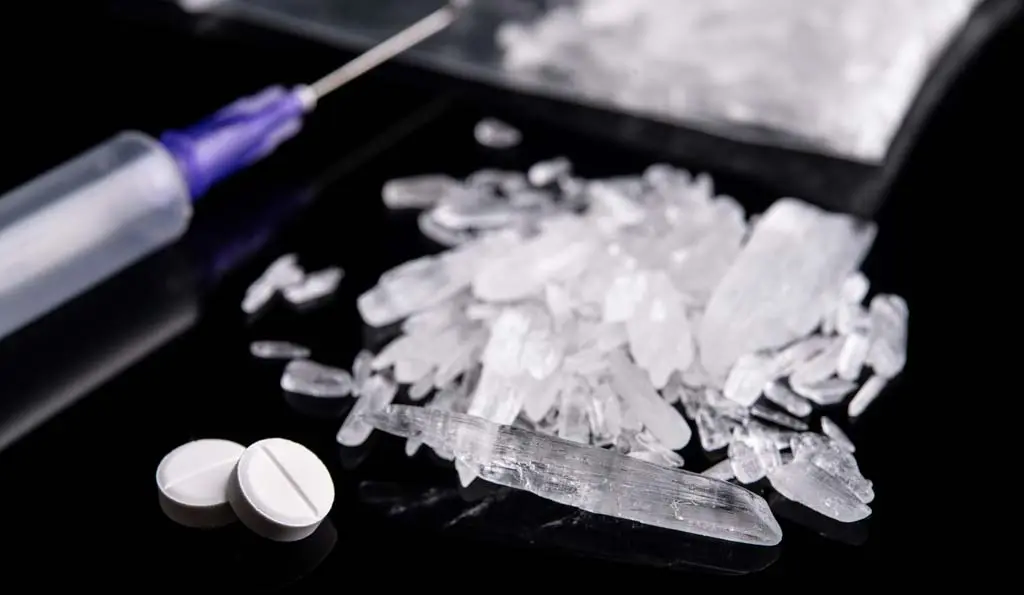
Ice Cream Drug and Meth Slang Terms

Ice Cream Drug and Meth Slang Terms

The mindset of “my child would never use drugs” or “those types of drugs aren’t a problem in my town” are outdated assumptions that currently don’t even have a sliver of truth to them. There was a period in American culture when certain substances hadn’t permeated the fabric of tight-knit communities.

Currently, the opioid and methamphetamine epidemics have spread out to affect nearly every American family in some way. If any of your loved ones – specifically your kids – were struggling with substance abuse or even just dabbling, would you be able to identify the presence of drugs in their lives?

You’re vigilant enough to notice any physical indicators that could signal any drug use if you’re lucky. Unfortunately, physical signs may not manifest until later stages of abuse.

There may even be people you suspect your loved ones are using drugs with. Some family members will attempt to pick up on signals from conversations they have in person and on the phone.

However, it’s possible they could be speaking about drug use right in front of you, and you may not even know it.

Ice Cream and the Many Slang Terms for Meth

One way to tell if your loved ones could possibly be suffering from substance abuse issues is by listening to certain words in their dialogue. Meth has multiple slang terms individuals use to hide the fact that they’re actually talking about drugs.

One of the most commonly used phrases for meth is “crystal,” which is short for crystal meth. This name is used because of the distinct crystalline form the drug commonly comes in. Later, the drug community would adopt the nickname “crank” because of its effects on the user.

If you suspect meth use from someone you care about, the following terms should raise a red flag:

  • Tina
  • Christina
  • Christie
  • Go-Fast
  • Go-Go Juice
  • Chicken Feed
  • Poop
  • Trash
  • Glass
  • Ice

If you hear any of those terms used frequently, especially around characters you may already be suspicious of, it should be a huge red flag. Identifying the signs of meth use is vital for avoiding long-term abuse and the side effects that come with it. The rising purity of the ice cream drug in the US is causing the rapid deterioration of mental health in large populations across the country.

The Rising Purity of the Ice Cream Drug In the US

Before sometime around 2006 or 2007, most of the meth available on the market was produced using ephedrine, a common ingredient found in cough medications. However, after a crackdown on clandestine labs throughout the United States in the early 2000s, obtaining ephedrine in large quantities became all but impossible – even in Mexico.

Manufacturers of the drug began using a recipe known as the “P2P method.” This particular recipe uses phenyl-2-propanone, aluminum, methylamine, and mercuric chloride instead of the ephedrine.

Mostly used during the 1970s and early 80s by outlaw biker gangs, this method took a backseat to ephedrine-based production because of the latter’s use of fewer harmful chemicals. However, after the ephedrine crackdown, manufacturers realized the precursors needed to cook P2P meth were much easier to obtain – and in massive quantities.

The Spread of Super Meth in America
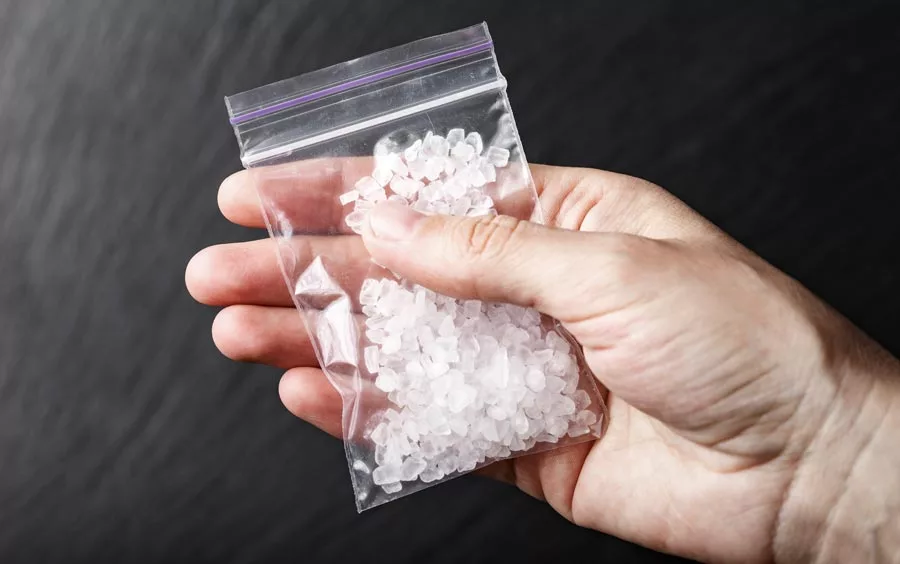
This method is what has led to the explosion in meth abuse we’re currently witnessing alongside The Spread of Super Meth in Americathe opioid epidemic.

This method is what has led to the explosion in meth abuse we’re currently witnessing alongside the opioid epidemic. Mexican “super labs” are producing extremely large quantities of the drug – often tons at a time, in older, abandoned warehouses in cities near the United States border.

The surfacing of a high number of operations of this scale led to the price of meth bottoming out. Pounds are currently available for $1,000 in some states– a stark contrast to prices of the early 2000s when a pound of meth could fetch up to $10,000.

With super labs producing meth at record quantities and prices at rock bottom, competing cartels had only one choice to gain the upper hand – increase the purity. A great deal of the meth currently available on the United States black market is over 98% pure.

This is causing two huge issues. The first is the fact that meth produced using the P2P method causes more intense psychological side effects much faster than other variations. Drug-induced psychosis can set in in a matter of weeks instead of months or years and linger longer even after treatment.

The second challenge is relatively new territory for law enforcement and medical professionals. Overdose cases because of meth are also at an all-time high, presenting a fresh set of challenges for emergency workers.

Can You Overdose from the Ice Cream Drug?

It was rare to hear about overdoses related to meth in the past. Unfortunately, the tragic spike in deaths related to meth overdose has been overshadowed by the numbers associated with fentanyl.

In 2020, over 93,000 people died as a result of a fentanyl overdose. However, from 2015 to 2019, deaths associated with meth overdose quietly tripled in the background.

The numbers rose from 5,526 to a staggering 15,489 – a 180% increase. It’s worth noting that an uptick in overdose deaths would normally correlate with an increase in the number of users around the same percentage.

Surprisingly, the number of active meth users only rose 43% during the same amount of time. A situation resulting in a 180% increase in toxicity deaths and only a 43% increase in active users points only to one factor – a deadly spike in the purity of the drug or a change in the recipe that’s causing the wave of deaths.

While evidence points to the former being the culprit and not the latter, it still piques one’s curiosity. How is the ice cream drug made now compared to a decade ago?

How Is the Ice Cream Drug Made?

Overall, three primary methods exist for manufacturing methamphetamine. These three methods are known as the following:

  • Red Phosphorous Method. This was the primary method used throughout the 1990s and early 2000s before the current method took over.
  • Birch Method. The birch method, otherwise known as the Nazi method or Shake and Bake, is a cruder form commonly found in smaller, clandestine backyard labs across the United States.
  • The P2P Method. The P2P, or Amalgam Method, is the process most heavily used in Mexican super labs. Most of the batches that end up in the hands of users today are made using this method.

Let’s examine each method in greater detail.

Red Phosphorous Method

The red phosphorous method is known for using ephedrine as the primary ingredient. Meth created using this method is known for a high that produces euphoric, energetic effects as opposed to the paranoia-inducing P2P method. Ingredients used for this method include the following:

  • Hydriodic acid
  • Hydrochloric (muriatic) acid
  • Sulfuric acid
  • Sodium hydroxide (lye)
  • Sodium chloride (salt)
  • Red phosphorous
  • Iodine
  • Isopropyl alcohol
  • Ethyl alcohol (ethanol)
  • Methyl alcohol (methanol)
  • Ephedrine
  • Pseudoephedrine

The Birch Method

The birch method, better known among meth users as shake and bake, is a process that involves hardly any lab equipment. Normally, this method is produced using one container or pot instead of a series of glass tubes and beakers. Because of the simplicity of its production, this is the method most commonly found in clandestine labs for private use across the United States. Common ingredients for this process include:

  • Anhydrous ammonia
  • Lithium metal
  • Sodium metal
  • Isopropyl alcohol
  • Ethyl alcohol (ethanol)
  • Methyl alcohol (methanol)
  • Hydrogen chloride gas
  • Hydrochloric (muriatic) acid
  • Sulfuric acid
  • Sodium chloride (salt)
  • Toluene
  • Naptha (Coleman Fuel)
  • Methyl ethyl ketone
  • Ephedrine

P2P Method

The P2P method is currently the method being used in the Mexican super labs south of the border. The problem with this method is the fact that it contains d-methamphetamine and l-methamphetamine isomers. D-methamphetamine causes the intoxicating effects that users crave from abusing meth. However, l-methamphetamine causes the negative mental side effects so often seen in current meth users.

  • Phenyl-2-propanone (P2P)
  • Methylamine
  • Mercuric chloride
  • Aluminum, hydrochloric acid
  • Isopropyl alcohol
  • Methanol, ethanol
  • Acetone
  • Benzene
  • Chloroform

Because of the quickly deteriorating mental capacity of current meth users, it may be easier to identify the warning signs of abuse.

What Are the Warning Signs of Ice Cream Use?
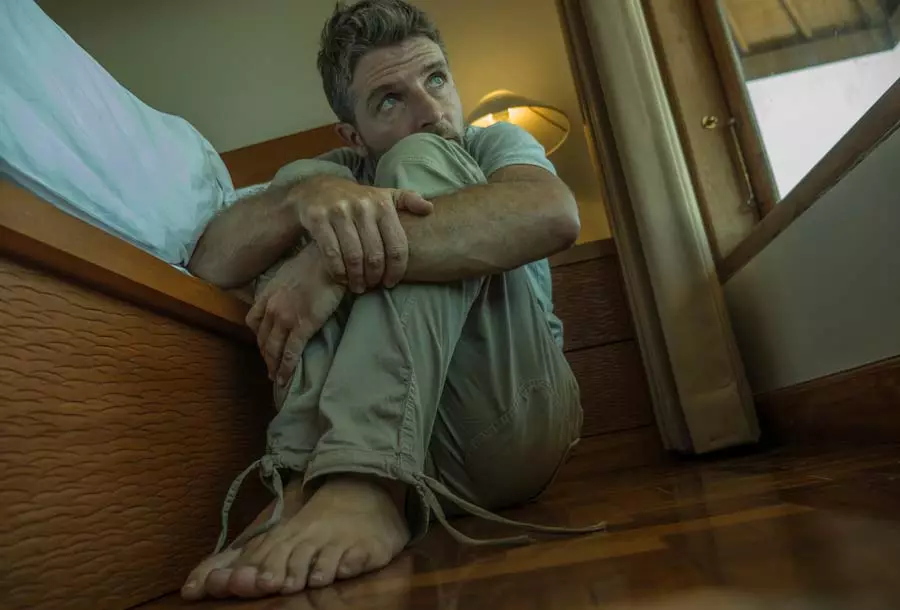
What Are the Warning Signs of Ice Cream Use

In the past, it seemed that the warning signs of meth abuse were often physical as opposed to mental. While physical warning signs are still present, red flags may exist more in the form of mental symptoms. Some of the most common indicators present in users are listed below:

  • Paranoia, or a belief that someone is chasing them
  • Withdrawn from society, family, and friends
  • Violent changes in mood swings
  • Aggressive or violent tendencies or periods of rage
  • Enlarged pupils
  • Staying up for extended periods
  • Long periods of sleep
  • Engaging in ideas or beliefs that don’t make sense
  • Difficulty staying focused on one task
  • Becoming ultra-disorganized

Individuals who abuse meth engage in a behavior known as tweaking. They will remain hyper-focused on one activity, possibly participating in this activity for hours. However, when they get distracted, they’ll leave these projects, often unfinished, to move on to the next. This false belief that they’re accomplishing more leaves behind multiple unfinished tasks and projects.

Physical Side Effects of the Ice Cream Drug

Even though mental indicators may be more prevalent initially, this doesn’t exclude the possibility of physical side effects. Eventually, most everyone who suffers from meth abuse disorder will begin to manifest the physical signs of use. These signs include:

  • Rapid weight loss
  • Dark circles under the eyes
  • Dry mouth
  • Cracked, dry lips
  • Dehydration
  • Rapid heartbeat
  • Spikes in blood pressure

Most of these symptoms are associated with the effects of short-term use. However, most of these physical side effects of the ice cream drug will increase in severity with long-term use.

There isn’t one guaranteed set of effects that users that long-term users are guaranteed to experience. The intensity of most of these effects heavily depends on the amount used, frequency of use, and any pre-existing conditions or accompanying addictions the user has.

What Are the Long Term Side Effects of Ice Cream Abuse?

Many long-term effects exist for individuals who suffer from meth abuse disorder. Again, many of the worst side effects will be mental because of the current manufacturing process. However, extended use will eventually lead to potential life-threatening physical challenges.

Mental

  • Meth-induced psychosis
  • Difficulty concentrating
  • Memory loss
  • Loss of cognitive abilities
  • Difficulty maintaining relationships

Many of the long-term mental effects are repairable after extended periods of recovery. What are some of the long-term physical side effects?

Physical

  • Extreme weight loss
  • Loss of teeth
  • Long-term blood pressure and heart issues
  • High risk of heart attack and stroke
  • Heart disease

Again, it’s possible to overcome the physical side effects after long-term recovery.

Methods of Treatment for Meth or “Ice Cream” Dependence

There is no one-size-fits-all treatment for individuals who suffer from meth abuse disorder. However, through assessments and one-on-one interviews with mental health professionals, clients can form a personalized treatment plan that includes the most effective forms of therapy.

Some of the most commonly used forms of treatment for meth abuse disorder include:

  • Talk therapy and one-on-one counseling with therapists
  • Cognitive-behavioral therapy. This form of treatment helps clients replace negative behaviors associated with meth abuse with more positive behavior habits.
  • Dual-diagnosis treatment aims to remedy underlying mental conditions that exist as a trigger for meth abuse disorder.
  • Group recovery meetings similar to 12-step programs are effective after inpatient or outpatient treatment.
  • Group therapy with family members and loved ones also significantly affects a positive recovery.

One of the most critical steps in the recovery process is actually finding help for a loved one using methamphetamines. With the right support system and the will to recover, individuals who suffer from meth abuse disorder have a good chance at lasting recovery.

Is Lasting Recovery from the ‘Ice Cream drug’ Possible?

At Best Rehabs In Arizonas in both Colorado and Arizona, we pride ourselves on having a staff who believes in long-term recovery and is experienced in helping clients achieve it. We start with a quality, accredited medically supervised detox process that segues into a top-notch inpatient treatment stay.

Clients have regular access to therapy sessions with top-rated mental health and substance abuse specialists. We even have five-star chefs preparing meals for clients – nutrition is a huge part of recovery as well!

If you’re ready for a robust treatment program that attacks abuse disorders from every angle, contact a member of our admissions team today!


How Long Does Meth Psychosis Last?

How Long Does Meth Psychosis Last

What Is Meth Induced Psychosis?

My meth addiction made me literally lose my mind. Besides losing my sanity, I also lost nearly everything else in my life. My job, my wife, and my overall happiness. There aren’t a lot of drugs out there like meth. The damage that it does to your body and your mental health is astounding.

Even after you quit using meth, there can be underlying conditions and psychosis. It took me a long time to feel normal again after I went through recovery at Best Rehabs In Arizona. I still have nightmares to this day and wake up wondering if they were real or not.

So what is meth-induced psychosis? Generally speaking, meth psychosis is brought on by a combination of paranoia and hallucinations that result from prolonged meth abuse.

Speaking from personal experience, this is a terrifying condition and can quickly escalate to a point that’s unimaginable. I started using meth when I was a teenager.

I grew up in a rural area, and the manufacturing of meth wasn’t too uncommon in my town. I ended up getting into it through friends, and eventually wound up producing it myself. It didn’t take long for my whole personality to change.

The progression of meth psychosis is rapid. Within several months of using meth, I found myself paranoid and thinking everyone was out to get me. First of all, there is a lot of paranoia that goes along with using illegal drugs and having your life revolve around them.

The people you associate with are less than ideal, and you are always in fear of being arrested or found out by your loved ones. Meth is a very hard addiction to hide from anyone. The damage that it does to your body makes it very obvious. It’s hard to deny you have an addiction when your teeth are falling out and you look as pale and sickly as a corpse.

So the symptoms of meth abuse are obvious. We’ve all seen the meth before and after photos of what the drug does to people over time. The symptoms of meth psychosis are also very obvious. You become incoherent.

There is a lot of fast-talking and rambling. Being unable to concentrate on one subject is extremely difficult. Dealing with that kind of fear and anxiety is totally crippling. You start to believe all these crazy thoughts are real. There is also the issue of thinking things are crawling all over you. Meth Mites are a common occurrence.

You start to believe there are bugs crawling under your skin. Meth crystalizes under the skin, which causes a lot of irritation and itching. It’s extremely uncomfortable.

It sounds nuts, but since you are not in the right frame of mind when you’re using meth, you can quickly start to believe that insects are literally crawling all over you. When you’re just getting into drugs, this doesn’t sound like a very appealing high.

Who in their right mind would want to experience something like that? You don’t get it until you’re in it. You don’t plan on using drugs to lose your mind. You begin using drugs because you want to have fun or you have some sort of pain to cover up.

When your drug abuse gets to the point of visual and auditory hallucinations, paranoia, and anxiety, you’d think that would be enough to get clean right? The answer is usually no. People get so far in they don’t see what they’ve become.

When I look at old photos of myself from when I was using drugs, it shocks me. How did I not know how bad I looked? It’s a brutal reality that you develop drug eyes. You don’t see how bad it’s gotten. Even if you do, it still isn’t enough to do anything about it.

Progression Of Meth Psychosis

Meth hallucinations are very real and they affect every aspect of your life. They can be visual, auditory, and tactile. You can see, hear, and feel things that are not there. There’s no way something like that isn’t going to have a hugely negative impact on you.

The really tricky thing about psychosis is when you are experiencing it, you don’t recognize it as abnormal. It’s easy to look at a meth addict suffering from psychosis and see that they are unwell. When you’re the addict, it’s not all that clear.

Using drugs like meth cause the brain to release large amounts of dopamine, which are trigger feelings of euphoria. When those feelings go away, and the high disappears, you want nothing more than to get that feeling back.

Continued substance abuse and the repeated release of dopamine cause your brain to burn out. It’s the same with almost every drug. In the beginning, your tolerance is low.

As you build up your tolerance to the drug, you need more and more of it to get by. Eventually, this develops into a full-blown addiction, and your brain can’t release all that dopamine fast enough.

How long does meth psychosis last? It depends on the level of your addiction. For some people, it can play out over months or even years. There are some users who develop permanent meth psychosis, however, with treatment this condition is reversible.

There is a lasting recovery from meth misuse. It’s one of those addictions that you don’t ever really defeat. Because it is such a powerful drug, the cravings can continue long after you are sober. This is why it’s important to develop a strong recovery network and understand that you are powerless to the drug.

One of the obvious side effects of methamphetamine use is meth mouth. Meth mouth is defined simply as tooth decay and gum disease as a result of repeated meth use. The damage to the teeth is the result of not only the acidity of the drug but also involuntary teeth grinding and overall poor oral hygiene.

By the time the user seeks treatment, the teeth are often too damaged or broken to be repaired and have to be removed. There is also a direct connection between meth use and voice loss.

Treatment For Meth Psychosis

Treatment For Meth Psychosis

Treatment for meth addiction requires a lot of work on both the user and the person treating the user. I was really surprised at the care and compassion showed to me at Best Rehabs In Arizona.

My addiction and my psychosis were at a very dangerous level. Best Rehabs In Arizona offer a great dual diagnosis program, and for someone like me, it worked wonders. I didn’t realize that my mental health was at an all-time low.

Dual diagnosis treatment is a great way for addicts with mental illness to work on both issues at once. It may seem overwhelming, but it’s proven to be a very effective way to treat substance abuse.

Once the damage is done, it’s pretty difficult to do away with the problem on your own. Because drugs rewire our brains and change the way we think, addicts are not often concerned with their appearance after a while.

It quickly becomes an afterthought. When you are recovering from meth, you become one big restoration project. Your body and mind are equally damaged. If you are done feeling paranoid all the time, dope sick, and strung out, a place like Best Rehabs In Arizona will get you back on track.

If addressed early enough, there is a chance your state of mind can be restored. If you have been abusing meth long term, there aren’t a whole lot of options other than intensive rehab. The solution to fixing meth mouth is to quit using meth, which is not exactly simple.

Meth can be a very difficult drug to get off of, as it completely rewires your brain. If you are serious enough about it, sobriety can be achieved no matter where you’re in your addiction. The damage to your mouth is only something that can be addressed after you face the problem head-on.

When you recover from a drug like meth, it takes a very long time to return to the way you once were. Luckily for me, I have found the pull of recovery stronger at this point than the pull of Meth.

The triggers may still be there occasionally, but I am in a much better frame of mind these days to know the consequences of my actions. When I was using meth, there was nothing on my mind but getting high. I have a lot more positive elements in my life that help me stay on the right track.

Keeping yourself on track is going to be a huge part of your daily life. It takes a lot of work to reach a comfortable level of recovery. It’s something that’s worth celebrating every day.

When you are ready to take on the battle and follow through with it you will find the outcome very rewarding. Once you know you want to get clean, you will be coming from the best possible place.

What is Meth Mouth?

What is Meth Mouth

Meth Mouth

Many people are surprised to find that bad breath is a common consequence of drug abuse. We talk extensively about the physical and mental health impairments related to drug abuse. But these are not the only impairments that we have to worry about. 

Oral problems, including bad breath, are particularly common among meth users. Users call this meth mouth. Meth mouth is characterized by damage in and around the mouth, to the teeth and gums, and the lips. 

What Causes Meth Mouth?

What Causes Meth Mouth

Meth mouth occurs for several different reasons. Neglected oral hygiene is one of the most common. Drugs as powerful as meth can make you forgetful, sleepy, and distracted. It is unlikely that someone on meth will remember to properly take care of themselves. 

In addition to a poor diet and a lack of exercise and proper hydration, the oral hygiene habits of drug users often suffer. It is easy to forget to regularly floss and brush your teeth when you are under the influence of an overwhelming substance. 

Meth also causes dry mouth, a significant contributor to developing cavities and eroding gums. It is acidic, which damages the teeth more directly. And it can make you crave sugar and grind or clench your teeth.

These are the primary drivers of meth mouth: poor oral hygiene, dry mouth, acidic erosion, sugar cravings, grinding and clenching your teeth. The symptoms of meth mouth can be a source of insecurity, discomfort, or even pain. 

Meth and Bad Breath

Bad breath in meth users is caused by dry mouth and poor oral hygiene. But bad breath is only the start of meth mouth. What’s more concerning are the side effects that come next. These side effects can be mild to severe, depending on the level of use and other individual factors. 

They can also occur both inside and outside of the mouth. Damage to the lips, tongue, cheeks, and gums is common. It is not just your breath or your teeth that suffer when you use meth. There is no safe way to use meth. Using meth will always put your oral, mental, and physical health at risk. 

Other Symptoms of Meth Mouth

Dry or cracked lips, damaged gums, tooth decay, cavities, and missing teeth are all common among meth users. In one study, medical professionals examined the mouths of 571 meth users. They found that nearly everyone in the study had poor oral health. 

Among them, the three most common oral health impairments were cavities (present in 96% of participants), untreated tooth decay (58%), and at least six missing teeth (31%). Meth mouth is often one of the most apparent physical changes that occur when a person uses meth. 

Dentists often characterize meth mouth by the presence of severe tooth decay and gum disease. This combination often causes teeth to break, blacken, rot, crumble, or fall out. Lesions are also typical among meth users. 

These side effects are often apparent from the outside. Meth users often experience alterations to their facial features, as well as skin damage. The sunken look that accompanies meth use is one of the most obvious signs of trouble. 

How Common is Meth Use?

Methamphetamine is a Schedule II drug. This means that it is too dangerous for medical use and has a high potential for abuse and severe dependence. But this classification has done little to curb meth use over the years. 

In 2017, roughly 1.6 million people reported using meth in the past year. Most users tried meth after becoming addicted to prescription opioids. One study confirmed that this connection was present in 80% of participants. 

Other Side Effects of Meth Use

Learning about the effects of meth is an important step in keeping ourselves and each other safe. Meth mouth is a common and concerning condition among users. But there are other side effects that you should also be aware of. 

Aside from meth mouth, some of the most common side effects of meth use include: 

  • Weight loss 
  • Body tremors
  • Increased or irregular heartbeats 
  • Confusion
  • Paranoia
  • Hyperactivity 
  • Insomnia 
  • Anger
  • Anxiety 

These side effects can vary depending on many individual factors. The method of use, frequency, mental health, and medical history of the user are some of the most impactful. Some side effects are specific to certain methods of drug abuse. 

For example, injecting meth comes with the additional risks of collapsed veins, infections at the injection site, and HIV from shared needles. Snorting meth can damage the nasal cavity and sinuses, causing issues like loss of smell and painful nosebleeds. 

Over time, more troubling side effects become more likely. These include potentially fatal health problems, like central nervous system damage, seizures, strokes, heart attacks, and overdoses. But you do not have to live in constant fear of the impacts of your meth use. Help is available. 

How to Prevent Meth Mouth

Preventing meth mouth comes down to altering your habits. There is no foolproof way to prevent meth mouth while you continue to use meth. These oral health impairments will always be linked to meth use, and they will only get worse the longer the abuse goes on. 

If you have already stopped using meth and want to prevent further damage, there are a few changes you can make. Building a healthier oral hygiene routine, staying properly hydrated, eating nutritious meals, avoiding excessive amounts of sugar, and checking in with your dentist are all good ideas. 

Treatment for Meth Mouth

Treatment for meth mouth can help reverse or improve the damage done. But meth addiction treatments should come first. After all, there is no point in improving your oral health without improving your habits. 

Once you have stopped using meth and developed a healthier routine, your dentist can help you determine which treatments will make the biggest difference. Depending on the level of damage, it may be as simple as brushing with a certain toothpaste, using a prescription mouthwash, avoiding sugar, drinking more water, and eating healthier meals. 

But for long-term users or users ingesting high volumes of meth, there may be more damage than can be undone with such simple changes. Our medical staff can help you analyze your options and find the right dental care provider. They will guide you from there. 

Getting Help for Meth Addiction

Getting Help for Meth Addiction

Recognizing that you need help is the first step in addiction recovery. Methamphetamine is a highly addictive stimulant. No one expects you to overcome it on your own. At Best Rehabs In Arizona, we understand how difficult it is to break the chains of addiction, and we are here to show you the way. 

At each step in your recovery journey, you will have access to the expert-level care, support, and guidance that you need. We will help you break down the barriers between this life and a healthy, happy, sober one. We will help you find a way to live that doesn’t involve meth or its many potential consequences. 

If you or someone you love needs help overcoming meth addiction, you have come to the right place. At Best Rehabs In Arizona, we believe in high-level, holistic, and personalized treatment programs. Call our addiction counselors at 866-576-4892 to get started building yours. 

Methamphetamine: How Bad Is It?

How Bad Is Methamphetamine?

Methamphetamine is a stimulant drug with a widespread reputation for causing serious harm.

But does the drug deserve this reputation? Is it as bad as people say?

The simple answer to this question is yes.

Methamphetamine (also known as meth, crystal, glass, ice, and speed) can damage your health in many different ways.

One of its most well-known risks is addiction.

People who use the drug often can easily end up in an addictive cycle that is difficult to break.

But even if you do not get addicted, abuse of the drug can damage your mental and physical well-being. In a worst-case scenario, it can also kill you.

But rest assured, you are not doomed to suffer these kinds of tragic outcomes.

If you are abusing meth or addicted to the drug, you can break free with help from trained professionals.

No matter how hopeless you feel today, effective meth rehab will help you turn things around.

Methamphetamine: How Bad Is It? Best Rehabs In Arizona - A young man is sitting with an addiction specialist for an initial assessment to determine the appropriate, customized treatment plan for his methamphetamine addiction.

Methamphetamine Abuse

In the U.S., some people use a legally prescribed form of methamphetamine. However, the majority of users consume an illegal form of the drug. Any recreational form of drug use automatically qualifies as substance abuse. You can also abuse legal meth if you:

  • Take it without having a prescription
  • Consume it more often or in larger amounts than your doctor prescribed

Mental Impact of Abuse

Even without considering addiction, abuse of the drug can lead to serious mental health consequences. The worst of these consequences tend to affect long-term users. They include such things as:

  • Unusual outbursts of aggression or violence
  • Memory problems
  • Unpredictable mood changes
  • A reduced ability to focus attention
  • Problems thinking logically

But these are not the only potential effects. Some people also develop psychosis, a problem generally associated with serious illnesses like schizophrenia. Not all examples of psychosis are the same. However, its most typical symptoms include:

  • Paranoid and/or delusional thoughts
  • Sensory hallucinations
  • Involuntary, repeated muscle movements


It would be bad enough if you only experienced psychosis during active periods of drug use. However, for some people, the situation is far worse. Even after they quit taking methamphetamine, they still go through psychotic episodes. These episodes can continue to appear for years in some cases.

Physical Impact of Abuse

Over time, the drug can also seriously impact your physical health. For example, meth can change the structure of your brain. This fact helps explain at least some of the mental problems linked to the drug. In some cases, meth-related brain damage is permanent. Long-term users may also experience serious or permanent damage to their:

  • Hearts
  • Lungs
  • Kidneys
  • Liver

Another potential impact is extremely high blood pressure. In turn, this problem can lead to fatal strokes or heart attacks.

Even with all of this, there are more physical problems linked to the drug. One of these problems is advanced dental damage, often known as “meth mouth.” Common symptoms of meth mouth include:

  • Decaying teeth
  • Stained or discolored teeth
  • Diseased gums
  • Pain in your jaw’s joints and muscles

Because of changes in their diet, many long-term users are malnourished and lose lots of weight. You may also develop itchy skin, and some people scratch with enough force to cause significant skin damage.


Immediate Placement in Methamphetamine Rehab – Get Help Now

877-651-3366


Methamphetamine Addiction

Methamphetamine shares a major danger with the stimulants cocaine and amphetamine. Namely, it can serve as a powerful source of drug addiction. Addiction happens when your brain comes to depend on the drug, and you feel compelled to seek it out.

When you started using crystal, you almost certainly had no interest in getting addicted. Instead, you turned to the drug because you wanted, in your way, to feel better. Nevertheless, every time you get high, your chances of addiction go up.

In fact, compared to amphetamine and cocaine, meth may pose an even greater risk. This is true, in part, because the drug produces stronger feelings of pleasure. In addition, its effects do not last for long. Together, these two facts increase the odds you will try to get high repeatedly, even in short spans of time. This is a custom-made recipe for the rapid production of drug addiction.


Learn More About Meth Rehab at Best Rehabs In Arizona Call Today

866-263-1847


Mental Illness

On its own, meth addiction is a form of a mental illness called stimulant use disorder. However, people who abuse methamphetamine also have higher risks for other kinds of mental illness. In addition to schizophrenia, the list of potential conditions includes:

  • Bipolar disorders
  • BPD or borderline personality disorder
  • Major depression and other depressive illnesses
  • Antisocial personality disorder
  • Anxiety-related conditions, like generalized anxiety disorder

This does not necessarily mean that your drug problems led to your other mental health problems. This may be true for some people. However, there are many possible explanations for your situation. For example, you may have developed a mental illness before you got involved in substance abuse. Still, the overall danger is clear. People who abuse drugs or alcohol are affected by mental illness at an unusually high rate.


Methamphetamine Overdose

Like a wide range of other substances, crystal and other forms of meth can trigger an overdose. Why? Because they have the potential to overwhelm your system and stop it from working as it should. The drug causes about 15% of all fatal overdoses in the U.S. Some people die as a result of a stroke. Others die from heart attacks. You are especially at risk if you also abuse an opioid drug or medication.


24 Hour Meth Rehab Hotline – Get Help Now

877-651-3366


Meaningful Treatment is Available

Given all of these dangers, it is easy to see methamphetamine is as bad as experts say. However, this does not mean that problems related to the drug are untreatable. There are effective ways to recover from addiction and make a substantial return to health. This fact holds true regardless of how long you have abused meth or been addicted.

The best possible way to stop abusing the drug is to enter a supervised detox program. Detox will give you the tools to halt your substance use and cope with meth-related withdrawal. These tools include forms of care, such as:

  • Making sure you get enough fluids
  • Taking steps to improve your nutritional health
  • Tracking your heart rate and other vital signs

Once you get the drug out of your system, you can start active rehab. Drug rehab for methamphetamine is based on the use of behavioral therapy. That is the name for therapy that helps you make major changes in your everyday behavior. Such changes include:

  • Understanding why you get drug cravings
  • Recognizing the signals of an increase in your desire to get high
  • Coping with your urges and remaining drug-abstinent

Methamphetamine: How Bad Is It? Best Rehabs In Arizona - A group of individuals attending a residential rehab for methamphetamine addiction is engaging in a group therapy session, where they are showing their support for new group members that have recently entered treatment for meth abuse.

Free Insurance Verification for Methamphetamine Rehab – Get Help Now

877-651-3366


Seek Methamphetamine Treatment Today

Meth can leave you feeling so damaged that recovery seems almost impossible.

But no matter how convinced you are, the facts do not support this point of view.

Every day, people are affected by the drug enter treatment programs.

And once in treatment, they take the steps needed to make a return to sobriety more than just a dream.

Without a doubt, it can be challenging to overcome a methamphetamine problem.

But you do have options for moving forward.

Need help getting started? Just contact the professionals at Best Rehabs In Arizona.

We specialize in supporting the recovery needs of people just like you.

With our assistance, sobriety is within reach.

Meth Withdrawal: What You Can Expect and How to Power Through

Meth Withdrawal

Meth Withdrawal: What You Can Expect and How to Power Through

If you’re struggling with a meth addiction, the thought of meth withdrawal is scary if you don’t know what to expect. This guide can help.

You can’t deny it any longer: meth has total control over your life.

You feel like you’re in a place where you want to ask for help. But you’re nervous about what to expect from the meth withdrawal process.

You want to know what it will be like, and how you can handle it.

In this post, we’ll tell you exactly what you can expect out of meth withdrawal.

We’ll remind you of why it’s so worth it to keep going, and also tell you where you can go to get the help you deserve.

Read on to learn more about your journey towards recovery.

Don’t Face Meth Withdrawal on Your Own

We know that you’ve likely thought about getting help before.

You know that the lifestyle you’re living now isn’t sustainable. It’s not just hurting you physically and wrecking your financial and professional life.

It’s also destroying your relationships, your future, and your emotional well-being.

If you’re honest with yourself, the fear of methamphetamine withdrawal is one of the biggest reasons why you might continue to use. Perhaps you’ve dealt with a bit of withdrawal in the past, and it’s not something you’re eager to experience again.

We certainly understand.

Meth withdrawal is scary. It’s also incredibly dangerous. This is why it’s so important to avoid detoxing and dealing with the symptoms of meth withdrawal on your own.

First of all, without the proper medication and medical attention (and emotional support) you’re likely to start using again. But even more importantly, you are putting your health in grave danger.

Especially if you’ve been a long-time meth user, or if you use a high volume of the drug?

You could even die attempting to go “cold turkey” or detoxing on your own.

Don’t do it. Get help from a professional detox and recovery center. They’ll see you through every step of the detox and meth withdrawal process.

Now, let’s talk a bit more about the symptoms and the timeline you’ll need to be ready to face.

The Most Common Meth Withdrawal Symptoms

Most Common Meth Withdrawal Symptoms

It’s, of course, important to remember that everyone’s journey with addiction recovery and detox will be different.

That said, there are a few common experiences that it’s good to be informed about upfront. The symptoms that you’ll confront throughout the meth detox process is something you need to be educated about.

First of all, you should expect feelings of serious, difficult withdrawal to begin about 24 hours after you’ve stopped using.

Let’s talk now about what you may experience.

Anxiety and the Withdrawal Process

You’ll likely deal with fairly intense feelings of anxiety.

This isn’t just because you’re physically reacting to not having the drug. It’s because you’ve likely been using meth as a means of coping with your own anxiety.

In fact, there’s a strong link between people with anxiety disorders and meth abuse.

In addition to anxiety, you’ll likely also deal with feelings of depression. This is why it’s so important to transition to a rehabilitation and treatment center once the first phase of the detox process is over.

You’re dealing with the consequences of your actions and overwhelmed by what your future will look like. Plus, you’re in physical pain.

We promise that it gets better. In many cases, the more severe feelings of depression will fade by the second week that you enter into withdrawal.

Exhaustion and Hypersomnia

You’ll also deal with intense feelings of exhaustion — way beyond just normal fatigue — during the withdrawal process.

This will likely be a bit of a shock to your system. After all, we’re willing to bet that sleep wasn’t exactly a priority when you were using.

You also might not have felt like you needed much sleep in the throes of your addiction.

By day five of your withdrawal process, you may deal with what’s called hypersomnia. This is an intense need to sleep for long periods of time.

Cravings and Withdrawal

Meth Cravings and Withdrawal

Once you’ve gone through the first week of withdrawal, you’ll likely have to deal with one of the most unpleasant effects of detox: withdrawal for meth.

The good news is that both the intensity and the frequency of these cravings will slowly decrease over time.

In addition to, of course, craving meth, you’ll also likely experience a craving for sugary and carb-rich foods.

Even if you were never into them before, these cravings can be overwhelming.

This isn’t just because your body makes a connection between the “rewards” feelings of sugary and high-carb foods and the same high you got when you were using.

It’s also because you likely weren’t as hungry — much less eating healthy foods — when you were using. In a way, it’s your body asking you for what it wants and needs.

Perhaps you just haven’t stopped to (or been able to) listen to those needs in a while. Don’t worry. As you continue to progress in your recovery, you’ll learn how to eat healthy again and take better care of your body.

Physical Symptoms

There are a few physical symptoms of withdrawal that you should also prepare yourself for.

The good news is that your treatment team will likely be able to give you some form of medication to help you cope with these symptoms. (In some cases, you may also be able to receive medication designed to help you manage the psychological side effects of addiction withdrawal.)

You may feel nauseous, and experience frequent bouts of vomiting. You may also deal with diarrhea, dry mouth, and even the shakes.

Some people going through meth withdrawal also deal with the chills and fever.

You might also experience intense pain in the jaw. This is because, especially if you’ve been using for a while, you may have clenched it and ground your teeth.

A Word About Psychosis

Psychosis

For many people, one of the scariest things about methamphetamine withdrawal is potentially entering into a stage of psychosis.

In more common terms, you may have heard this referred to as “tweaking.” It can also happen after you haven’t slept for several days on end because you’ve been on a long bender of using.

You may find that you deal with auditory or visual hallucinations. Your dreams may feel much more vivid than they usually do. In some cases, you may even experience paranoid delusions.

You might also feel like you have high levels of excessive, boundless energy.

The truth is that this is also why it’s so important to get help in a professional setting. These feelings can be incredibly overwhelming.

Though they certainly don’t happen to everyone, you want to make sure you’re in a good place to get help if they happen to you.

Acute Withdrawal Syndrome

When people hear the word “detox,” they often think of it as something that only lasts for a maximum of three to four weeks.

It is true that the majority of your withdrawal symptoms will be gone after this time? It doesn’t mean that you’re in the clear forever.

You may experience what’s known as acute withdrawal syndrome a few months after you’ve stopped using. This means that you may deal with some of the symptoms discussed here throughout your longer treatment process.

Again, this is just one more reason to stay in a facility that can give you the care and attention you need and deserve.

Why Get Treatment?

Professional Help with Meth Addiction

We understand that, after reading this, you may be conflicted about treatment.

No, withdrawal won’t be easy. But the truth is that it will certainly be no more difficult than your life if you continue to use.

Think about your “why” for stopping using.

Maybe you have a family you want to repair relationships with. Maybe you have big plans for the rest of your life. Maybe you know that, with the right support network, you can get through detox.

Perhaps you even want to help others who are struggling with addiction in the future.

Remember, you can do this. What you can’t continue to do is gamble with your life.

Getting Professional Help with Meth Withdrawal

Now that you know more about what to expect out of meth withdrawal, it’s time to talk to you about next steps.

If you feel like the time to get help for yourself or someone else is now, remember that you can’t go through this alone.

We want to help you to get your life back and stop letting meth control everything you do.

We offer effective and supportive detox and treatment programs for meth users and others struggling with addiction.

Reach out to us today to start getting your life back.