How Long Does Meth Stay In Your System?

How Long Does Meth Stay in Your System?

Does Meth Remain in Your System a Long Time?

One of the most commonly asked questions from individuals with substance use disorders is how long certain substances stay in your system. This question is often raised for a few different reasons.

Someone might be curious about the length of time meth stays in your system because they’re ready to detox. Other times, it might be because they were sober and slipped into relapse and have a drug test approaching they need to pass.

The best way to understand how long meth stays in your system and how it behaves is by really becoming educated on what meth is and how your body reacts to it. Let’s take a look at this incredibly complex drug and its role in the lives of individuals who abuse it.

What Is Methamphetamine?

Methamphetamine, or crystal meth, is a synthetic stimulant that has a reputation for its highly addictive properties. This drug interacts with the central nervous system, leading to an intense release of dopamine, serotonin, and chemicals in the brain that manifests certain feelings and emotions when we engage in certain behaviors.

Technically, there are legal formulations of methamphetamine, such as narcolepsy medication Desoxyn. However, as an illegal narcotic manufactured on the black market, meth is a Schedule II substance on the federal and most state levels.

Throughout the 90s, methamphetamine experienced a boom in certain regions of the United States, leading to challenges with clandestine labs created by users looking to produce the drug themselves. Many of these labs led to explosions because of the crude setup and dangerous substances used to manufacture low-quality meth.

This low-quality version of the drug, otherwise known as crank, is only a fraction of the purity seen with the current version that’s flooded American streets. Many people consider meth, crank, and speed to be the same substance. However, individuals with an ear to the streets consider this to be false, as each of these terms describes a completely different substance, respectively.

Crank

Crank refers to the crudely manufactured version of methamphetamine that’s formulated in backyard and basement labs in remote areas of the United States. The popularity of these labs decreased after DEA crackdowns led to arrests in large numbers.

Additionally, many of the ingredients required to produce this version of meth are on the FDA’s banned substances list or are heavily tracked in an effort to observe buyer behavior. Crank is also known as shake and bake, bathtub crank, biker crank, and easter bunny dope.

Meth

Meth is the name that’s commonly used to refer to the current versions of methamphetamine that are circulating on the black market. Other names for this highly potent, pure form of the drug are glass, ice, tina, clear, and go-fast.

Large quantities of this drug are produced in huge warehouses known as superlabs throughout parts of Mexico. Drug cartels are behind the formulation, creation, packaging, smuggling, and distribution of this drug and rule the market with an iron fist.

It’s not uncommon for seized batches of this drug to test at nearly 100% purity. What used to be a drug considered to be approaching extinction as far as use goes has returned with a vengeance. Currently, meth is the number two most consumed drug in the entire world. This ranking is a side effect of the silent explosion of use that went almost unnoticed because of the opiate epidemic.

Speed

Speed is a term used to describe the pill form of methamphetamine. In the 70s, methamphetamine pills became popular on the black market before cocaine and crystal meth took over. Despite their decreased popularity in America, these pills still exist and are more common in parts of Europe as well as Asia the Middle East.

Despite the different forms of methamphetamine, many of the short-term effects are similar across all variations.

Short-term Effects of Meth

Meth is an incredibly long-acting drug with varying effects felt at different stages of intoxication. Because of the duration of the high, users normally require small doses of the drug to achieve the desired effects.

Despite these lowered doses, the presence of particularly intense short-term effects still has the potential to affect users in a very powerful and highly addictive manner.

Normally users either smoke meth via glass pipe or inject it with an insulin syringe. When either of these methods is administered, the drug reaches the brain very quickly, with injection being the faster of the two.

The result is what’s known as a “rush” – the sudden onset of intense pleasure and excitement. Users may also orally ingest meth or snort it nasally, both of which produce a much longer high with an increased presence of physical energy.

When the drug is swallowed or snorted instead of smoked or injected, the sudden, intense rush is replaced by a constantly maintained spark of motivation lasting for up to 12 hours.

The overall period of intoxication and time the drug remains present in the blood are dictated by what’s known as the half-life. When your body metabolizes the drug faster, the high isn’t felt as long, and the duration in which traces are detectable by a drug test is shorter as well.

How Long Does Meth Stay in Your System?

How Long Does Meth Stay in Your System?

Despite the fact that they’re both stimulants, meth, and cocaine exit the body at different rates. Cocaine is quickly removed and nearly completely metabolized in the body, while meth remains unchanged and hangs around much longer. This is what leads to the extended period of intoxication.

Normally the window of intoxication is anywhere between 10 and 24 hours. The overall period is heavily dependent on how much is ingested and at what time of day, how it’s administered, the body’s chemistry, and the function of the liver and kidneys.

Understanding these things about the elimination of methamphetamine from the body leaves the final question of the actual half-life of meth.

The Half-life of Methamphetamine

Understanding the half-life of meth is critical if you’re in the company of someone that suffers from meth abuse disorder. Being aware of this important number allows you to gauge when the individual can expect to experience the initial stages of withdrawal.

Normally, the half-life of methamphetamines in the bloodstream is somewhere between four and six hours. However, this doesn’t mean that all traces of meth are eliminated after this period.

It takes the course of about five half-lives for a substance to completely exit the body. After applying the appropriate math, it’s safe to assume that meth takes about 25 hours to fully vacate the bloodstream.

It’s important to keep in mind that the chemical breakdown products of meth can still be detected in other body systems, including urine, hair, and other sources. The following section highlights each different type of detection and how long they’re effective at tracing meth.

Detecting Meth in Drug Tests

Even when meth is eliminated from the blood, the drug is still detectable in certain types of tests. The following list contains information about each specific testing model:

Urine Tests

Urine testing is normally the most common form of detection when it comes to substance abuse. These tests are conducted fairly quickly and aren’t intrusive. The individual produces a urine sample in a cup, and the contents are examined with a panelled testing component. Normally urine tests can detect the presence of meth for a period of one to five days.

Blood Tests

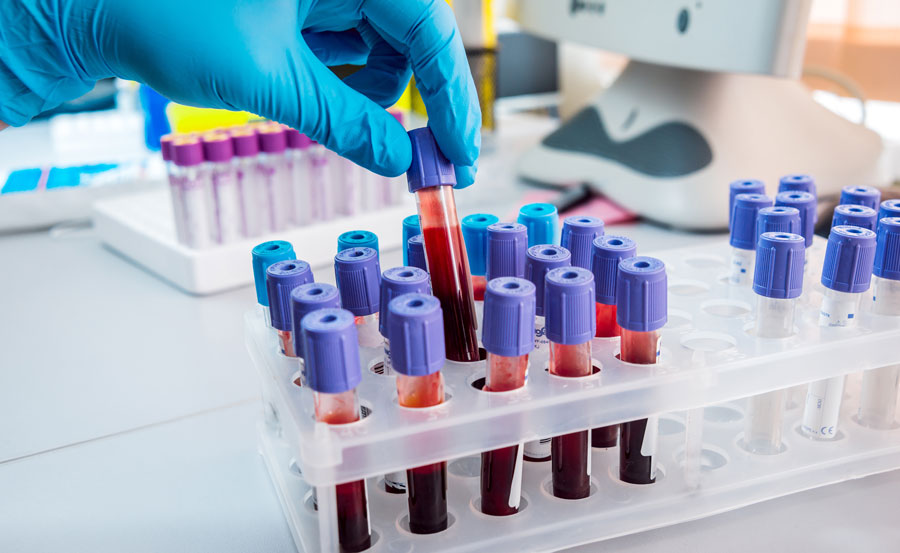
Remember, blood tests follow the same timeline as the half-life of meth. This means that the drug is only detectable in the blood for about 25 hours.
How Long Does Meth Stay in Your System?

Saliva Tests

Drug tests that consist of saliva swabs are normally effective at detecting meth for up to two days after the last use. These tests require an absorbent material to swab the mouth or tongue.

Hair Tests

Hair tests can also be used to detect the presence of meth. All it takes is a half-inch sample of hair to detect the presence of meth for up to 90 days prior to the test.

Meth Testing Variables to Consider

The detection times of meth using these drug tests change from person to person. However, there are other factors that may influence the overall detection times.

These factors include the following:

  • The individual’s overall health in question has a strong influence on how fast the drug exits the body. If you have a clean bill of health, your liver probably functions at a high level, meaning toxins are eliminated much faster.
  • When someone uses meth in large quantities very frequently, the detection times will increase significantly. This may be the largest contributing factor to the length of time meth can be picked up by drug tests.

It’s important to remain aware that large quantities and frequent use cause meth to accumulate within a user’s body. This accumulation presents a significant increase in the chances of an overdose being experienced.

Because meth has such a long period of intoxication, when users repeatedly ingest the drug, the body doesn’t have time to recover from previous doses. This accumulation is incredibly dangerous and has the potential to cause stroke, heart attack, and other negative heart-related consequences.

Additionally, large accumulations of meth also increase the chances of experiencing a negative mental health event as a result of meth intoxication. Meth-induced psychosis is common, and can produce potentially dangerous side effects.

This is why it’s critical that users have a strategy for eliminating meth from the system before attempting recovery. Once the drug is completely expelled from the body, individuals can move forward with recovery without the constant fear of meth-induced psychosis and other challenges.

Getting Meth Out of Your System

How do you get methamphetamines out of your system? The only way meth efficiently leaves the body is through the liver. The liver must process this substance, and there’s no other way to eliminate it from your system once it’s been ingested.

Avoiding subsequent doses will help you avoid larger amounts of the drug from building inside of your body. This gives your liver a chance to process the drug and effectively eliminate it from all of your body systems.

Seeking Treatment

If your goal is eliminating meth from your body, the most logical course of action is to enter a medically-assisted detox program. These programs allow you to safely go through the detoxification process under the direct supervision of medical and mental health professionals. This supervision gives the client significant advantages in terms of successfully completing the detox process.

The most severe side-effects of withdrawal may be avoided by taking advantage of medication options provided by a physician. Additionally, being monitored by professionals decreases your chances of experiencing a more severe medical event because of things like increased heart rate, high blood pressure, and anxiety, which can all be side effects of detox.

When Meth is Completely Eliminated from the Body, The Road to Recovery

The post-detox period is defined as the time immediately following the drug being expelled from the body. Individuals may deal with the most significant mental challenges associated with recovery during this period.

The mind and body must acclimate to the absence of meth, and this transition can present significant challenges. It’s during this period that clients may become uncomfortable and mentally exhausted.

This struggle may lead to an increased risk for relapse and participating in an inpatient treatment program can help clients safely navigate these rough patches. It’s critical that clients receive education and guidance in the form of mental health counseling and various types of therapy to help them manage their emotions and behaviors.

Learning how to properly manage your emotions and behaviors is one of the largest elements of recovery, as you experience life with a “sober mind.”

Best Rehabs In Arizonas specializes in assisting clients with managing this journey back into normal life and environment. Our compassionate staff is well-trained in providing various levels of care and promoting recovery and mental wellness.

If you’re ready to start your journey to recovery and reclaim your life, we encourage you to contact a member of our Admissions department to learn more about our treatment options.
Fentanyl Overdose Symptoms: A Deeper Look

Fentanyl Overdose Symptoms

Combating the Fentanyl Overdose Epidemic

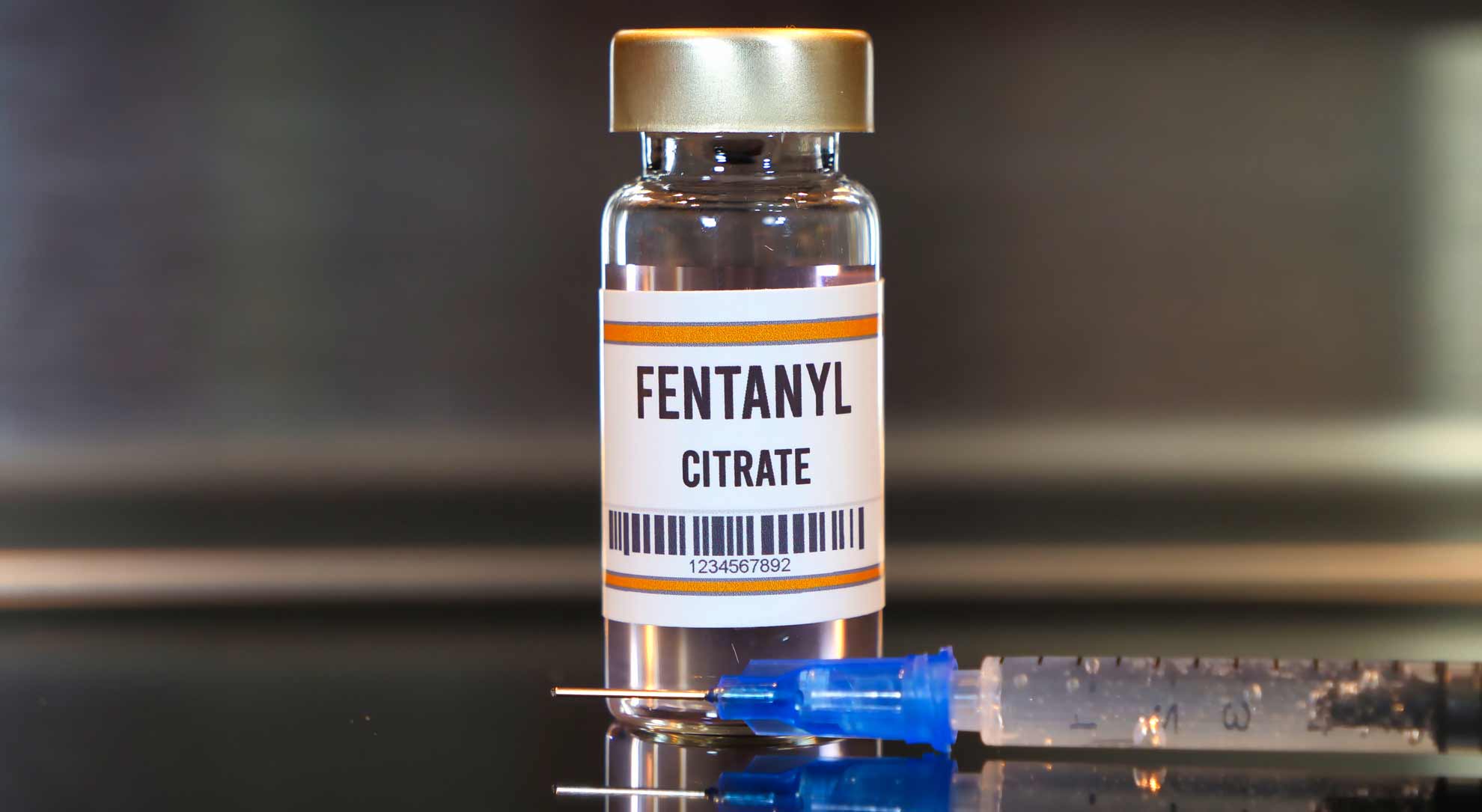
Turn on the news and you’ll undoubtedly hear about fentanyl use in many communities today. It’s quite likely that you may know someone who will succumb to fentanyl overdose symptoms at some point. This is because around 60% of opioid-related deaths in the U.S. today are caused by fentanyl. Clearly, more education is needed in regards to this drug.

Fentanyl as an adulterant has become quite popular. Initially drugs such as heroin, cocaine, and methamphetamine were laced with fentanyl. Many people didn’t know that fentanyl made these drugs more powerful and deadly. Today, people know about fentanyl and some will even admit that it’s their substance of choice.

What You Should Know About Fentanyl

When someone is addicted to fentanyl, they’re addicted to a drug that’s 50 – 100 times more potent than heroin. This is why the drug poses such a high risk for an accidental overdose. Since fentanyl is still being added to many other drugs, there’s the added danger that a person may not even know that they’re taking it.

What is Fentanyl?

Although fentanyl originated as a prescription medication (a.k.a. Actiq, Duragesic, Sublimaze) that was used to treat severe pain, it’s now being made and used illegally as well. In this regard it’s similar to morphine. Tolerance to synthetic opioids occurs when someone needs a higher dose or needs to use it more frequently to obtain the desired effects.

Where is Fentanyl Found?

Besides being found in heroin and cocaine, counterfeit fentanyl pills are now hitting the street. They’re being sold as ecstasy, oxycodone, and alprazolam. These pills are widely available and easy to purchase. This is dangerous because many people aren’t even aware of what they’re taking.

How do you know if you’ve been exposed to fentanyl?

The North Carolina Department of Health and Human Services (NCDHHS) warns that someone may come into contact with fentanyl without even knowing it. Therefore, it’s important to understand what some of the signs of exposure in non users include. Some of the things you should watch for include:

  • Slow breathing
  • Drowsiness
  • Unresponsiveness
  • Lack of consciousness
  • Pinpoint pupils
  • Blue lips or fingernail beds
  • Cold, clammy skin


How Should You Handle Fentanyl?

Recently there’s been a lot of talk regarding harm reduction and opioid safety. This is caused by the rise in usage and deaths from such drugs. For the safe handling of fentanyl the CDC suggests you take the following precautions:

  • Whenever you’re in an area where you suspect there’s fentanyl, make sure you don’t eat, drink, smoke, or use the bathroom.
  • Never touch your eyes, mouth, or nose if you’ve touched a surface that you believe may be contaminated with fentanyl.
  • Don’t do anything that may cause the fentanyl to become airborne. If you believe that the drug is already in the air, make sure you wear respiratory protection.
  • Always wash your hands with soap and water immediately after you think you’ve been exposed to fentanyl. This is something you should do even if you wore gloves while in the area. Make sure you don’t use a hand sanitizer or a bleach solution because doing so will enhance the drug’s absorption into your skin.


It’s important to understand that it doesn’t take much fentanyl to overdose. Police and first responders are in harm’s way each and every time they respond to a suspected fentanyl overdose. While there are policies in place to help protect them, these policies continually need updated as we learn more about this drug.

How and Why Do People Use Fentanyl?

Fentanyl Overdose Symptoms

Fentanyl is made in a lab. It’s then sold in the form of a powder. Many dealers mix it with other drugs since it only takes a very small amount of inexpensive fentanyl to get high. This is very dangerous because most people don’t even realize that they’re taking fentanyl. Since their body isn’t use to the effects of fentanyl they’re more likely to overdose.

Those who find out that they’re taking fentanyl may willingly replace their other drugs with it. They will typically use it in an eye dropper or as a nasal spray. Some people will make pills out of it so that it looks like other prescription opioids.

How does Fentanyl Affect the Brain?

Fentanyl is an opioid similar to heroin and morphine. Opioids bind to the body’s opioid receptors. These are located in the part of your brain that’s responsible for controlling pain and emotions. After you take opioids numerous times your brain adapts to the drug so you’re now dependent upon it. When this happens you may experience some of the following effects:

  • Extreme happiness
  • Constipation
  • Nausea
  • Sedation
  • Drowsiness
  • Unconsciousness
  • Confusion
  • Problems breating

Does Fentanyl Lead to Dependence?

Fentanyl will eventually lead to dependence. This is because of how potent the drug is. Even a person who’s taking the drug under a doctor’s supervision may become dependent upon it. They will experience withdrawal symptoms when the drug is stopped.

Sometimes dependence results in addiction. This is the most severe type of substance abuse disorder. When someone is addicted to drugs they’ll become compulsive in seeking it out. They’ll also continue to use the drug even though it may be causing them problems at work, home, or school.

When someone stops taking fentanyl they will have severe withdrawal symptoms within a few hours. These symptoms include:

  • Muscle and bone pain
  • Uncontrollable leg movements
  • Cold flashes (including goosebumps)
  • Issues with sleeping
  • Severe cravings
  • Diarrhea and vomiting


As you can imagine, the symptoms of fentanyl withdrawal are extremely uncomfortable. They’re what causes so many people to remain addicted to this drug. The FDA is currently working on medications and devices to help people withdraw more comfortably.

Can You Overdose on Fentanyl?

As with any other drug, it’s possible to overdose on fentanyl. This happens when a drug causes serious adverse effects and life-threatening symptoms within your body. For instance, when someone overdoses on fentanyl their breathing will slow – even to the point of stopping. When this happens less oxygen makes its way to their brain. This is a condition that’s known as hypoxia. It can result in a person becoming comatized. At that point permanent brain damage and even death may occur.

How Much Fentanyl Can Kill You?

Just a quick note regarding fentanyl overdose amounts before discussing what a fentanyl overdose looks like. Although you never want to experiment with drugs like fentanyl, you may still wonder how much of it can kill you. Based on the amount of fentanyl in your system, here’s what you may be able to expect, but be very aware these are not exact and depend on general opiate and opioid tolerance:


  • 25 mcg is not fatal
  • 50 mcg places you at a modest risk of an overdose
  • 100 mcg places you at a moderate risk of an overdose
  • 150 mcg places you at a significant risk of an overdose
  • 250 mcg places you at a high risk of an overdose
  • 400 mcg places you at a extreme risk of an overdose
  • 700 mcg means death is likely
  • 1,000 mcg means death is near certain
  • 2,000 mcg means death is imminent

What are Some Fentanyl Overdose Symptoms?

Typically, opioids are measured in milligrams. However, fentanyl is measured in micrograms. These are 1,000 times smaller than a milligram. Hence why people so easily overdose on fentanyl. It only takes a very small amount to do so. All it takes is 2 mg of fentanyl which is like a pinch of salt.

While fentanyl itself is very dangerous, even worse variants have started to become more popular in recent years. Carfentanil is an elephant tranquilizer that’s 10,000 times more potent than morphine. It only takes the amount of a small grain of sand to kill an adult. This is why professionals call fentanyl and its offshoots the deadliest opionids in existence today. It’s also why it’s important to know what the symptoms of a fentanyl overdose include.

The typical overdose occurs quite quickly. Usually it only takes a few seconds. During these fleeting moments you must determine whether someone is suffering from an opioid or fentanyl overdose. There are some atypical signs that you should look for, including:

  • A person’s lips may immediately turn blue or grey
  • Their body may stiffen and show activity that’s similar to a seizure
  • They may start foaming at their mouth
  • They will be confused before becoming unresponsive


Common Signs of Fentanyl Overdose

Some of the more typical signs that a person who’s suffering from a fentanyl overdose will show include:

  • Dizziness: They’ll struggle to remain steady on their feet. They’ll also find that it’s difficult for them to remain in an upright position. They can neither sit nor stand but their body will need to lie down.
  • Weakness: Besides theri body being unable to remain upright, it’ll also grow weak. Fatigue is quite common. Even the person’s extremities may become limp.
  • Sleepiness: Since their brain isn’t getting enough oxygen, the person will start to experience feelings of drowsiness.
  • Hypoventilation: You may assume that you’d need to watch for rapid, erratic breaths. However, you should be watching for slow breathing. This is because opioids negatively impact the area of your brain that’s responsible for breathing.


Fentanyl Overdose Symptoms

You can seek help prior to a person overdosing. It’s important to know what symptoms to look for here. When you see any of the following symptoms it’s a good idea to seek medical intervention for the person:

  • A slow heart rate
  • Clumsiness
  • Low blood pressure
  • Unconsciousness when left untreated may result in the person slipping into a coma


When someone becomes unconscious you should seek medical attention immediately. These other signs should also be a red flag for anyone who believes their in the presence of someone who’s used fentanyl

What to Do When Someone Overdoses?

Whenever someone you know overdoses on fentanyl, it’s important to treat them with Narcan immediately. Thanks to the ‘Good Samaritan laws’ on overdose you shouldn’t be afraid to do so.

These laws have been put in place so you have immunity from arrest and prosecution when trying to help a victim of an overdose.

What should you know about Narcan?

Narcan and fentanyl overdose go hand-in-hand. This is because naloxone acts as a temporary antidote for opioid overdoses. When it’s administered properly naloxone can restore a person’s normal breathing and consciousness. Further treatment will still be necessary due to the depression of breathing. The person who overdosed should be taken to the hospital immediately.

Unfortunately, Narcan revival isn’t without some risks. You need to be aware of the risks of Narcan revival which may include:

  • Increased blood pressure: This is the most common side effect.
  • Nasal dryness, swelling, inflammation or congestion
  • Musculoskeletal pain
  • Headache


Some people who are revived with Narcan may become assaultive upon regaining consciousness. For your safety, this is something you should be prepared to manage.

Treating Fentanyl Addiction

Treatment for fentanyl overdose is similar to treatment for other addictions. You should receive a combination of both medication and behavioral therapy. This combination is the most effective way to treat your addiction.

Medication Assisted Treatment Options

Fentanyl Overdose Symptoms

Two of the more popular medications that are used to help you withdraw from fentanyl include buprenorphine and methadone. They work by binding the opioid receptors in your brain that were influenced by fentanyl. In doing so they help to reduce cravings and withdrawal symptoms.

Naltrexone is another medication that’s frequently used. It blocks your body’s opioid receptors that that fentanyl doesn’t have any affect.

Counseling for Fentanyl Dependence

You should also seek counseling along with any medication your doctor may prescribe for your fentanyl addiction. Behavioral therapy will help you modify your attitude and behavior related to drug use. At the same time, they’ll also help you increase your healthy living skills (e.g., ensuring you take your medication properly).

There are a few different types of therapy that you may find beneficial. These include:

  • Cognitive behavioral therapy helps modify your behavior regarding fentanyl use. It will also help you effectively manage your behaviors, triggers, and stress.
  • Contingency management is a voucher-based system in which you earn “points” for negative drug tests. These points can be used for items that encourage healthy living.
  • Motivational interviewing is a patient-centered type of counseling style in which your mixed feelings regarding change are addressed.

Getting Help for a Fentanyl Addiction

Fortunately, you can overcome an addiction to fentanyl. When you start exploring fentanyl treatment options you’ll find that our evidence-based medication and therapy are the best treatment around. At Best Rehabs In Arizona we want you to regain control of your life. So, if you need help obtaining your sobriety, get in contact with us today.

Can You Snort Hydrocodone?

Can You Snort Hydrocodone

Yes, But Here’s Why You Shouldn’t.

Hydrocodone is an opioid pain reliever that is sold under the brand names Vicodin and Norco. It results in feelings of euphoria as well as sedation. Hydrocodone is meant to be taken orally but some people abuse it by crushing the pills and snorting the powder.

This is known as insufflation. Any type of hydrocodone abuse is dangerous and there are general dangers of insufflation. 

However, there are also specific risks of snorting hydrocodone. Not only can it damage the nose, throat, and lungs, but it can spread disease. Snorting hydrocodone also increases the risk of addiction and overdose.

If you or someone you love is thinking about snorting hydrocodone, you should abandon the idea. Let’s take a closer look at why misusing hydrocodone is never a good idea.

Why People Snort Hydrocodone

Now that you have the answer to the question “can you snort hydrocodone?”, you may be wondering why people do it. Why are drugs snorted?  Individuals who snort hydrocodone don’t do it to enhance the pain-relieving effects. They do it to get a more intense high. 

When a person snorts hydrocodone, it enters their bloodstream quickly and produces a rapid but short-lived high. Since the high doesn’t last very long, some people crave another dose and they abuse the drug repeatedly.

Some people also choose to snort drugs because they’re afraid of injecting them intravenously or they think snorting is less dangerous than smoking. However, the reality is that snorting is by no means safe.

The Dangers of Snorting Hydrocodone

The Dangers of Snorting Hydrocodone

While snorting opioids results in intense effects, tablets aren’t made to be used in this way. They’re made to slowly make their way through the gastrointestinal system. They aren’t meant to come into contact with the nasal passages or enter the bloodstream all at one time.

This is significant since hydrocodone tablets contain fillers that can irritate the nose, throat, and lungs. 

Also, if you purchase your opioids on the street, you really have no idea what’s really in the tablets. Some of the hydrocodone sold on the street is counterfeit and it contains fentanyl. This is another powerful opioid that increases the risk of overdose.

People who abuse hydrocodone eventually usually obtain it illegally so they are likely to get a product that’s laced with something highly dangerous. 

This is why you should never snort hydrocodone even though it is possible to do so. If you’ve been misusing hydrocodone or other opioids in any way, you need to contact an addiction treatment professional or talk to your physician.

The sooner you get help, the better it will be for your chances of lasting recovery free from substances.  

Let’s discuss some of the dangers in more detail.

Nose Damage

Hydrocodone can damage the nose. The nasal tissues are very delicate and snorting any type of powder causes irritation and inflammation which can result in nosebleeds. As time goes on, the nasal tissue can become eroded and a hole may develop in the septum or roof of the mouth. This usually makes it difficult for the individual to breathe, eat or swallow normally. 

When they breathe, the nose may make a whistling sound. Hydrocodone insufflation can also dry out the mucous membranes that should lubricate and protect the nasal packages.

In addition, it can damage the nasal hairs that are designed to trap foreign particles. People who snort hydrocodone may lose their sense of smell either partially or totally.

Throat and Lung Damage

Throat and Lung Damage

Snorting hydrocodone is also harmful to the throat and lungs. Some of the powder will go to the back of the nose and drip into the throat or windpipe. If it gets onto the vocal cords, it will make the user’s voice hoarse. 

Hydrocodone can also get into the lungs since the mucus membranes and nose hairs are no longer able to protect the respiratory system. Snorting this opioid can make asthma worse and also lead to respiratory failure.

Spread of Infectious Diseases

Snorting hydrocodone can also spread disease if people share their paraphernalia. Mucus can contain blood and diseases like hepatitis C can be spread from one person to another on straws or rolled-up paper.

 Overdose

When a person snorts hydrocodone, they put themselves at high risk of overdose since the full dosage enters the system at the same time. If a person takes several doses, they may take a toxic amount of hydrocodone. Also, if they snort hydrocodone while they have other central nervous system depressants in their system, the effects will be even more intense.

They may lose consciousness, go into a coma, or even die. People who take increasingly high doses in response to increasing tolerance are most likely to overdose. 

 In 2019, 39 people, on average, died every day from overdoses involving prescription opioids. This meant that more than 14,000 people lost their lives. A person who is overdosing on hydrocodone may:

  • Lose consciousness
  • Vomit
  • Have blue or cold skin
  • Have slowed breathing
  • Have a slow heartbeat or no heartbeat

Hydrocodone overdose symptoms can be reversed with the use of naloxone which is an opioid antagonist. It comes in the form of an injection called Evzio and a nasal spray called Narcan. These medications can keep an individual who is overdosing alive until emergency personnel arrive.

Addiction

Using hydrocodone in any way that it’s not prescribed is considered misuse or abuse and it can result in dependence in just a week. In fact, even five days of prescribed use increases the risk that a person will develop a chronic addiction.

When an individual is dependent on hydrocodone or any other opioid, they will need to take it regularly just to feel normal. If they don’t take the drug, they will go into withdrawal.

Because hydrocodone creates feelings of euphoria, people are encouraged to take it again and again to get the same effects. Since tolerance increases with continued use, they need more and more to achieve the same high.

Often, people don’t realize how dependent they are until they stop taking the drug or try to reduce their dosage.

It can be difficult for people to tell when their loved ones are addicted to hydrocodone.  Most people who become addicted start by misusing their prescribed medication. They may take the pills more often than recommended or continue taking them for longer than instructed by their doctor.

They may also stop swallowing the pills and start crushing them and snorting or injecting them.

Addiction ranges from mild to severe. People who are addicted to hydrocodone may take more than they intend to or try to stop taking it but fail to do so repeatedly. They may also prioritize their drug use over personal, familial, or professional responsibilities.

Signs a Person Is Snorting Hydrocodone

Given all the dangers associated with snorting hydrocodone, you may be wondering if there are warning signs for loved ones. While people may hide their drug abuse in the early stages, they may become less cautious as time goes on.

If your loved one is abusing hydrocodone, they may doctor shop or get the drug online or off the streets. When hydrocodone is bought illegally, it may be packaged in unlabelled containers.

Signs of hydrocodone insufflation include:

  • Frequent nosebleeds
  • Powdery residue on their belongings
  • A persistent runny nose
  • Perpetual sedation
  • Hoarseness

You may also notice the paraphernalia used to snort hydrocodone such as mirrors or other flat surfaces, rolled-up dollar bills or straws, and pill crushers or credit cards. If it appears that your loved one is snorting hydrocodone, you need to talk to them about getting professional help.

Treatment Options for Hydrocodone Abuse

Treatment Options for Hydrocodone Abuse

Each person will have a unique experience when they undergo treatment. However, they will all start by undergoing medically supervised detox. Withdrawing from hydrocodone can be very unpleasant.

However, doctors can help to make the patient comfortable and keep them safe during the process. Professionals can administer medication as well as counseling to help with detoxification.

After detox, many individuals enter inpatient treatment. However, partial hospitalization or intensive outpatient treatment may be better for some people.

In rehab, individuals can benefit from a variety of therapies as well as medication-assisted treatment. With counseling and ongoing peer and professional support, long-term sobriety is possible.

Reach Out to Best Rehabs In Arizona Today!

If you or a loved one is snorting hydrocodone or abusing it in another way, you need to seek help. There are several dangers associated with hydrocodone abuse and without professional intervention, your life could be in danger.

At Best Rehabs In Arizona, we know what it is like to struggle with drug abuse and we also know what you have to do to fight addiction. We’ll help you to get to the bottom of your substance use problems and prepare you for long-term sobriety.

We offer a wide range of addiction treatment programs and we’ll tailor your treatment specifically to your needs.

Call us today to ask questions or learn more about the services we offer at our luxury rehab facilities in Arizona and Colorado.

What is Medication Assisted Treatment?

What is Medication Assisted Treatment

Traditional addiction treatment options typically do not involve the use of medication.

Instead, the traditional recovery route usually includes a monitored drug or alcohol detox and rehab.

These are the traditional methods for a reason. They’ve been proven effective over many years. 

But sometimes, we need something more. A moderate to severe addiction, overwhelming withdrawal symptoms, or a history of relapse could require an even more dedicated approach.

Medication-assisted treatment or MAT may be recommended in these cases. 

What is the Purpose of Medication-Assisted Treatment?

What is the Purpose of Medication-Assisted Treatment

Recovering from a mild addiction and withdrawal symptoms may mean suffering through a week or so of flu-like symptoms, insomnia, and mood changes.

But for many individuals in recovery, withdrawing isn’t so simple. 

Many of the most common mental and physical withdrawal symptoms are severe enough to lead to relapse, cause short or long-term health concerns, or even become life-threatening.

Overwhelming withdrawal symptoms are one of the most common relapse triggers. 

The purpose of medication-assisted treatment is to make it easier to maintain your sobriety when your addiction becomes too severe to manage on your own. 

Types of Medication-Assisted Treatment

Medication-assisted treatment can be helpful during more than one stage of recovery.

A MAT program might mean a medically assisted detox or a medically assisted treatment program.

This can be a full-time, residential program or a part-time, outpatient program. 

Depending on the type and severity of your addiction, we may recommend detox and/or maintenance using medication-assisted treatment.

During detox, these medications may ease withdrawal symptoms, including cravings, making it easier to stay sober and feel more comfortable. 

After detox, MAT can be helpful in maintaining sobriety throughout your treatment program.

Medication-assisted treatment is considered the most effective intervention for treating opioid use disorders and others. 

How Does MAT Work?

MAT is often more effective than either medications alone or behavioral interventions alone because it provides the ideal balance of both.

Medication-assisted treatment integrates FDA-approved medications, social support methods, and behavioral therapies. 

This three-pronged approach provides a holistic, effective, and sustainable treatment method.

Our addictions do not form overnight. We cannot expect them to be solved that way, either.

An effective recovery requires addressing both the behavioral and biological components of addiction. MAT is an excellent way to achieve this goal. 

How MAT Promotes Sustained Sobriety and Reduces Relapse Rates

To demonstrate how useful medication-assisted treatment can be, let’s focus for a moment on one of its most common uses: opioid addiction treatments.

Prescription and illicit opioids alike come with a high risk of abuse and addiction. 

That is one reason why it is one of the most common addictions in the country. Many of these addictions start innocently enough.

One study revealed that up to 80% of heroin users had used prescription opioids first. 

Two of the most common were the prescription painkillers Vicodin and OxyContin.

Unfortunately, even when they come with a prescription, these medications can be dangerous, and dependence can develop quickly. 

Once dependence develops, many will graduate to something stronger to achieve the effects they felt when they started using opioids.

This is where things become more problematic.

Heroin, fentanyl, and other high-level opioids tend to come with overwhelming withdrawal symptoms that make it harder to quit, even when your urge to quit is strong. 

Medications like methadone and buprenorphine can help.

These carefully administered medications help satisfy drug cravings and reduce or eliminate other common withdrawal symptoms to promote sustained sobriety and reduce relapse rates. 

Drugs Used for Medication Assisted Treatment

Drugs Used for Medication Assisted Treatment

Methadone and buprenorphine are two of the most common opioid use disorder medications.

It may seem strange to treat opioid addiction with another opioid, but these medications have proven effective in the appropriate dosages and monitored medical settings. 

The amounts of these medications that we prescribe are too low to produce euphoric highs but substantial enough to promote several positive effects during recovery.

They are not meant to be used as substitutes but rather short-term aids during treatment. 

When used in appropriate dosages and under the supervision of a professional, they will not promote new addictions.

Instead, they will ease cravings and withdrawals, reducing your risk of relapse and clearing the path to sustained sobriety. 

Other Uses for Medication-Assisted Treatment

While it tends to be the most common in opioid disorder treatments, MAT is useful in treating other addictions, too. Medications are also common in alcohol treatments.

There are three approved substances for this purpose, including naltrexone, disulfiram, and acamprosate. 

The right approach is often the key to addiction recovery, which is why we offer a wide variety of customized treatment programs and methods to help everyone we meet find their way.

Many different addictions may warrant medication-assisted treatment. 

We can help you determine which treatment path will best fit your unique addiction and needs. 

Therapy and Medication-Assisted Treatment

We mentioned earlier that the most effective way to treat many addictions is to combine medication and behavioral therapies.

We need them both because they help us achieve different goals. 

While medications like the ones we provide will help ease cravings and other withdrawal symptoms, behavioral therapies help us gain a better understanding of how and why we got here.

This typically involves identifying root causes, improving the symptoms of common co-existing mental health disorders, and learning how to cope with feelings of stress or anger in healthier ways. 

Building healthier habits and coping mechanisms can help us reroute our natural responses to life’s inevitable challenges.

With our proven treatment methods, we help our clients break free from the things that are holding them back. 

It’s time to leave your addiction behind you and create a happier, healthier life that you can be proud of and excited about. 

Best Rehabs In Arizona Programs, A Path to Recovery

Our dedicated addiction teams are prepared to help with a wide range of addictions, withdrawal symptoms, mental health symptoms, and other needs.

To ensure that we can help our clients at any stage of the recovery process, we offer: 

  • Detox programs
  • Residential programs
  • Partial hospitalization programs 
  • Intensive outpatient programs 
  • Long-term rehab options 

A Breakdown of Our Addiction Treatment Programs

A Breakdown of Our Addiction Treatment Programs

Residential and long-term rehab programs are the only two that give you 24-hour access to the care, support, and guidance of our dedicated teams.

These programs are ideal for those with moderate to severe addictions and withdrawal symptoms or a history of relapse, among others. 

And they typically start with a personalized detox. But not everyone will need or be capable of committing to a full-time program.

That’s where our other programs come in. Partial hospitalization averages around 20 hours per week. 

Partial hospitalization programs are one of the most common treatment options for those affected by both mental illness and addiction.

The final option is an intensive outpatient program. An intensive outpatient program ranges from 9 to 19 hours per week. 

During each type of treatment program, many of the treatment methods remain the same.

Behavioral therapies are common across the board because they are some of the most effective addiction treatment methods. 

Different programs are better for different people and addictions. We can help you choose the path that will help you the most. 

MAT at Best Rehabs In Arizona

In Colorado and Arizona, we operate conveniently located and luxury-style recovery facilities.

In a safe and comfortable facility like ours, it becomes easier to maintain your focus, boost your confidence, and build a better life.

Call (866) 263-1820 for more information now!

Painkiller Addiction Among Suburban Housewives

Illustration of woman trapped in pill bottle, to show painkiller addiction

Painkiller Addiction Among Suburban Housewives May Be On the Rise

According to the National Institute on Drug Abuse, 2 million Americans began abusing prescription painkillers in 2017, which means painkiller addiction among suburban housewives may be on the rise.

Prescription painkillers like Vicodin and Percocet are safe for treating short-term pain, but people may abuse them because they are highly addictive and can make a person feel very relaxed.

Women may be especially vulnerable to the effects of prescription pills used to treat pain because research shows that women are more sensitive to pain than men are, and they are at a greater risk of prescription painkiller abuse.

This means that a woman who is prescribed opiates following surgery or to treat a chronic pain condition can find herself becoming addicted.

People may think that the abuse of prescription pills only occurs in poor, urban areas, but the reality is that painkiller addiction among suburban housewives is a real concern.

Painkiller abuse is widespread and can affect anyone.

Close-up of a woman's mouth opening to accept a spoonful of pills, to illustrate painkiller addiction

How Painkiller Addictions Develops

Suburban housewives may begin taking prescription pills for legitimate reasons, such as to treat pain following a surgery or injury, but painkiller addictions develop because of the properties of prescription painkillers.

Per the National Institute on Drug Abuse, prescription painkillers have a relaxing effect and can make a person feel high, which can lead some people to abuse them.

Painkiller addiction may develop when a person takes larger doses than a doctor prescribes, or when they use prescription pills to get high.

It is also important to understand that prescription painkillers increase the levels of a brain chemical called dopamine, which has a rewarding effect.

Over time, people may also develop a tolerance for prescription pills, meaning they will need larger doses of pills to experience the same effects.

This can cause women to seek out more prescription pills, ultimately leading to painkiller addiction.

Immediate Placement in Rehab – Get Help Now

877-651-3366


The Dangers of Painkiller Addiction and Abuse

Some people may think that painkiller addiction is not a serious concern since painkillers are prescription pills with legitimate medical uses, but this could not be further from the truth. The National Institute on Drug Abuse warns of the negative effects of painkiller abuse, which can include drowsiness, constipation, confusion, and nausea.
In large doses, prescription painkillers can cause slowed breathing and even cut off the supply of oxygen to the brain. This can cause serious complications, such as brain damage, coma, and even death.
Another consequence of abusing prescription pills is the development of a painkiller addiction, which often requires drug rehab.

Learn More About Rehab at Best Rehabs In Arizona Call Today

866-263-1847


Signs of Painkiller Addiction

When a woman develops a painkiller addiction, an addiction treatment professional will diagnose a substance use disorder, which is the clinical term for an addiction. Symptoms of a substance use disorder, according to the National Institute on Drug Abuse, include strong drug cravings, being unable to reduce drug use, and using larger amounts of drugs than intended.
Other symptoms can include using drugs even when it causes health problems, continuing to use prescription pills despite trouble fulfilling duties at work, home, or school, and giving up other activities in favor of drug use.
Suburban housewives who find that they are forgoing parenting and household duties or giving up leisure time activities because of drug use, or who are finding that they cannot stop using prescription pills, may have developed a painkiller addiction, even if a doctor is prescribing the medication.

Painkiller Addiction and Withdrawal

Withdrawal is one of the reasons that drug rehab is often necessary for women who struggle with painkiller addiction. Painkiller withdrawal occurs because over time, the body becomes physically dependent upon prescription pills. Once a person stops using these drugs, the body has to adapt and therefore experiences withdrawal symptoms.
Prescription painkiller withdrawal can be extremely unpleasant, making it difficult for a person to stop using these drugs. For example, a woman who is a suffering from painkiller addiction may experience sleep disturbances, goose bumps, cold sweats, involuntary leg movements, diarrhea, vomiting, and pain in the muscles and bones when withdrawing from prescription painkillers.
A drug rehab can offer a detox program, where medical staff provide care, support, and supervision to women as their bodies rid themselves of drugs. This can keep them as safe and as comfortable as possible as they go through withdrawal from prescription pills.

24 Hour Rehab Hotline – Get Help Now

877-651-3366


Treatment for Prescription Painkiller Addiction

Since prescription painkillers are so addictive and can lead to uncomfortable withdrawal symptoms, it is often difficult for women to stop using these pills without going to drug rehab.
If you have been struggling with addiction to prescription pills, a drug rehab program will often begin your treatment plan with a stay in detox to help you through the withdrawal process. According to experts, a doctor working in a drug rehab program may prescribe medications like methadone or buprenorphine to help with drug cravings and withdrawal symptoms as you detox from prescription painkillers.
After completing detox, it is important to continue your drug rehab journey with an ongoing program that includes behavioral treatments like counseling. A type of counseling like cognitive behavioral therapy can help you to cope with triggers and stress that might lead to drug use and teach you healthier ways of thinking about drugs.
A combination of medication and counseling is usually the best approach for treating addiction, so you may continue to take a medication like buprenorphine or methadone while engaged in ongoing drug rehab.

Woman holds up a opioid pill she's taking with a worried look, to demonstrate painkiller addiction

Drug Rehab for Painkiller Addiction in Colorado and Arizona

If you are struggling with painkiller addiction, and you are ready to seek drug rehab, Best Rehabs In Arizona has locations in Colorado and Arizona. We are also happy to accept patients from surrounding areas.
Best Rehabs In Arizona offers various levels of treatment, including residential, partial hospitalization, and outpatient. We also offer a detox program. If you are living with a painkiller addiction, your treatment journey with us will likely begin with detox, so you can be safe and comfortable while your body goes through withdrawal from prescription pills.
After you complete detox, our team will help you to determine the best type of treatment for your specific situation. We are a premier drug rehab center, and our leadership team has over 25 years of experience in the addiction field, so you can be confident that you are getting the best care possible for your painkiller addiction.
We are also considered a dual diagnosis treatment center, meaning we can treat both addiction and mental illness.

Free Insurance Verification for Rehab – Get Help Now

877-651-3366


Paying for Drug Rehab

Once you have decided it is time to go to drug rehab for prescription pills, you have to determine how you will pay for treatment.

At Best Rehabs In Arizona, we offer an online insurance verification program so you can find out how much it will cost you to attend treatment.

Simply fill out a form on our website, and a member of our team will contact you to tell you what your insurance covers and how much you can expect to pay out-of-pocket.

We can also create a cash payment plan if you do not plan to pay for treatment with insurance.

Contact us today to begin your journey toward sobriety.

Opioid Addiction and Feeling Better

Opioid Addiction Best Rehabs In Arizona - Silhouette of a woman taking a painkiller. Opioid addiction is an easy trap to slip into.

An article by the NIH states that one reason people start using drugs is to feel good.

One of the scariest things about opioids is that your doctor might prescribe them for a legitimate reason.

Maybe you have chronic pain.

Maybe you had an accident.

Whatever it is, there are legitimate reasons to have an opioid prescription.

In this case, you are in enough pain to where opioids can help you feel ok.


Opioid Addiction Best Rehabs In Arizona - Silhouette of a woman taking a painkiller. Opioid addiction is an easy trap to slip into.The issue is when the prescription does not fit the injury or cause.

Sometimes people are given prescriptions when they do not need them.

They receive prescriptions that are too high a dose or not the right amount.

For example, maybe you are given a 30-day prescription when you only need a 3-day prescription.

The NIH lists ways that people can abuse opioids:

  • Taking someone else’s prescription medicine
  • Taking medicine for the effect, it causes (to get high)
  • Taking medicine in a way or dose other than prescribed

Immediate Placement in Rehab – Get Help Now

877-651-3366


How Opioid Addiction Sneaks Up on You

I remember when I had my wisdom teeth removed in high school, and I received Vicodin for 30 days. I do not think I took any of the pills and ended up selling them to people at school. Sadly, a lot of people might have these stories.

There are other ways that addiction can start. People in your household can contribute to starting an addiction. A friend I knew got addicted because his sister started giving him pills.

Learn More About Opioid Rehab at Best Rehabs In Arizona Call Today

866-263-1847

He had an opioid addiction, and he was in sixth grade. In his 30s and after a track record of getting in trouble, he finally found a way to function, but not without suboxone.

People with chronic pain or that undergo painful surgeries are especially susceptible to opioids. Opioids can be just as helpful as harmful in some cases. My uncle had to amputate his leg due to blood clotting. He was a lifelong smoker, and after the surgery, they prescribed him opioids. Once those ran out, he started to use alcohol after a lifetime of being sober to deal with his pain.

24 Hour Opioid Rehab Hotline – Get Help Now

877-651-3366


Opioid Addiction Best Rehabs In Arizona - During group therapy a man discusses his opioid addiction and his triggers as the rest of the group listens and offers support.

The Dangers of Opioid Addiction

There is a real danger to people in these situations if there is no proper support. Or proper meds. Too much is dangerous, and so is not enough. People will find a way to self-medicate if they do not get what they need for pain. Some people become addicted to opioids with a prescription, and when they lose access, they turn to heroin. With the stronger crackdown on opioids, there was a rise in street heroin.

The point in sharing these stories is that people do not grow up wanting to be an opioid addict. It is not a dream, nor is it planned. It sneaks up on you. It is confusing that a doctor would prescribe opioids that could ultimately harm you and ruin your life. It is baffling that the same thing you take for unbearable pain can cause you unbearable pain.

It is confusing that someone you trust might suggest that you do something you know to be harmful. Sometimes you cannot prevent the things that happen to you. You can find ways to avoid them. If you find yourself in a situation where you are going down a bad road, there are plenty of ways to get help. Speaking with a professional would be a good start and expressing concern to loved ones.

Free Insurance Verification for Opioid Rehab – Get Help Now

877-651-3366


Ask Your Doctor About Opioids and Addiction

It is important to take the time to ask your physician about the effects of the medication they prescribe to you. You need to ask yourself if I need these powerful painkillers or can I use something less powerful. Just because a doctor wants to give you an opioid painkiller does not mean you need it.

Ask about the alternatives. Dig deeper into the side effects of the drug prescribed. Do not just take something without researching the drug prescribed to you.

Feel empowered to ask if the benefits outweigh the risks.

Opioid Rehab At Best Rehabs In Arizona

At Best Rehabs In Arizona, we understand opioid addiction. We also know that no two addictions are the same.

We will talk to you about your addiction. Determine your goals and set a plan for you.

Our addiction treatment specialists can help you at every step of your recovery.

To get started, call and let us complete a free insurance verification for you. We will know exactly what your insurance will cover and what treatment will work best for you.

We will develop a plan with you from the very first day of rehab through every step and into aftercare when you are ready.

Do not wait another day call now to get started.

Codeine Addiction and Abuse

What is Codeine?

Codeine is a type of opioid that originally came from the opium poppy plant.

Some opioids are still made from this plant, and others are created in labs.

It can come in the form of capsules, tablets, and even liquids such as cough syrups.

Codeine helps to relieve pain and is also used to treat coughs.

It can also make you feel relaxed and give you a “high,” which is what can make opioids addictive.

At Best Rehabs In Arizona, we know how difficult it can be to deal with codeine addiction.

Let us help you understand more about this drug, as well as ways we can help you if you are addicted to codeine.

Codeine Addiction and Abuse and How to Treat This - Best Rehabs In Arizona - An image of bottles of codeine that often lead to codeine addiction and abuse.

What is Codeine Used for?

Like all opioids, codeine is used to help treat moderate to severe pain.

It can also be used to help treat coughs.

It works by blocking pain receptors in your brain and body, or by decreasing the activity in your brain that makes you cough.

When used appropriately for short periods of time, codeine is a safe and effective treatment for these issues.

It is sometimes combined with acetaminophen for more severe pain since acetaminophen helps to make codeine even more effective for pain management.

When it is abused, however, it can be dangerous to your health.

Immediate Placement in Rehab for Codeine Addiction and Abuse – Get Help Now

877-651-3366


Understanding Codeine Abuse

Many people think that codeine abuse only happens when someone takes it without a prescription. But this is not the case. Codeine abuse is broader than that.

Anytime you take it in higher doses or more often than you are supposed to, it counts as abuse even if you have a prescription. Abusing this drug is dangerous because of the way that it affects your brain.

It makes your brain release a flood of dopamine, a chemical that helps you feel happy and relaxed.

This makes it difficult for your brain to release dopamine naturally, which makes your brain crave codeine to make you feel better. This is what leads to codeine addiction.

Many of the people who end up addicted to this drug started taking it under a doctor’s care.

If you are not sure whether or not you’re abusing codeine, here are some questions that you can ask yourself:

  • Are you taking larger amounts, taking them more often, or taking them for longer than you were supposed to?
  • Have you tried to cut down or stop taking it but find that you cannot?
  • Do you spend a lot of time getting it, or dealing with negative side effects?
  • Do you crave it when you are not taking it?
  • Are you having issues at work, school, or home?
  • Have you stopped doing things you used to enjoy so that you can take drugs instead?
  • Do you need to take more in order to feel its effects?
  • Do you experience withdrawal symptoms if you stop taking it?

If you can answer “yes” to two or more of these questions, there is a good chance that you are abusing codeine and may have an addiction.

Now is the time to consider speaking to Best Rehabs In Arizona about our drug rehab options.

Learn More About Codeine Abuse Rehab at Best Rehabs In Arizona Today

866-263-1847


How Codeine can Affect Your Body

While codeine has the ability to create positive feelings through treating pain, it is the negative effects that need to be worried about.

Codeine can cause confusion, constipation, depression, drowsiness, nausea, vomiting, and slowed breathing.

The longer you abuse this drug, the worse these symptoms can get.

The most dangerous effect is slowed breathing. All opioids carry the risk of causing something called hypoxia.

This is a condition where not enough oxygen gets to your brain because of slowed or stopped breathing.

Hypoxia can cause both short and long term health problems, including brain damage, coma, and even death.

Codeine Addiction and Abuse and How to Treat This - Best Rehabs In Arizona - A young man sits with an addiction therapist to discuss his codeine addiction and abuse.

Mental Illness and Codeine Abuse

Like many addictions, codeine addiction can have a negative impact on your mental health.

People with opioid addictions are twice as likely to have at least one mental health issue. The most common issues are anxiety, depression, aggression, mood swings, and even hallucinations.

If you had a mental health issue before you began abusing opioids, taking this drug will only make these issues worse.

Some people try to treat their mental health symptoms by taking codeine in order to feel happy and relaxed. While it may have this effect in the short term, in the long term it only makes it harder for your brain to regulate your emotions.

No matter when you began having mental health issues, it is important to have them addressed while you are in a drug rehab program. This will help reduce the chances that you will suffer a relapse. This allows us to give you medications that make withdrawal symptoms easier to deal with and your detox process smoother.

Getting Treatment for Codeine Addiction

If you’re suffering from a codeine addiction, there are treatment options available that can help you overcome the addiction.

The most common type of treatment is called medication-assisted treatment (MAT). This type of treatment uses medication in combination with behavioral therapies.

There are currently three approved medications for people with opioid addiction, which work to reduce cravings and relieve withdrawal symptoms.

These medications include:

  • Methadone
  • Buprenorphine
  • Naltrexone
  • Lofexidine

These medications work by blocking your body’s ability to get high by taking opioids and reducing or eliminating withdrawal symptoms.

This helps to overcome your brain’s dependency on codeine and return your brain chemicals to normal levels.

24-Hour Codeine Addiction and Abuse Hotline – Get Help Now

877-651-3366


Behavioral Treatment Options

There are many behavioral treatment options available to you to help you overcome your addiction. Three of the most common include:

  • Cognitive Behavioral Therapy (CBT): which helps learn about the thoughts and behaviors that led to their drug use. Then you are given tools to help you avoid things that trigger your drug use, and to better cope with stress.
  • Motivational Enhancement Therapy (MET): This type of therapy rewards good behavior, like attending and participating in your therapy sessions, with small gifts. This helps you to teach your brain to associate being drug-free with positive emotions.
  • Motivational Interviewing (MI,): This type of therapy helps a patient recognize how their drug use affects their goals in life, and give them tools to help overcome their drug habits.

At Best Rehabs In Arizona, we find that most patients benefit from both individual and group therapy sessions.

This allows you to discuss things in private that you may not want to share with others, and to build a supportive community with people who understand what you are going through.

Free Insurance Verification for Codeine Abuse Rehab – Get Help Now

877-651-3366


Seek Help from a Trustworthy Drug Rehab

Codeine abuse can happen to anyone at any time.

Even if you had a prescription for it, codeine abuse can have serious effects on your health.

That is what makes it so important to get the help that you need.

At Best Rehabs In Arizona, we know exactly what it takes to get your life back from the difficulty of addiction.

Our premier addiction treatment centers are located in upscale areas throughout the Scottsdale, Arizona area.

Our luxury locations provide you with a comfortable and home-like atmosphere so that our clients feel safe and secure throughout their treatment program.

We help ensure your success by using only scientifically researched, cutting edge, and effective drug and alcohol addiction treatment programs. We have over 25 years of experience in helping people with addictions and co-occurring disorders to overcome their addictions.

Many of our clients wonder whether or not they will be able to take advantage of their health insurance benefits to help cover their treatment. That is why we accept most major insurances through our free insurance verification. Simply give us a call and one of our addiction specialists can check to see how much of your treatment program will be covered by your insurance before you begin treatment. You can trust us to communicate with your insurance provider to ensure that you receive every benefit that you are entitled to.

You do not have to keep living with your codeine addiction. Let us use our years of experience to help you get on the path to a meaningful and lasting recovery. Contact us today and see the difference we can make by helping you to become healthy once again.

Oxycontin Addiction: What Oxy Pills Look Like?

Oxycontin has been in use since the 1990s in the United States, as a prescribed method of treating pain. But the use of this opioid has had serious implications on society and users over the past 30 years. Oxycontin addiction (and counterfeit oxycontin laced with fentanyl) represents an ongoing aspect of the opioid crisis.  

From 1999 to 2017, over 200,000 people died in the United States because of overdoses related to prescription opioids. And the problem is getting worse, not better. In 2017, overdose deaths involving prescription opioids were 5 times higher than in 1999.

Oxycontin addiction is part of an epidemic that we aren’t addressing fast enough. And the most important thing an individual can do for themselves or a loved one who is an addict is to seek professional help.

Overdoses from oxycontin are common and there are many different types of pills on the market. In addition, there are even synthetic oxycontin pills made of different chemicals. But what do they look like? How do you know what to look for if someone you love is using?

Keep reading to find out about oxycontin addiction and all about the pills and what they look like.

What Is Oxycontin?

What is oxycontin and how did it come to be?

Oxycontin was developed and approved in 1995 by Purdue Pharma, as a reformulation and improved version of Oxycodone. Basically, they geared it towards altering the drug so that it would lessen dependence and abuse of the drug. The slower absorption rate was the main difference between Oxycontin and Oxycodone.

Marketing to physicians proved to be successful as Oxycontin became one of the United States’ most prescribed opioids. Then, in 2003, the FDA wrote a letter to the manufacturer, warning them of their misleading advertising and lack of warning and risk statements with regard to the addictive nature of the drug.

In 2007, they pleaded guilty for misbranding and agreed to pay over $600 million in fines. The FDA added warnings such as:

  • Oxycontin could not be broken, chewed, or crushed
  • 80mg and 160mg pills should only be used in opioid-tolerant patients
  • Oxycontin exposes patients to the risk of overdose, addiction, and even death

In addition to having to pay hundreds of millions in fines, Purdue is facing multiple lawsuits from different states that claim Purdue’s misleading claims are responsible for the opioid crisis in those particular states. They have already settled with the state of Kentucky.

Who Is Prescribed Oxycontin?

Oxycontin is prescribed to relieve various pain from things like cancer, arthritis, injuries, and other conditions. Oxycodone, the morphine-like drug that manufacturers use to make Oxycontin, is also in other drugs, marketed to treat pain.

The 18-25 range is one of the most common for Oxycontin users but there are people of all ages who use it, including those under age 18. Oxycontin can not only become addictive, but it can also be deadly.

What Do the Pills Look Like?

Typically, Oxycontin comes in small, round pills. They vary, however, in markings and colors, depending on the dosage. Here are some of the many colors and doses:

  • The Oxycontin 10mg tablet is white and marked with the number 10
  • The Oxycontin 15mg tablet is grey and marked with the number 15
  • The Oxycontin 20mg tablet is pink and marked with the number 20
  • The Oxycontin 30mg tablet is brown and marked with the number 30
  • The Oxycontin 40mg tablet is yellow and marked with the number 40
  • The Oxycontin 60mg tablet is the color red and marked with the number 60
  • The Oxycontin 80mg tablet is green and marked with the number 80
  • The Oxycontin 160mg tablet is blue and marked with the number 160

The Oxycontin 160mg is either elliptical or round, whereas all of the other pills are round. Pills 60mg and over are for patients that already have built up a tolerance to the drug.

What Are Some of the Signs and Symptoms Someone Is Using?

In addition to knowing what Oxycontin pills look like, you will also want to know what signs and symptoms to look out for if you are worrying that someone you love might be using.

Some of the symptoms an individual will experience as a result of Oxycontin use are as follows:

  • Sedation
  • Euphoria
  • Drowsiness
  • Itching
  • Low blood pressure
  • Nausea and vomiting
  • Sweating
  • Dry mouth
  • Headache
  • Respiratory suppression
  • Constipation
  • Drowsiness and even nodding off
  • Lightheadedness

Some of the signs you can look for in someone’s behavior are:

  • Sedation
  • Sense of calmness
  • Apathy
  • Drowsiness
  • Dilated pupils
  • Short Attention span
  • Weight loss
  • Problems with balance and coordination
  • Excessive yawning

There can also be cognitive symptoms, especially if you’re using Oxycodone. Poor focus, poor concentration, and poor spatial ability, and impaired memory or judgment are also characteristics that someone might be using Oxycontin. An addict may exhibit paranoia, anxiety, mood swings, and even angry outbursts as well.

What Happens in an Overdose?

Not every opioid overdose is the same. In fact, it can differ from person to person. It also depends on how much of the drug was taken, relative to a person’s size, age, and health.

Here are some signs that an individual might be overdosing on Oxycontin. If so, you should seek medical attention immediately.

  • Issues breathing or stopped breathing
  • Low blood pressure
  • Slowed pulse
  • Cold sweat
  • Extreme sleepiness
  • Coma
  • Loss of consciousness
  • Narrow pupils
  • Cyanotic appearance (bluish discoloration of the skin)

An overdose is extremely dangerous. The brain slows down and loses its ability to send signals to the body to pump blood or breathe. Your organs and your brain rely on that oxygenated blood and they can begin to fail almost immediately without that communication from the brain.

Breathing slows down and eventually subsides if you do not seek medical help right away.

What Is “Mexican Oxy” and What Does It Look Like?

Mexican Oxy is pills that claim to mimic Oxycontin, particularly in size, color and markings. Most of the pills have been attributed to looking almost exactly like a 30mg Oxycontin pill. However, they vary in strength and some are so strong that they contain lethal doses of a drug.

Law enforcement officials say that Mexican oxy pills have become a lucrative product for the cartel. Many people think they’re taking Oxycontin, or something similar, only to end up dead if left without a drug reversal option. That’s why so many states along the border have become increasingly involved in the fentanyl crisis. In Arizona, fentanyl deaths tripled from 2015 to 2017.

High school students, including athletes and diligent students, are popping pills at parties to have fun, with no idea that they could end up falling asleep and never waking up. Some pills contain enough fentanyl for 3 people. 1 pill alone can be lethal.

What Should You Do to Help Fight Your Addiction?

It’s estimated that only maybe a tenth of the people who could benefit from rehab, actually go to rehab.

Time constraints, shame, and high costs are all reasons why people avoid entering into rehab. But there are many options that are covered by insurance and many treatment centers willing to work with individuals.

That being said, the absolute most beneficial thing an addict can do is to seek professional help. There are 115 deaths every single day due to opioid overdoses. Many of the staff at our treatment center know what addiction is like and understand what addicts go through because we were once addicts ourselves.

It’s essential that you surround yourself with people who empathize with what you’re going through and know and understand how to help treat you. Furthermore, with group therapy and interacting with other addicts, you’ll find a sense of community and determination that is unmatched in any other environment.

Can You Just Treat Yourself at Home?

Many addicts, especially those addicted to prescription meds, find that as their addiction grows, so does their tolerance. Often individuals are left with no additional prescriptions or feeling like they don’t have enough.

This is when an individual will turn to buy drugs illegally or opting for cheaper versions, which can be lethal.

At home, detox is risky because of the potential for relapses, overdoses, mental health concerns, and medical complications. Plus, panic attacks, hallucinations, mood swings, panic attacks, vomiting, and headaches, all make it almost impossible for someone to see through their detox.

Addiction is not a willpower issue. Simply put, it’s a disease and should be treated as such when it comes to receiving medical attention. Want to know more about what steps you should take in figuring out a way to finance your rehab? Check out our blog on financing options and advice.

Don’t let Oxycontin Addiction Hurt You or a Loved One Any Longer

Oxycontin addiction is very serious and can be deadly. If you or a loved one are fighting an addiction, there are many reasons why rehab may be the only option to get you on a path to a healthy and happy life.

No addict should feel shame for not being able to fight their addiction alone. It’s near impossible. It’s a disease and it requires medical attention, guidance and encouragement, therapy, and a strong sense of community in order to fight.

If you’re wondering how your treatment will go, read our article about what you should expect while you’re in recovery. Need help navigating your insurance? Give us a call today and find out how much of treatment your insurance will cover.