Here’s Why You Should Consider Opioid Addiction Treatment If You’re Struggling

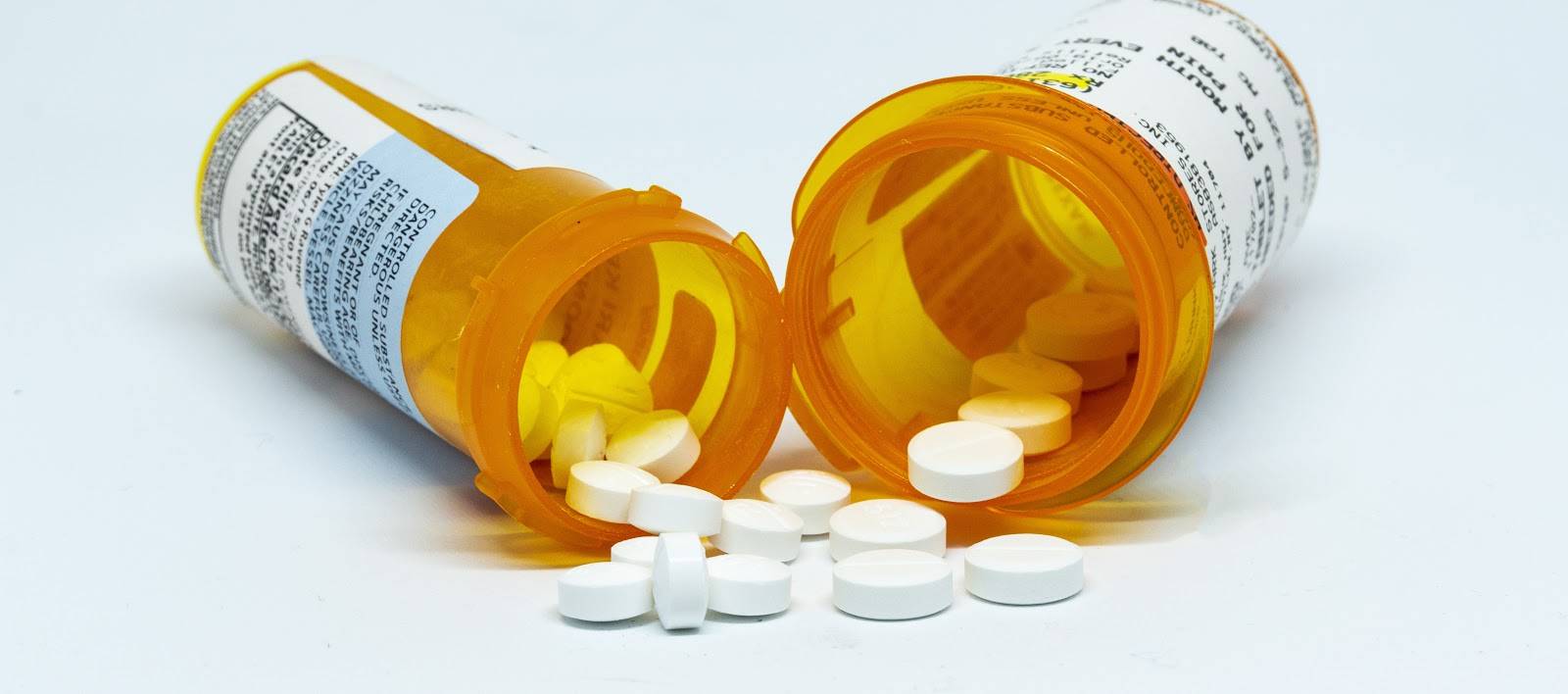
In 2016, over 11 million people abused prescription opioids. It’s no secret that opioid use has become an epidemic in the U.S.

However, just because it’s a common drug, this doesn’t mean it should be taken lightly. Even if you think it’s only recreational, opioids are among the most addictive substances on the planet and can quickly take over your life if left untreated.

If opioids are already a part of your life, opioid addiction treatment may be the necessary next step for you to take. Read on to learn more about what addiction is and why you should consider getting help.

Should I Go To Rehab?

Maybe you’ve asked yourself this tough question during your lowest points. The truth is, it’s difficult to admit to yourself that you need help with addiction. However, it’s a necessary step in the recovery process.

If you’re struggling with opioid addiction, it’s likely that your friends and loved ones have noticed.

You may find yourself becoming increasingly isolated as you begin to reach for the drugs more and more. Maybe they’ve even staged an intervention or personally approached you about getting help.

Even if you haven’t completely hit rock bottom yet, if you are questioning your own need for opioid addiction treatment, chances are it’s time to take the next step. It’s extremely difficult to face addiction alone, especially when it involves opioids.

What if My Friends Say I’m Fine?

If you’re considering opioid addiction treatment, it’s natural to ask your friends for a second opinion. However, if you’re asking your friends, Should I go to rehab?” and they’re reassuring you that you’re fine, this doesn’t necessarily mean you’re out of the woods. This is especially true if they are using the same opioids that you’re using.

Even if your friends are telling you that you don’t have an addiction problem, there are a number of signs to look for that indicate otherwise. For example, are you being completely truthful with your loved ones about your opioid use? If they don’t have all the facts, it’s impossible for them to give you an informed answer.

It’s also possible that your friends are going through struggles of their own and may not be in the best frame of mind to help you. If they are people you regularly party with, then it’s likely that they’re facing similar addiction struggles, or that they simply don’t want to lose a friend to party with.

Whatever the case, the answer to whether or not you’ve developed an addiction problem strictly lies with you. It’s vital to look at yourself honestly, without any excuses, and really ask yourself if you’ve got a problem. As previously stated, if you’re asking yourself this question, you likely are in need of opioid addiction treatment.
opioid-addiction

Defining Your Addiction

Addiction affects every aspect of your life. It can damage your relationships, cause major financial troubles, and take a serious toll on your health. There is no “one-size-fits-all” addiction diagnosis either; instead, it comes in varying levels of severity.

Because addiction ranges in severity, it’s important to learn where you fall on the spectrum. This can be done by looking at the following criteria and checking off how many apply to you. The more you check off, the more severe your addiction is.

  • Issues with personal relationships
  • Growing tolerance to your chosen substance
  • Lack of consideration for your own wellbeing
  • Loss of control
  • Lack of interest in normal activities
  • Wanting to quit but not being able to
  • Symptoms of withdrawal
  • Trying harder to obtain your chosen substance

Even if just one or a few of these apply to you, it’s vital to seek opioid addiction treatment. Addiction tends to get worse if you make excuses or ignore it. It is rarely something you can face on your own.

Addiction is a Disease

It’s important to recognize that your addiction is a disease. It’s not simply a bad habit that you can overcome with time. In fact, if left untreated, addiction is a progressive disease that will only continue to get worse.

The nature of addiction as a disease is similar to other chronic conditions, such as asthma, cancer, or diabetes. Like these chronic diseases, it’s necessary to seek medical help to overcome it. Opioid addiction treatment is an important next step to take.

Don’t wait until you’re at your lowest point to get addiction help. On the other hand, even if you think you’ve reached rock bottom, it’s still possible to get the opioid addiction treatment you need.

Why People Avoid Opioid Addiction Treatment

If you’re still hesitant about getting opioid addiction treatment, this is a perfectly natural reaction.

Millions of people suffer from the disease of addiction, but many avoid getting addiction help. There are a few main reasons why this occurs.

#1 Reason: They’re in Denial

You may already be familiar with denial as the first step in a 12-step program to face addiction. Just like on a staircase, getting stuck on this step prevents you from making any progress on your recovery.

Being in denial is a dangerous loop that leads to nowhere. It’s a typical reaction by many people who have already developed the disease of addiction. Because the brain tends to justify these behaviors with other excuses, it is especially difficult to recognize and overcome.

For example, if someone is dealing with a job loss or turmoil in their personal relationships, they may turn to opioids as a means of coping with this stress. As their addiction grows worse, they may fail to recognize it as a primary contributor to these problems. Instead, they insist that they are only using these opioids to escape the stress of the situation.

Because most people feel a strong attachment to opioids as a means of escaping the turmoil of their life, this can make it incredibly difficult to admit that the opioids themselves are becoming the most major problem of all. This causes many people to remain in a state of denial rather than seeking the opioid addiction treatment they need.

#2 Reason: They Have Fear

Especially when addiction becomes severe, the thought of removing the substance of choice can be terrifying to an addict. It can leave them with racing thoughts about how they will face their problems sober, or how they will be able to cope with life without opioids.

As with any regular habits or behaviors, the sudden shock of removing opioids from your life can be a very scary thought. It may be your comfort zone, your coping mechanism, or even the biggest part of your life in some cases. It’s never easy to let go of these things and face the unknown.

Another thing that scares people who need opioid addiction treatment is the thought of rehab itself. After all, it’s a completely different environment than what an addict is used to. They go from an independent, self-destructive lifestyle pattern to a completely new place where they must face their own vices in order to be successful.

Rehab can be an intimidating thought. Some people are very afraid of taking on their personal demons and working through detoxes and therapy sessions in order to get clean. Others may be afraid of facing life after rehab.

However, there is plenty to look forward to after rehab. Even if you fear that your life is forever altered, there are ways to get your career back on track after rehab and start rebuilding.

#3 Reason: They’re Embarrassed or Ashamed

Another perfectly normal reason that people don’t seek opioid addiction treatment is that they’re ashamed that they have an addiction to begin with. People often equate addiction with a lack of self-control. Oftentimes, the image of being an addict is not an image they wish to associate themselves with.

After all, society tends to react very unfavorably to addicts. They are often believed to be liars, thieves, cheaters, and the list goes on. However, these labels come from a lack of empathy and do not define addicts that are seeking opioid addiction treatment.

Because of these negative connations, many people do not want to admit that they, too, are addicts and are in need of addiction help. They may be worried about what their friends or family might think if they go to rehab. Or they may even be afraid of relapsing and letting everyone down in the future.

Reasons to Seek Addiction Help

While there are a number of reasons and excuses to avoid seeking opioid treatment, there are many more reasons to overcome the denial, fear, and embarrassment associated with it.

Although it may not seem like it now, there’s a better outcome in your future that you haven’t discovered yet:

  1. Face your inner demons. Opioid addiction treatment comes with therapy to help you overcome your traumas, fears, and regrets. Once you’ve come to terms with why you may have become addicted, it becomes much easier to overcome the disease.
  2. Detox and become stronger. Opioid addiction treatment will support you as you detox from your addiction. You will learn how to boost your endorphins without drugs, as well as receive help and support when you need it the most.
  3. Regain control of your life. You are not defined by your addiction. There are plenty of ways to get your life back on track without ever turning to a substance again.

Closing Thoughts

Addiction is an incredibly difficult disease to face on your own. Even if you don’t think it’s the right choice, seeking opioid addiction treatment can enable you to overcome the disease and get your life back on track.
Contact us today to get your treatment started.


Addiction Is A Disease, And The Cure Takes Work. Here’s What To Expect While In Recovery

If you’re not one of the 1 in 7 Americans that struggle with substance addiction, you probably know someone who does. It’s easy to blame yourself or the addict for succumbing to addiction or do not understand why they don’t stop but slow down before you do this. Take a step back and understand that addiction is a disease, and there’s a right way to get effective help.

If you or a loved one struggle with addiction, it’s important to look into facilities that offer rehab.

But you’re likely scared to take this step. After all, who knows what to expect in drug rehab if they haven’t been in it before?

Here, we’re going to answer this pressing question and let you know what you or a loved one can expect as an inpatient treating substance abuse.

What Happens At Check-In

The first thing that you’re going to want to know as a new inpatient for drug rehab is how to check in. After all, this will be your first experience with the facility you’ll be staying in as well as the staff, and it can be a scary part of the process.

After you pick a center for rehab and prepare yourself for your journey, you’re going to feel nervous. These nerves will only be spiked more when you arrive at the facility. This is a completely natural reaction, so don’t worry!

Make sure not to bring any restricted items with you. You wouldn’t want anything confiscated at check-in. But do bring the essentials, and it’s a good idea to bring any comfort objects you may want in, too. These can help you feel more at home and there is no shame in having a favorite book or blanket to help you adjust.

Feel free to ask the intake worker any questions that you have about what’s about to happen.

They’ll answer you as honestly and as fully as possible. In return, they likely will as you some questions. Make sure you’re open and honest too- they are there to help, not judge!

Then the doctors will perform a medical exam on you before you go in. Don’t worry- this is a lot like a physical you get when you take routine trips to the doctor. Know it’s going to happen, and you’ll be great.

Understanding Addiction Is A Disease

One of the first things that you can do for yourself in rehab is to understand that addiction is a disease. Especially because of society’s ideas regarding those addicted to drugs or alcohol, it can be easy to blame yourself for your addiction. Asking questions like why you tried the drug in the first place or why you succumbed to your cravings is natural and expected.

Even though this is natural, that doesn’t make these questions any easier. But there’s no point in asking self-deprecating questions like these.

First, answering these questions isn’t going to change the fact that you need help now, so the answers don’t matter. But even more than that, these questions aren’t the ones you need to be asking.

Would you blame yourself if you got cancer? Pneumonia? Of course not.

You shouldn’t be blaming yourself for developing an addiction, either. Because the fact of the matter is that addiction is a disease, like cancer or pneumonia. Accept this and the doctors will be able to help you as fully and effectively as possible.

A Supportive Community

One of the broadest misconceptions about inpatient rehab facilities is that the people there are scary. This can be a difficult thought to have, and not only because you worry that others might view you that way. You might also worry that the people in there with you will be violent or harmful.

This isn’t the case at all. What you can expect from the people in rehab is a supportive community of kind people who are going through the same things as you are.

Reaching out to other patients in your program has a lot of benefits both to yourself and others.

In doing this, you’ll meet people who can support you and help you through your journey. This can motivate you to keep battling addiction even when it feels so hard you want to quit.

You can also motivate others in turn. In the end, you’ll be becoming a part of a huge network of people that will be there to help and support you. Plus, these people know exactly what you’re going through and can help you feel a sense of companionship through understanding.

When you go into rehab, expect to make unconditional and lifelong friendships. This is exactly what you’ll find.

Treatment From Professionals

Of course, other patients aren’t the only people you’ll be interacting with in rehab. You’re going to be spending as much time with the professionals that are helping you through your addiction battle.

It’s easy to be scared of the way that these doctors are going to perform your treatment. After all, we’ve all read One Flew Over the Cuckoo’s Nest. But this isn’t something you should be worried about. Nurse Ratchet isn’t reflective of any real doctors.

The role of the treatment professionals who will help you fight drug addiction is that they’re, at the most basic level, there to help with whatever you might need.

These experts provide supervised detox so you can fight your addiction safely. They also will assess your individual needs and give you both individual and group therapy so you can understand your own addiction as well as find support.

An Increase In Mental Health

If you suffer from addiction, you likely know that drugs and alcohol have a huge negative impact on your mental health. After all, alcohol is a depressant, and withdrawal from any drug you rely on is a horrible experience that addicts face constantly.

This is why attending rehab is super important to your mental- as well as physical- well being.

By breaking your addiction, you will have a lot fewer struggles with mental illness after you’re discharged.

This will happen over the course of rehab, too. Once you’re out of the early stages of detox, which will happen pretty early on in your inpatient program, you’ll begin to notice positive changes to your mental and physical state.

This will lead to the other aspects of your rehab becoming more effective. After all, a mentally healthy person will almost certainly perform better in therapy. Plus, you’ll have more energy which you can channel into making connections with other patients.

A Plan For The Future

In inpatient programs, the doctors will work with you individually to create a plan for an addiction-free future. These plans are intended to make the transition to an outpatient program easier and ensure it goes smoothly.

After you’re discharged, your road to recovery is still far from over. Sure, you’ll have accomplished a lot and taken tons of important steps towards overcoming this disease, but you’re going to need to continue working with professionals in outpatient therapy.

Plans that you’ll make with your inpatient doctor might include the way that this therapy is going to work. You’ll discuss how often you need to come in and what you can do before each session to make rehab easier.

Many facilities also will ensure that you have regular attendance at the 12-step meetings provided by the center. These meetings will make sure that you are continuing to live an addiction-free life and are intended to prevent backsliding.

Another big part of the future plan that doctors will work on with you is finding new hobbies and passions to replace your addiction. Maybe you’ll discover that you love art or writing in one of your therapy sessions- work on that! Or maybe you want to read a good book or go on traveling adventures.

To learn more tips about sober living, check out this article. Then you’ll better understand what you’re working towards and how you’ll be able to get to those goals.

Lasting Benefits

Making the decision to go to rehab yourself isn’t easy, and doing so is commendable in and of itself. So is making the choice to convince a loved one to enter rehab. But once it’s made, you can expect help, support, and a plan to make your future brighter.

Now that you know that addiction is a disease and, as such, can be treated, contact us to get started on a treatment plan to fight your addictions.

We believe in you.

A Tough Conversation: How to Tell Your Kids You’re Going to Drug Rehab

How to Tell Your Kids You’re Going to a Drug Rehab Center

Are you headed to a drug rehab center? Not sure what to tell your kids? Read on to learn how to tell your kids you’re going to rehab.

You’re a superhero and you know everything, right?

Kids, tend to see their parents as perfect, all-knowing people. They expect Mom or Dad to have all the answers to some of life’s biggest questions.

It’s your job, and privilege, to stand by your child’s side as they learn about the world. Your guidance is what helps them mature and grow into happy, healthy adults one day.

So, how do you talk to your kids about going to a drug rehab center? If you’re supposed to be a superhero, won’t you be letting them down?

Fear, guilt, shame, and worry, are all feelings that can surround an addiction. It’s easy to feel like you’re all alone, yet this couldn’t be further from the truth.

Did you know 23.5 Million Americans are currently addicted to alcohol and drugs? Addiction is a ruthless disease and it doesn’t have anything to do with being a good or bad person.

If you or a loved one is going to a rehabilitation center, your kids will have a ton of questions. Read on to find out what to say, and when, to have the best conversation.

Age Appropriate Conversations

How old are the children you’ll be talking with? Before you start planning the details of your conversation, first take into account the child’s age.

Serious conversations with children under 10 years of age can be particularly challenging. Instead of seeing the bigger picture of why you’re leaving, they tend to focus on the present.

If your child does protest you leaving, it helps to see things from their point of view. Here are some details you should exclude younger children from hearing.

  • Drug Names
  • Length of your addiction
  • Expressing fear or doubt

A lot of parents find it comforting to express their addiction as a type of sickness. Telling your small child, “Daddy/Mommy is sick right now”, can help them empathize.

They’ve surely had a time in their life they can recall being sick. You can remind them how the doctors and medicines helped them get all better.

Then you can explain to them how you are leaving to go see some doctors who can help you with your grownup problem. You can choose to use the words, “I have an addiction problem”, but stay away from expressing any fears you have.

You’ll want to avoid telling your kids things like, “I need help, otherwise I’m afraid of what will happen.” Telling kids about the dangerous side effects of using alcohol, or drugs, isn’t wise for this conversation. Keep it simple, let them know you’re sick, you need help, and you’re going to get it.

If you do decide to use the word “sick” to express why you need help, make sure the kids know it’s not contagious. You don’t want them to be worrying they’ll be getting sick, or that another family member may fall ill at any moment.

going-to-rehab

Why Age Matters

You may feel your child is more mature than others around their age. This may be true when it comes to school work, chores, or other aspects of their life.

Many parents even joke that their child is 8 going on 18, because of how mature they act. Yet, when children have to deal with complex family circumstances, it’s best to keep their actual age in mind.

It isn’t until around 4-5 years of age children begin to realize there’s a world outside of themselves. Up until this point, they think of everything through a self-centered filter, where everything revolves around them.

By the time a child reaches 6-7 years of age they can empathize with other peoples feelings. As they grow into 8 and 9-year-olds, these abilities continue to increase.

Yet, they still see things in a black and white kind of way. In their world, things are either good or bad, right or wrong.

They have a limited number of emotional tools and need you to do the heavy lifting. Rather than telling young children, they are wrong, allow them to express all of their feelings.

Finding the Right Time

When’s the right time to talk about the drug rehab center? You know your children’s schedule and lifestyle better than anyone. When considering a time to have your talk, take into account the following factors.

  • What time of day is your kids most alert?
  • When will you have 2-3 hours available?
  • What atmosphere would be the safest for your talk?

After taking your children’s schedule into account, think about your own. Avoid having the conversation on days you know you’ll be particularly tired from work or family outings.

Even though you’ll only be sitting down and talking, you’ll still need to have a full tank of energy. Being mentally alert, and present is the best way you can serve your kids.

Once you decide on a time, you can begin planning the details of your conversation. Next, we’ll explain the importance of giving your kids details about the center.

Give Details About the Drug Rehab Center

Ever wonder the reason children ask, “why, all the time. Children are by nature, curious creatures and want to explore the world around them.

What do you do when you’ve answered the “why” but they still want to know more? The best solution is to give your children the appropriate details.

Some appropriate details about this circumstance you can share, are details about the rehab center. Let your kids know a lot of facts about the center, you can even show them a few photos of the location.

Here’s a list of some of the details you should give curious children.

  • Activities available at the center
  • Visiting rules
  • How you’ll be communicating with them
  • Where the center’s located
  • How many people you’ll be with
  • What type of room you’ll be in
  • How many doctors work there

The more your kids know about the center, the more involved they’ll feel. When they’re picturing you getting help, they’ll have an idea of what to picture.

No matter what you want to avoid making the center seem like a mysterious place. Your kids will be more at peace having a realistic idea of where you are, rather than a fantasy.

Know Yourself What to Expect

Make sure you also have a clear understanding of what to expect during your stay. You’ll want to know all of the program’s features and benefits before you arrive. The more you know, the calmer you’ll be. When you’re calm, your kids will instantly be more calm and open to discussion as well.

Finally, after deciding what details you’ll share, create a script. The script can be a list of bullet points, listing items you want to cover with your kids. Having a list of what you want to say will help keep you on track.

Not only is it important to speak to your kids at the right time, and include details, but you’ll also want to watch the length of the conversations. To avoid lecturing your kids, or rambling on, try to stick to the bullet point list as closely as possible.

Control Your Emotions

You finally feel ready to sit down and have a talk about rehab with your kids. You’ve created a script, found the perfect time, and you know why you’re doing this.

The next step is to now learn how to control your emotions. As you begin speaking with your kids, you may encounter surprise feelings. These feelings can be strong emotions you weren’t even aware you were experiencing beneath the surface.

Yet, once you start talking about a difficult subject, the surprise feelings can start to surface. Instead of finding yourself caught off guard by overwhelming emotions, have a plan for how you’ll deal with them. Here are a few tips for dealing with strong emotions:

  • Take a deep calming breath
  • Pause before speaking
  • Tune into your feelings
  • Remember what’s real

Tuning into your feelings means identifying the emotion you’re having. When shame or guilt rears its ugly head you might think to yourself, “I’ve always been a failure.”

Yet, you know in your heart of hearts this isn’t true. What’s true and real is your an imperfect human, and everybody needs help in life.

Before you blurt out to your kids that your sorry, or sad, breathe and gather yourself. Remind yourself what you’re the ultimate goal is here. Your goal is to inform your kids about what’s happening and provide reassurance.

With the reality of what’s happening in front of you, it’ll be easier for you to control surprise feelings.

What to Do During Break Downs

Ideally, your kids won’t even notice your struggling with tough emotions. Yet, the ideal version isn’t the most likely scenario to occur.

It’s highly likely you’ll feel waves of emotions throughout your talk, and you’ll need a plan if you start to feel like you can’t contain yourself.

Here’s what you can do if you start talking with your kids, and can’t control your feelings.

  • Tell the kids you need a short time out
  • Find a quiet or private space
  • Write down your feelings
  • Go for a short vigorous walk
  • Call a friend

The moment you start to feel better, start preparing to go finish the conversation. You have to take care of how you’re feeling while still being selfless during the conversation itself. Once you’re ready to resume the conversation, stand guard, watching your emotions.

If you start to feel a wave of fear or guilt bubbling up, immediately start reminding yourself what’s real. The faster you act on negative emotions, the easier it is to prevent them from building up.

However, if you’re a naturally emotional person, you might not be able to restrain yourself. If you need extra help, ask a friend to assist you during the conversation. Prep your friend on the points you want to cover.

Rebuilding Relationships After Addiction

Now you know more about how to discuss a trip to the drug rehab center with your children. Remember, you’re making a brave decision, and your entire family will be stronger because of it.

Can you imagine your life post addiction? You may be wondering how you’re going to be able to rebuild relationships or feel happy, joyous, and free again? Best Rehabs In Arizona is here to help you through every step of your journey.

We help clients who are battling addictions with alcohol, heroin, prescription pills and more. Are you seeking a way to break free from your past and build a bright new future?

At PathFinders Recovery Center you’ll have a team of experts who care about your success. We’ve been helping clients struggling with addiction for decades and we know how torturous it can be.

Our positive, supportive environment, is a vital part of early recovery. Let us show you how we can help. Reach out to one of our team members using our contact us page today.

Here Are 10 Simple Addiction Signs That You Should Watch Out For

It is estimated that one out of seven Americans is going to face substance addictions, but only 10 percent will receive treatment. The key to ensuring someone in your life receives help if they are suffering from an addiction is to know the warning signs of a problem.

There are many people who try to hide their addiction from loved ones, due to embarrassment or because they are ashamed. It’s up to you to get to know the simple addiction signs and take action to ensure your loved one gets the help they need.

Keep reading to learn about some of the most common signs of addiction, as well as how you can help your loved one, here.

1. Mood Swings

Have you noticed a serious change in a friends or family member’s demeanor? If so, then it’s a clear sign that there’s something going on.

However, if these changes suddenly turn into sudden or severe mood swings, personality changes agitation, or outbursts, then it’s a reason to be alarmed. Significant and dramatic changes in behavior, like this, aren’t considered normal.

If the issues aren’t the result of a medication or medical condition, then the cause may be addiction. The fact is, drug addiction can affect a person’s mental stability, regardless of how much or how little they are using.

addiction-signs

2. Tolerance to a Drug or Substance

If someone has used a drug for a prolonged amount of time, they are eventually going to build up a tolerance. As a result, the individual is going to need more and more of the substance each time to achieve the same intensity as they did when they first started taking it.

This is because their tolerance has increased. As a result, the frequency and amount taken are also going to increase.

In most cases, alcohol and drug abuse begin socially, but then escalate as time passes. In many cases, it goes unnoticed due to the gradual rate of dependency. However, if you notice this problem, it is important to speak up.

3. Withdrawal Symptoms

Have you noticed that a friend or loved one has tried to stop using the substance they are addicted to? If they have, then it is likely they will experience withdrawal symptoms.

Many people try to stop “cold turkey,” while others attempt to wean themselves off over time.

However, both of these methods can result in withdrawal symptoms. This also means the person’s dependence is partly physiological.

These are withdrawals that are pretty clear to see, as they are going to affect a person’s physical habits. It can take the form of hot flashes, sweating, sleep deprivation, paranoia, itching, general aches and pains, mood swings, and angst.

People who are going through withdrawal need to have support; however, this is a delicate time to be a person’s support person, too. In many cases, seeking outside help is going to be necessary.

4. A Change in Appearance

Addicts are affected both physically and mentally by drugs. As a result, the drugs being taken can affect a person’s physical appearance significantly.

If the individual has been on some type of dangerous drug, they may lose quite a bit of weight, skin, teeth, vision, or hair problems, heart issues, or become malnourished. There are some substances, such as alcohol that may take more time to imprint on the person.

Alcohol may cause issues similar to those caused by hard drugs, such as heart, liver, and skin problems. While there are many health issues that may occur on the inside, you are likely going to notice a difference on the outside, as well.

5. Irresponsible

If a person begins to neglect their responsibilities, then it is another sign they may have some type of drug issue. This is especially the case if this isn’t a common occurrence for that person.

The fact is, alcohol and drugs can interfere with a person’s ability to use good judgment or to think clearly. Some examples of this include if the person begins to show up late to appointments or work, or if they don’t show up at all.

The individual may also be dishonest with a person’s trust or money, they could begin to neglect their family and children, and become generally irresponsible. Since drug addictions can be expensive, these issues often have quite a bit to do with money.

6. Financial Issues

The financial issues that a drug addict may find themselves in can become extremely serious. They often have to spend large amounts of money to maintain their addiction. This often results in them having to continually find large amounts of money to sustain this addiction.

In many cases, addicts are going to go outside of general limits to get the money they need to ensure they don’t have to go without when it comes to their substance of choice. These limits may include both personal and financial budgets.

There have even been cases of people draining their own bank account and others, maxing out credit cards, stealing money, selling belonging and more.

7. Substance Seeking

It isn’t just significant amounts of money that people may waste as they try to maintain alcohol or drug addiction. Energy and time are often burnt up when trying to find and secure their specific drug.

This energy and time may be excessive and wind up being all that the person thinks about. A classic sign of addiction is to be focused on where the person’s next hit is coming from – even if they haven’t even finished their current one.

If you find that a friend or family member is showing signs of this particular behavior, then it may mean they are facing a serious problem.

8. The Development of Friendships with Other Addicts

Addiction often impacts the good relationships that an addict has previously established. They may begin to deteriorate due to the presence of alcohol and drugs in a person’s life.

After these relationships have begun to break down, the addict may start to seek friendships with others who may understand their situation more. This usually means other addicts or drug dealers.

If you notice that your friend or loved one is beginning to develop new friendships with potentially unsavory individuals, then it may be a clear sign they need help.

9. Isolation

If the addict doesn’t try to seek out friendships with people who share their way of life, they may begin to be more isolated. Isolation is a huge issue for many addicts.

This is a method that many people use to hide their way of life. It’s easier to hide an addiction if no one else is around to see what is going on.

The individual may also become more paranoid due to the addiction, which can lead to more isolation, too. This is going to increase cases of depression and conjure up much more unhealthy life habits.

10. The Inability to Stop

If a person tries to stop the drug cravings they have, they may exhibit behaviors that are similar to losing control. The fact is, the brain can make it much harder to quit by sheer will.

The brain may also convince the person to take “just one more drink,” or “just one more hit.” Unfortunately, one more is usually never-ending.

Treatment Options for Drug Addiction

When you have a friend or family member who is struggling with addiction, it is highly likely they are going to deny the issue. Others may be reluctant to start treatment because of a lack of support, the cost, or just fear of the unknown.

However, once these reservations are overcome, it’s time to find the right type of drug treatment. There are several options to choose from including an inpatient treatment facility, or outpatient care.

There are also more specialized types of drug rehabilitation treatment centers. These may offer art therapy or spa treatments, swimming, and more.

Simple Addiction Signs: Now You Know

Getting to know simple addiction signs can help you help a friend or loved one who is struggling with this. Be sure to take action if you notice the signs above. In some cases, you may have to schedule an intervention to convince them there is a problem.

The fact is an addiction is serious and can take a toll on a person, and their family. Seeking treatment is the best way to overcome this issue.

If you are ready to take action, then it may be a good idea to contact us. Our team has the know-how and ability to help you or your loved one who is struggling with addiction.

Dating Recovering Addicts: What to Expect

DATING SOMEONE WHO IS RECOVERING FROM ALCOHOL AND DRUG ADDICTION

Let’s face it – dating can be incredibly tough. First dates are awkward at best and downright disasters at worst. Perhaps the difficulty of dating is why there are currently more single people than ever before. Dating recovering addicts can be a challenge, but also offers potential benefits too. Read our detailed guide to get the lowdown and tips, with things to pay close attention to.

Sometimes the difficulties of dating can be a good thing. When you’ve dated one dud after the other, it can feel all the more special when you finally meet someone you like and can envision having a future with.

But, what if one day this really special person suddenly drops a bomb on you. After months of what feels like pure bliss, they reveal a secret: they are actually a former/recovering addict. What should you do with this information? Can you handle dating an addict?

Dating Recovering Addicts: Knowlege is Crucial

We’re not going to lie, people recovering from an alcohol or drug addiction do tend to carry more baggage with them than the average person. However, this doesn’t mean you should rule them out as potential partners. After all, no one is perfect, and many recovering individuals do not fit the negative stereotypes that represent them.

Of course, it is normal to feel hesitant about making a full-time commitment to a recovering alcoholic or drug addict. But, knowing what to expect and prepare for with your future partner as they go through this recovery process can be the key to maintaining a healthy relationship. 

That’s why we made this guide, so that you can learn the top tips for dating a recovering addict, and have some peace of mind as you venture into your next romantic relationship.

1. Find Out Where They’re At On Their Road to Recovery

Before you dive in headfirst, you’ll first want to find out where the addict is at on their road to recovery, this is perhaps the most important part of dating recovering addicts.

While this may seem like a trivial detail, knowing what stage of recovery they are at can actually make a huge difference.

Generally speaking, recovering addicts are advised to take a break from dating during their first year of recovery. (The starting point is the day they first became sober).

If the person you’ve been seeing says they’ve been in recovery for under a year, you may want to think twice before getting too serious. If they’ve started dating before hitting the year mark, there’s a good chance they are going against the recommendation of their counselor and potentially aren’t taking their recovery very seriously.

This lack of commitment could easily lead to a failed relationship.

The first year of recovery is extremely crucial for addicts. It’s when they really learn what it’s like to live without drugs and alcohol, how to take care of themselves, how to communicate effectively, and how to find satisfaction and enjoyment in other areas of their life. They also learn what triggers they need to avoid to stay on the road to sobriety.

Basically, it’s supposed to be a year of tremendous growth and self-discovery. Adding dating to all of this can be super complicated, not to mention, overwhelming.

Therefore, we recommend being very cautious, or even just being friends with the person until they’ve hit the one-year mark.


Dating Recovering addicts: look within

2. Look Within Yourself

Oftentimes, a relationship between a recovering addict and a non-recovering addict fails because the non-recovering has issues in their own life they’re not facing.

So, before you choose to date a recovering addict, make sure to do a self-check.

Ask yourself why you feel motivated to date a recovering addict. If your answer is that you are looking to “fix” or “rescue” the person, then the relationship is almost bound to fail.

The thing is, recovering addicts do not need to be rescued or fixed by anyone else. What they need to do, is take responsibility into their own hands and figure out what they need to do to live a healthy, stable life. This is something they need to do completely on their own as well.

If you attempt to be their “savior”, the relationship won’t have balance and will be based on an unhealthy dynamic.

Also, it’s not healthy for you to feel like it’s ever your role to save or fix somebody. If this is something you find yourself frequently seeking in relationships, you may want to consider talking to a professional or someone who can help you break this unhealthy dating pattern.

3. Be Ready to Support Them

Even though it’s never a good idea to attempt to fix an addict, you do need to support them, a key part of dating recovering addicts can be to know when to help, and when to keep a health distance.

Of course, all relationships require support. However, supporting an addict really requires you to go the extra mile.

Most recovering addicts (especially early on) need to see a therapist, attend several group meetings a week, and do a tremendous amount of self-care.

While this may not seem like a big deal at first, you may soon find that all of these meetings aren’t super convenient. If you and your partner both work 9 to 5 jobs, they’ll likely have to attend meetings after work. This could interfere with date nights, social events, and other things.

Plus, if an addict feels triggered, they may find themselves needing to get to a meeting ASAP.

This could mean dealing with canceled or postponed plans.

If you don’t think this is something you can handle, then dating an addict is not a good idea for you.


Dating an addict: Educate Yourself!

4. Educate Yourself

You may think you know a lot about addiction and recovery. But the truth is, unless you are an addiction counselor or work with addicts on a regular basis, you probably only know the basics.

Therefore, before dating a recovering addict, it’s very important that you educate yourself on addiction and recovery.

Learning about how addiction occurs, who’s susceptible to addiction, and the latest research on addiction can all be extremely useful.

It can also be beneficial to join a support group for friends, family members, and partners of addicts.

By hearing about other people’s experiences with addicts, you can learn a lot.

5. Be Aware of Your Partner’s Triggers

When dating a recovering addict, it is very important to be aware of their triggers.

While many people think that dating an addict just means avoiding bars and parties with alcohol, it’s actually a lot more complicated than that.

Addicts can be triggered by something as minutiae as a smell, sound, or sight.

Even the clink of a glass can be enough to trigger an addict.

As the partner of an addict, it’s very important that you are aware of these triggers.

This way, you’ll automatically understand when your partner feels the need to leave a certain place. You’ll also know what places the two of you should avoid altogether.

Also, be aware that even though triggers can fade over time, they are a lifelong problem. This means you will need to be mindful of them during the entire duration of your relationship.

Dating recovering addicts: Avoid Manipulation

6. Don’t Let Yourself Be Manipulated

When someone is in the throes of addiction, they often spend a lot of time manipulating and convincing others that their drinking/drug use isn’t a problem and that they don’t need help.

While some addicts are able to cut this behavior off once they’ve gone through a treatment program, some carry this manipulative behavior into their post-addiction relationships.

Therefore, when dating a recovering addict, make sure you don’t allow them to use their recovery as a scapegoat.

For example, someone being in recovery does not allow them to cut off communication for days or weeks at a time, bail on you, or be unfaithful to you.

A recovering addict should give you the same amount of respect that you’d expect from anyone else you’d date.

7. There Has to Be Trust

Every relationship needs trust, but a little extra dose of trust is needed when dating a recovering addict.

If you’re dating an addict and you don’t trust them, it will be very hard for them to rebuild their self-esteem.

If you constantly question your partner about their whereabouts or keep tabs on them, then your relationship will be doomed. Your partner will eventually come to resent you for your lack of trust.

Unless you see major warning signs that your partner is slipping up, you need to maintain an open mind and withhold judgment.

Dating a recovering addict: self care needed!

8. Don’t Forget About Your Self-Care

When dating a recovering addict, it can sometimes feel like the relationship is all about making sure that they’re doing okay.

But remember, for a relationship to work, things need to be equal. And just because you aren’t a recovering addict, doesn’t mean that you don’t have issues of your own.

When dating a recovering addict, it’s very important that you don’t get so wrapped up in their needs that you forget your own.

Regardless of if your partner is struggling or doing great, you always need to make time to take care of yourself. Make sure you are eating right, sleeping well, exercising, and finding time to enjoy your favorite hobbies.

DATING RECOVERING ADDICTS: ARE YOU READY FOR THE NEXT STEP?

As you can see, there is a lot that you need to keep in mind when dating a recovering addict. However, while it can be difficult to date someone in recovery, keep in mind that all relationships have their challenges. 

Every couple has obstacles to navigate, so do not let a small misstep in your relationship make you feel like dating a recovering drug addict or alcoholic is impossible. As long as you are committed and there is a genuine level of love, you can get through any rough patches.

If you have any questions or comments about these tips, please let us know in the comments below. And, be sure to check out this guide to learn what to do if your partner relapses.

Ending the Stigma: How to Help End the Stigma of Addiction

Ending the Stigma: How to Help End the Stigma of Addiction

Even though progress has been made, there is still a lot of stigma around addiction. Read on to learn how to help end the stigma of addiction.

More than 20 million Americans are battling a substance addiction of some kind. That’s more than the number of people in the country suffering from all types of cancer, combined.

Yet, despite the prevalence of this affliction, the general conversation has yet to turn from judgment to empathy. In fact, a recent survey reveals that the public perceives drug addicts more negatively than those with mental illness.

As we make strides toward a more understanding tomorrow, there is a need to reverse this stigma of addiction. Every day, those suffering take their first steps toward recovery. How can we support their efforts?

The answer lies in breaking down the preconceived notion of who an addict really is. Today, we’re sharing a few ways everyone can work together to destigmatize this disease.

Ready to learn more? Let’s dig in.

The Social Impact of Stigmatization

Unfairly and hastily categorizing addicts not only affects their ability to get sober. It also causes long-term stress and anxiety that can lead to depression. When addicts feel discriminated against, they often experience a profound sense of loneliness.

This is a dangerous road to tread, as mental illness and addiction are often linked as a dual diagnosis. In fact, research shows that those clinically diagnosed as having a mental illness consume 69% of the alcohol in the country and 84% of the cocaine.

When an addict feels socially outcasted without any outlet through which they can share their emotions, those feelings of isolation only exacerbate. From there, a cycle occurs wherein the addict fails to seek help or reach out for fear of being rejected. At the same time, they delve deeper into the addiction to help combat that sense of unworthiness.

Thus, it’s important to take away the stigma around addiction. When we learn what actions and speech define this approach, we can help those suffering make a smart recovery that sticks.

addiction-stigma

The Effect on Medical Treatment

There is a myriad of reputable addiction recovery centers across the country. These are staffed with experts trained on every stage of addiction, who are experienced working with addicts and, as such, as are less likely to apply negative stereotypes when working with them.

Yet, there are still some healthcare professionals working in traditional medical settings who have not worked with as many addicts. Because of this, they often approach the situation differently and might not be as willing to open their doors and their waiting rooms to those sufferers.

When this happens and this pushback is perceived, it turns the addict away from seeking the medical attention they need. In fact, studies show that only 18.5% of addicts receive the addiction help they need.

Understanding the Psychology of Addiction

One of the most common stereotypes of addiction is that an addict can control their behavior.

As advocates for this community, it’s important to understand that this is not a condition fueled by choice.

Rather, once a person has crossed the threshold into addiction, reaching for a drink or another hit of a drug becomes less of a voluntary measure and more of one performed out of physical necessity.

Harvard scientists go so far as to say that addiction hijacks the brain.

The boost of dopamine that addicts feel when they engage in substance abuse eventually wears off as the addict becomes more tolerant of it. In turn, a larger amount of the substance is required to maintain that sense of euphoria.

Yet, even though the high is more difficult to achieve, it is no less desired. This is because addicts remember the effect the substance once had (a memory stored in the brain’s hippocampus) and seek to recreate it on a daily basis.

Breaking down the stigmas of addiction begins with understanding the psychological order of the disease. Now let’s take a look at a few proactive steps that can tear those walls down even more.

Breaking Down Addiction-Related Stigmas

Understanding addiction is key to becoming more tolerant of those in your family, at your workplace, or in your social group that might be struggling and in need of support.

Regardless of the specific situation, the reality is that no one wants to feel stigmatized, judged, or thought poorly of. This is especially the case with addicts, who may already feel cut off from society due to the road they’re walking.

Below are a few key ways everyone, including those without an addict in their lives, can work together to bring compassion and humanity to this disease. The more often we take an honest look at our actions and strive to change them, the more that progress can occur.

Eliminate Labels and Name-Calling

There are scores of negative names and labels associated with addiction. In fact, you may have used them in your general conversation without realizing their true effect.

Even seemingly benign terms such as “getting clean” can carry a negative connotation, so it’s important to rethink the use of such phrases. Along the same lines, words such as “junkie” “alcoholic” and “drug habit” can also be viewed as hurtful.

A simple step that you can do today to change the conversation is to avoid the use of these monikers. At the same time, encourage others around you to do the same.

Just as there have been movements to discourage the use of certain terms surrounding handicapped persons, the same effort should be made to treat addicts as the people they are, rather than defining them by their disease.

Turn a Listening Ear

We live in a fast-paced society telling us that, in order to keep pace with our neighbor, we have to take life by the horns and speak up for ourselves. We rush about in our daily lives, bury our noses in our smart devices, and text more than we call.

Yet, when was the last time you sat down with someone and listened more than you spoke? If there is someone suffering from addiction in your life, one of the most beneficial things you can do for them is to hear what they have to say.

As you do, resist the urge to interject with your own opinions or offer personal anecdotes. Instead, serve as a sounding board and a safe place for that person to release frustration and find support.

Educate Yourself

We tend to stigmatize and look unfavorably on issues we know very little about. Instead of automatically resorting to name-calling or passing judgment, seek to educate yourself on addiction and its associated behaviors.

Especially if you are close to someone who is in recovery, battling drug withdrawal, or in another phase of the journey, you should be well-versed in what to expect in the coming months and years. Even if you don’t know someone personally affected by the disease, it’s still smart to learn as much as possible about it. That way, you can help teach others ways to destigmatize it as well.

Speak Up for Change

The next time you’re in a conversation that steers toward addition, speak up if someone around you begins to cast a negative light on those suffering. If no one is willing to challenge the status quo, real progress cannot occur.

The same applies to any situation in which you witness someone being treated unfairly because of their addiction. Use your voice to promote unity and encourage fairness. You may even consider working with a local charity to bring recognition to the cause and encourage others to join you in changing the addiction perception.

Ending the Stigma of Addiction Once and for All

Those suffering from addiction can use all of the support, love, and encouragement we can offer them. The only things they don’t need from us are name-calling, judgment, and irreverent labels.

To help end the stigma of addiction, begin with a single step. Commit to avoiding negative behaviors that add to their loneliness and isolation. Invite a hurting friend to coffee. Volunteer at a local recovery center and see firsthand what a little compassion can do.

If you’re in the Scottsdale area and know someone currently in the throes of addiction, our recovery program can help.

Our team has more than 25 years of experience in the addiction treatment industry. We offer programs structured around individual treatment plans with long-term stability in mind. In addition to medical support, we also work to help those suffering from addiction integrate successfully back into their lives with a renewed sense of purpose.

To learn more, contact us today. Let’s take that first step together and break down barriers as we do.

Here’s How To Reconnect With A Recovering Addict After Rehab

“What can I say?”
“What can I do?”
“How can I help?”

There’s a lot of paralyzing questions you tend to ask yourself when trying to reconnect with a recovering addict in your life. It’s not easy to make sense of a lot of the emotions you’re feeling.

If you have a loved one in or going into rehab, we’ve got a guide on how to offer support.

But, if you love a drug addict that’s out of rehab, we have some tips on how to approach all those burning questions running through your mind.

alcohol-recovery

DO: Listen

Many people ask about how to talk to an addict. But, actually, the most important thing you can do is listen.

No interruptions. No criticisms. No judgement.

Even if they’re talking about something you personally don’t think is best for them.

It’s very important to stay a sounding board. It’s easy for a recovering addict to close up. Often, it feels like this whole ordeal is something they’re living through alone.

So, the more heard they feel, the more likely they’ll feel supported. And the more they feel supported, the better their chances of staying on the right road.

It’s best to try to see through their eyes as they speak. This isn’t a one-way road. Educate yourself on all the things they need to be doing to reconnect with you, just as you’re trying to reconnect with them.

DON’T: Question a Recovering Addict’s Recovery

Always refer back to rule 1: listen. But when it comes time for you to talk, you always want to avoid questioning their road to recovery.

The worst thing you can do is dismiss their uphill battle. Try not to downplay the seriousness of their addiction and how much it’s going to affect their new post-rehab life.

This is a lifestyle change. A permanent one, hopefully. And that’s not something to be deemphasized.

Don’t tell them you never thought they had a problem, to begin with. Don’t give them permission to see this long road to recovery as anything other than 100% necessary. Because it is.

DO: Show Kindness

No matter what brought them to rehab, no matter the history that may still be fresh in your memory, always let your loved one know that you still love and care about them.

It’s hard to know exactly what to say to an addict you love, but it should always be said with patience and affection.

They need constant and consistent support. The first step towards giving them that consistency is making sure your tone and your intentions always come from a place of kindness.

When you love a drug addict, always approach any conversation with an open heart, always trying to see things from their point of view. Even if you’re discouraged or upset with them, try to convey your emotions with warmth and kindness.

Stress is a common trigger for relapse, so what you’re telling them is just as important as how you deliver it. Everything you say should be wrapped in a verbal hug, especially if it’s bad news.

DON’T: Overstep Your Boundaries

Boundaries are very important when it comes to recovery, especially when you’re living with an addict.

Both your boundaries and theirs.

Try not to ask too many questions or try to micromanage their life. Some of us want to make sure relapse isn’t even a possibility, so we tend to overdo it.

This can do more harm than good, causing your loved one to close themselves off. And isolation is a very bad place to be for a recovering addict.

Let them know that they’re free to tell you if you’re being overbearing. All they have to do is say a word and you’ll take a step back. Keep those lines of communication open and try not to take offense if they do say you’re not giving them enough space.

On the flip side, when you love a drug addict, you must stand your own ground yourself.

Let your friend or loved one know what is outside of your comfort zone, what you’re not willing to put up with, and set limits. The road to recovery needs to be full of rules and boundaries, especially when it comes to reforming friendships and relationships.

They need you and your support to know when they’re stepping out of bounds.

If they keep skirting your boundaries, don’t be afraid to carefully let them know. Just like dealing with anyone else, if the person doesn’t know that their behavior is bothering you, they’ll never know to change it.

Once you’ve set your limitations, it’s extremely important that you follow through with enforcing those boundaries. A recovering addict needs to know when they’ve been crossed and the consequences of those actions.

If they don’t make the effort to change their behavior, it’s okay to suggest counseling for the issue. That will ensure that you can work it out in a mediated environment.

DO: Show Your Support for Their Progress

Showing support isn’t just an empty set of encouraging words. It’s also about putting your presence where your mouth is. It’s all about showing up.

Tell your loved one that you will support anything they need in their time of recovery.

Do they need you at a family counseling session or couples’ therapy?

Do they need you to come to a meeting with them? Or take a call at an inconvenient time?

When you show up, they’ll show up, too. Knowing that there’s real-world support for them is invaluable during recovery.

And knowing that you’re willing to work through issues with them, will only make them easier to face head-on.

Always let a recovering addict know you will support them in seeking whatever they need to keep living a sober life.

DON’T: Share Your Own Drinking/Drug Use Stories

It’s very important that you don’t bring up drinking or drug use around them.

This point is very simple:

Don’t ask them to be a designated driver.

Don’t ask when they can start drinking again.

Don’t tell them about how hungover you are or how drunk you got last weekend.

Any of these topics can be triggering for a recovering addict.

What you CAN do is encourage them to find a drug-free way to get those endorphins going.

DO: Show Consistency

This point goes hand in hand with everything we’ve already covered about how to talk to an addict. Listen. Don’t question their road to recovery. Show kindness. Don’t overstep your boundaries. Show your support for their progress. DO ALL OF THIS CONSISTENTLY.

The life of a recovering addict can be a rollercoaster. They need something they can depend on.

They need things in their life that are predictable.

Unpredictability can trigger stress. And stress can fuel addiction.

Be the example in their life that they want to live up to. Always be where you say you’ll be. Always hold your ground when you’ve told them they’ve crossed the line.

Accountability is extremely important in a recovering addict’s life.

DON’T: Bring Up Their Past

The last thing a person that’s gone through addiction and rehab needs is a reminder of those times they’ve been working to get past.

Just like you shouldn’t be talking about your own vices with them, you also shouldn’t be reminiscing about their old life.

It can certainly trigger a relapse and somewhere between 40 and 60% of addicts in recovery

WILL relapse.

They’ve made a commitment to get past that place. They admitted they had a problem. They went to rehab. And now they need you to help them see the future – what all that hard work was for.

If there is a past instance you really feel like you need to work through with them, make sure you broach the topic lightly. Try to phrase it in a way that puts them ahead of those problems.

Acknowledge that you know they’re in recovery first, then bring it up with some verbal distance, being sure to make it sound like it’s far in the past.

DO: Let Them Lead

It might be hard to trust a recovering addict, but it’s what they need now more than ever.

Offer help, but back off if they ask.

Don’t tell them what they need, ask first.

As long as they’re working through it, and it’s going to result in something positive, trust that their way is going to be just as good as your way.

At rehab, they were equipped with tools to help them. Let them use those tools.

Always be there as a backup, but try not to push.

Good Luck on Your Journey

It’s okay to feel a bit overwhelmed while you try to be supportive of a recovering addict. We all learn as we go. Thankfully, there are so many resources and outstanding facilities available to help you help your loved one. They’re not alone and you’re not alone, either.

Is My Loved One Addicted to Prescription Drugs?: The Top Signs of Prescription Drug Abuse

The Top Signs of Prescription Drug Abuse

Are you afraid someone you love may be addicted to prescription drugs? If so, read on to learn about the top signs of prescription drug abuse.

Did you know that over 15 million people in the U.S. today abuse prescription drugs? What about the fact that prescription opioid abuse claims more lives per year than all illegal drugs put together?

What does this mean for you? It means that if someone you know is abusing prescription drugs, they are in very real danger of death. If you think there’s even a slight chance someone you know is abusing prescription drugs, it’s imperative you find out for sure and stop it before it’s too late.

Learn how to spot the signs of prescription drug abuse by reading this guide.

Who Is Most Likely to Misuse Prescription Drugs?

Statistics show that young people under the age of 26 are most likely to abuse prescription drugs. In 2010, it was recorded that 11.4% of youths aged 12-25 abused prescription drugs.

And 2014 saw the tragic deaths of 1,741 young adults to prescription drug overdose. That’s almost 5 youths per day. And it’s an increase of more than 1,300 since 1999.

If the loved one you’re concerned about is between the ages of 12 and 25, it increases the chance they’re misusing prescription drugs.

If You See Prescription Drug Use, Find Out More

Obviously, we can’t go around accusing all prescription drug users of abuse simply because we see them take a pill from an orange bottle. It could very well be that the drug is being used properly for its prescribed purpose. But here are a few ways to find out for sure if it’s being used as prescribed.

Is It Their Prescription?

Taking someone else’s prescription is abuse, and it’s illegal. If you can find a non-intrusive way to do so, read the name on the label of the drug being taken. If the name doesn’t match the person taking it, this may be a sign of abuse.

But you can’t jump the gun just yet. There could be other explanations.

It’s possible the user’s household recycles pill bottles for convenience. They could have split a prescription into multiple bottles to carry one in their purse, one in the drawer at home, etc.

If you know enough about the prescription, you can take note of if the pill in the bottle matches the label. If the pill matches and the name doesn’t, it’s likely the user is taking someone else’s prescription.

What Is the Prescription For?

Do you know why they are taking the prescription? If you haven’t asked before, find a polite way to do so.

If you know the person, it should be easy enough to know if their answer checks out. That is, you’d most likely know if they had any recent surgeries that required pain pills, for example.

However, if you see them taking Vicodin for a dental surgery that happened several months ago, this is a red flag. It wouldn’t be rude in this situation to find out more by showing concern about their explained situation.

You might ask why the pain has lasted so long and if they’ve scheduled a follow-up appointment to address it. Their responses may give you more clues as to the truth of their words.

Do They Still Need the Prescription?

Furthermore, look for signs that they still have the condition that the medicine was prescribed for in the first place. If the prescription is still actually necessary, you should see signs and symptoms of the condition they’re taking it for.

The easiest way to investigate this to take note of when they’re taking it. For example, if the medication is for pain, are you seeing any evidence that they are in pain when they take it? Or does it seem more like they’re taking it at times when they’re stressed out?

Or perhaps they’re taking the medication is for a mental health disorder, such as depression or ADHD. If so, does this make sense to you, based on what you know about them?

Are you already aware of the condition? Have they ever shown any symptoms of it? Or does the disorder supposedly being treated not sound like your friend at all?

How Often Do They Take It?

Most prescriptions are designed to treat their respective condition according to a very strict dosage and time schedule. This is not only for patient convenience and proper effectiveness but also to help regulate usage and prevent dangerous overdose.

Along those lines, a prescription will very rarely require more than two pills per dose or less than an hour between doses. It’s also unlikely that the amount per dose or minimum time between doses would ever be “optional.”

So then, does the user’s dosage amount stay the same or change from dose to dose? Do they take it according to a specific time schedule or do they seem to take it arbitrarily without even checking the time?

If the usage of the medication seems excessive or irregular to you, it probably is.

Other Signs of Prescription Drug Abuse

Even when used as prescribed, drugs usually have side effects. But this is even more likely when prescriptions are misused. If there is prescription abuse going on, you are certain to see side effects in various areas of the user’s life.

Aside from usage habits, here are some other potential signs of prescription drug abuse.

Difficulty Getting Work Done

The job is always one of the first things affected by any type of substance abuse. The reason is twofold.

As stated, the drug itself will most likely affect mental or physical ability and energy levels. But also, addiction of any kind impairs the individual’s ability to function.

Common side effects of drug abuse include weakness and fatigue, trouble sleeping, and cognitive impairment. These and other side effects impair the user’s ability to meet deadlines or to do work properly, if at all.

General Physical or Behavioral Changes

The symptoms of the person in question can give you a clue about their situation. Illnesses may sometimes hit us hard, but they pass soon enough and take their symptoms with them. Conversely, intense physical symptoms and dramatic behavioral changes that appear suddenly but don’t go away are common signs of substance abuse.

There are a few other conditions, though, that may cause these changes or symptoms to remain longer than a month. It could be menopause, pregnancy, a very serious illness, or a negative reaction to a new medication being used as prescribed. But, if these seem unlikely, there’s a good chance that the cause is addiction/substance abuse.

Physical Side Effects

Common physical side effects of prescription opioid narcotics include:

  • Confusion
  • Impaired coordination
  • Constipation
  • Nausea
  • Sweating
  • Low blood pressure
  • Slow, ineffective breathing
  • Constricted pupils

Those who misuse stimulants may show signs of:

  • Weight loss
  • Insomnia
  • Irregular heartbeat
  • Chest pain
  • Flushed skin
  • High blood pressure

Sedative/anxiolytic misuse can cause:

  • Confusion
  • Impaired judgment
  • Dizziness
  • Headaches
  • Drowsiness
  • Erratic, uncontrollable eye movement
  • Dilated pupils
  • Unsteady gait (wobbly legs)

You can add these symptoms to your list of evidence that there may be a prescription misuse problem. But note, however, that these symptoms may be caused by other conditions.

That said, pay attention to any explanation your friend or loved one gives for these symptoms. Prescription abusers very often fake ailments to keep up appearances. They also do this in order to receive new prescriptions or, possibly, to steal drugs from the doctor.

If your friend or loved one is constantly at the doctor for a variety of mysterious ailments, while their symptoms remain unchanged, it’s probably a sham.

Mood Changes

Another indicator of prescription misuse is sudden, persistent changes in overall mood. The most common are agitation, irritability, anxiety, depression, and mood swings.

Behavioral Side Effects

It’s easy to see when someone you’ve known for a long is not acting like his or herself. That’s why radical changes in behavior are perhaps the most tell-tale sign of prescription misuse.

Prescription misuse can cause delusions and impulsive, reckless behaviors. Abusers sometimes become hyperactive, paranoid, aggressive, even violent. They may become self-destructive and/or suicidal.

You may also see noticeable signs of intoxication or chemical high. They might appear dazed and slur their speech.

They sometimes develop difficulty remembering things. They may have strange sleep patterns and be awake/asleep at odd hours.

Relational Side Effects

It’s very common for drug abusers to withdraw from friends and family both physically and emotionally. This is a result of attempting to hide their habit.

They withdraw emotionally for fear of confrontation. And they withdraw physically so they can use without anyone seeing.

Their relationship with you may become a lot more distant or shallow. One indication is feeling like you hardly see them anymore. And when you do see them, the relationship feels disconnected and empty.

The fixation of addiction takes a powerful hold over the addicted’s attention. They will seem distracted or less focused in all other areas of their life.

They’ll likely become more isolated in their free time and demand more privacy than is usual for them. And there’s a high chance they’ll drop out of social or group activities they’re normally involved in.

What Can You Do?

Have you noticed these signs of prescription drug abuse in someone you know? If you’re certain they have this problem, you must take action right away.

Get friends and family together to express your concern through intervention. Approach them with compassion and understanding. Get them enrolled in rehab and assure them that they have your full support for every moment of their recovery.

Click here to find out more about our recovery program or contact us to see how we can help.

What Happens After Rehab: 12 Tips for Sober Living

sober-living-tips

What Happens After Rehab: 12 Tips for Sober Living

The battle against addiction doesn’t end with rehab. These tips for sober living can help your maintain your healthy, sober lifestyle after your recovery.

Of the 23.5 million people who have a drug abuse or alcohol problem, 2.1 million or just over 11% receive help in a rehab facility annually.

What isn’t as known is how many of these people experience a relapse after successfully completing a stay in rehab. Such statistics aren’t tracked. But one thing is clear: for anyone trying to stay sober after drug or alcohol addiction, the temptation is always lurking.

If you are a recovering addict, here are 12 tips to help maintain sober living after you return home from rehab.

1. Consider Living in a Recovery House

To help ease the transition of moving back home after rehab, you may want to consider living in a recovery home for a while. You won’t be surrounded by any temptation and you’ll continue your daily living with a sense of structure similar to what you experienced in rehab.

These types of homes are sometimes called halfway houses or sober living homes, although there is a difference between the two. Halfway houses are sometimes used as residences for released criminals or the homeless, while sober living homes are sometimes affiliated with addiction treatment centers and mainly used to help addicts stay clean.

Halfway houses offer more freedom and are therefore less expensive, while sober living homes are a little more regimented and cost more. They may also be covered by your insurance plan.

Whichever type of recovery home you choose, you’ll find they serve a second purpose: you’ll be sharing a home with other recovering addicts who know exactly what you’re feeling and going through.

2. Make Sure Your Home Is Clean upon Your Return

One of the most important things you can do to maintain sobriety upon returning home is to make sure any traces of temptation have been removed. Have a trusted family member or friend do a clean sweep of your home to make sure there are no drugs or alcohol lurking.

Anything that they do uncover should be safely disposed of. They should check every nook and cranny including the tops of cabinets and drawers to ensure your home is clean.

It’s much less risky to have a friend complete this task instead of doing it yourself. You won’t be tempted into taking the substance, and you’ll be making a fresh start in your home.

3. Seek a Good Support System

Staying sober isn’t easy. It helps to have other people to turn to during rough days or when you feel like caving in to temptation. There’s strength in numbers, and talking to other people who know exactly how you feel and what you’re going through can make a world of difference on the road to recovery.

Whether it’s a 12-step support group or a Meetup group for recovering addicts, make sure you join one and more importantly, attend meetings regularly. It helps to have someone to listen to you—and you may just find that in the future you’ll encourage someone else to turn away from drinking or drug use.

4. Exercise Regularly

A study found that exercise can help recovering alcoholics resist the urge to drink. Regular physical activity helps to increase endorphins in the brain, which makes you feel good. This means you’re less likely to turn to drugs or alcohol to achieve a similar high.

Exercising also gives you something positive to focus on. If you work out at the gym or with a group, you’ll also be coming into contact with people that care about their health.

Meditation can also be a great tool to retrain your mind and help keep your thoughts focused on the strong new person that you are becoming.

5. Give Yourself Goals

Where do you see yourself a few years from now, professionally and personally? Maybe you want to try a new career, go back to school, and aspire to get married and have children.

Whatever your life goals are, it’s important to have them so you can continue focusing on the positive aspects of life and keep moving forward. You can’t change your past, but you do have the present moment which is where your power always resides.

It’s time to leave the past behind and concentrate on making your life the best it can possibly be. Giving yourself some goals will help motivate you and get you excited about life again.

6. Surround Yourself with Positive People

Many addicts may be accustomed to hanging out with other people who drink or use drugs, and who are into partying. If you plan on staying sober, this may require taking a hard look at the people who share your company.

You want to socialize with people who make healthy life choices so you won’t fall back into your old habits. You also want people who understand and can support you along your journey. It’s not an easy thing to say goodbye to people from your old life, but understand that it may be necessary to stay strong and healthy.

Likewise, you may also want to take this opportunity to rebuild relationships after your addiction. This takes an enormous amount of strength and courage, but asking others for forgiveness will help hold yourself accountable for staying sober moving forward.

7. Establish a Routine

A routine is sometimes viewed in a negative light by most people, but for those recovering from an addiction, it can be a lifeline. Knowing what you need to be doing during every part of the day keeps your mind focused on living in sobriety.

Keeping a to-do list can be a huge part of your recovery as well. Include not just minor tasks such as doing the laundry, but chores that will help you reach your life goals even if it’s just a baby step at this point. Reviewing your checked-off list at the end of the day will give you a sense of accomplishment and satisfaction.

You may want to give yourself a 90-day plan for staying sober and include to-do lists and goals as part of this period.

8. Learn Something New

Recovery is a great time to learn something new you’ve always wanted to explore, whether it’s yoga, woodworking, or taking an art class. Again, this gives you something positive to keep your mind off your recovery and help you discover something new about yourself. It will also prevent boredom and the tendency to think negative thoughts as one is getting acclimated to life after rehab.

9. Forgive Yourself

Those getting over addiction often feel an enormous self of guilt for their behavior. They may have felt like they’ve let down or hurt loved ones and friends because of their addiction.

Whatever the implications of your addiction were, it’s important to learn how to forgive one’s self so you can stay focused on the present and future. None of us can go back and change the past, but we can certainly learn from our mistakes to make better choices going forward.

10. Get a Job (If You Don’t Work Already)

If your current employer was aware of your rehab stay and is willing to welcome you back when you’re ready, working can definitely play a huge role in your recovery. Return to work as soon as you are able because having a purpose in life and being surrounded by coworkers will help you stay sober. Not to mention, having a regular paycheck is important to maintain a quality of life.

A regular work schedule also helps reestablish a routine which is helpful when conquering addiction. It also prevents boredom, sitting at home thinking negative thoughts, or focusing on what happened in your past.

11. Designate a Sober Friend You Can Fall Back On

There may be times where people we know from a support group are unavailable, or we can’t make it to a meeting. A trusted friend as your back-up support person can help talk you off the ledge when things get rough. It’s important that this person maintains a healthy, sober lifestyle so that there’s no temptation to return to drug or alcohol use.

12. Avoid Environments That Trigger Addiction

There may be times when we have to turn down invitations to social outings because the environment may trigger a desire to use our addictive substance. This may include a bar, restaurant, party, or any place that serves alcohol.

Until you’re certain that you can resist the social pressure and the sight and smell of alcohol, it may be best to turn down invites to certain places. Stay firm in your belief that it’s for your best interest and declining a party invitation isn’t meant to hurt anyone’s feelings.

We Can Help You Achieve Sober Living

These 12 tips outlined above can help put you on the path towards sober living. But even with discipline, a relapse can happen. Here at Best Rehabs In Arizona, we can help put you or a loved one battling addiction on the road to recovery.

Contact us to learn more about our drug and alcohol treatment facility and how we help people conquer their addictions in a positive and supportive environment.

What Is Dual Diagnosis Treatment for Addiction and Who Can It Help?

dual-diagnosis-treatment

What Is Dual Diagnosis Treatment for Addiction and Who Can It Help?

For someone who has mental health issues on top of a substance abuse disorder, dual diagnosis treatment is the answer. Here are the basics.

Many times, people with mental illness to turn to drugs or alcohol as a form of self-medication. Self-medicating is their attempt to gain some relief from their conditions.

Many treatment centers focus on treating addiction.

But, most treatment programs aren’t capable of treating patients with a dual diagnosis.

This can be especially frustrating for patients seeking dual diagnosis treatment.

The 2014 National Survey on Drug Use and Health reports that there are 7.9 million people with dual diagnosis conditions.

If you’re among the millions of Americans with a dual diagnosis, this post is for you.

Read on to learn about treatment options for dual diagnoses!

Mental Illness

One in four adults in America has a form of mental illness.

Many people suffer from more than one mental illness at a time.

Some of the most common mental illnesses are:

  • Anxiety disorders
  • Bipolar disorder
  • Depressive disorders
  • Mood disorders

Most people who commit suicide have a mental illness.

Patients with mental illness can be difficult to diagnose. Doctors may need to modify treatment many times to find what works.

Substance Abuse & Mental Illness

Studies have found that mental illness and addiction often go hand in hand. Many national surveys show half of those with a mental illness also have addiction issues.

Among adolescents in community-based treatment, co-occurring conditions are not uncommon. For them, research indicates that 60% of patients may have a dual diagnosis.

But, having more than one condition presents challenges for patient treatment teams. Unfortunately, the skills for this type of treatment is extensive. It requires more resources and training than it does for treating addiction alone.

There are many other challenges that professional face as well. And, there are those that patients must overcome, too.

Medical Challenges Associated With Treating Dual Diagnoses

Most treatment programs specialize in treating specific conditions. For example, they may treat either addiction or mental illness. But, few programs treat both of these conditions.

Treating mental illness and substance abuse separately may increase the risk of relapse.

But, treating co-occurring conditions simultaneously can be a challenge.

First, centers must be able to offer several treatment solutions. This often includes a combination of therapy, medication, and other treatments for patients. Plus, staff members must receive training to treat both types of conditions.

Patients may also need long periods of medical supervision, hospitalization, or in-patient services.

These services don’t often come cheap. And, for patients without viable health insurance, paying for treatment is often impossible.

State & Federal Programs for Mental Health & Substance Abuse

Patients who don’t have health insurance depend on publicly-funded programs.

This includes treatment for mental illness and addiction. For patients with both of these conditions, there are few public treatment options.

The History of Public Treatment Programs

Until the early 1960s, state and federal involvement in mental health was minimal. There were also no significant public funds to pay for mental health programs before the 60s.

In 1963, the government passed legislation allowing grants for community-based mental health centers. This helped expand public treatment services for individuals with mental illness.

In 1970, the government began defining alcoholism as a treatable condition. A year later, laws passed for state-substance abuse and community-based treatment programs.

This was a major accomplishment. But, there was still a long way to go. Even today, there is more work to be done before everyone can access the treatment they need.

The Limitations of a Singular Approach to Treatment

Many states have since combined drug and alcohol treatment agencies. Yet, state mental health programs remain separate from state substance abuse programs.

The states’ approach limits treatment options for either addiction or mental illness. Rarely does a state-funded program offer treatment of for both conditions together.

Integrated treatment for co-occurring conditions is the most ideal. Patients with co-occurring conditions relying on government agencies often experience disadvantages. One reason for this is due to a lack of public treatment centers.

The Most Effective Treatment for Dual Diagnosis

According to the National Institute on Drug Abuse, combined treatment is most effective.

Separate treatments for mental illness and substance abuse yield lower success rates. This is especially true for patients exhibiting symptoms of both conditions.

Often, several different types of treatments offer the most benefits to patients. Some of the types of treatments for dual diagnosis include the following:

  • Medication for substance abuse or co-morbid symptoms
  • Medication for symptoms of psychological or behavioral conditions
  • Cognitive Behavioral Therapy
  • Talk therapy, which may include individual, group, and/or family therapy sessions
  • Long-term residential communities
  • Assertive community therapy
  • Exposure therapy to treat specific phobias
  • Socialization
  • Basic living skills education programs
  • Treatment for coping with trauma and PTSD

Patients may need a wide range of treatments and services to achieve success.

Some private treatment centers are not able to treat dual diagnosis patients. Like public programs, they may not have the resources these patients need.

However, there are substance abuse centers throughout the country that treat dual diagnosis patients. But, they may be more difficult to find. And, sometimes, they may have a waiting list to enter treatment.

As a result, some centers have come up with creative ways that they can offer treatment to these patients.

There are organizations and medical treatment centers that share the same location.

Patient professionals often form teams so they can work together. This allows them to share patient files and information. They may meet to perform case reviews and discuss a unified treatment plan for the patient.

Patient Hurdles

The dual diagnosis patient population has obstacles that may interfere with their success.

These patients tend to relapse or drop out of treatment programs more often than others.

People that have both mental illness and substance abuse disorders may become homeless.

They also may experience legal problems as a result of their conditions. Their conditions may increase the likelihood of criminal behavior. This can lead to charges and convictions over time.

Patients may have difficulty adhering to social norms. They often struggle to maintain employment. Some of these individuals lack the basic living skills needed to function in society.

Efforts for Progress

Today, many public and private organizations are working to expand treatment options for patients.

The Substance Abuse and Mental Health Services Administration is working toward integrated treatment. They are trying to encourage the development of a more capable workforce. Their efforts include professionals such as psychiatrists, therapists, and behavior and addiction specialists.

Also, there has been some progress in community-based criminal justice reform. Some programs aim to treat and rehabilitate offenders who suffer from a dual diagnosis. This is a new approach by the court system.

Social organizations have begun partnering with other groups to help offer services as well.

Now that professionals realize the need, they are more determined to come up with a solution.

Advice for Individuals Struggling With Addiction & Mental Illness

Despite challenges, there are programs that treat individuals with a dual diagnosis.

If you suffer from addiction and mental illness, there are ways to boost your odds of success.

Reaching out to family and friends for support can provide you with a team to help you when the going gets tough. Not only that, but you’ll have a valuable network to call on when you need them. They may be able to give you rides to appointments, help schedule treatment, or listen when you need to talk.

It’s best to find a treatment program that’s tailored to fit your needs. Not every treatment program will be the right one for you. But, there are resources that can help you find what works.

If you feel hopeless, it’s crucial that you seek professional help. There are many risks and consequences associated with both addiction and mental illness.

Finally, don’t give up.

It may take some effort, but finding help is possible. Treatment is the key to changing your life for the better.

Achieving balance and a healthy recovery is within your reach, as long you are willing to accept it.

Are You Considering Treatment?

If you’re suffering from mental illness or addiction, it’s important to get treatment.

Taking charge of your recovery begins when you reach out for help.

You owe it to yourself and your loved ones to gain freedom from your conditions. But, more importantly, you’re worth it.

Are you considering treatment for mental illness and substance abuse?

Whatever you might be experiencing today, there are others who share your experiences. And, there are also many people with a dual diagnosis who have recovered.

You don’t have to go through this process alone. We’re here to help.

Contact us today to begin your journey to recovery!