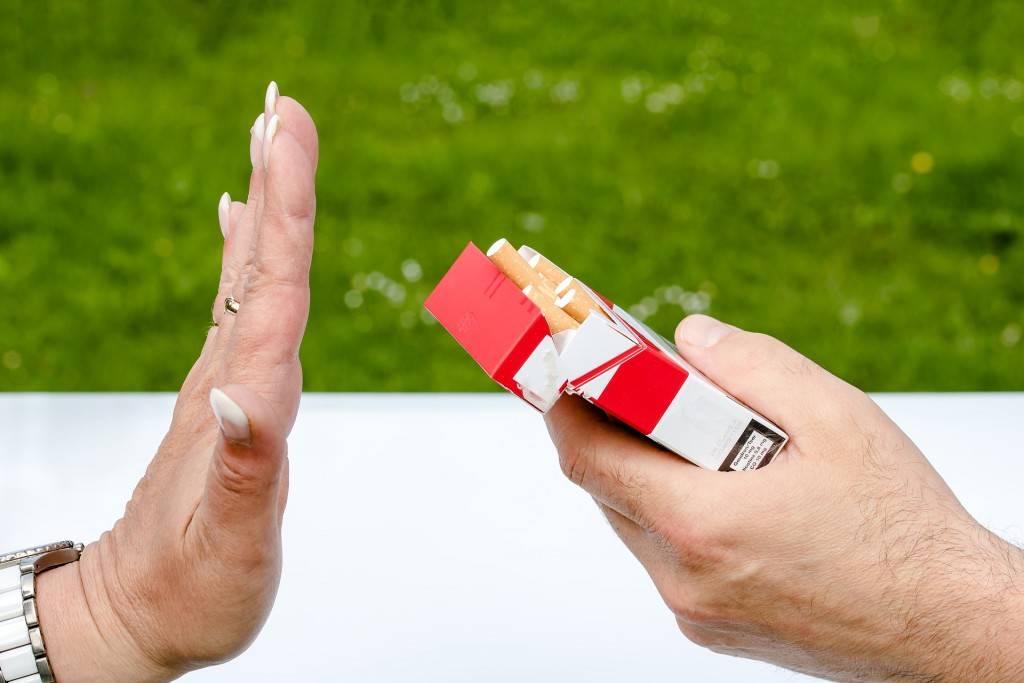
Is Addiction Genetic – The Answer From Experts

Is Addiction Genetic – The Answer From Experts

An interesting fact that intrigues most people is whether there is an environmental impact on addiction or is addiction genetic? Just like many diseases are inherited through our genes, is there an addiction gene that predisposes one to turn to escapist mechanisms and substances?

Is Addiction Hereditary?

The answer to this question is yes. There is a link between genetics and addiction but it is not necessarily true for all cases. There are many children and grandchildren of people with addiction problems that never turn to alcohol or drugs themselves. However, science and research have noticed that there is a genetic predisposition to addiction.

Factors in Addiction Predisposition

The two factors that connect genetics and addiction are the fact that children whose parents are addicts have more opportunities to try these kinds of substances. Children of addicts inherit and copy behavioral patterns of their patterns that predispose one to seek an outlet through drugs, alcohol, or other addictive behaviors.

According to addiction genetics and research, genetic predisposition to addiction accounts for 50% of the risk of substance abuse. Just like other diseases, when a person has a genetic predisposition for developing addictions, as soon as they come into a certain environment that unlocks these tendencies, the disease comes out.

Just like our bodies, temperament is also largely inherited. People who inherit addiction genetics in the form of an impulsive, risk-taking and thrill-seeking qualities are more likely to turn to drugs in order to find the temporary emotional boost that these substances offer them.

Another way in that proves whether is addiction genetic is the response the individual has towards these kinds of substances. The pharmacokinetics of the addictive substances are absorbed and broken down people in different rates and intensities. This is under the control of their genes. There are people who have a brighter response to addictive substances than others and attach to them quicker. Others who do not have a genetic predisposition to addiction may find that drugs and alcohol do not have the same strong effect on them.

Biology Behind Addiction

When scientists have to answer the question, “Is there an addiction gene?“, they begin connecting the dots for other people to understand how our brain and psychology work together. The susceptibility to addictive substances is greatly influenced by the structure of the individual reward system in the brain. The two structures that are the main players in this system are the amygdala that is responsible for threat reactions and the prefrontal cortex that responses to our environment.

This region is important to survival. The drive for eating and procreation are part of this system. Drugs are substances that interfere with the functioning of this region. The addictive substance numbs this part of the brain and stops it from seeking natural rewards. As a result of them, the prefrontal cortex may lose its strength. This makes people under the “addiction disregard their situation and not take care of themselves.

Seeking Help

Thankfully, there are ways to treat addiction on both a physical and a psychological level. Places like pathfinders rehab give people who want to stop the circle of addiction the opportunity to receive help. Best Rehabs In Arizona rehab is focused on not only curing addiction but also providing its clients with the resources to manage stress and become immune to taking up drugs and alcohol after rehabilitation.
What Happens in Rehab?

What Happens in Drug Rehab? Begin Prepared for Treatment

How can I prepare for rehab? While going to rehab is the most crucial choice to make, several tips exist to make your stay more doable for you and the people around you.

These tips are:

  • Notify your work or school.
  • Create a plan for your family to continue going on while you are in treatment.
  • Be sure someone responsible has a power of attorney for you.

We already gave you a guide on how to prepare for rehab, but here’s a refresher. If you have children, explain to them in straightforward terms what happens in rehab. Additionally, you’ll want to assure your family members that you will be coming back to them and be a healthier version of yourself when you are through. Also, you’ll experience an overload of emotions now and through your treatment. If you have selected a good rehab center, they will also be able to provide you more information on this process.

What is inpatient treatment like? And what is rehab like?

As in inpatient at our facility, you’ll live at our rehab 24/7. Inpatient treatment requires several steps. In the first step, a person goes through detox. During detox, you stop using their drug of choice. You’ll have highly trained medical professionals helping you get off your drug of choice safely. The days it takes to detox depends on the drugs you use and the amount of time you’ve been using it.

What is drug rehab like, and what will my treatment plan look like?

After you detox, you are ready to start learning how to live without drugs or alcohol. You’ll receive individualized counseling to help you determine why you became addicted in the first place. You’ll also get group therapy, which means you’ll attend meetings where the group encourages and helps each other to live a sober lifestyle. You’ll also learn alternative ways to deal with the stressors in your life than to use drugs. Group counseling remains a great place to get tips on how to live drug-free. One of our principal methods of recovery remains the tried and true 12-Step method.

How does rehab work?

Rehab works when you begin to see your addiction and how it has ruined your life. And rehab begins to work when you start working your program, guided by experts in the drug rehab field.

After counseling, what happens in rehab? Are you just let back into society to do the best you can. The answer is a resounding no. You may still be feeling some withdrawal symptoms and rehab is a lifelong process.The final step in your treatment plan occurs when you learn and experience sober living and aftercare. You may also need continued counseling and group activities after being discharged from our program. We will set you up with the tools you need to succeed in staying sober long term.

A Typical Day in Rehab

In many ways, there are no typical days in rehab. But, in a typical day in rehab, you continually work your individually designed program, learn to live without drugs and learn to love yourself. You rebuild your relationships with your friends and family. A routine does exist, however. You’ll be expected to participate in individual and group counseling and work your 12-Step program with help from your sponsor. You’ll also have time to join in nurturing activities.

What happens in drug rehab? And how does rehab work? Call us now for more information.

Alcohol Recovery Arizona: Why it’s The Best State

Why Rehab Arizona?

Imagine staring at a mesmerizing desert landscape and getting lost in the breathtaking experience. This will be the best view to have when you are getting clean of alcohol or drugs at rehab facilities in Arizona. Sometimes leaving the state is the only way to get away from those negative influences.

There are a bunch of mental and emotional triggers everywhere in your immediate surroundings. Your community is full of them. Old friends and associates will urge you to drink at bars or dance clubs on the weekends. They are excited to ask you to come with them. You will then have to make a choice to either succumb under their peer pressure or ignore them. Sometimes it is better to visit another state just to clear your mind, get away from these people, and cleanse your soul. Getting out of your comfort zone is the key. Check out the best alcohol rehab centers Phoenix has to offer.

Since you are reading this article you are already heading in the right direction. Stay open-minded, smart and you will succeed with your recovery.

Smile At The Healthy Arizona Sun

Put a smile on your face because the sun will encourage it at the drug and alcohol rehab center. Arizona has 299 days of absolute sunshine that prevents SAD (Seasonal Affective Disorder). A cold and depressive gloomy climate is no match against abundant sunrays. The sun produces chemical reactions on the skin for vitamin D. This essential vitamin has so many health benefits such as absorbing calcium for stronger bones, supporting a healthy immune system, and decreasing blood pressure while preventing depression. Some alcoholics who drink too much might neglect getting the proper nutrients in their diet because liquor is occupying their stomach. As a result, the bones become frail and when you end up falling from being drunk, injury is the next result. The sun will prevent a trip to the hospital and undergoing surgery.

What Makes Best Rehabs In Arizona Special?

Best Rehabs In Arizona in Scottsdale has near-perfect reviews on Google. This shows that the thousands of people who attended the program have succeeded in reaching their goals. They went on to live happy lives enjoying things one day at a time. You are one of them!

What Makes Best Rehabs In Arizona A Success

What makes Best Rehabs In Arizona a success is the individualized treatment geared toward each person. Everyone is not the same. Every person requires a different treatment program and evaluation methods. Some might only need holistic treatment, which is more on the natural side, depending on their level of addiction. Others might need a 12-step program for a more hardcore treatment.

Regardless of the program, you will be far from those negative influences in the old environment. Detox can sometimes scary and downright dangerous with vomiting episodes and panic attacks. Therefore, there is 24/7 supervision. The program could range 30 to 365 days.

Imagine enrolling extracurricular activities or getting a membership gym. Dual diagnosis can take care of the alcohol and drug addiction along with mental disorders such as depression and anger management.

Kill two birds with one stone with Best Rehabs In Arizona!

Which path are you on?

How Long Does Drug Recovery Take

How long does it take to get over an addiction? This is a good question, but it has no simple answers. Everyone is different. Most medical professionals working in the addiction medicine field think that you can’t ever eliminate your tendency for addiction. This is because as much as half of your risk for substance abuse is determined by genes. Getting over an addiction isn’t like recovering from a cold or the flu. Your body’s immune system will fight and defeat the virus causing these conditions, and then you will be well again. Addiction is more like the chicken pox virus. Your body can and will fight the virus, but it still remains in your body for a lifetime, ready to emerge again when defenses are low. In the long-term, receiving quality drug treatment is your best chance for beating an addiction.

How Long is Drug Rehab?

Actual drug rehab treatment typically lasts anywhere from 30 days to a year. An average effective treatment period is around 90 days. It depends upon the scope of the individual’s addiction, the drug involved, the rehab facility and which adjunct type of drug treatment the person may choose. How long is drug rehab? The best answer is probably that it will take as long as it needs to for a particular individual. Most addicts struggle with triggers, or associations with certain places and things, that cause a drug craving and the urge to use. For these people, it may be helpful to attend a drug rehab located in another state. Due to this, we have locations in Colorado as well as a rehab facility in Arizona.

How Long does Alcohol Rehab Take?

Alcohol is a drug. Medically speaking, there is no distinction between someone addicted to opioids or other drugs and someone addicted to alcohol. An alcohol addiction can be every bit as serious as a heroin one. It’s purely a matter of the person’s preference for their drug of choice. People generally choose substances that offer specific desired effects. For example, a shy person may begin to use alcohol to help them relate socially. Alcohol tends to suspend a person’s natural inhibitions. Alcohol and drug rehab treatment times are similar. It really does depend heavily upon the person’s level of addiction when they enter treatment.

How long does your body take to recover from alcohol? That is a serious question. The answer depends upon the amount of alcohol consumed and the length of time that the addiction has existed. While a glass of wine at dinner generally does no harm and may even be good for you, heavy consumption of alcohol over time periods measured in years takes a terrible toll on the heart, liver, brain and kidneys. While the body may recover from minor alcohol-caused organ damage, particularly to the liver, severe damage is likely to be permanent.

If you’re addicted to a prescription medication such as an opioid or benzodiazepine, you should seek treatment before the addiction escalates. People are dying from opioid overdoses every day. There are also rehabs that offer treatment for addictions to prescription pills. It is important that you find out what kind of treatments the facility you are interested in specializes in.

How Long is Rehab?

In a sense, rehab lasts a lifetime. A former addict is always on guard for a possible relapse. Tools learned while in treatment rehab will help with this. Dual diagnosis may cause rehab to last somewhat longer. Dual diagnosis means that the client has both a drug addiction and a mental disorder, such as depression. There are rehab facilities that offer dual diagnosis treatment.

Can a Drug Addict Ever Recover?

Recovery is always possible. However, most people who are addicted are not able to stop on their own. In fact, this is a hallmark sign of addiction, that is, the inability to stop using a substance on your own. Rather than struggle on your own, it’s best to seek treatment at a quality drug rehab. Remember, when you leave drug treatment, you are not leaving your addiction tendency behind. That’s why it’s critical to choose a rehab that offers quality aftercare services. You will still need a support team even after you achieve your goal.

Top 10 Reasons Why Recovery Doesn’t Work

When Recovery Goes Wrong

Despite a drug abuser’s best intentions, sometimes they relapse. The risk of relapse never truly goes away for an addict. They have to take life day-by-day. Understanding why addicts relapse can help further treatments and methods to be crafted to ensure that no one slips through the cracks when recovering from drugs. Here are ten reasons for what causes relapse in drug addicts.

1. Triggers

Too often, someone who has gone through recovery is placed right back in the same situation that they came from. As such, triggers for drug use remain. The same pressures exist that drove them to drugs in the first place. Without the removal of those triggers, it’s easy to relapse.

2. Addiction

Addiction itself is a disease. While reasons for addiction are many, its interaction with the brain is all the same. Once drugs have deprived the brain of being able to produce its own stimulants for feelings of positivity and happiness, the brain searches for other sources to cause those feelings. Drugs tend to be the only option for a lot of people. Someone who has become incapable of naturally producing serotonin, dopamine, and other necessary hormones and neurotransmitters may be driven back to drugs in order to feel happy again.

3. Tense Situations

If the person lived a dangerous lifestyle, then they’re likely under a lot of stress. High risk situations that could trigger a relapse are common for those who can’t leave the tense situations completely. The stress of those situations could turn them right back to drugs.

4. Incomplete Detox

During recovery, they might not have detoxed as thoroughly as they were supposed to. As a result, their body is still going through withdrawal, and as soon as they get the chance, they seek a means of coping with that withdrawal by turning back to drugs.

5. Loss Of Support

At pathfinders recovery, they may have had a strong relationship with their peers. Without that support in the real world, they may find themselves falling into old habits.

6. Lack Of Interest

Support groups exist outside of pathfinders sober living homes, but they may not be interested in joining group therapy sessions. This lack of support and direction could cause them to relapse.

7. Misunderstand Their Health

Drugs wreak havoc on the body, and yet these consequences tend not to show up until later in life. As a result, an abuser may think they’re doing fine and not care to live a sober life. They don’t understand the prolonged consequences of drug use.

8. Denial

If they were forcibly placed in rehab, then they may feel as though they don’t have an addiction problem in the first place. With that sort of mindset, no matter what occurs in the recovery center, they’re going to head right back out and continue to use drugs. Recovery is impossible for someone who doesn’t believe that they have a problem in the first place.

9. Loss

If they experience a loss of a friend or loved one that they relied heavily upon, then that could trigger them to start using again. Without understanding how to cope with their pain in a healthy way, they might switch to drugs instead.

10. Lack Of Healthcare

While they may have been receiving medical healthcare in the recovery system, that financing may not be available to them once they leave. As such, they can no longer afford to attend meetings and relapse instead.

How Can I Prepare for Addiction Rehab?

Preparing for the major changes in your life that help you obtain the successes we all long to achieve can make your stay at our rehabilitation facility much easier. When you set goals with your family to ensure they have access to all the tasks that need to be carried out while you are away, there is less worrying and pacing. When you have everything worked out with your employer, there should be no worries about starting fresh at a new job after your release. There are critical aspects of a stay in our rehab centers in Arizona that will go a lot smoother if you prepare in advance. Below, we have detailed five tips (from numerous drug addiction questions and answers) to help you focus on your inpatient drug rehab Arizona treatment.

#1: Coordinate an Objective Away Plan with Family

It is important for you to be relieved of the burdens and stresses that exist in your external life during this phase of addiction recovery. When the plans of caring for your children, pets, or financial obligations are not cut and dry, you may find yourself begging to call home at every opportunity to argue and bicker over every little thing you neglected to set up. If you can’t set up auto bill pay on your financial accounts, be sure that your family has access to the accounts and a dated list of when to make each payment.

#2: Grant Power of Attorney to a Family Member

No matter how thoroughly you are able to coordinate your financial affairs in your absence, it is to your benefit if you have a family member with power of attorney. Power of attorney will allow them to conduct your affairs on your behalf in an emergency. A power of attorney form is usually standardized from state-to-state and available from legal document companies for you to notarize and have the chosen family member present any time there is a law or procedure obstructing them.

#3: Notify Your Employer

Although it sounds risky to tell your employer that you are addicted to substances, the Family and Medical Leave Act enforces your right to retention of your job for up to 12-weeks. You don’t have to go into detail with your personal problems. Employers who see potential in you and value you as an employee will shrug off any negative perceptions and welcome you back, expecting an even stronger work-product when you are sober. Notifying your employer and providing the appropriate paperwork to make it official protects your job. You may even want to refer them to our website in order to enlighten them on the drug rehab resources available.

#4: Objectively Consider What Makes You Want to Use

If you outline the reasons now that make you want to drink or get high after the initial effects wear off, you obtain a more at-the-time perception. Note if you feel agitated, dysphoria (deeply depressed), anxious, unable to function (and what ways), and also why you can’t resist the logic to stop despite the dangers. Whatever perceptions you may feel of anxiety, depression, or a need to socialize, may all be helpful later in determining if you would benefit from dual diagnosis treatment at drug rehab Phoenix AZ.

#5: Remove Your Prejudices

If you are using alcohol or drugs, the substances reinforce the addictive behavior. They alter the way you think and what you feel is important in life. This creates cognitive dissonance and a hostility when you are approached with objective truths about your life and habits that seem alien to your conception of the world. The truth believed by most people is whatever serves their preconceived agendas.

Signs of Relapse: Top 10 Signs Your Addiction is Creeping Back

Addiction is defined by the National Institute on Drug Abuse (NIDA) as a “chronic, relapsing brain disease that is characterized by repetitive drug use and abuse in spite of harmful consequences.” The word “relapse” is in the definition for a reason. Relapse is a part of many people’s struggle with addiction before they finally achieve lifelong recovery or succumb to the disease. Relapse can happen within the first few months of sobriety or many years after because there is currently no cure for addiction. Being knowledgeable about relapse signs and triggers will make it easier to manage your addiction.

1. Emotional Changes

The first relapse symptoms that are typically noticed are changes in your overall emotional state. If you are becoming more depressed, anxious, and/or angry overall, you are more susceptible to relapse because you are not being relieved from negative emotions.

2. Stress

Small amounts of stress and worry are acceptable because they can motivate you to take positive action. However, excessive amounts of unresolved stress and worry are not healthy and are major risks factors for relapse.

3. Denial

Denial is dangerous because you are not realizing the severity of your problem. If you are not attuned to the severity of your problem, you cannot effectively fix it. If others are telling you that they are noticing signs of relapse and you automatically shoot them down instead of being open to what they have to say, you may be in denial. If you catch yourself thinking along the lines of “It’s not that bad,” or “I can have one glass of wine at the party,” be aware.

4. Isolation

Recovery is about being active in a community of others who can understand you. If you are slipping in your recovery program, you may be tempted to isolate by skipping meetings or recovery-related events.

5. Return of Old Defects of Character

Dry drunk syndrome or having the same behaviors of an actively using person as a sober person is real. If you are exhibiting the same behavior patterns (e.g. lying, manipulation, selfishness, judgement, anger, control, etc.) as you exhibited when you were actively using, your sobriety may be at risk along with your character.

6. Hanging Around Old Friends Who are Active in Addiction

Even if you are not using with them, hanging around old friends who are still active in addiction is a major threat to your recovery. Just being around them can remind you of your active addiction days and make you want to go back to using.

7. Changes in Attitude about Recovery

Those who are firm in their recovery have a positive attitude about it. If you are becoming resentful about recovery, you may be at risk of relapsing.

8. Routine Changes

Not going to the gym, skipping work for no reason, not eating healthy, and changes in other healthy routines makes the foundation for your weak.

9. Poor Judgement or Loss of Self Control

You may be engaging in more riskier behaviors (e.g. speeding, shoplifting, overeating, and unprotected sex) to get a high off them. Getting high off of engaging in other risky behaviors is only a prerequisite to using alcohol or drugs again.

10. Return of Substance use

The most evident sign of relapse is return of substance use. Alcohol rehab colorado can help you get back on track.

How to Respond to Relapse Warning Signs

Reaching out to the recovery community is the greatest way to prevent relapse when you feel like your recovery is in jeopardy. Professional help may also be necessary. It is easier to prevent a problem than solve a problem. If you do relapse, get into detox and an alcohol recovery center as soon as possible. Addiction relapse does not have to be an end; it can simply be a lesson.

What is the 12 Step Program? Does it Work?

What is the 12 Step Program? Does it Work?

Drug and substance addiction has been a significant problem in America. It is estimated that over 20 million people are struggling with one addiction or the other. More people are affected by the problem. Unfortunately, only a small group of people is willing to commit to rehabilitation programs. Only about one in every 10 people does so. This development compounds the risks of addiction.

Addiction is a medical condition that requires help to overcome. The more you stay without care and support, the worse your situation becomes. What was easily treatable can become full-blown mental damage. Thanks to the 12-step program, you can now get help.

The program has been in existence for almost a century. It was first introduced in the 1930s. From then, it has been the go-to program for people struggling with alcohol, smoking, and drugs.

What Is The 12 Step Program?

It is a process developed by alcoholics anonymous that provides a systematic way of overcoming addiction. The program asks you to do the following things.

  1. To admit that addiction has overcome you. Your body, mind, and soul are powerless.
  2. To admit that your only hope is through a power outside of you
  3. To submit to the outside power for care and restoration
  4. To do a self-assessment of yourself
  5. To agree to your faults and inadequacies to others and the external power
  6. To appeal to the outside force to help you overcome the shortcomings
  7. To make way for the external power to take control of your life
  8. To implore the higher power to remove the defects in you
  9. To seek forgiveness from the people you have hurt
  10. To make amends to people that we have hurt
  11. To conduct a regular self-analysis of your behavior and actions
  12. To implore the higher power to help you overcome your weaknesses
  13. To help others who have lost the path

These are the 12 steps of recovery recommended by AA. Many programs that utilize this model exist. Most of the rehab centers in Colorado, and by extension in the country, use the program.

Is the 12 step program for addiction effective?

Trust and anonymity are the core pillars of the 12 step program. The data is scanty on how effective the program is. AA releases statics of patients who go through the program on a quarterly basis. Since the cost of the program is low and insurance covers most of it, many people prefer them. At least one million people enroll every year.

The data only focuses on those who meet the criteria below:

  • Complete a one-year 12-step treatment program
  • Complete the yearly meetings without skipping any weekly meetings

Well, that long journey is worth the wait. Unbelievably, 5-10% people complete the program every year. Of those, three in every 10 people will still be sober after 10 years. Those who fall off the way can rejoin the centers later.

You can enroll in any of the treatment centers in Colorado to start a 12-step based rehabilitation program. Best Rehabs In Arizona Rehab Center is one of the Colorado-based treatment centers that utilize the 12-step program.

They offer a variety of treatment programs for drug and substance addiction. They also provide a holistic approach to addiction recovery. Relapse is a major concern for people struggling with drug dependence. You can also visit their blog for insights on how to stay sober after a recovery program.

The Family and Friends Guide: Rehab Support

When a member of the family is struggling with addiction, it will also have consequences for the entire family. Once an addicted individual starts their recovery journey by enrolling in substance abuse treatment Phoenix AZ, you may ask yourself how you can offer your support during their recovery. There are different ways you can help support your loved one while still supporting yourself.

Why Should You Educate Yourself on Inpatient Recovery Centers?

One of the ways that you can be prepared to offer assistance to a family member struggling with addiction is to educate yourself on the matter. By learning about the processes of addiction, and the steps that an involved in seeking adequate recovery treatment, you will be in the best possible position to assist the family member during their journey to recovery. It is also important educate yourself on the recovery process and addiction treatment centers, which can be achieved by looking up “drug and alcohol rehab near me.” Once you have educated yourself, you will be prepared to help your loved one start recovery.

How Does Addiction Impact the Family?

It is likely that members of the family had to deal with difficult behavior from a loved one struggling with substance abuse such as stealing, manipulation of other family members, and extensive and ongoing lying. In addition to having to deal with living with someone who is struggling with addiction, statistics show that children of those who abuse substances are more likely to be susceptible to addiction themselves, making the issues that can arise even more complicated. Thus, drug and alcohol abuse can have a destructive influence on the whole family by causing family members to feel helpless in the face of their loved one’s addiction. However, the members of the family are not helpless and can do a lot to help their loved ones achieve sobriety.

What Resource Are Available to the Family?

There are a number of possible resources for an individual who has a family member that has been struggling with substance abuse. These resources can include support groups such as Nar-Anon and Al-Anon that are made up of people who have family members who are struggling with addiction. Additional information for groups like this is available by contacting us, and we can help connect you with treatment in your area, or online support groups that are filled with people who have dealt with similar experiences as you have.

How to Get Someone into Rehab?

In many instances, the best way to get a loved one into rehab is through an intervention, which is a process by which friends and family get together to confront someone about how their addiction is impacting the people closest to them. Many families find it helpful to hire a professional interventionist to help them confront their loved one and convince their loved one to immediately enroll in a detox program or recovery program.

Instead of waiting around waiting for a loved one to be seriously injured or die, an intervention helps the family take a proactive step to get the individual with an addiction into an inpatient rehab center. Even after your loved one has done rehab, make sure that you support their full recovery journey to avoid a relapse.

How to Talk to Someone in Rehab?

It can be hard to know what to say to a loved one struggling with addiction. One of the most important things to remember as you support your loved one is compassion. While the simple fact that addiction affected an individual doesn’t justify their behavior, it will help you better understand what motivated them, as well as equip you with the tools to support them during their recovery journey. In addition to compassion, you should avoid probing questing or overreacting when talking to someone in rehab. By remembering this advice, a conversation with you can go a long way toward helping them as they work toward recovery goals.

What to look for in a drug rehab facility

Overcoming addiction to drugs or alcohol is one of the bravest things a person can do, and thankfully, there are rehab facilities available to help with the process. Unfortunately, not all drug and alcohol rehab facilities are created equal and finding the right fit can make all the difference in your treatment success.

You should be proud of yourself for taking the first step in recovery by considering a rehab facility, but before you commit to the process, check out the following four things to think about when looking for quality drug and alcohol rehab facilities:

1. Read Reviews First

Before deciding on a rehab facility, it would be a good idea to take some time to browse the web to read reviews from current or former clients of the facility. These reviews may cover important information that you either hadn’t considered before or that you are currently pondering. It’s important, however, to take what you read for what it’s worth. Look also at how long patients were able to stay sober following their visits.

In many cases, people only leave reviews online when they have a negative experience, meaning the reviews you read may be skewed. Additionally, no one is perfect, meaning no facility is perfect, so some people may simply have bad experiences at a certain facility while the overwhelming majority have had positive experiences.

2. Ask to Tour the Facility

An excellent way to decide whether a facility is right for you is to simply ask to take a tour. This will give you a chance to see the facility, meet its staff, learn more about its programs, including 12 step meetings, and possibly get a glimpse into the day-to-day routine of clients.

When you tour a facility, it’s a good idea to keep an open mind, but you should also avoid committing to a treatment program on the spot. If you feel that you’re being pressured into making a snap decision while at the facility, you may need to consider other options.

3. Ask About Insurance and Payment Options

Treatment at an inpatient drug rehab facility often varies in price depending on the length of stay, any amenities included in your stay and other factors. For this reason, it would be a good idea to get a quote for your stay up front if possible, and you should also discuss payment methods and insurance acceptance.

Some insurance companies will cover the entire treatment program while others may only cover parts of the stay. As such, now would also be a good time to speak with your insurance provider to see what its representatives have to say on the matter.

If you don’t have insurance or if the uncovered costs are exorbitant, talk to a financial representative at the rehab facility to see what types of payment plans may be available. Remember, the important thing is to get treatment and get healthy, so don’t be afraid to do what it takes to work out a deal.

4. Look for Rehab Facilities Outside of Your Home Area

As with any financial decision, you need to set expectations by shopping around, and this may mean looking outside of your local area. While you can likely find a treatment facility in the area by searching online for something like “drug and alcohol rehab near me” or “inpatient rehab near me”, you might find better, more affordable options by searching for rehab facilities in neighboring cities or even other states.

In the end, you need to feel comfortable with the facility you choose. This means that you need to to feel valued, educated, informed and cared for from the first moment you contact a facility.

Additionally, you need to be comfortable with the treatment plan and its associated costs. Never feel afraid to ask questions, both before and during your treatment, and if at any time you feel uncomfortable, keep in mind that you are completely in control of your choice of rehab facility.