
Am I An Addict?

Am i an Addict?

Am I An Addict? The Importance Of Honesty.

A lot of people experiment with drugs and don’t become addicts. This is not true for most of us. When I began experimenting with opiates in high school, I thought it was all fun and games. How could this go downhill? You feel great and your mood is greatly increased. It’s fun to party with. How could it get to a point of not being fun?

When I arrived at Best Rehabs In Arizona, I had become completely addicted and my life was in shambles. My existence seemed hopeless. My opiate addiction was no fun whatsoever at this point. I was living on the street, crashing on people’s couches, and committing petty crimes so that I could feed my habit.

What is an addict?

An addict is somebody that has formed an addiction to a particular substance. You become an addict when your entire life and routine revolves around your drug of choice. Your top priority is either getting high or looking to get high. All of your other obligations become unimportant. These are the top signs of drug addiction.

There is nothing like the power of honesty. When you enter into the world of addiction, there are a lot of lies you tell yourself and others. I can’t tell you how many times I’ve heard people say they are clean. A lot of times, these people are not being honest.

I lied to myself as well as a lot of other people during my addiction. I told people I didn’t have a problem. I told myself the same thing. When I was finally willing to admit to my family that I had a drug addiction, the truth truly did set me free. I finally felt okay opening up about it and getting it off my chest.

Dependence Vs. Addiction

Sometimes the lines blur between drug dependence and addiction, but there is a difference. Everyone’s experience with drug abuse is different on some level, and the drugs all affect us differently. The term dependence refers to those who have begun to develop a physical dependence on a drug.

Addiction is defined as a change in behavior and brain chemistry as a result of drug dependence. I didn’t know an awful lot about how we use these terms until I entered recovery. I didn’t have a lot of education on drugs at all even though I was an addict. Best Rehabs In Arizona did a great job of educating me on the power and pull that addiction has on us mentally and physically.

When you decide to go to rehab, you are obviously at a very low point. The great thing about going to rehab is that oftentimes, you have finally hit a wall and made a conscious decision to try and get better.

A lot of addicts don’t ever even have this moment. Once you decide you want to fix the problem and get better, you’ve already done a lot more than other people can say. There are a lot of things to consider when you want to get clean. How much does rehab cost? What are the levels of care in addiction treatment? These are all things that you will come to learn the more you focus on recovery.

The Top Signs Of Drug Addiction

When you finally make the decision to get clean, you begin to understand what got you there in the first place. When you are finally ready to work out your issues, you learn a lot about yourself and how you got here in the first place. It’s easy to see the signs in other addicts.

The number one sign is lying. As I mentioned above, most of the people in your life are lying to you in some way when you are deep into your addiction. You avoid the people in your life that might encourage you to get clean. You don’t want your family to see what is being done to you. You tell them everything is fine when it isn’t.

Denial is a big part of the process. You get really good at hiding things when you are an addict. You become a master of concealing the parts of your life that you don’t want people to see. But even the best liars slip up. This can create a lot of problems in your relationships. No one wants to be lied to. It can create a lot of resentment and anger. A good relationship is based on trust.

Changes in mood are also a sign of addiction. You can go from being in a happy, uplifting high to a very low period of depression. Your brain is constantly fluctuating between the highs and lows, and it really messes with you. These are things that are impossible to hide after a while. You can only hide your mood for so long before it becomes obvious that you are struggling.

Paranoia and anxiety are other clear signs of addiction. Living in a constant cycle of trying to get high and make sure you have what you need puts you in a very rough state emotionally. Just getting through the periods between each high can be exhausting. If you don’t know where your next high is coming from, it can throw you into a tailspin of emotions.

I Am An Addict: Next Steps To Take

When you admit you have a problem, you have made the first step. It’s a giant step and should not be underestimated. You’ve done something commendable when you reach out for help and admit there is something wrong. When you are ready to be totally honest and upfront about it, you can get help a lot easier.

There are a lot of self-assessment tools and questions that you must consider. Going through the NIDA guidelines can help you figure out what level of addiction you are at, and what kind of help you might need. The national institute on drug abuse has a standard test that can help you better understand your level of addiction. They also offer many other further resources for addiction information.

The CAGE and MAST self-test tools are other ways you can assess and identify where you are at in your addiction. On top of these assessments, there is the question of how to choose a reputable rehab facility. One place might be better for one addict, while another might suit a different addict. You can never really tell unless you give it a shot.

Effective Treatment Types For Drug Addiction

Effective Treatment Types For Drug Addiction

Finding the right form of treatment is key to your addiction recovery. Depending on your level of addiction, medication-assisted treatment for addiction might be the best option. When I was in recovery, it sounded a bit strange to combat my addiction to medication with other medication, but it helped tremendously during my withdrawal period. If you’re anywhere near where I was, a medically assisted detox is really the only way to do it.

When is residential addiction treatment needed? This is one of the things that the NIDA, CAGE, and MAST tests can help you determine, but it can also be pretty obvious if you have a very serious physical addiction. If you have a long-term addiction the withdrawal symptoms can be a lot to overcome without some kind of medical assistance.

A lot of us struggling with addiction aren’t exactly in great shape financially, either. Worrying about how to pay for addiction treatment can make a lot of people not even consider it. Fortunately, there is a lot more emphasis on getting people into treatment no matter what their income is.

There are ways you can get into a program either for cheap or free depending on your situation. It will take some research on your part, but if you are really willing to get clean you must be ready to put in some work. Fighting addiction is a personal thing, but you will need a lot of help along the way. As you begin your journey into sobriety, you should embrace the process and ask for help if need be.

Escape Addiction With Best Rehabs In Arizonas.

I wouldn’t be where I am today without the knowledgeable and passionate people that helped me during my stay. I was an emotional and physical wreck when I first got to treatment. I was afraid that I would be judged and not helped. It was the exact opposite of that, and I have a lot of people to thank for being instrumental in my recovery.

When you open up and begin to trust people who really want to help, it restores your faith in humanity and the overall process of addiction recovery. For the longest time, I didn’t think treatment would do anything for me. It would just be a big waste of time. How could I have known that if I never even gave it a chance?

When I finally did give it a chance, it was the total opposite experience of what I had imagined. I didn’t know you could come back from such a low place. I assumed because I was where I was at, there was no coming back. I learned that recovery is possible for anyone. Anybody that wants to give it a chance, it can work wonders. If you really want it, it’s there for you.
How Long Does Fentanyl Stay In Your System?

How Long Does Fentanyl Stay In Your System?

Answers About Fentanyl Addiction and Drug Test Concerns

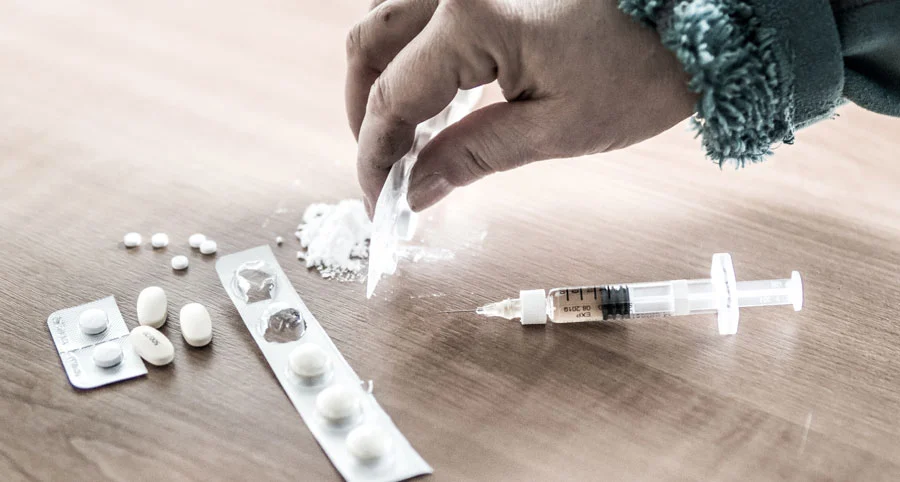
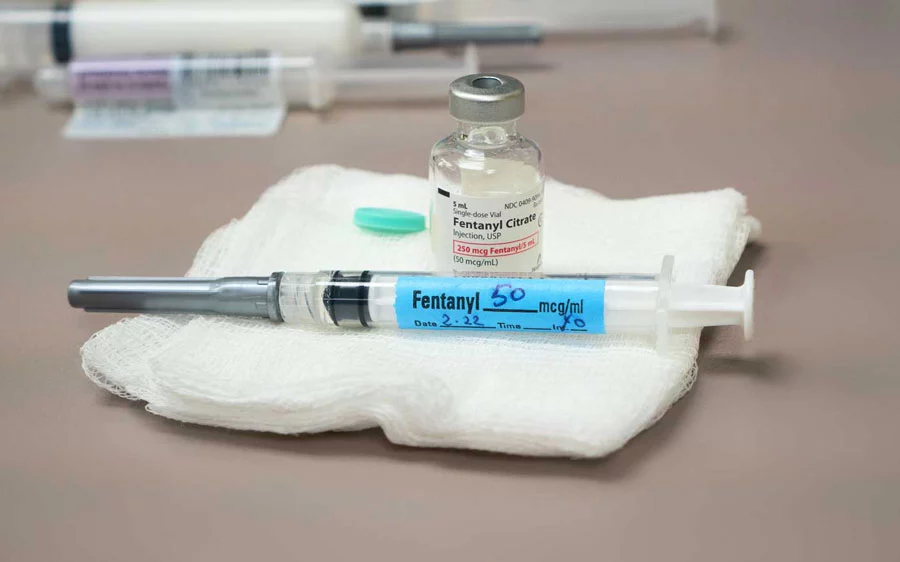
Fentanyl is a powerful synthetic opioid similar to morphine but is 50 to 100 times more potent. It is a schedule II prescription drug, and it is typically used to treat patients with severe pain or to manage pain after surgery. Fentanyl can be prescribed as a patch, lozenge, or injection, and it is also available illegally as a white powder or in pill form. But how long does fentanyl stay in your system? Keep reading and we will cover this in detail.

People who misuse fentanyl by taking it without a prescription or by taking it in a way other than prescribed are at risk of overdose and death. When misused, fentanyl can stay in your system for up to 72 hours.

Currently, this deadly drug is sweeping every neighborhood in America, recently causing a new record high for overdose deaths among users. This marks another year in which the United States has seen record deaths, having bested the previous totals for at least the last half-decade.

Aside from its deadly properties, the average citizen knows very little about fentanyl. One of the most effective ways to mitigate the risks associated with any deadly force is to raise awareness and educate the public regarding different talking points, including withdrawal, dependence, and other essential elements. Let’s look a little closer at what exactly fentanyl is and its effects on the individuals who abuse it.

What Is Fentanyl?

Fentanyl is a type of opioid analgesic, also known as a narcotic. It’s made from the powdered sap of the opium poppy and is mainly used to relieve pain. Because it’s so powerful, it’s often mixed with other drugs or sold on its own. It came into use on the illegal market because it’s relatively easy to produce and sells well on the black market.

At wholesale prices, it’s also much cheaper than street heroin for several reasons. Number one, poppy plants don’t require any waiting period to approach a harvest point. This cuts off a considerable amount of time and ramps up production.

Second, because it’s a synthetic product, there are no limits to the amount of this drug chemists can manufacture. In the past, significant distributors were forced to order the product from China, which was the hub for most of the world’s fentanyl. However, this would all change after the Mexican cartels learned how to manufacture their own product.

Currently, the tyrannical Mexican drug cartels produce fentanyl in our backyard. On border cities throughout the southern United States, just on the other side, are massive labs producing some of the world’s most potent fentanyl. This means there’s an almost infinite supply that dealers can get their hands on. With the expertise of the veteran drug smugglers these cartels already employ, fentanyl flows onto the streets of America uninhibited, with no end to the crisis in sight.

What makes fentanyl so deadly is its incredible potency and how it acts on the brain and body. Miniscule amounts are deadly for the novice user, proved by the swollen overdose death numbers that have surpassed the six-figure mark.

Let’s take a look into the effects of fentanyl from the first-person point of view. How does the user feel after taking a dose of fentanyl?

The Effects of Fentanyl

The Effects of Fentanyl

Anybody who has ever researched fentanyl has probably read a generic list of the effects. However, this doesn’t tell us much about the user’s experience, which is required to gain a perspective on this deadly addiction. From a user’s viewpoint, let’s look at the effects of fentanyl firsthand.

1. Immediately After Injection

The user will feel an immediate rush about two seconds after injecting the drug. After about five seconds, the user develops the feeling of “pins and needles” poking them throughout their body. This feeling results from the receptors responding to the painkilling properties of the drug.

2. Initial Effects

After 30 to 45 seconds, the user will feel warm and sometimes sweat at higher doses. These could also be the beginning moments of an overdose.

3. Peak Period

A wave of euphoria rushes over the user as they begin feeling the peak effects of the drug. Their breathing is slowed down, followed by the heart and other functions of the body. At this point, respiratory depression can take hold because of toxicity, leaving the user in and out of consciousness.

Some users experience nausea and may even vomit because of how the drug interacts with the digestive system. Intense itching ensues for many users and is one of the driving forces of the wounds of many opioid addicts.

4. Coming Down

After the peak period, which usually lasts two to three hours, the user will begin feeling the comedown. They may still be groggy and even fall asleep for an extended period. Some users will experience mood swings, and headaches because of light sensitivity are common.

This assumes the user didn’t overdose during the previous phases of the experience. The chances of overdose are incredibly high, and it’s essential to understand the risks of overdose with fentanyl.

What is the Risk of Overdose with Fentanyl?

Before the fentanyl epidemic, we dealt with the heroin epidemic. Before heroin, we dealt with the opioid painkiller epidemic. These epidemics led to record overdose deaths, but they were nothing compared to the numbers caused by fentanyl.

The risk of overdose with fentanyl is higher than any other drug we’ve ever seen. Most overdose deaths occur in situations where users get way more than they bargained for.

Heroin users purchase a bag of what they think is unadulterated heroin. However, dealers looking to stretch their profits incorporate fentanyl into the mix or, in some instances, replace the heroin with pure fentanyl.

Even a veteran heroin user with what’s considered a high tolerance will quickly succumb to the bad batch of heroin if there’s enough fentanyl included – and it doesn’t take much. For someone not used to injecting or snorting fentanyl regularly, a dose no more significant than the size of a pinch of salt is enough to send them to the point of no return.

One of the significant risks of overdose with fentanyl is its ability to stand up to the overdose reversal drug Narcan. In the past, most users who required Narcan could rely on one dose to bring them out of respiratory arrest and back from the brink of death. Sporadic cases MIGHT have required two doses, but these were only in the case of a massive injection of heroin.

After fentanyl hit the scene, paramedics began noticing something they hadn’t seen before. Overdose victims were hit with Narcan two, three, and four times and still weren’t coming out of the overdose fast enough. It’s not uncommon to hear about fentanyl overdose victims needing five and six doses of Narcan to keep them from dying.

Even homes or individuals who usually carry Narcan aren’t equipped with that many doses – a prepared heroin user might take two or three doses on them in most cases. If individuals in the immediate company of someone don’t have enough Narcan to reverse the overdose effects, the ambulance won’t arrive on time.

Situations like the one described above are a driving factor in dozens of fentanyl overdose deaths each day. What’s being done to mitigate situations like this?

For starters, test strips exist on the market to try and filter out unwanted fentanyl. This may be the most effective approach instead of arresting and fighting a drug war the government can’t win.

Drug Testing for Fentanyl

Instead of choosing to approach the fentanyl epidemic with an aggressive approach, many cities and states are participating in what’s known as harm reduction. Many places already have a needle exchange program, which many people are already familiar with.

Needle exchange programs, which are still controversial in some forums, aim to reduce injury and the spread of disease among IV drug users. These programs consist of mobile volunteers who set up random hubs on different days throughout urban areas, passing out clean needles, Narcan, and other harm-reduction supplies.

Since FTS programs’ inception and widespread availability, some alarming trends have surfaced. An incredibly high number of random batches of narcotics were found to contain lethal amounts of fentanyl – and it wasn’t just heroin.

Batches from marijuana to methamphetamine and cocaine have all been found to contain fentanyl. In addition, several fatal overdose cases are to blame for these drugs containing adulterants, unbeknownst to the user.

These deaths were driving factors in the push to make FTS available whenever drug consumption is possible. Many of the same harm reduction groups that distribute Narcan and syringes have begun adding these fentanyl test strips to their repertoire.

When Will Fentanyl Begin to Show Up On a Test?

When Will Fentanyl Begin to Show Up On a Test

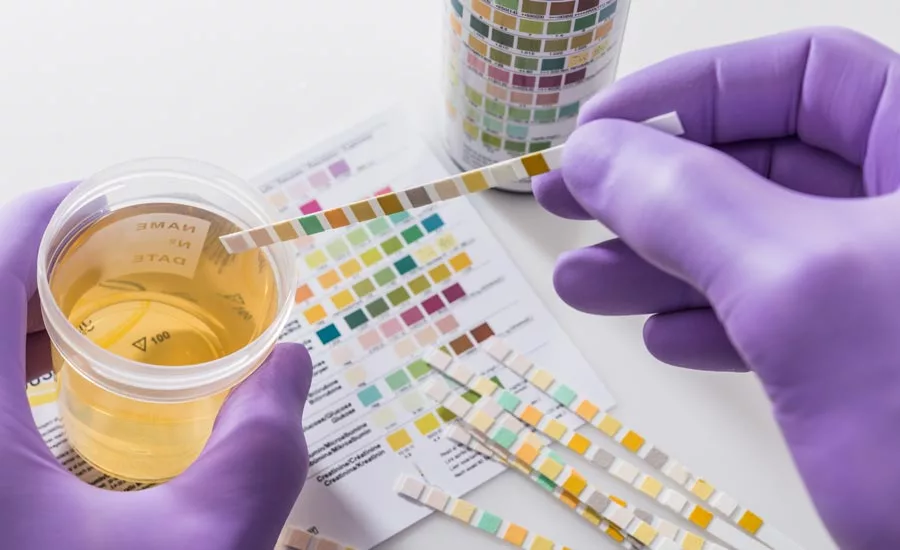
Initially, the fentanyl test strips were designed for use in urine analysis tests for probation and parole officers to use on clients. However, because fentanyl can be added to the standard panel-drug test with other narcotics, the exclusively-for-fentanyl test strips could serve in different ways.

How does fentanyl show up on drug tests compared to other opioids? And does this have any effect on its potency or risk for addiction?

Fentanyl does have a shorter half-life than heroin, morphine, and other opioid drugs. However, this doesn’t relieve the withdrawal symptoms and, if anything drives them to come on faster. How long can a user expect this deadly opioid to stay in the system after ingestion, and how soon does it show up on drug tests.

Fentanyl will begin to show up on a drug test almost immediately. Technically, it could take an hour or two because of the time it takes for the drug to enter all relevant body systems.

Another frequently asked question regarding fentanyl abuse is how long it stays in your system. The answer completely depends on the drug’s half-life, combined with how often the user ingests heroin and for how long.

How Long Does Fentanyl Stay In Your System?

Fentanyl stays in your system for varying lengths depending on the system in question. Blood, urine, hair, and saliva are different times the drug expels itself from the body.

The half-life of fentanyl after IV administration is anywhere from two to four hours. This would make the total elimination time somewhere between 11 and 22-hours. However, it’s essential to remember that this is the time it takes for the body to eliminate fentanyl from the blood.

It takes substantially longer for the body to expel fentanyl from the urine, meaning you can still fail a urine analysis even after the drug exits your bloodstream. Besides indicating whether you’ll pass or fail a drug test, the length of time fentanyl stays in your system is significant in terms of withdrawal.

After the drug is expelled from your blood, you begin entering detox and experience the symptoms of withdrawal. It’s essential to be aware of the fentanyl withdrawal timeline to better prepare for any challenges.

The Fentanyl Withdrawal Timeline

The fentanyl withdrawal timeline is the window when you’ll experience the worst side effects of detox. This period typically lasts between 7 and 10 days, with varying degrees of severity in between.

12-24 Hours After Last Use

You’ll begin experiencing the initial symptoms of withdrawal, including sweating, anxiety, elevated body temperature, yawning, and intense cravings.

Days 1-3

Days 1-3, you’ll begin the gradual increase of the intensity of withdrawal symptoms. This period includes nausea, stomach cramps, vomiting, body aches, insomnia, and restlessness.

Days 3-5

This is often considered the detox process’s most intense period or peak. Symptoms are usually the most severe during this period, with severe anxiety and dehydration becoming real dangers. It’s essential to try and keep liquids down to avoid dehydration and keep your heart rate and blood pressure as low as possible.

Days 5-7

Symptoms begin to decline and trail off until they wear off completely. Throughout the weeks following this stage, you’ll still experience severe insomnia that may cause mental and physical anguish. It’s essential to try to remain active and keep your mind occupied to keep your body somewhat normalized so you can rest.

How Can I Stop Safely Taking Fentanyl?

You can undergo detox and enter recovery from fentanyl abuse in several ways. The least recommended way is cold-turkey or at-home detox.

Several dangers are associated with this form of detox, including elevated blood pressure and heart rate. Complications associated with insomnia can also present challenges. In addition, your chances of relapse are much higher because of the temptation to avoid the pain and discomfort of withdrawal.

Medically assisted detox or medication-assisted treatment for opioids is usually the best course of action when you’re seeking to recover. Both of these, followed by inpatient or outpatient treatment, provide you with the best chances of success.

Medication-Assisted Treatment for Opioids

Medication-Assisted Treatment for Opioids

Medication-assisted treatment for opioids is one of the most popular ways to detox from fentanyl. Several options and programs exist to help users recover, and it’s essential to be aware of all avenues to find out what might work best for you.
Methadone

Methadone treatment includes attending daily dosing sessions at a clinic. You’ll also be required to submit to random drug testing and have once or twice-per-month meetings with a counselor assigned to you by the clinic.

After a few months of continuous participation without failing drug tests, you’ll be allowed to take doses home, earning privileges one day at a time. Methadone is widely considered a successful form of treatment, with the average participation time somewhere around two years. However, the demand for daily participation can be challenging for some clients.

Buprenorphine

Buprenorphine is available at most methadone clinics as an alternative for clients who don’t want to dose methadone. Alternatively, physicians can open private practices and become licensed to dispense buprenorphine. These clinics are under heavy scrutiny and must comply with all regulations laid out by any state and federal agencies.

Any client who receives Buprenorphine from a private physician must return once per month for appointments and prescription retrieval. Regular visits with a mental health counselor are also required as a form of substance abuse treatment.

These, combined with newer, successful treatment programs with holistic options, can be a great way to battle any substance abuse issue using new methods that treat the mind, body, and soul.

Effectiveness of a Holistic Rehab for Fentanyl

Holistic rehabs like Best Rehabs In Arizona Recovery offer fantastic opportunities to enter recovery. We use traditional methods with a modern twist, incorporating things like equine and ocean therapy, including several other good options for the mind, body, and soul.

It’s essential to healing every part of yourself when you enter recovery. Otherwise, you could be in for a setback through relapse. The entire self needs rejuvenation and reanimation, and holistic rehab for fentanyl is the perfect way to experience this refreshing regimen.

If you’re ready for exciting new-age treatment options with traditional effective mental health options, Best Rehabs In Arizona Recovery is waiting to hear from you. Contact a member of our admissions staff to find out how we can help you begin your recovery journey.

Can You Overdose on Cocaine?

Cocaine overdose

The Risks and Consequences of Cocaine in America

Cocaine remains one of the deadliest drugs in circulation in the US. Not only does it lead to untold losses of human life and societal harm, but the fallout of the war on drugs has impacted every corner of modern society. Cocaine overdoses have become prevalent, especially in certain areas. When a person takes cocaine, it speeds up their heartbeat, which is a typical body response to a stimulant.

However, cocaine also creates a rush of dopamine, bringing a feeling of euphoria. This feeling of joy leads many people to use cocaine to such an extent that they endanger their lives. Cocaine can also be found on the streets in a cheaper and more addictive form known as crack. These substances can lead to overdose if taken individually or alongside other drugs.

The Basics of Cocaine and Crack

Cocaine is a white powder derived from a South American plant known as “coca.” Native populations have used the coca plant for centuries to deal with altitude sickness and give a burst of energy and focus. By breaking down these leaves and extracting the active ingredient, drug traffickers create a near-perfect concentration of the stimulant powder. However, the cost of cocaine is prohibitively expensive anywhere outside of South America, making it hard for average drug users to obtain. unfortunately, aspiring drug dealers in the early 90s overcame this limitation by creating a version of the drug known simply as “crack.”

Crack cocaine still contains a significant volume of cocaine, but it is mixed with other substances. Drug dealers combine pure cocaine with water and baking soda to make crack. They mix these and create rocks out of them, which they can then sell for a much lower price than the same weight of cocaine. This drug version was introduced to the US in the late 90s and today makes up the source of most cocaine addictions in low-income neighborhoods. The name derives from the cracking sound the rocks make when the user is smoking them.

Can You Overdose on Crack?

Crack has garnered a reputation for being even more potent and addictive than pure cocaine. Overdoses tend to occur from crack use more often than from cocaine use. Typically, when a person consumes cocaine, their brain speeds up, and their heart rate increases significantly. This rush of blood and the euphoric feeling that the user gets makes them feel invincible for a short amount of time. The euphoria fades quickly, however, and a user wants to chase that feeling again, so they take the drug once more.

Crack overdoses occur because this euphoric feeling doesn’t last as long as the user wants it to. It also requires more crack each time to get the same feeling, leading the user to take larger and larger doses of the drug. Each individual has a different limit that they can handle when it comes to crack cocaine. This limit varies depending on several factors, including body weight and how long the person has been using the drug. However, once the drug reaches a critical point within the body, it will lead to an overdose.

Now, Can You Overdose on Cocaine?

Crack and cocaine share a lot of commonalities, and you can overdose on cocaine just as quickly. Cocaine overdoses usually happen for a similar reason to crack overdoses – the user consumes the drug, gets high, and comes down but wants to recover that original feeling. Cocaine is a typical example of an addictive drug.

When a person takes such a drug initially, a flood of chemicals makes its way into the brain and drives them to the highs of euphoria. The brain adjusts its chemistry to deal with this increased chemical activity, permanently changing its functionality. The person will then have to take more of the drug to get the same euphoric feeling. This adaptation is known as tolerance. The higher tolerance a person has for the drug, the harder it is for them to get high on small volumes. As a result, they take more of the substance and eventually overdose because they crave that feeling of euphoria.

How Much Cocaine Does It Take to Overdose?

How Much Cocaine Does It Take to Overdose

As mentioned before, there’s no standard amount needed for an overdose with crack. Different factors will affect whether a person overdoses on a particular drug concentration compared to other people. In some cases, a few hundred milligrams might be enough to drive a person to arrhythmia and cardiac collapse.

It might be as much as a whole gram (or more) to cause the same response in other cases. People’s metabolism, their body’s ability to deal with toxic substances, and the size and weight of a person all have a part to play in whether they will overdose on a lower concentration of the drug. Older people tend to have a lower tolerance for overdosing, and it requires less of the drug to cause this outcome.

What Are the Symptoms of Cocaine Overdose?

Cocaine overdose can lead to death in the most extreme cases. Luckily, a person can spot the symptoms of cocaine overdose early on and attempt to deal with it before it becomes unmanageable. Cocaine toxicity progresses in three stages:

Stage 1

Stage 1 demonstrates several problematic physical effects of consuming the drug. Among the symptoms that characterize Stage 1 of cocaine toxicity are:

  • Paranoia and Confusion
  • Pseudo hallucination (or visual aberrations)
  • Rapid and erratic breathing
  • Increased heart rate and blood pressure
  • The sensation of spinning or falling
  • Twitching
  • Nausea

Stage 2

The second stage of cocaine toxicity leads to the progression of these symptoms and the presentation of a few others. Some of the common symptoms seen in this stage are:

  • Seizures
  • Brain Damage
  • Irregular breathing or cessation of breathing completely
  • Hyperthermia
  • Loss of bladder control

Stage 3

If a person gets to stage three of a cocaine overdose, their prognosis for recovery is slim. The symptoms that a person is likely to encounter at this stage are:

  • Coma
  • Cardiac arrest
  • Respiratory failure
  • Loss of vital functions

The most severe of these symptoms usually lead to unconsciousness and eventually death.

What To Do During a Suspected Overdose?

It’s vital to remember that time is of the essence in treating a cocaine overdose. The longer a person goes through the symptoms of an overdose, the less likely it is for them to recover. The damage done to a person’s body increases over time, but you can quickly reverse the symptoms and help the person if you catch an early overdose.

In the event of an overdose, the first thing you should do is call 911. Emergency response should be swift, allowing them to save the person’s life. While waiting for the emergency response personnel, keeping the victim calm is essential. Talk to them and engage them but avoid giving them object that they could harm themselves with. The massive rise in body temperature that comes with increased metabolic activity can be managed with a cold compress. If the person manages to survive their ordeal of overdosing, the most vital thing their friends and loved ones can do is arrange for them to enter rehab.

Are There Long-Term Side Effects of Cocaine Use?

The long-term effects of cocaine use are well-documented. As mentioned before, tolerance develops over time when someone uses the drug repeatedly. Alongside tolerance, a change in the person’s behavior is noticeable. They may become erratic and lash out violently at others without warning.

When they are not on the drug, they may experience increased anxiety and convulsions. Occasionally people who take cocaine go on binges, where they consume the drug regularly and in ever-increasing dosages. The result is a potential for overdose and several other symptoms, including restlessness or paranoia. Occasionally, they may even experience full-blown psychosis.

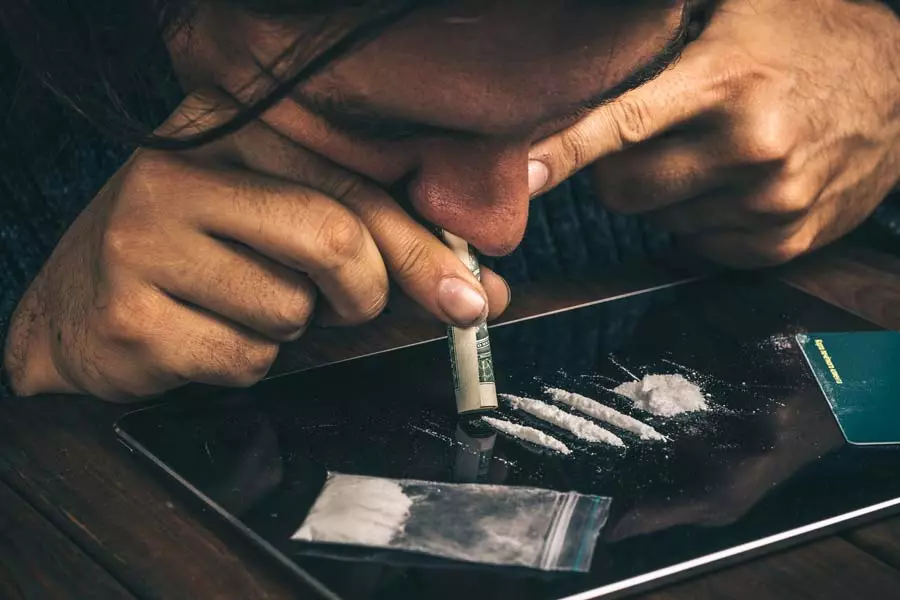
How a person consumes cocaine can also have detrimental effects on their body. Continued consumption of cocaine through snorting can lead to the destruction of nasal cartilage. It also leads to nosebleeds and a reduced sense of smell. Using needles can also damage skin and leave needle tracks that are a telltale sign of cocaine usage. Cocaine is a stimulant, and its usage does lead to a lack of sleep, which translates into a paler complexion and circles under the eyes. As people become addicted to cocaine, they avoid personal hygiene habits, leading to an unkempt appearance.

What are Treatment Options for Cocaine Overdose?

What are Treatment Options for Cocaine Overdose

When someone overdoses from cocaine, the first thing to do is call emergency medical services at 911. However, that’s not the end of the preparation. After calling emergency services, collect all the relevant information they may need to treat the patient.

This information includes drug allergies, pre-existing conditions, and the amount of cocaine the person has taken. If the person’s body starts overheating, use cold compresses to keep their body temperature regular. This approach helps to reduce the long-term damage that such a situation could lead to within the body.

Cocaine overdoses can also lead to a person vomiting. It’s best to lay them on their side while waiting for the emergency medical response. If they vomit in this position, their air passages will remain clear. This position may also help them with their breathing.

Ideally, the patient should be kept in an environment with less chance of harming themselves. Someone should always be with the patient until medical help arrives to ensure that no complications occur. A cocaine overdose needs to be dealt with quickly since the longer it persists, the more chance there is for the person’s body to shut down.

Finding Long-Term Cocaine Treatment Programs

A cocaine overdose occurs when a person has a high tolerance to the drug and has been taking it for some time. Dependency and addiction play a part in overdoses since they lead to a person consuming more of the substance over time. To avoid any issues with overdoses, the best approach would be to find a treatment center to help deal with addiction.

Long-term cocaine treatment starts with detox, then progresses to either inpatient or outpatient care. However, finding a suitable facility to deal with cocaine addiction can be difficult. There are many places a person could go to recover from cocaine addiction. However, not all facilities are the same. It’s essential to look at their quality of care, the cost of their programs, and whether they accept insurance for patients.

Find Lasting Recovery from Cocaine with Best Rehabs In Arizona

Best Rehabs In Arizona Recovery is dedicated to providing quality care to each individual to come to our recovery center. Our professional staff is trained in handling long-term addiction. We’ve dealt with complicated cases, too, including dual-diagnosis. Out detoxification, inpatient, and outpatient programs are adaptable and look at each case individually, requiring a unique approach. If you’re looking for a recovery center that aims to offer a long-term solution to addiction, give us a call today. We’ll walk right beside you throughout your recovery journey.

IOP Programs Denver

Intensive outpatient programs

Attending a Denver Intensive Outpatient Program

Intensive outpatient programs or IOPs are a way for mental health treatment centers to bridge the gap between inpatient and outpatient facilities. An inpatient facility allows patients to stay there for an extended period to deal with their problems. These facilities limit the number of external stimuli that a patient has to deal with, so they can focus on their recovery. Because of this focused recovery approach, inpatient treatment tends to have more success and less chance of a relapse. Inpatient treatment isn’t for everyone, unfortunately. The type of treatment usually requires a person to leave their job or take an extended leave of absence.

The other side of the treatment scale is outpatient treatment. This type of treatment offers more freedom to the patient than inpatient treatment. With outpatient treatment, the patient must show up at a scheduled time to receive counseling and attend group therapy sessions. They don’t stay at the facility, and the onus is on them to make it to their scheduled counseling. Outpatient counseling has the downside that a person still has to deal with their environment and other influences that could lead them to relapse. IOP programs seek to find a middle ground between these two treatment options.

What Is an Intensive Outpatient Program Or IOP?

Intensive outpatient treatment is a treatment program for substance use disorder. It’s a step-down treatment after detox and inpatient treatment. Typically, it lasts for weeks, with visits scheduled for a few days out of the week. IOP can serve as either the primary treatment after detox or a continuing treatment method after a person has completed residential treatment. IOPs are built to be flexible and offer patients the best option for visiting a treatment center within their schedule. Most patients are trying to cope with re-entering the world and holding down a job. An IOP gives them the support they need through therapy while not infringing on their lives.

IOP sessions vary in length, but typically they last between two and four hours long. Most facilities that offer IOPs try to limit them to at least three days a week. More intensive programs might provide additional time, but three days are standard. One of the core focuses of IOP treatment is preventing relapse from external stimuli. Much of the discussion might be around managing the triggers that could lead to relapse and how to cope with those forces. Interpersonal relationships might need to be re-examined to give the person a better chance at staying away from those that might encourage unacceptable behavior.

What Does an IOP Treat?

While IOPs can be used for treating addiction, they can also be applied to an extensive range of mental health conditions. Among the typical cases in that IOP may be used are:

Typical Features of a Quality Intensive Outpatient Program

Not all IOP programs are the same. Some are far better at dealing with disorders than others through their flexibility and how they approach the issue of addiction or mental health disorders. The ideal IOP should feature:

Education Services

Recovering from any disorder requires understanding it fundamentally. A top-class IOP should incorporate education into its regimen. Part of the treatment should discuss how drug and alcohol addiction affects the body and the mind. Relapse prevention starts with recognizing the effects of cravings and how they change a person’s behavior. Intensive outpatient sessions should address practical ways of avoiding relapse.

Psychotherapy

Psychotherapy - IOP Programs Denver

Psychotherapy is one of the accepted methods of treating substance use disorder and mental health over the long term. A good IOP will incorporate family, group, and individual therapy to help recovering people deal with their conditions. Sharing experiences with others, opening up to family, or addressing the direct effects of a person’s mental health issue positively affects their ability to maintain their recovery.

Support Services

Typically, a person is in pretty rough shape financially, legally, and in employment when they enter rehab. The best IOP programs have advisors who can help people recover their financial and social standing while motivating them to continue their treatment. Finding solutions to these problems can help people focus more on improving themselves.

Who Can Benefit from a Denver IOP Program?

Anyone who has had a mental disorder or is dealing with long-term recovery from substance use disorder can benefit from joining an IOP. The IOP is an alternative to inpatient treatment while offering many benefits to outpatient therapy. IOPs do have an ideal candidate for success. A person who wants to undertake IOP needs to fit these criteria:

  • The patient must have completed inpatient treatment or have a mild enough substance use disorder that they don’t need acute treatment.
  • The patient must have a moderate substance abuse disorder.
  • They must not be dependent on drugs or alcohol.
  • They must have a means of support outside of the treatment center since they don’t live there.
  • The patient must be able to get to and from the facility independently.
  • They should be able to commit a significant amount of time to their recovery.

A recovery center would look at a patient’s history and determine whether they fit the ideal patient model before suggesting that they start IOP. Not all patients will match the perfect model of a patient. Since recovery depends on the individual, each person will have their own road to recovery. IOP can help some patients that don’t meet the ideal criteria but are willing to work towards their recovery.

Are IOP Programs in Denver Covered by Insurance?

IOP Programs in Denver Covered by Insurance

Insurance companies are required to cover treatment for mental health disorders. The Affordable Care Act (ACA) requires that all public, private, and group plans offer coverage for mental health treatment. IOP is another type of treatment that can help individuals who suffer from mental health disorders.

Therefore, IOP programs in Denver are covered by health insurance to a particular degree. Consulting with the facility will help you better understand whether your insurance will cover your IOP and to what amount. You may be responsible for meeting some part of the financial responsibility for your treatment, even with insurance.

Medication-Assisted Treatment and IOP Participation

Medication-Assisted Treatment or MAT uses medication alongside therapy to gain results in treating substance use disorder and mental health issues. Evidence from many studies suggests that this might be a viable way of helping some individuals cope with their mental health or substance use problems.

Results have shown that individuals who might otherwise be struggling with recovery have a much better outcome when incorporating MAT into their treatment. The use of MAT has historically been part of many inpatient and residential treatment programs. Introducing it to IOP requires adapting the existing methodology to the intensive program.

IOPs that incorporate MAT offer significant benefits over IOPs that use standard therapy as their go-to approach for treatment. Generally, patients who don’t have acute issues with substance usage are the best candidates for MAT. These patients benefit from being treated in their home environments for their disorders, allowing them a better chance of recovery. MAT raises that chance further by providing them with a way to manage their cravings through medication. Combining therapy with group support through IOP gives a recovering person the social support they need to recover from their disorder completely.

What Are the Features Of Top IOP Programs In Denver?

IOPs are quickly becoming popular because they combine the best of good treatment models. However, not all IOPs are helpful to every individual. The top IOPs in Denver share some similarities, however. Among the traits they display are:

  • Mental Health Disorder Assessment: Determine what mental health disorders the patients are dealing with.
  • Therapy Sessions: Group, individual, and family therapy should all form part of the treatment regimen.
  • Behavioral Health Assessment: How does this mental health disorder affect the person’s behavior?
  • Life Education Skills and Training: A recovering person will have to relearn many basic life skills a person needs when living independently.
  • Teaching Focus Development: Yoga and meditation help balance a patient and get them focused on their recovery.

If you are looking at an IOP and aren’t sure whether it’s right for you, you should objectively examine what it offers. You should be able to get to the location relatively quickly, so you don’t miss appointments. The staff should be welcoming and understanding about your goals. It should also offer you an individual solution to your problem, not a generic fix.

Find Lasting Sober Success with Best Rehabs In Arizonas Now

Best Rehabs In Arizona Recovery provides treatment to our patients with a view to long-term recovery. Our two decades of service have prepared us to deal with all types of mental and substance use disorders. Our staff is trained in helping recovering persons come to terms with their disorders and overcome them. Let us help you deal with your condition. Call us today, and we’ll guide you towards leaving your disorder behind and living your life anew!

Men’s Only Rehab

Mens Only Rehab

Alcohol And Drug Rehab Basics

For persons struggling with alcohol or substance abuse and dependency, a rehab facility can be essential in their journey to sobriety and recovery. Rehabilitation facilities can be thought of as safe spaces with trained medical and psychological staff that offer services to persons trying to overcome addiction. At Best Rehabs In Arizona Recovery in Arizona, we offer a men’s only rehab that allows men to focus on their recovery in an environment specifically designed for success.

These services are all focused on navigating the process of withdrawal from the substance in as safe a way and environment as possible and treating the psychological conditions that may have led to the addiction in the first place.

Substance Use and Abuse Statistics Among Men

Substance abuse affects all genders, but there are genuine distinctions regarding the divide. According to the NIDA, Men and boys over the age of 12 are 11.5% more likely to fall prey to substance abuse than women and girls over the age of 12, who experience this issue at a rate of 6.4%.

When it comes to Alcohol Use Disorder, it is estimated that up to 20% of men struggle with it, versus around 7-12% of women. What does this tell us? There is a not insignificant divide between how “at-risk” men are to substance abuse compared to women. This is not said to diminish the suffering of women or to remove attention from that issue but rather to highlight those men are empirically more at-risk in certain regards, and the problem must be tackled at the root cause.

What are the Risk Factors for Addiction for Men?

Many factors can result in substance use and abuse. There is a misconception that falling prey to substance abuse is a moral failing or a character flaw. It is not. Some of the more common factors that put one at risk of falling into a substance abuse habit are:

Genetics

The literal DNA that makes up your body. Suppose you have a history of substance abuse in your family. In that case, there is a statistically higher probability that you may fall into a habit of substance abuse to some degree or another.

Environment

The surroundings you live within, what you are exposed to, the trauma inflicted upon you in adolescence or at any time really, the coercive influence that may or may not exist upon you. These things make up your environmental experience and can put you at risk for addiction.

Dual Diagnoses

Certain psychological conditions lead to substance abuse as the patient tries to “self-medicate.” Conditions like depression and anxiety are good examples of this particular phenomenon. Dual Diagnosis can also apply to neurodivergent persons. Persons with innate dopamine deficiencies and deficits caused by ADHD are at risk for substance abuse.

Why Choose an All-Male Rehab Center?

Why Choose an All-Male Rehab Center

All-male rehab centers are simply what they sound like – drug and alcohol rehabilitation facilities that cater exclusively to helping men. You might be asking yourself, “Why choose a men’s-only rehab?” We are going to examine some of the benefits of single-gender rehab settings.

  • There is an inherent expectation for men to be “tough” or “resilient” in everyday life. This is rooted in toxic masculinity and is one of the core reasons men are more at risk for certain types of addiction than women. Difficulty in being vulnerable and expressing emotions are two of the core things that make addiction rampant among men. Men-only rehab facilities foster an environment that allows men to be vulnerable and, thus, work through their trauma.
  • Staff at these facilities are specifically trained to manage how men experience addiction and, therefore, rehabilitation. Because men tend to be more goal-oriented and motivated, treatment plans and communication may be tuned more in line to take advantage of this inherent quality to help ensure the success of the treatment.
  • Because the way men specifically experience the world and society is a huge factor involved in their psychological trauma, the methods and practices utilized when delivering therapy would be specifically aware of how difficult emotional vulnerability is for men. Therapists may conduct sessions while walking, for instance, to both burn calories and allow the client to avoid eye contact while expressing emotions and dealing with painful trauma, a thing that, for many men, the world has not prepared them to be able to do.
  • Without the presence of women, you erase the potential of romantic distraction (for heterosexual males seeking treatment in the facility). Aside from this, the company of women may prevent men from being genuinely vulnerable, a critical component for treatment. Reframing emotional vulnerability and therapy as an act of strength and not a sign of weakness can be more difficult if women are around. This might make it more inherently tricky for some men to put down their guard.
  • All-male rehab centers tend to focus on a results-oriented approach. These facilities can help a man open up about himself and become comfortable with others of their gender. It allows them to head in a unique and necessary way that other approaches cannot manage.

These are just a tiny sample of the techniques and considerations that are a part of men-only rehab facilities that specifically cater to treating men going through addiction. The male experience of the world is inherently unique and requires targeted treatment that keeps that unique experience in mind.

What are the Types of Programs Offered at Men’s Rehabs?

At Best Rehabs In Arizona in Scottsdale, our men’s rehab facilities offers a range of services; Addiction is not a one-size-fits-all ailment, so the treatment would not be either. We will detail the various options, but here are some factors to consider. Firstly, there are evidence-based/medical-focused treatments AND what could be holistic treatments. Secondly, treatments or sessions may be individual OR group-based.

Thirdly, as we said earlier, each person and their needs are unique. Finally, treatment can be inpatient for persons who need the round-the-clock observation and support, especially in the early stages of withdrawal, and outpatient, where people don’t stay at the facility but come in regularly for the sessions. Because of this, treatment almost always involves some combination of all of these things.

Evidence-Based Treatments

Cognitive-Behavioral Therapy

Cognitive-Behavioral Therapy

How clients develop and allow negative thinking and poor self-image to dictate their actions inevitably, cognitive-behavioral therapy moves away from harmful thinking toward positive thinking. By doing this, clients typically feel empowered to make more healthy decisions moving forward in their life.

Dialectical Behavioral Therapy

This is very similar to CBT. These techniques examine how a client’s actions can be changed for the better through talk therapy.

Experimental Therapy

Talk therapy is sometimes not enough to address the needs of some clients. Experiential therapy can be helpful in these cases; clients may engage actively outdoors with others, building their team skills, interpersonal dynamics, and problem-solving.

Motivational Interviewing

Clients struggling to overcome indecision and uncertainty can sometimes be helped by these methods. It can significantly aid in being motivated to take action by establishing and accomplishing positive goals.

Trauma Therapy

Psychological trauma is one of the significant contributors to men using and abusing substances to escape mental and emotional pain. A key component of proper recovery is learning healthy ways to process and identify the trauma’s effects on their lives. By working with compassionate counselors and therapists, clients can learn to identify triggers and deploy healthy coping mechanisms.

Psychotherapy

Psychotherapy is the basis of nearly all talk therapy. With this method, clients work one-on-one with a counselor or therapist to discover the underlying issues that have impacted the client and led to their fall into abuse and addiction, to begin with. Substance use disorder is often a symptom of deeper psychological issues that have yet to be addressed. These issues are consciously or unconsciously being ignored or self-medicated in an attempt to deal with them and cope. In a comfortable and safe setting, clients can develop a personal relationship with their therapist and work through the issues to overcome substance abuse and improve their overall mental health.

Holistic Treatments

Yoga Therapy

As a practice, yoga offers many unique therapeutic advantages. The techniques help clients engage in the yoga therapy that teaches them how to control their bodies and be capable of expelling stress, anxiety, and other negative emotions when they are confronted by them.

Mindfulness and Meditation

Meditation focuses the client’s attention on being as present as possible at the moment. By enhancing one’s awareness of themselves as an intimate part of the world around them, clients can better understand their motivations and actions and those of others. As a practice, meditation teaches clients to limit dwelling negatively on the past or becoming too obsessed with the future.

Art and Music Therapy

Art and music therapy allows clients to explore their creativity and experience the healing aspects of these practices. Metaphor is a highly effective tool for working through issues. Journaling is a well-noted practice with many benefits. Learning new hobbies and skills is inherently fulfilling for humans. Simply consuming and appreciating works of art can allow clients to develop positive psychological perspectives of themselves and their issues.

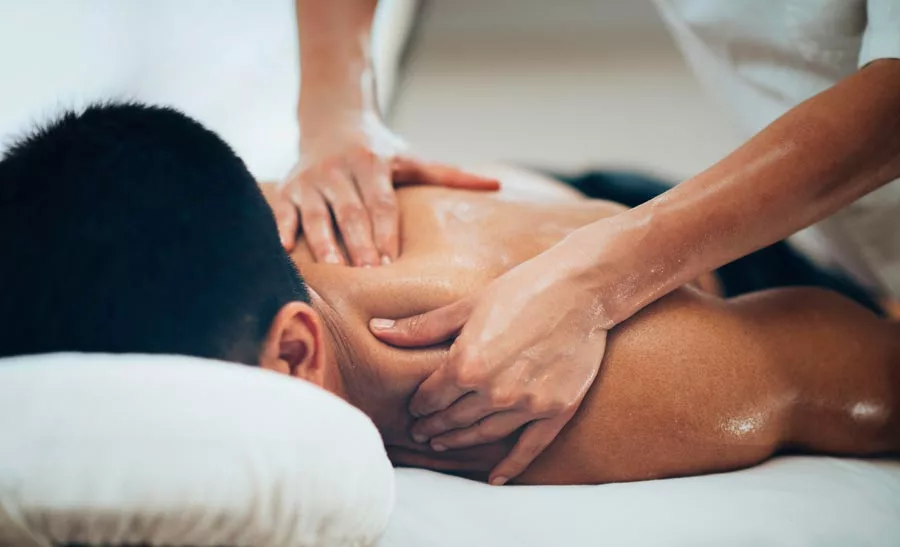
Massage Therapy

Massage Therapy

Touch therapy can be beneficial in managing overall health and wellness. As the body’s soft tissue is manipulated, many clients find that there is a release of tensions in their body and that this goes quite a long way towards aiding in reducing stress and anxiety. Thus, they are in a better position to explore and progress through the work of treatment.

Privacy And Confidentiality at Men’s Treatment Programs

For anyone struggling with substance abuse, one of the worst aspects is the shame, stigma, and judgment attached to both being an addict and, paradoxically, seeking treatment. Patients may be concerned about whether or not the fact that they are being treated would be in danger of being publicly disclosed.

Fortunately, HIPAA laws exist and are enforced to protect citizens’ information. Rehab centers must comply strictly with this standard. All staff at men-only rehabs must follow the same rules and regulations as any family doctor. No one on the team is allowed to share information about your case unless your express consent is given or unless the situation necessitates the release of information, such as in a medical emergency where providers need certain information to treat you.

Does Insurance Cover Men’s-Only Rehab Treatment?

Rehabilitation can be an expensive process. If the client needs complete inpatient care, the out-of-pocket costs can skyrocket even higher. However, many clinics accept insurance to completely or significantly cover treatment costs. Medicaid and Medicare are two national options that many facilities do accept. Keep in mind, though, that this is a thing that differs from center to center, and it is essential to check with the individual facility to ensure that the insurance you (or a loved one) are interested in using is accepted.

Searching for ‘Men-Only Addiction Treatment Near Me’

The internet has changed how people discover resources. One of the top Google searches around the particular topic of getting help for substance addiction is “finding men-only treatment near me in Arizona.” This tells us that many people are trying to find help AND that the internet is an incredible tool for delivering that information. A quick search will give you many options to explore for treatment. It is a matter of finding facilities with high success rates where their reputation precedes them, such as the programs for men at our facility in Arizona.

Find Lasting Addiction Recovery for Men at Best Rehabs In Arizona\'s Arizona

At Best Rehabs In Arizona in Scottsdale, AZ, we have over two decades of experience treating and rehabilitating persons struggling with substance abuse and addiction. Our expert medical team works with you to help you navigate the entire process of detoxing through to healing from the psychological trauma that led to the addiction in the first place.

A truly sober, happy, and fulfilling life is the ultimate goal for every client that comes to us for help, and our results speak for themselves. If you or someone you know is struggling with substance abuse issues, please know that there is hope. Contact us today for more information or a consultation.

Signs Of Stimulant Abuse

Signs Of Stimulant Abuse

What Are the Most Common Stimulant Drugs?

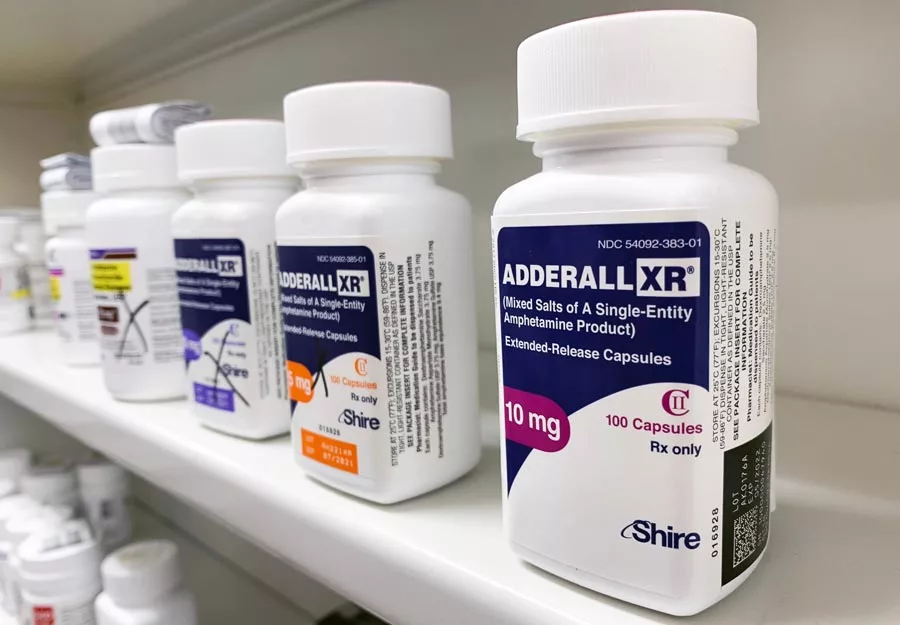
The word “stimulants” describes a category of drugs and substances that affect the body and mind in unique ways. Within this broad classification, there are several further sub-categories. Prescription stimulants are frequently prescribed to persons for legitimate medical reasons by licensed and certified medical practitioners. It is considered unlawful to possess those substances within this category without a valid license (e.g., a prescription). Common examples of some of these are Adderall, Ritalin, and Methylphenidate. These substances are used for treating conditions like ADHD.

Then, some stimulants drug are outright banned and illegal. These substances cannot be prescribed medically, are strictly controlled, and carry heavy penalties. Examples of these drugs are cocaine, methamphetamines, and MDMA.

Finally, some substances aren’t controlled and can be possessed and consumed by anyone. Substances like caffeine (commonly found in coffee and sodas) and nicotine (in cigarettes and vape liquids). Caffeine isn’t a controlled substance, but cigarettes and vape products aren’t legally accessible to persons under the age of 18.

What Are the General Effects Of Stimulant Substances?

One of the essential things to know about stimulants is that they are addictive, habit-forming substances. The mind and body become dependent on them over time and start to, in a sense, “need” them to function. You might be asking, “How does this work?” In general, all stimulants operate via the same principle, and thus, all have pretty similar effects on the brain. Stimulants trigger an increase of dopamine in our brains. Dopamine is a chemical that acts as a “feel-good messenger.” What does that mean? Motivation, focus, mood, and decision-making are aspects of the human experience dictated and influenced heavily by dopamine levels. Dopamine runs our brains’ pleasure and reward centers, so persons consuming stimulants experience elevation to better moods, more motivation, focus, and more.

The only significant difference in the general effect stimulants have across the different categories is the increased degree to which dopamine is released. Coffee and nicotine have probably the mildest effect of them all, whereas outright illegal substances result in excessive dopamine levels in the brain. Controlled and prescribed substances like Methylphenidate are designed to help persons with ADHD. They have difficulty naturally producing dopamine to become more functional closer to a neurotypical experience. Prescribers monitor the usage of the substance in medical cases until the desired result is achieved. Misuse of these substances leads to a buildup and tolerance in the system, leading to higher and higher dosages and deeper addiction.

What are the Side Effects of Stimulant Abuse And Dependence?

One experiences many side effects due to the misuse and abuse of stimulant substances. These side effects can be experienced both within the immediate and short-term and over the long-term. Remember that one can experience adverse side effects from all stimulant substances. (Overconsumption of coffee, for instance, will undoubtedly lead to negative impacts). It’s also important to note that the body’s dependence on stimulants will result in withdrawal symptoms when deprived of said stimulant. The short-term side effects of usage and withdrawal can coincide with significantly more uncomfortable withdrawal symptoms. With illegal, banned or misuse of prescription substances even, the side effects will be much more pronounced.

Short term side effects can range from:

  • High blood pressure
  • Excessive sweating
  • Elevated heart rate and breathing
  • Irregular heartbeat
  • Elevated body temperature
  • Vomiting
  • Poor diet
  • Nausea


Side Effects of Stimulant Abuse

Long-term side effects of stimulant abuse are even more concerning because, depending on the severity, the misuse can have far-reaching consequences for the person many years later. Some examples of long-term side effects are:

  • Anxiety
  • Depression
  • Psychosis
  • Blood vessel damage
  • Kidney damage
  • Lung damage
  • Elevated stroke risk
  • Elevated heart failure risk


How Can I Tell the Signs Of Stimulant Abuse?

Nobody wants to lose a loved one to the spiral of addiction. It is a destructive habit that can harm and even destroy the lives of everyone touched by it. That is why recognizing the signs of any form of stimulant misuse is so vital. Often, the best way to discern that someone may be misusing stimulants would be to look for critical behavioral changes. KEEP IN MIND that not all behavioral changes are a surefire sign of stimulant abuse! Mental health issues like depression can cause behavioral changes. It is also essential to keep in mind that accusing someone of being a drug addict is never the way to address it.

At best, your hunch is correct, and the person will double down on their attempts to hide the habit from you. At worst, your hunch is wrong, and you have now caused psychological and emotional damage to a person already in a place of struggling. Suppose you suspect someone has a stimulant abuse issue. In that case, the cornerstone of all efforts should be free of judgment and full of empathy and care and the engagement of professional sources on how to handle it tactfully.

That being said, here are some of the more common behavioral changes that someone may be misusing stimulants:

  • You come to discover that they are stealing or forging prescriptions.
  • They are taking doses higher than prescribed without authorization.
  • They become easily hostile and experience excessive mood swings.
  • Their sleep habits have changed, either increasing or decreasing in amount.
  • Decision-making is uncharacteristically erratic.
  • Overall personality changes (overly euphoric/energetic/sedated).


Is Stimulant Abuse Dangerous?

Addiction to stimulants can be dangerous. For some people, it is even fatal. The recent overdose deaths of two Arizona college students who were sold counterfeit Adderall (laced with meth) highlights yet another danger of this class of drugs.

It should not be underestimated just how profound, tragic and aggressive a situation it can descend into. Everyone is urged to exercise caution with any types of controlled substances, stay away from illegal stimulants, and be measured and moderate with the usage of caffeine and nicotine in general.

Does Stimulant Abuse Cause Withdrawal Symptoms?

In short, yes. This was discussed in detail above, but in essence, stimulants are addictive substances. As a result, the body experiences a withdrawal phase when deprived of it. This phase can include experiencing symptoms like fever, nausea and vomiting, light sensitivity, stomach pains, cramps, muscular pain, excessive sweating, and hallucinations, to name a few.

Finding Help for Stimulant Abuse is Possible

If you or a loved one are experiencing an addiction to stimulant substances and would like to regain control, autonomy, and agency over your life, there is hope. When it comes to stimulant abuse and treatment, a proper healthcare provider with programs specifically formulated and focused on rehabilitating persons experiencing substance use disorder is critical. The internet is usually an excellent tool for finding quality options.

For instance, a quick Google search for “Colorado stimulant addiction treatment centers” yields a wealth of information. By researching the history, success stories, and reputation of a facility, you can usually discern the general quality of care one can expect. Some factors to keep an eye out for when considering a facility or program are the qualifications of the staff, the accreditation status of the facility, the extent of their financing options, as well as whether or not they take each patient as a unique individual that not only deserves but requires a bespoke plan of treatment to ensure the highest chance of lasting sobriety. A good rule of thumb is that an exceptional facility will usually have a reputation that precedes it.

What are the Features Of Treatment for Stimulant Addiction?

Treatment for Stimulant Addiction

Stimulant addiction is a condition that requires a multi-stage, bespoke plan of action. Each person is unique. Their experience of addiction is unique, as are the specific circumstances and factors that led them to fall into the habit in the first place. For this reason, a good facility will work to figure out just how each phase of treatment should be handled for each person. There are, however, some broad stages that the treatment of stimulant abuse travels through:

  • Detoxification – When the body is deprived of the substance, it will invariably rebel. This phase is painful and uncomfortable and requires clinical staff and observation to reduce discomfort as much as possible.
  • Medication-Assisted-Treatment (MAT) – A combination of therapy and medication, MAT is used by pairing FDA-approved drugs that have been proven to help people overcome addiction. This can be cautiously employed on a case-by-case basis, depending on the severity and nature of the case.
  • Dual-Diagnosis Programs – Addiction is often one of the conditions a patient may be suffering from. Things like anxiety and depression may also be playing their roles in their pain. The addiction itself may be a symptom or result of the initial condition that the patient fell into due to trying to self-medicate. A good facility will be aware of this possibility and screen for it in their initial consultation.
  • Inpatient Care – Depending on the severity of the case, the patient may need to stay at the facility around the clock to be monitored, administered therapy, and other treatments deemed necessary for holistic recovery. Inpatient care can be expensive, but it has a very high success rate. Patients that undergo inpatient care are kept away from negative influences in the outside world until they can deal with them.
  • Outpatient Care – For cases less severe or severe cases that have de-escalated sufficiently, outpatient care may be the move. This involves the patient coming into the facility on a scheduled basis for treatment sessions as appropriate but not residing at the facility. Outpatient care is typically less costly than inpatient care. The downside is that patients are constantly exposed to the same stimuli that led them into addiction in the first place.
  • Aftercare – Don’t make the mistake of considering aftercare an afterthought. This is a critical, non-optional part of lasting recovery. This element involves many components such as skill-building, group therapy, community support, and more. This phase focuses on bolstering and sustaining the patient’s sobriety as they step into a new life free of the substance’s hold over them.


Find Lasting Recovery from Stimulant Addiction at Best Rehabs In Arizona

We have over 20 years of expert experience in treating and rehabilitating persons struggling with addiction and stimulant abuse issues. Our facility is staffed by full-service teams comprised of qualified, expert medical and holistic care professionals who are ready and willing to work with you as you navigate the entire process of recovery and rehabilitation; from detoxing to healing from the psychological trauma that likely caused the addiction, to the critical Aftercare process that empowers our patients and prepares them for life on the other side of substance dependency.

A happy, fulfilling, and engaging life is our ultimate goal for every person that walks through our doors, and we have the track record to back that up! If you or someone you love is struggling with an addiction to stimulants, know that hope exists. Contact us today for more information or a consultation!


Chronic Relapse Treatment Center

What is Chronic Relapse

The Cycle of Addiction and Relapse

For many individuals who suffer from substance abuse disorder, the rehabs they enter can end up becoming revolving doors. The constant cycle of recovery and relapse cycles over and over in a seemingly never-ending battle for sobriety.

What makes the situation more frustrating is the inability to pin down why the relapse keeps happening. The motivation to recover is present, and the effort is put in each time – it’s difficult to remain in recovery after a few weeks or months after graduation.

This would just be attributed to a lack of discipline or motivation in the past. However, many experts believe it points to an underlying mental health condition or a specific set of symptoms that manifest this behavior.

It’s known as chronic relapse, and it’s actually a very common occurrence in many present-day rehab participants.

What Is Chronic Relapse?

In order to understand chronic relapse, first, consider temporary relapse. Temporary relapse occurs when addicts experience a setback related to their recovery process — losing housing, getting fired from a job, or having an argument with loved ones.

After experiencing a period of stress or difficulty, most people bounce back into their normal routines of substance abuse. They temporarily lose their motivation to stay clean or quit drinking.

However, if the crisis persists, then it becomes a chronic relapse. A person suffering from chronic relapse experiences regular periods of craving, increased tolerance, negative mood swings, compulsive behavior, poor performance at school or work, and/or legal troubles.

Short Term Addiction Treatment and Relapse

Those who successfully complete detoxification and enter residential rehab programs tend to remain sober longer than others. On average, recovering heroin users spend less than six months living in halfway houses before returning home.

Yet many individuals who suffer from chronic relapse will fall off the wagon just a short time after returning home. This could be because the initial time in inpatient treatment wasn’t enough for them.

Once patients leave rehabilitation, they must rely solely upon themselves to deal with triggers and temptations. If adequate education and treatment wasn’t received during their stay in rehab, they’re left unprepared for entering the real world again. If left untreated, chronic relapse can lead to further deterioration.

What is the difference between a chronic relapse treatment center and a traditional rehab facility?

What Is a Chronic Relapse Treatment Center?


For individuals who frequently suffer from challenges associated with relapse, regular rehabilitation facilities that offer the typical 30-day program clearly aren’t enough. The resources available at a normal treatment center and a facility that specializes in this issue can be more accommodating.

By definition, a chronic relapse treatment center is a facility that provides care 24 hours a day in a non-hospital environment. The planned length of stay in these facilities is typically anywhere from six to 12 months.

Chronic relapse treatment centers normally include the following elements as part of their treatment plans:

  • Helping clients stay active and healthy through participation in exercise or sports
  • Preparing balanced, healthy diets high in whole grains, fruits, vegetables, and minimally processed foods
  • Various stress management techniques like yoga or mediation
  • They offer substance abuse and mental health resources to break the constant cycle of relapse

Personalized Treatment to Combat Chronic Relapse

What Is a Chronic Relapse Treatment Center

There is also a distinct outline for treatment offered to clients in chronic relapse treatment centers. Personalized treatment plans contain elements of each of the following:

  • Evidence-based treatment that’s proven to work long-term in an inpatient setting
  • Various options for customized care plans that include dual-diagnosis treatment
  • Continued support and sober living home options for structured rehab during aftercare
  • Continued resources for group recovery meetings during post-care treatment

Facilities that specialize in chronic relapse often include a softer, more accommodating touch that provides more of a home-like environment. Many people consider these facilities as “upscale” or “extravagant.” However, there is just more attention put into the need for the client’s appropriate environment.

Different people require different elements and environments to promote long-term sobriety. Research has shown that individuals who suffer from chronic relapse often require a more intimate, personal environment.

In order to identify the presence of chronic relapse, you must understand the signs and symptoms of this condition.

Signs and Symptoms of Chronic Relapse

There are specific signs and symptoms that identify the presence of chronic relapse. These symptoms include the following:

  • They are glamorizing the use of their drug of choice. This may include the individual sharing fond memories of past substance abuse.
  • The individual believes they can use again without any negative consequences
  • They may become increasingly isolated
  • They may stop participating in their 12-step recovery meetings
  • They stop pursuing interests that were a part of their recovery plan
  • They may begin to doubt how effective their initial treatment plan is/was

Identifying these signs could make it possible to prevent relapse before it happens. Do you know the differences between emotional, mental, and physical relapses?

Emotional, Mental, and Physical Relapse

Emotional, Mental, and Physical Relapse

To understand chronic relapse, you must understand how normal relapse takes place. It doesn’t happen overnight – in fact; it happens in three distinct phases.

Emotional Stage

The emotional stage includes the individual experiencing anger, stress, sadness, depression, or any wide range of intense feelings. Initially, the user may not think about using. However, when these feelings aren’t dealt with and processed in a healthy manner, individuals will progress to the next stage.

Mental/Craving Stage

This is the mental warning sign of an impending relapse. Users may find it difficult to stop thinking about using at this point and continuously play the process of using it repeatedly in their minds.

Physical/Engagement Stage

At this point, the user physically engages and enters relapse. The user put themselves at high risk of addiction once again by continuing to relapse. The urge to use again will be quite intense with each subsequent relapse, and it’s easy to fall back into habitual use.

Now, what about the stages of chronic relapse?

What Are the Stages of Chronic Relapse?

The stages of chronic relapse aren’t dissimilar to normal relapse. However, they take place over an extended period and include several more mental steps and contemplation. Below is an example of the stages of chronic relapse.

Precontemplation

During this stage, individuals aren’t necessarily contemplating using drugs or drinking alcohol. However, thoughts of past use may circle around in their heads. They may dream about using drugs or give too much thought to reliving their past or remembering what drug use felt like.

Contemplation

During this stage, individuals are actively contemplating using drugs. They may go back and forth in their head, arguing with themselves or trying to rationalize why it would be okay to use drugs at this point.

Rationalization

After making the decision to move forward with using, individuals will attempt to rationalize their decision to themselves. They’ll use excuses like, “well, I’ve been sober for a while, so I won’t become addicted again.” Another famous excuse is, “I’m only going to use this one time, and I won’t get high after this.”

Relapse

During this stage, the user actively engages in relapse. They will obtain their drug of choice and proceed to get high. The results after this stage vary but often include the same sentiment among all users.

Remorse

The remorse stage includes the individual expressing guilt about using. This will include a period of depression and withdrawal from society, family, and friends. It’s often these feelings of guilt and negative emotions that trigger subsequent use. Individuals are unable to properly handle or process these emotions, so they turn to further drug use to avoid dealing with them.

After this stage, uses go one of two ways. They either choose to seek help immediately or fall back into regular use.

Regardless, once the user comes back to terms with the fact that they need more help, they enter the acceptance phase and must go through the detox, withdrawal, and treatment process all over again.

Individuals who suffer from chronic relapse end up wasting large chunks of their lives on this condition. Each time they cycle through relapse, treatment, recovery, and back into relapse, you’re looking at anywhere from six to nine months of hard work and progress erased each time.

Why Do People Relapse Frequently?

Most people think relapse involves going right back to exactly the same way of thinking, and doing that got them hooked in the first place. But research tells us otherwise.

Even though a person may engage in harmful activities, he or she won’t develop true addiction unless certain personality traits come into play. Addiction researchers used to refer to these characteristics as vulnerability factors but now call them risk markers.

Risk markers occur early in development and indicate susceptibility to developing addictive tendencies later in life. People whose genetic makeup includes specific variations in dopamine genes, for instance, are believed to be predisposed to alcoholism and substance abuse issues. Researchers have identified dozens of similar risk markers.

Risk markers vary from individual to individual, but the following are typical warning signs that someone could develop issues with chronic relapse:

  • Lack of strong bonds with parents
  • Unstable childhood
  • Low self-esteem
  • Poorly developed conscience
  • History of trauma or neglect
  • Psychological instability
  • Impulsivity
  • Hanging out with the wrong groups of people
  • Lack of education regarding triggers and relapse, or substance abuse in general.

Some experts suggest that anyone exhibiting four or more of these qualities identify the chance for chronic relapse.

Who Benefits from Chronic Relapse Treatment Plans?

Although chronic relapse can happen to anyone, certain segments of society exist that may have a higher risk of developing this condition. Individuals with any of the following situations benefit the most from relapse treatment plans:

  • Anyone with stressful events going on in their lives (health problems, unemployment, rocky relationships, etc.)
  • Underlying mental health conditions
  • Any victims of childhood sexual, mental, or physical abuse
  • Genetic history of substance abuse or alcoholism
  • A lower amount of dopamine receptors compared to the average number
  • Anyone who displays the traits of having an impulsive or addictive personality
  • You have fewer dopamine receptors compared to the general population

When individuals aren’t educated on any of the issues listed above, their chances of chronic relapse increase significantly. It’s important to seek treatment and craft a chronic relapse prevention plan.

Crafting a Chronic Relapse Prevention Plan

When people relapse chronically, it’s harder to pull themselves out of the cycle of unhealthy choices. Finding effective ways to cope with stressful circumstances helps reduce the likelihood of falling back into old habits. To break a pattern of relapse, clients must implement the following strategies into their relapse prevention plan:

Identify Triggers

Identifying triggers can help pinpoint moments when urges arise. Triggers can range from environmental stimuli to emotional states. Common triggers include boredom, anxiety, depression, loneliness, anger, frustration, and impatience. Learning to manage these triggers effectively can significantly decrease the chances of relapse.

Learn Skills That Promote Mindfulness

Mindfulness refers to the ability to focus attention internally instead of dwelling on external distractions. Practicing meditation and breathing exercises can increase awareness and lower stress levels.

Set Goals

Setting realistic goals that coincide with your values can boost self-confidence and motivate you to stick to your plans. Create actionable steps toward achieving your objectives and write your own success story!

Hold Yourself Accountable

Admit when you made a mistake and act immediately to correct it. Don’t blame others, and don’t dwell on regret. Take accountability for your actions.

Long Term Treatment and Long-Term Recovery

Long-term treatment leads to long-term recovery. Individuals who suffer from chronic relapse commonly need much longer stays at the inpatient facility of their choice.

The more education and counseling a client receives, especially in the right environment, the chances of avoiding relapse during the long-term increase significantly.

Lasting Recovery with a Chronic Relapse Treatment Center

At Best Rehabs In Arizonas, we’ve helped many clients achieve recovery from chronic relapse challenges. Our state-of-the-art facilities are comfortable and conducive to long-term comfort, which clients need for long-term residence for chronic relapse.

To find out about our specialized treatment plans for chronic relapse, contact a member of our admissions team today!

Gas Station Dope

Gas Station Dope

Over the Counter Drugs… from a Gas Station

In the world of illegal narcotics, there are always designer drugs and research chemicals that make their way onto the scene. Many of these are completely unheard of by the FDA and squeak by for a while under the radar.

Many of these gain popularity through individuals who are on probation and still want to catch a buzz without failing a drug test. Normally you can find these substances in gas stations, and while most of them come and go – some have gained immense popularity and, many times, become notorious for being extremely dangerous.

Examples of these fad substances include spice, K2, and bath salts. Each of these was sold at gas stations and smoke shops – all of them were on the news for the wrong reasons.

Ultimately, all of these substances were banned, and gas stations that continued to sell them ended up being raided and fined. Normally these substances disappear, but not without doing considerable damage.

This craze’s latest offering is Tianeptine, a supplement being sold in gas stations and has similar effects as heroin and other opioids. It also causes nasty withdrawals and has been banned in several states. People are calling it “gas station dope,” and here’s what you need to know about it.

What Is Gas Station Dope?

What Is Gas Station Dope

Just because a product is easily available doesn’t mean it’s safe for use. This is especially true when it comes to gas station supplements.

Tianeptine is a perfect example of this, posing serious health risks and possibly leading to death. This substance is not FDA approved for any medical use whatsoever. Despite this, many of the manufacturers are illegally marketing this product as a solution to opioid use disorder, depression, and pain.

This substance is normally marketed as Coaxil – an atypical drug used for antidepressant purposes in Europe and Asia. As stated earlier, this drug is not approved by the FDA and is considered an unscheduled agent as of now.

Studies have shown that this drug has an opioid agonist. There have been multiple cases of negative effects and even deaths because of recreational abuse.

Emergency calls placed regarding this substance included cardiovascular, gastrointestinal, and neurological side effects. Callers also experienced symptoms similar to withdrawal after discontinuing long-term use.

In the United States, reports of negative reactions and unsavory effects involving this drug are increasing. The Poison Control Center fielded only 11 cases between 2000 and 2013. However, in 2020 alone, over 150 cases were reported.

Is Tianeptine Legal In the US?

Currently, Tianeptine is only illegal in two states. It’s considered an unscheduled substance with no medical use by the FDA, which is basically stating the verdict is still out.

Michigan and Alabama are the only two states to ban this substance so far. In both states, Tianeptine is considered a Schedule II drug. Schedule II drugs are considered substances with a high potential for abuse, having the ability to do severe psychological and physical damage.

What Are the Effects of Tianeptine?

Most users report the effects of Tianeptine to be similar to an opioid high. Many users indicate the drug causes anti-anxiety and antidepressant properties, with mild euphoric effects.

It activates the body’s opioid neurotransmitters and potentiates dopamine. In high doses, it’s possible for this drug to cause deep sedation and even overdose leading to death.

When combined with other substances like phenibut, benzodiazepines, and opioids, it can cause drowsiness, difficulty breathing, and confusion. There have been multiple reports out of Europe, where the drug is more popular, of hundreds of withdrawal cases being considered more severe than those of opioids.

Because of all of these characteristics, it may be easy to identify individuals who abuse this substance.

Signs of Tianeptine Dependence

Individuals who abuse Tianeptine may show effects similar to opioid abuse. These signs include:

  • Frequent drowsiness
  • Confusion
  • Sleeping more than usual
  • Pinpoint pupils
  • Frequently nodding out

When users run out, they’ll also display signs of withdrawal.

Does Tianeptine Cause Withdrawal?

Users have reported severe withdrawal symptoms with this drug. Many consider these symptoms to be even more severe than opioids.

Each year since 2013, cases have increased. As of last year, there were 251 cases reporting either adverse side effects or withdrawal. The increases reported are similar to the same trends as other similar drugs like Kratom, bath salts, and spice.

Kratom and Other Forms of Gas Station Dope

Kratom and Other Forms of Gas Station Dope

Kratom is known to cause withdrawal symptoms like opioids as well. This natural supplement is one of many substances to make its rounds through the gas station circuit, being marketed as an alternative to popular street drugs.

Some of these other drugs include:

Bath Salts

Bath salts are a ‘research chemical’ similar to methamphetamine. However, the negative results produced were much more severe. Users ended up in a zombie-like state, with several cases of murder and grotesque self-mutilation being reported. These substances were banned from the market and made illegal in the United States.

Spice/K2

This substance was marketed as an alternative to marijuana, advertising a similar relaxed high. However, many users reported negative side effects that included intense psychoactive properties leading to hallucinations. This drug was also taken off the market.

Salvia

Native American tribes have used this herb for years as a religious sacrament. It has extremely high psychoactive properties and leads to hallucinations and other harmful side effects. Salvia was taken off the market but is still widely traded on the black market along with psychedelics like LSD and psilocybin mushrooms.

Medical Detox for Tianeptine and Kratom

In many cases, the best course of treatment for recovery from substances like these is medical detox. Whenever detox causes intense physical withdrawal like opioids, completing the process can be difficult because of the discomfort.

However, medically-assisted detox provides constant monitoring by a professional staff and certain medications to ease the pain and discomfort caused by withdrawal symptoms.

The response from Tianeptine to this form of treatment may be similar to that of medication-assisted treatment and opioids. However, because of the relatively limited information regarding the detox process, it’s hard to recommend a concrete regimen. This is especially true considering there are no official research or case studies done on the drug.

Out of the cases that have been studied, the methods used for opioids HAVE proven effective in the treatment of withdrawal and detox from Tianeptine. Other medications may be used to mitigate the intensity of withdrawal symptoms, such as clonidine and antidepressants.

Is Long-term Recovery from Gas Station Dope Possible?

At Best Rehabs In Arizonas, we’ve dealt with many cases of rare designer drugs and research chemicals causing harm to clients. With attention to past case studies and a careful approach led by our expert medical team, long-term recovery is possible from substances like Tianeptine.

We’ll craft a personalized care plan that works best for you and help you prepare for life after treatment. For more information on how we can help you break the chains of substance abuse, contact a member of our admissions staff.

Cocaine Overdose Symptoms

What is the Symptoms of Cocaine Overdose

GLOSSING OVER THE DANGERS OF COCAINE

Even in Hollywood, where the crudest, depraved, and most unacceptable activities are glorified, most hard drugs are presented in a negative light. We have seen this time and time again when it comes to heroin in movies like “Requiem for a Dream” and meth-using movies like “Spun.”

However, no matter where you look, as one of the most infamous drugs within the addiction community, cocaine always seems to be a glamorized substance. However, those who have battled cocaine abuse and won would end up telling you differently.

This is what makes cocaine such a dangerous drug. Especially in today’s society, where news of opioid and meth overdose deaths are dominating the headlines, cocaine is quietly being overlooked despite the various negative effects it can have on a person’s life.

If left unchecked, this lack of awareness can lead a whole generation of young people into the hands of substance abuse. The bottom line is, there just is not enough awareness regarding the dangers of cocaine abuse, specifically when it comes to the risk of cocaine overdose.

HOW DOES COCAINE AFFECT THE BODY?

Derived from the Coca plant native to South America, cocaine is a very powerful and highly addictive drug due to its effect on the central nervous system. Cocaine use drastically increases the brain’s dopamine levels, the chemical primarily associated with movement and reward.

Cocaine stops dopamine from being recycled, causing a build-up of this chemical and stopping normal communication within the brain. Over time, this will encourage reward-seeking behavior associated with continuous cocaine use.

As a tolerance and eventual dependence on this drug is developed, the user will have to begin taking cocaine in higher and more frequent doses to achieve a desired effect. Not only will this form an addiction to cocaine, but it will also increase the person’s risk of overdose.

CAN YOU OVERDOSE ON COCAINE?

Cocaine Overdose

Many people are under the impression that you cannot overdose on cocaine. However, this could not be further from the truth. As all the attention has been on opioids and, more recently, crystal meth – cocaine is still as deadly as ever.

In all reality, cocaine and meth are neck and neck when it comes to drug overdose deaths, with both hovering somewhere between the 12,000 and 15,000 deaths-per-year mark since as recently as 2016.

Cocaine is far from a glamorous or safe drug, but you may not hear much about these overdose deaths on the news. These gross missteps in terms of public awareness leave family members, friends, and other mentor figures responsible for instilling the dangers of drug abuse to those who are most vulnerable.

THE RISE OF COCAINE OVERDOSE DEATHS IN THE U.S.

According to the National Institute on Drug Abuse (NIDA), cocaine-related deaths have steadily increased from 5,419 in 2014 to a staggering 19,447 in 2020. Many of these, unfortunately, could have been preventable with immediate medical attention.

The main driver of these cocaine overdoses have involved other drugs. This includes cases in which cocaine was mixed with multiple drugs, the most common of which are typically synthetic opioids or alcohol.

With these rising cocaine overdoses, it has become more important than ever to raise awareness towards the causes and dangers of substance abuse, and increase accessibility to professional addiction treatment services.

WHAT CAUSES A COCAINE OVERDOSE?

The risk of overdose is significantly increased when someone takes cocaine in large doses. What will constitute too high a dose will differ for each person based on their physical health and other biological factors. Generally, the only way to safely take cocaine is to avoid using it all.

The severity of a cocaine overdose can vary based on several risk factors, including the cocaine purity, how much cocaine was used, the method of administration, and whether a person is mixing cocaine with other substances.

If you or a loved one struggles with cocaine addiction, it may be helpful to know the symptoms of cocaine overdose. Would you know what to do if someone was displaying signs of a cocaine overdose? Do you know the signs to watch out for?

COCAINE OVERDOSE SIGNS & SYMPTOMS

Cocaine Overdose Signs and Symptoms

Those who are experiencing cocaine toxicity are in an extremely dangerous situation, especially considering the potential for heart damage. One of the greatest risks associated with taking toxic levels of cocaine is the risk of experiencing heart attacks or other heart-related issues.

During a cocaine overdose, heart rate and blood pressure spike. If help is not sought immediately, these levels can become high enough to lead to additional complications. It is important to be aware of other cocaine overdose signs so you can get help before it’s too late.

Additional physical and psychological symptoms of a cocaine overdose will often include:

  • Enlarged pupils
  • Intense sweating
  • Labored breathing
  • High body temperature
  • Clammy skin
  • Loss of color
  • Convulsions
  • Twitches or tremors
  • Complaints of chest pain/numbing in one arm
  • Unconsciousness
  • Dry mouth
  • Respiratory depression


Because these symptoms can be life-threatening, seeking emergency medical treatment is critical during a potential cocaine overdose. While the starting point for cardiac arrest is not yet conclusive, in certain situations, this risk may be increased depending on prior health conditions and the amount of cocaine ingested.

In extreme cases, more severe physical effects may occur from a cocaine overdose, including significant damage to a person’s gastrointestinal tract, organ failure, and cerebral bleeding; all of which can cause permanent damage, including death.

SYMPTOMS OF COCAINE OVERDOSE BY THE STAGES

When it comes to the development of cocaine overdose symptoms, these may not all occur at the same time. Typically, this process will carry over the course of four general stages of overdose, each presenting their own mental and physical signs of overdose.

1. Stage One of Cocaine Overdose

When someone takes too much cocaine, they will experience an initial rush of euphoria and energy. While this may produce the same effects as their normal drug use, this high may feel more intense than what they have previously experienced.

2. Stage Two of Cocaine Overdose

As these more pleasant initial feelings begin to fade, the user may begin to find it difficult to breathe and experience intense sweating. Their pulse will steadily begin to increase, as well as their blood pressure.

3. Stage Three of Cocaine Overdose

Stage three of most cocaine overdoses is associated with the development of psychological signs of this life-threatening side effect. This may include rising anxiety and feelings of panic. At this point, chest pains or numbness throughout the body may also be experienced.

4. Stage Four of Cocaine Overdose

In the final stage of cocaine toxicity, the person suffering may experience an increase in their physical symptoms, such as high body temperature, nausea and vomiting, or foaming at the mouth.

This may be followed by tremors or convulsions, as well as their segue into cardiac arrest. Once this point of overdose occurs, the affected person will need to receive immediate medical attention in order for their overdose symptoms to be properly addressed.

HOW DO COCAINE OVERDOSE SYMPTOMS FEEL?

cocaine overdose

What does a user feel like when they are going through a cocaine overdose? Not always will the user understand they are going through an overdose. Many times, they will be physically unable to convey how they feel.

During a cocaine overdose, individuals may experience a wide range of physical and mental health effects within a short period of time. These may be more severe if they used cocaine with other drugs. Some of the most commonly experienced symptoms include:

  • Tightness in chest.
  • Moderate to severe chest pain.
  • Extreme anxiety and distress.
  • Difficulty breathing.
  • Disassociation and difficulty remaining focused or keeping a train of thought.
  • Difficulty maintaining or complete loss of consciousness.

IS COCAINE OVERDOSE COMMON?

Cocaine overdose is probably more common than you think. Using data from last year regarding drug use, it’s estimated that almost 20% of individuals suffering from cocaine abuse disorder end up in the emergency room for a possible overdose. This ends up totaling somewhere around 110,000 users per year.

Out of these 110,000 users, an average of about 15,000 will end up losing their lives to a cocaine overdose. Except for the number of current users, the statistics surrounding cocaine hospitalization and overdose deaths are nearly identical to methamphetamine numbers in the same category.

Because cocaine overdose is a significant threat, it is important to understand what to do in the event that you or someone you know is experiencing an overdose.

WHAT TO DO FOR SOMEONE DURING A COCAINE OVERDOSE

If you or someone you know is suffering from a cocaine overdose, it is important to remain calm and exercise proper judgment. The first thing you will want to do is contact 911 to ensure an ambulance is already on the way. Secondly, you will need to assess the situation.

Are you able to determine what stage of overdose they are currently in? Is the individual able to remain coherent or awake? If the individual is still alert and conscious, ask them how they are feeling. Sit and talk with them to help keep them focused on your voice and not the fact that they have ingested too much cocaine.

The goal is to keep their anxiety at bay, as panic can increase their blood flow, allowing more of the drug to reach vital areas of their body more quickly. If they are unconscious or nearing that point, do not throw water on them or slap them. You might have seen this in movies, but it is not the right thing to do in real life.

Instead, gently turn the person on their side and put a pillow under their head. This will stop them from choking if they end up vomiting. Monitor them closely while you wait for EMS to arrive. Ensuring they are still breathing and have a pulse is the best thing you can do for them until medical personnel can take over.

ACTIONS TO TAKE DURING A COCAINE OVERDOSE

Actions to take during a cocaine overdose

While you are waiting for EMS, you need to begin administering CPR if they suddenly stop breathing. You need chest compressions to keep their blood pumping and better ensure they are breathing properly.

Remember, it only takes about three minutes without oxygen to suffer brain damage. Typically, this is what causes death in many cases of drug overdose. It is not the direct toxicity of the drug itself, but rather the lack of oxygen for too long of a period.

In the case of a cocaine overdose, however, many of these deaths occur as a result of a heart attack. Not every cocaine overdose leads to a heart attack, though. This depends on how strong the dose of the drug is and the health of the user’s heart.

The chances are high that if the individual has a strong cardiovascular system, they may not suffer from a heart attack. This gives them extremely strong odds of making a full recovery. However, there is another risk of overdose that must be taken into account.

As the opioid epidemic continues to wreak havoc throughout the nation, a major issue putting cocaine users in harm’s way of experiencing deadly side effects from their substance use is the rising popularity of another drug known as fentanyl.

THE RISKS OF FENTANYL AS A COCAINE ADULTERANT

There is currently an extremely high number of substances discovered on the black market that contain high doses of fentanyl. This is particularly alarming, especially considering that most of the users have no idea their drug of choice may be adulterated with this deadly opioid.

Various batches of different substances have been tested and exhibit the same results – from cocaine to meth, marijuana, and ecstasy, they are all increasingly testing positive for fentanyl. This is causing another surge in overdose deaths of all age groups.

The Risks of Fentanyl as a Cocaine Adulterant

What makes this scarier is the fact that these individuals have no idea these drugs are laced with the powerful opioid. In many cases, people in their company have no idea how to remedy the situation because of the unexpected results.

While it is currently unclear why doses of fentanyl are being placed in other drug supplies, many people have their theories. One theory to consider is the attempt to force users into a physical dependency on fentanyl.

Once this happens, individuals must consume the drug to even be able to function normally. This would certainly be a way to ensure that clients return to buy the same batch, over and over again.

Regardless of the reasoning, this proves the ruthlessness and lack of remorse the organizations that manufacture and distribute these drugs have, and adds another danger to cocaine use in the form of an increased risk of overdose and addiction.

LONG TERM EFFECTS OF COCAINE USAGE

In addition to a potentially fatal overdose, individuals who engage in long-term cocaine usage face a potentially deadly list of psychological and physical side effects. These long-term negative consequences may include:

  • Cardiovascular issues
  • Skin conditions affecting the face
  • Loss of nasal cartilage structure
  • Increased risk of heart attacks and stroke
  • Heart disease
  • High blood pressure
  • Anxiety/depression
  • Paranoia/psychosis


Seeking professional substance abuse treatment services following a cocaine overdose is the best course of action. With the right help, users have a real shot at long-term recovery and successfully maintaining their sobriety.

IS LASTING RECOVERY FROM COCAINE ADDICTION POSSIBLE?

At Best Rehabs In Arizonas in Colorado and Arizona, we understand that lasting recovery takes a strong team with experience and compassion. This is exactly what we bring to the table.

Recovery isn’t easy – but nothing worth having ever is. We will be right there with you throughout your entire treatment process, ensuring your comfort and safety while providing you with the education and tools you need for lasting sobriety.

Your recovery is calling. Contact Best Rehabs In Arizona today to find out how we can help you start your journey to addiction treatment and achieve a full, successful recovery from the shackles of regular cocaine use.

Ice Cream Drug and Meth Slang Terms

Ice Cream Drug and Meth Slang Terms

The mindset of “my child would never use drugs” or “those types of drugs aren’t a problem in my town” are outdated assumptions that currently don’t even have a sliver of truth to them. There was a period in American culture when certain substances hadn’t permeated the fabric of tight-knit communities.

Currently, the opioid and methamphetamine epidemics have spread out to affect nearly every American family in some way. If any of your loved ones – specifically your kids – were struggling with substance abuse or even just dabbling, would you be able to identify the presence of drugs in their lives?

You’re vigilant enough to notice any physical indicators that could signal any drug use if you’re lucky. Unfortunately, physical signs may not manifest until later stages of abuse.

There may even be people you suspect your loved ones are using drugs with. Some family members will attempt to pick up on signals from conversations they have in person and on the phone.

However, it’s possible they could be speaking about drug use right in front of you, and you may not even know it.

Ice Cream and the Many Slang Terms for Meth

One way to tell if your loved ones could possibly be suffering from substance abuse issues is by listening to certain words in their dialogue. Meth has multiple slang terms individuals use to hide the fact that they’re actually talking about drugs.

One of the most commonly used phrases for meth is “crystal,” which is short for crystal meth. This name is used because of the distinct crystalline form the drug commonly comes in. Later, the drug community would adopt the nickname “crank” because of its effects on the user.

If you suspect meth use from someone you care about, the following terms should raise a red flag:

  • Tina
  • Christina
  • Christie
  • Go-Fast
  • Go-Go Juice
  • Chicken Feed
  • Poop
  • Trash
  • Glass
  • Ice

If you hear any of those terms used frequently, especially around characters you may already be suspicious of, it should be a huge red flag. Identifying the signs of meth use is vital for avoiding long-term abuse and the side effects that come with it. The rising purity of the ice cream drug in the US is causing the rapid deterioration of mental health in large populations across the country.

The Rising Purity of the Ice Cream Drug In the US

Before sometime around 2006 or 2007, most of the meth available on the market was produced using ephedrine, a common ingredient found in cough medications. However, after a crackdown on clandestine labs throughout the United States in the early 2000s, obtaining ephedrine in large quantities became all but impossible – even in Mexico.

Manufacturers of the drug began using a recipe known as the “P2P method.” This particular recipe uses phenyl-2-propanone, aluminum, methylamine, and mercuric chloride instead of the ephedrine.

Mostly used during the 1970s and early 80s by outlaw biker gangs, this method took a backseat to ephedrine-based production because of the latter’s use of fewer harmful chemicals. However, after the ephedrine crackdown, manufacturers realized the precursors needed to cook P2P meth were much easier to obtain – and in massive quantities.

The Spread of Super Meth in America

This method is what has led to the explosion in meth abuse we’re currently witnessing alongside The Spread of Super Meth in Americathe opioid epidemic.

This method is what has led to the explosion in meth abuse we’re currently witnessing alongside the opioid epidemic. Mexican “super labs” are producing extremely large quantities of the drug – often tons at a time, in older, abandoned warehouses in cities near the United States border.

The surfacing of a high number of operations of this scale led to the price of meth bottoming out. Pounds are currently available for $1,000 in some states– a stark contrast to prices of the early 2000s when a pound of meth could fetch up to $10,000.

With super labs producing meth at record quantities and prices at rock bottom, competing cartels had only one choice to gain the upper hand – increase the purity. A great deal of the meth currently available on the United States black market is over 98% pure.

This is causing two huge issues. The first is the fact that meth produced using the P2P method causes more intense psychological side effects much faster than other variations. Drug-induced psychosis can set in in a matter of weeks instead of months or years and linger longer even after treatment.

The second challenge is relatively new territory for law enforcement and medical professionals. Overdose cases because of meth are also at an all-time high, presenting a fresh set of challenges for emergency workers.

Can You Overdose from the Ice Cream Drug?

It was rare to hear about overdoses related to meth in the past. Unfortunately, the tragic spike in deaths related to meth overdose has been overshadowed by the numbers associated with fentanyl.

In 2020, over 93,000 people died as a result of a fentanyl overdose. However, from 2015 to 2019, deaths associated with meth overdose quietly tripled in the background.

The numbers rose from 5,526 to a staggering 15,489 – a 180% increase. It’s worth noting that an uptick in overdose deaths would normally correlate with an increase in the number of users around the same percentage.

Surprisingly, the number of active meth users only rose 43% during the same amount of time. A situation resulting in a 180% increase in toxicity deaths and only a 43% increase in active users points only to one factor – a deadly spike in the purity of the drug or a change in the recipe that’s causing the wave of deaths.

While evidence points to the former being the culprit and not the latter, it still piques one’s curiosity. How is the ice cream drug made now compared to a decade ago?

How Is the Ice Cream Drug Made?

Overall, three primary methods exist for manufacturing methamphetamine. These three methods are known as the following:

  • Red Phosphorous Method. This was the primary method used throughout the 1990s and early 2000s before the current method took over.
  • Birch Method. The birch method, otherwise known as the Nazi method or Shake and Bake, is a cruder form commonly found in smaller, clandestine backyard labs across the United States.
  • The P2P Method. The P2P, or Amalgam Method, is the process most heavily used in Mexican super labs. Most of the batches that end up in the hands of users today are made using this method.

Let’s examine each method in greater detail.

Red Phosphorous Method

The red phosphorous method is known for using ephedrine as the primary ingredient. Meth created using this method is known for a high that produces euphoric, energetic effects as opposed to the paranoia-inducing P2P method. Ingredients used for this method include the following:

  • Hydriodic acid
  • Hydrochloric (muriatic) acid
  • Sulfuric acid
  • Sodium hydroxide (lye)
  • Sodium chloride (salt)
  • Red phosphorous
  • Iodine
  • Isopropyl alcohol
  • Ethyl alcohol (ethanol)
  • Methyl alcohol (methanol)
  • Ephedrine
  • Pseudoephedrine

The Birch Method

The birch method, better known among meth users as shake and bake, is a process that involves hardly any lab equipment. Normally, this method is produced using one container or pot instead of a series of glass tubes and beakers. Because of the simplicity of its production, this is the method most commonly found in clandestine labs for private use across the United States. Common ingredients for this process include:

  • Anhydrous ammonia
  • Lithium metal
  • Sodium metal
  • Isopropyl alcohol
  • Ethyl alcohol (ethanol)
  • Methyl alcohol (methanol)
  • Hydrogen chloride gas
  • Hydrochloric (muriatic) acid
  • Sulfuric acid
  • Sodium chloride (salt)
  • Toluene
  • Naptha (Coleman Fuel)
  • Methyl ethyl ketone
  • Ephedrine

P2P Method

The P2P method is currently the method being used in the Mexican super labs south of the border. The problem with this method is the fact that it contains d-methamphetamine and l-methamphetamine isomers. D-methamphetamine causes the intoxicating effects that users crave from abusing meth. However, l-methamphetamine causes the negative mental side effects so often seen in current meth users.

  • Phenyl-2-propanone (P2P)
  • Methylamine
  • Mercuric chloride
  • Aluminum, hydrochloric acid
  • Isopropyl alcohol
  • Methanol, ethanol
  • Acetone
  • Benzene
  • Chloroform

Because of the quickly deteriorating mental capacity of current meth users, it may be easier to identify the warning signs of abuse.

What Are the Warning Signs of Ice Cream Use?

What Are the Warning Signs of Ice Cream Use

In the past, it seemed that the warning signs of meth abuse were often physical as opposed to mental. While physical warning signs are still present, red flags may exist more in the form of mental symptoms. Some of the most common indicators present in users are listed below:

  • Paranoia, or a belief that someone is chasing them
  • Withdrawn from society, family, and friends
  • Violent changes in mood swings
  • Aggressive or violent tendencies or periods of rage
  • Enlarged pupils
  • Staying up for extended periods
  • Long periods of sleep
  • Engaging in ideas or beliefs that don’t make sense
  • Difficulty staying focused on one task
  • Becoming ultra-disorganized

Individuals who abuse meth engage in a behavior known as tweaking. They will remain hyper-focused on one activity, possibly participating in this activity for hours. However, when they get distracted, they’ll leave these projects, often unfinished, to move on to the next. This false belief that they’re accomplishing more leaves behind multiple unfinished tasks and projects.

Physical Side Effects of the Ice Cream Drug

Even though mental indicators may be more prevalent initially, this doesn’t exclude the possibility of physical side effects. Eventually, most everyone who suffers from meth abuse disorder will begin to manifest the physical signs of use. These signs include:

  • Rapid weight loss
  • Dark circles under the eyes
  • Dry mouth
  • Cracked, dry lips
  • Dehydration
  • Rapid heartbeat
  • Spikes in blood pressure

Most of these symptoms are associated with the effects of short-term use. However, most of these physical side effects of the ice cream drug will increase in severity with long-term use.

There isn’t one guaranteed set of effects that users that long-term users are guaranteed to experience. The intensity of most of these effects heavily depends on the amount used, frequency of use, and any pre-existing conditions or accompanying addictions the user has.

What Are the Long Term Side Effects of Ice Cream Abuse?

Many long-term effects exist for individuals who suffer from meth abuse disorder. Again, many of the worst side effects will be mental because of the current manufacturing process. However, extended use will eventually lead to potential life-threatening physical challenges.

Mental

  • Meth-induced psychosis
  • Difficulty concentrating
  • Memory loss
  • Loss of cognitive abilities
  • Difficulty maintaining relationships

Many of the long-term mental effects are repairable after extended periods of recovery. What are some of the long-term physical side effects?

Physical

  • Extreme weight loss
  • Loss of teeth
  • Long-term blood pressure and heart issues
  • High risk of heart attack and stroke
  • Heart disease

Again, it’s possible to overcome the physical side effects after long-term recovery.

Methods of Treatment for Meth or “Ice Cream” Dependence

There is no one-size-fits-all treatment for individuals who suffer from meth abuse disorder. However, through assessments and one-on-one interviews with mental health professionals, clients can form a personalized treatment plan that includes the most effective forms of therapy.

Some of the most commonly used forms of treatment for meth abuse disorder include:

  • Talk therapy and one-on-one counseling with therapists
  • Cognitive-behavioral therapy. This form of treatment helps clients replace negative behaviors associated with meth abuse with more positive behavior habits.
  • Dual-diagnosis treatment aims to remedy underlying mental conditions that exist as a trigger for meth abuse disorder.
  • Group recovery meetings similar to 12-step programs are effective after inpatient or outpatient treatment.
  • Group therapy with family members and loved ones also significantly affects a positive recovery.

One of the most critical steps in the recovery process is actually finding help for a loved one using methamphetamines. With the right support system and the will to recover, individuals who suffer from meth abuse disorder have a good chance at lasting recovery.

Is Lasting Recovery from the ‘Ice Cream drug’ Possible?

At Best Rehabs In Arizonas in both Colorado and Arizona, we pride ourselves on having a staff who believes in long-term recovery and is experienced in helping clients achieve it. We start with a quality, accredited medically supervised detox process that segues into a top-notch inpatient treatment stay.

Clients have regular access to therapy sessions with top-rated mental health and substance abuse specialists. We even have five-star chefs preparing meals for clients – nutrition is a huge part of recovery as well!

If you’re ready for a robust treatment program that attacks abuse disorders from every angle, contact a member of our admissions team today!