How Long Does a Heroin High Last?

How Long Does a Heroin High Last

Heroin is one of the most dangerous opiates on the market today. Usually found as a powder, many individuals use it as a recreational drug. In the past, opiates like heroin used to be used as painkillers. However, doctors realized that these substances have undesirable side effects like addiction with time. Heroin is a fantastic painkiller. It inhibits signals from reaching the brain, dulling the feeling of pain that may occur within the body.

Alongside this beneficial painkilling aspect, heroin also produces a sense of euphoria as it causes the body to dump a lot of dopamine into the brain. Dopamine is the chemical that makes a person feel good about accomplishing something. Unfortunately, this dopamine rush causes the brain to change itself to cope with it, leading to dependence and addiction.

The Stages of a Heroin High

Heroin highs happen in two different stages. In the first stage, there is a feeling of warmth, happiness, and euphoria that is associated with the spreading of the drug into the brain’s regions. This may only last a few minutes, and it’s the feeling that many heroin users yearn for. The second stage lasts a bit longer and is characterized by extended mild euphoria, sleepiness, relaxation, and pain relief.

This second stage of high lasts for between two to five hours. Eventually, the feeling dissipates, and the user starts feeling the need to use it again to chase that feeling. Why exactly does heroin do this to a person, and how does it work on a person’s brain and body?

What Does Heroin Do to You?

The brain is a mass of chemical interactions. The transmission lines for these interactions are known as receptors. The brain typically sends information between receptors by chemicals known as neurotransmitters. One set of these receptors is designed to accept chemicals like heroin, known as opiates or opioids.

Once a person takes an opiate-like heroin into their body, these receptors start collecting the molecules inside the bloodstream. The opioids are pain-blockers, making it harder to get a pain signal through to the brain. Unfortunately, the side effect of these opioids is a massive flood of dopamine, as mentioned before.

How does Heroin Work in the Brain?

How Long Does a Heroin High Last

This dopamine flood is far in excess of anything the brain usually has to cope with. As a result, it needs to adjust itself and reorient to deal with the new situation. It starts rewiring itself to function normally with such a large volume of dopamine in the body. This rewiring results in the body needing more dopamine to get the same effect, an adaptation known as tolerance.

A person who is tolerant to heroin needs more of the drug to get the same high they rode previously. The rewiring of the brain creates physical dependence on the drug, meaning that the brain can no longer operate normally without it in the bloodstream. Dependence is the first step towards addiction. The term addiction refers to a brain disease where a person’s dependence on a substance affects their ability to make cognitive decisions.

What Opioids Are Similar to Heroin in Effect?

Drugs produced from opium or the poppy plant itself are called opiates. Synthetic drugs that try to mimic the chemical properties of opium and its derivatives are known as opioids. Both of these types of drugs interact with the same systems in the brain. Their impact is similar to a great extent. Among the opioids that produce a similar effect as heroin when taken are:

  • Fentanyl: Fentanyl is 80-100 times more potent than morphine, the precursor to heroin. It typically appears as pills, and gel capsules, resembling legitimate pharmaceuticals. Fentanyl is sometimes combined with other drugs, but it can kill on its own. It’s among the most dangerous synthetic opioids currently available.
  • Prescription Drugs: Drugs such as codeine and oxycodone are synthetic opioids that have a similar action to heroin. These drugs were initially thought to be safe to use, leading to doctors prescribing them for chronic pain control. Thanks to this recklessness, there is a rising opioid crisis in the US as many of those prescribed developed an addiction.
  • Morphine: Before heroin was discovered, the painkiller of choice was morphine. It was used to significant effect as a painkiller and featured as a staple in the second world war as a painkiller on the front lines. Unfortunately, its addictiveness made it unsafe for use, and it was quickly phased out, forcing individuals addicted to it to find another drug to use.

How Long Does Heroin Stay in Your System?

Heroin doesn’t have a very long life within the body. Some experts agree that heroin’s half-life (the amount of time it takes for half the substance to be used) is about thirty minutes in an adult. While the drug is quickly in and out of the body, the effects that it produces can linger for hours. The initial hit, as explained above, brings that feeling of euphoria, with the secondary high and painkiller functionality coming later.

Concerns in Drug Testing for Heroin
How Long Does a Heroin High Last

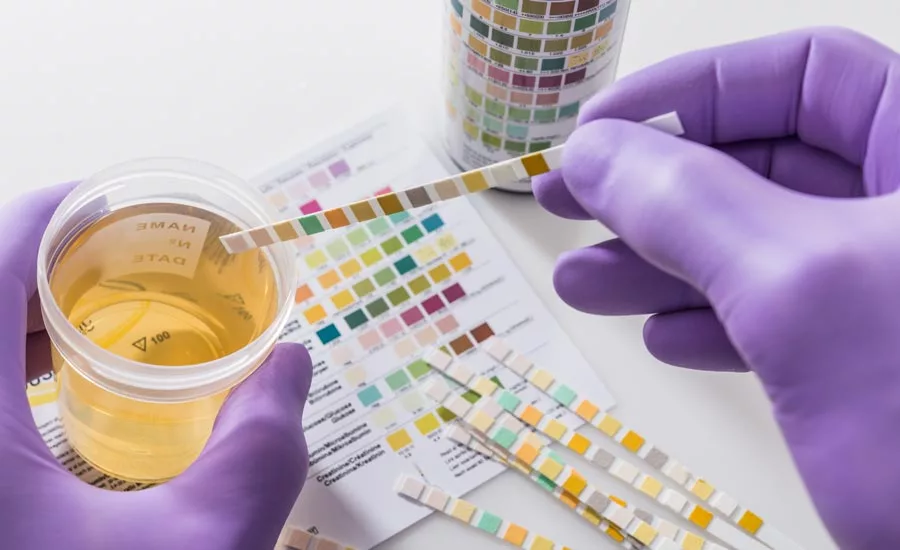
Tests for heroin typically avoid looking for the drug in the bloodstream since it’s metabolized so quickly. However, it does linger in the body in the urine. If a person uses heroin, it may be present in trace amounts in their urine for up to two days afterward, although sometimes it may be excreted within six hours.

Urine is the most convenient test to find heroin over a period, but hair follicles can be just as helpful. If a person takes heroin, it can be detected in a hair follicle for up to three months after their last use. Newer tests have built upon these successes and can see heroin use in a person longer than three months, possibly up to six. This makes it extremely difficult to get away with taking the substance recreationally.

Factors That Affect a How Long A Heroin High Lasts

No two people who take heroin get the same feelings. Each person’s brain is built differently, but the brain structure isn’t the only thing that affects how long a heroin high lasts. Several factors can affect the length of a high, including:

  • Method of taking the drug: Injecting the drug into the bloodstream is the fastest way to get high, but it also results in the quickest removal of the drug from the bloodstream. Snorting or smoking the drug has a more extended high but takes longer to get there and back.
  • How potent the drug is: Most manufacturers of heroin these days are illegal labs with no quality control. The drug batches they produce will vary in concentration, which affects the intensity of a person’s feelings.
  • Amount of drug taken: The more drugs a person takes, the more intense the high is and the longer it lasts. Taking higher doses leads to more extreme highs but also runs the risk of overdosing on the drug.
  • Tolerance: As mentioned before, tolerance impacts the feeling of euphoria. The more tolerant to the drug a person is, the more difficult it is for them to get high from it.
  • Combination with other substances: Using heroin alongside other drugs can increase the feelings of euphoria, but it could also increase the risk of the body failing. Polydrug use carries a severe risk of life-threatening malfunctions and potentially death.

What Does It Feel Like When Heroin Wears Off?
How Long Does a Heroin High Last

Heroin is an addictive substance, and addiction stems from dependence. When someone uses the drug and comes off it, they immediately want to use it again. Part of that reason is because of the withdrawal symptoms that are typical of heroin and opiate use. Withdrawal symptoms are the body’s way of convincing a person to keep using the drug because the brain needs it to remain functional. Withdrawal occurs when a person cannot get the drug. The longer they go without it, the more intense the withdrawal symptoms get. However, the only way to break the physical dependence on the drug is to go through withdrawal.

Controlled Withdrawal through Heroin Detox

It is best to enter a facility that deals specifically with detoxification if you intend to quit using the substance. Heroin detox is a controlled form of withdrawal, usually monitored by medical health professionals. In some rare cases, heroin withdrawal can severely impact the body and lead to life-threatening situations. While these incidents are rare, it’s always better to have a trained team present to deal with complications if they arise.

Those who aren’t dependent on the substance will likely feel a bit tired when the drug finally wears off. Heroin promotes sleepiness and relaxation in a person, so it takes some time for their brain to recover and return to normal functioning. A non-dependent person won’t have withdrawal symptoms if they stop using the drug, and they can quit any time they feel like it. However, just because they’re not dependent on the substance doesn’t mean they won’t want to use it again. Addiction is not just dependence, which is a physical condition. Addiction also has a psychological component that pushes a person to use it.

Long Term Effects of Chasing A Heroin High

Chasing a heroin high can profoundly impact a person’s personal and professional life. Among the most impactful effects that chasing heroin can have on a person are:

  • Legal costs: Heroin is a controlled substance in many countries worldwide. If held with the substance, a person will face legal charges and require a lawyer to represent them. Additionally, public legal records will indicate their drug use, which may impact their chances of landing a job in the future.
  • Destruction of relationships: Heroin dependence can lead to someone neglecting their family. A person addicted to heroin will seek out the drug above all other responsibilities, including those of a family. This inevitably leads to relationship disintegration and loss of trust within the family unit.
  • Physical and medical issues: Heroin can lead to several physical and mental problems. Using the drug often can have side effects, including collapsed blood vessels, insomnia, liver and kidney disease, and heart infections, to name just a few.
  • Potential overdose: As mentioned above, a person who is tolerant to the drug will need to take more of it to get the same high. Unfortunately, this usually means that there’s a real danger of overdosing on the drug.

Heroin is a dangerous substance, not just because it can lead to death but also because of the other related damages it can cause to a person’s life. In many cases, a person recovering from heroin addiction has to rebuild their life all over again.

Helping Someone Seek Treatment for Heroin Use

Sometimes, a person may not even be aware that they’re addicted to the substance. Typically, these people mention that they can stop anytime they want, even though it’s evident that this isn’t the case. In such a case, the person’s loved ones may need to step in and help them understand they have a problem.

Heroin use can be easy to hide, but a person dependent on the substance starts showing obvious signs of addiction over time. Behaviors such as avoiding social events, becoming reclusive, and no longer enjoying hobbies that they used to are good signs that they may be hooked on drugs.

Interventions are a dangerous way to approach helping someone with heroin addiction. In some cases, however, it may be the only way. The more viable method of helping someone is to guide them towards understanding they have a problem. They need to decide that they want to quit, or else rehab and recovery won’t be able to help them.

Treatment For Heroin Abuse and Addiction at Best Rehabs In Arizona

Best Rehabs In Arizona Recovery has helped hundreds of people recover their lives from heroin and opioid addictions. Our well-trained staff is knowledgeable in treatment options and can help you find a course that’s right for your problem.

Communal areas for detox and inpatient/outpatient treatment allow us to cater to a wide range of clients. Our flexible payment options ensure that no one is left out. If you or your loved one needs the support and care of a rehab facility, contact us today. We’d be more than happy to lend a hand.
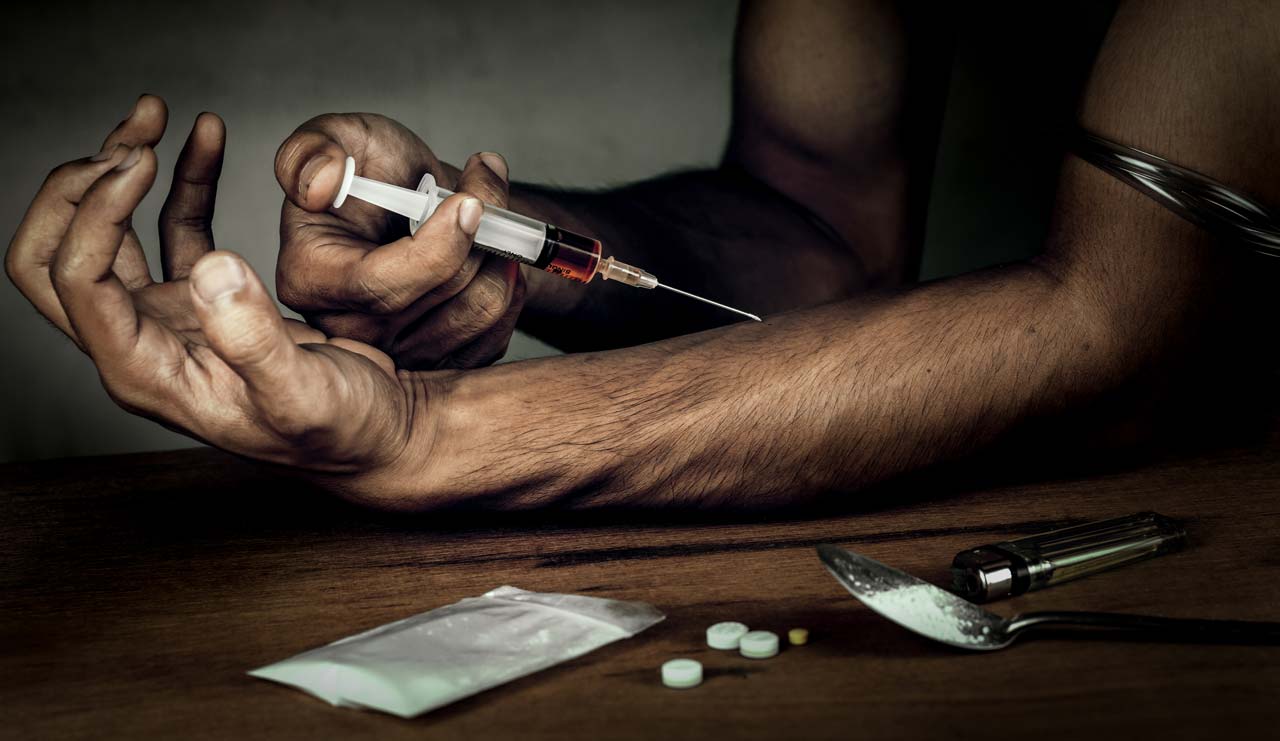

Long-Term Effects of Heroin

LONG-TERM EFFECTS OF HEROIN

Heroin Use Disorder Definition

Opioid or heroin use disorder is a chronic, lifelong disorder. Heroin use disorder has serious potential consequences, including a history of relapse, disability, and even death. In 2020, over 92,000 Americans died due to drug overdoses.

This was almost a 30% increase from the previous year. While heroin overdose rates have decreased slightly in the years since there was a seven-fold increase in deaths involving heroin from 2002 to 2017. Heroin use disorders remain a significant public health crisis.

What is Long-Term Heroin Use?

Since there are currently no approved medical uses for heroin, any amount or method of use constitutes abuse. But what is the timeframe that we consider short-term heroin abuse, as opposed to long-term heroin abuse, which is more likely to lead to heroin use disorders?

For prescription medications, many experts define short-term use as covering roughly one month. Long-term use may then be anything over one month and averages approximately three months or more.

But again, the rules change when we are talking about an illicit drug rather than a prescription medication. Heroin is one of the most addictive drugs available today. And it has become increasingly common for dealers to lace heroin with fentanyl, making it even more dangerous.

Effects of Long-Term Opiate Intake

Long-term opiate ingestion can cause a wide range of side effects. These side effects may be physical, mental, or emotional, with most users experiencing some combination of all three. Individual factors can alter your experience with heroin, including:

  • The frequency of heroin abuse.
  • The method of heroin abuse.
  • Other substances that are present in the body.
  • Your overall physical and mental health.

For most, changes in thought patterns, drug cravings, relapses, and withdrawal symptoms are some of the most noticeable early side effects.

Physical Effects of Chronic Heroin Use

Long-Term Effects of Heroin

Many of the effects of heroin use disorder are more psychological than physical. However, there are still many potential physical side effects of chronic heroin use that users should be aware of. Some of the most common include:

  • Constipation
  • Depressed respiration
  • Pneumonia and other lung complications
  • Damaged nasal tissue for those who repeatedly snort heroin
  • Collapsed or scarred veins and bacterial infections for those who inject heroin

As we mentioned earlier in the article, your side effects may vary depending on the severity of your addiction and the state of your overall health, among other factors.

Psychological Changes Made by Heroin

Repeated heroin use changes the physical structure and physiology of the brain. These changes create long-term imbalances in our hormonal and neuronal systems, and these imbalances are not easy to reverse.

In long-term heroin use, one of the largest psychological concerns is white matter damage in the brain. White matter damage can impair our decision-making skills, behavior regulation abilities, and stress responses.

A lack of control over these emotional processes can leave us feeling trapped and helpless. We can help you end the cycle of abuse and regain control.

Heroin Withdrawal Symptoms

Certain opiates, including heroin, produce extreme degrees of tolerance and physical dependence. When our bodies adapt to the presence of a drug, we become physically dependent on it, and withdrawal symptoms occur if we abruptly reduce or stop using it.

Heroin withdrawal symptoms may start in as short as a few hours after the last dose. Some of the most common heroin withdrawal symptoms include:

  • Insomnia and restlessness.
  • Bone and muscle pain.
  • Vomiting and diarrhea.
  • Involuntary leg movements.
  • Cold flashes and goosebumps.

Through any method, heroin is extremely addictive. And heroin use disorder leads users to prioritize the drug over all else in their life, despite any negative consequences this may cause.

Risks of Fentanyl and Heroin Overdose

With the rate of fatal heroin overdoses landing in the thousands, this opioid remains a pressing concern. And there are several activities or additions that may make a heroin overdose more likely. For now, we will focus on the risks of fentanyl and heroin overdose.

One of the most pressing problems in the heroin crisis is that it is frequently laced with fentanyl without the user’s knowledge. Fentanyl is another addictive and dangerous opioid, which is approximately 50 to 100 times more potent than morphine.

We can’t always control what distributors put in the drugs that they sell on the streets. And we can’t always control how our bodies react to these substances.  But we can control what we put into our bodies, even when it feels like we have no control at all.

Establishing Recovery That Will Last

Establishing recovery that will last starts with being honest with yourself. Heroin use disorder will not go away on its own. And it will likely not get better without treatment. This is not something that you have to face alone. Our dedicated professionals are here to help.

Heroin can present several overwhelming, uncomfortable, and even dangerous withdrawal symptoms. These severe withdrawal symptoms make it harder to detox at home. So, we recommend starting with medical detox.

Our suboxone and other medication-assisted options will help reduce or eliminate your withdrawal symptoms to aid the early sobriety stage. With these symptoms made more manageable, you become free to focus on your recovery.

From there, we recommend inpatient care, whether that means a traditional residential program or a long-term rehab program.

Inpatient vs. Outpatient Care for Heroin Addiction

Long-Term Effects of Heroin

Long-term drug abuse and addiction may require long-term inpatient care. While many traditional residential programs last an average of 30 days to three months, long-term rehab programs typically last longer than that.

Some stay for six months, while others remain for a year or more. If you start your recovery journey with a long-term program, you will spend your time here working toward a variety of recovery goals, including:

  • Altering damaging thought patterns and behaviors
  • Re-establishing the social skills lost during addiction
  • Building sober social networks and learning from social support groups
  • Developing healthy habits and coping mechanisms
  • Controlling negative emotions, like stress, anger, and depression, rather than submitting to them or using drugs to quiet them

During your time in long-term rehab, your days are spent with dedicated professionals and others on the same journey. We will evaluate your progress and needs as they change to ensure that you are still in the appropriate program.

Other Program Options for Heroin Addiction

While there are many different paths toward recovery, most start with residential care before transitioning into a more flexible program. Once your condition is more stable and you feel confident in your ability to maintain your sobriety at home, an outpatient program comes next.

Depending on your needs and mental health, this might mean a partial hospitalization program or an intensive outpatient program. We will work with you to determine which will best suit your needs when the time comes.

Overcoming Heroin Use Disorder at a Best Rehabs In Arizona

With conveniently located luxury facilities in both Arizona and Colorado, personalized care programs, and a full staff of dedicated professionals, the Best Rehabs In Arizona approach can make all the difference.

From detox through aftercare, we offer comprehensive programs to meet all of your recovery needs through each stage. Call us today at 866-275-0079 to learn more. Our confidential call line is always open, and our addiction counselors are here to help.

Finding Safe Heroin Detox Centers

Heroin Detox Centers for Initial Treatment

Heroin is one of the most popularly abused drugs all around the world, and usually requires heroin detox centers to rid the body of the drugs.

It is an opioid made from morphine.

Heroin could take the form of brown, white, or a black sticky substance which could be referred to as black tar heroin.

Heroin is taken in either through sniffing, injection, snorting, and smoking.

To increase the effect heroin has on individuals, people often mix it with crack cocaine.

This mixture can be known as speed-balling to achieve maximum effect.

Using the opioid called heroin has the effect of increasing heart rate, sleeping rate and associates itself with the cell responsible for ensuring pain and pleasure.

Some prescription drugs have been said to take the same effects as heroin, and require safe heroin detox centers.

These drugs include Oxycontin and Vicodin.

Research also shows that heroin is one of the first opioids individuals use before upgrading to other forms of opioids.

Individuals using heroin often experience certain signs such as a sudden surge or outburst of energy or euphoria.

They also experience other physical signs such as hazy mental cognition, constant itching, a dry mouth, flushed skin, vomiting, and diarrhea as well as constant swinging from consciousness and reality to semi-consciousness.

The aforementioned issues are known as the short-term effects of the abuse of heroin intake.

Some long-term effects include lack of sleep, liver disease, kidney disease, heart lining, and valves infection, collapsed veins, sexual dysfunction in men as well as irregularities in menstrual cycles.

How to Find Safe Heroin Detox Centers - Best Rehabs In Arizona - An image of someone holding a bunch of heroin needles who is looking for a safe heroin detox center.

Heroin Overdose

Most people ask questions regarding whether people can overdose on the opioid, heroin. The answer to this question is yes because the consumption of a certain amount of heroin can put the life of the individual in danger.

Signs of heroin addiction include slowing down in breathing which could put the individual in a coma or lead to brain damage and in some instances, death. This condition can be referred to as Hypoxia.

Due to the rampant occurrence of a drug overdose, different drugs have been discovered to help with an overdose of any form of opioids,

.One of these drugs that helps with heroin overdose is Naloxone.

This drug is to be administered immediately after it has been discovered that the individual overdosed on heroin.

What this drug does is that blocks the effect of the overdose from kicking in.

However, only a medical practitioner would be able to decipher the particular amount which would suffice.

Immediate Placement in Heroin Rehab – Get Help Now

877-651-3366


Heroin Addiction

It is not unusual to see people who use heroin getting addicted to it.

This tolerance or addiction to the substance then graduates into a disorder called substance use disorder. It could exist due to different factors.

Research has also shown that most addiction problems stem from mental health issues such as depression, panic disorders, anxiety disorders, suicidal intentions, schizophrenia, obsessive-compulsive disorder (OCD), amongst others. Addiction to heroin could also arise due to household issues with husband and wife, stress from work, academic stress as well as peer pressure.

Learn More About Safe Heroin Detox at Best Rehabs In Arizona

866-263-1847


Heroin Addiction Treatment Centers

Since heroin addiction is rampant around the world, it is only necessary that addiction treatment centers be erected to tackle this menace called substance abuse or addiction.

Addiction treatment can be carried out by various drug addiction rehab centers. These centers could be privately owned or government-owned.

However, it is important to note that private addiction treatment institutions provide value for money more often than not. Patients also get to avoid the notorious waiting lists associated with government-owned rehabilitation.

Besides, privately owned establishments generally provide a certain level of privacy. It does not necessarily translate to the amount of privacy one could get at home. However, compared to the government-owned treatment centers, it is still quite decent. The staff also pay more attention to patients and ensure that patients get value for their money.

As desirable as attending a private addiction treatment center is, it could also have its downsides. This downside comes in the form of funding. Private treatment centers are naturally more expensive than government-owned treatment centers. This is due to the fact they are privatized and as much as they render these services out of a passion for the job, revenue still has to be generated from such business.

However, health insurance companies who make provisions for drug or any other substance addiction treatment would be able to reduce the cost of attending a private rehab to a considerable extent. Government-owned treatment centers on the other hand are also quite effective in combating drug addiction. Individuals who are financially stable enough for private addiction treatment centers are advised to turn to government-owned drug rehab centers which would provide adequate care and ensure that the addiction is done away with at the end of the day.

Whether government-owned or private-owned addiction treatment centers, they all provide varieties of addiction treatment programs. Some of these addiction treatment programs include in-patient treatment programs, outpatient treatment programs, partial hospitalization as well as aftercare.

How to Find Safe Heroin Detox Centers - Best Rehabs In Arizona - A wife and her husband sit in family counseling at an inpatient rehab after her husband finished detox at a safe heroin detox center to discuss his progress and downfalls in treatment.

Inpatient Treatment Programs

Inpatient treatment is one of the most commonly enrolled treatment programs. This is because it is the most suitable in terms of both phases of addiction treatment. An in-patient treatment program entails the patient staying in the treatment addiction center all through the healing process. This is the most suitable for individuals doing detox as he or she is not tempted to go back to those drugs after months of committing to being clean. It is however expensive especially when carried out in a private drug addiction rehab center as opposed to other government-owned drug addiction treatment centers.

24-Hour Heroin Rehab Hotline – Get Help Now

877-651-3366


Outpatient Treatment Programs

This program involves the patient coming into the rehab facility on time for classes and leaving as they leave. Outpatient services are highly required by individuals who are only mildly addicted to Heroin or cannot bear to be away from their families. Equally, the outpatient treatment program also allows the patient to be part of a community of several clean past drug abusers. Asides from this, it is also not cut-throat expensive and more cost-effective than the inpatient addiction treatment program. It is also similar to support groups in the sense that after therapy sessions, individuals are given the leverage to return to their various homes.

Detoxification

The process that heroin detox centers simply involves flushing out those toxins as well as drug substances to prevent the patient from remaining Heroin dependent. The time frame for detoxification usually depends on the severity of the addiction in question. It is also not unusual to experience withdrawal symptoms when the process of detoxification starts. Some obvious signs of withdrawal symptoms include shortness of breath, craving the substance (in this case, heroin), restlessness, insomnia as well as nausea, and vomiting.

Free Insurance Verification for Safe Heroin Detox and Treatment

877-651-3366


Conclusion

Different treatments are available for heroin addiction, such as medicinal treatment services or behavioral treatment methods, and heroin detox centers.

However, treatment centers can also employ the “reward” method as a way of encouraging their patients to remain clean while in the facility.

Some of these reward forms include various vouchers containing prizes as well as cash rewards themselves to motivate the patients to keep trying and accepting treatment for the sake of getting better.

Best Rehabs In Arizona do a great job in this regard by customizing each patient’s treatment program to suit them.

Heroin Addiction What to Watch For

Heroin Addiction What to Watch For Best Rehabs In Arizona - A woman stares at a needle with heroin in it. If you think a loved one is addicted to heroin you need to how to tell if someone is on heroin by looking for the signs here.

When someone you love has a heroin addiction, it can be hard to tell if they are on heroin.

If you are aware of heroin abuse symptoms, then you may be able to save someone’s life.

Although heroin is one of the most addictive drugs available, and no one intends on becoming addicted, people find themselves easily addicted.

Once you become addicted, you may not feel normal without it.

Heroin Addiction What to Watch For Best Rehabs In Arizona - A woman stares at a needle with heroin in it. If you think a loved one is addicted to heroin you need to how to tell if someone is on heroin by looking for the signs here.

How to Tell if Someone is on Heroin: Signs

Although you might think that you would know if someone is using heroin, it may not be true.

So how can you tell if someone is on heroin?

There are a few signs of Heroin addiction to look for:

  • Bloodshot eyes
  • Small pupils
  • Sudden weight loss
  • Secretive behavior
  • Dramatic changes in appearance
  • Lack of motivation
  • Extreme drowsiness
  • Financial problems
  • Borrowing money
  • Track marks

Immediate Placement in Heroin Rehab – Get Help Now

877-651-3366

Dangers of Heroin Addiction: How to Tell if Someone is High on Heroin

Heroin has addictive potential, and there are long-term and short-term effects of using this drug. There are also indirect risks that can be life-threatening.
In general, intravenous heroin users have a higher risk of being infected with viruses. These viruses might include HIV or hepatitis. Other blood-borne illnesses are a risk for those addicted to heroin because heroin users usually share needles. Additionally, risky sexual behavior can lead to high virus rates in heroin users.
Other ways to tell if someone is on heroin include:

  • Depression
  • Constipation
  • Slurred speech
  • Paranoia
  • Shortness of breath
  • Collapsed veins
  • Severe itchiness
  • Dry mouth
  • Nausea and vomiting

It is important to note that the side effects of heroin get worse over time. The longer someone uses heroin, the more the drug ruins the immune system and internal organs. Communicable and non-communicable diseases are common among heroin users, and long-term use may lead to heart, lung, and liver disease.
There is also the chance of a fatal overdose with heroin because it suppresses breathing and heart rates. Even a nonfatal overdose can cause permanent brain damage or coma.

Learn More About Heroin Rehab at Best Rehabs In Arizona Call Today

866-263-1847


How to Tell if Someone is on Heroin: Recognizing Heroin Addiction

Due to it being physically and psychologically addictive, heroin can quickly lead to addiction. Stop addiction before it starts. Eleven signs indicate heroin addiction:

  1. Taking heroin in larger amounts or over a long period.
  2. Having the desire to cut down on heroin use or stop use and not being able to stop.
  3. Spending your time on activities associated with heroin: finding the drug, using it, or recovering from its effects.
  4. Craving heroin or having a strong desire to use.
  5. Consistent use that interferes with obligations, these obligations might be at work, school, or home.
  6. Continued use regardless of how it affects your social life.
  7. Giving up important activities to use heroin.
  8. Dangerous situations occur, repeatedly, because of heroin use.
  9. There is heroin use despite the danger and repercussions on both your physical and mental health.
  10. Tolerance has grown in two ways. You need more amounts to achieve the desired effect, or there are diminished drug effects when using the same amount.
  11. There is withdrawal after not using heroin for a short amount of time.

How to Tell if Someone is on Heroin With a Mental Illness

How to tell if someone is high on heroin? They have an increased risk of committing suicide because they have a mental condition, such as bipolar disorder or depression. These mental conditions can exacerbate addiction symptoms and also increase the risk of suicide.
Often there is depression that comes along with withdrawal as well. These feelings might trigger a suicide attempt, and it is important to try to help a heroin addict before this happens.

What is Dual Diagnosis?

When trying to decide how to tell if someone is on heroin, you need to see if they have a dual diagnosis. A dual diagnosis is when you have a mental health problem at the same time as a substance use disorder. When this occurs, it is crucial to treat the mental illness and substance use disorder. If you only treat one of your diagnoses, you will not obtain sobriety long term.

24 Hour Heroin Rehab Hotline – Get Help Now

877-651-3366


How to Tell if Someone is on Heroin and How to Get Them Into Treatment

There are a few ways that you can attempt to get someone you love into treatment.

  • Choose a time and place that your loved one feels comfortable. Doing this in front of many people or before they run off to work is not the best time. Try to select a time that gives privacy, enough time to talk and physical comfort to the addicted person.
  • Make sure you will be able to remain as calm as possible. Do not try to make the situation seem carefree or pretend that it is not a big deal. Do try to keep an even tone and stay on the topic of addiction.
  • Be honest about how their addiction has made you feel, and make sure they understand how it has impacted your life. Often addicts feel that they are only hurting themselves with their addiction.
  • Always remember that addiction is a disease.
  • Listen to them and see if they are willing to speak about their addiction. If so, this is a good sign. How you decide to react will affect the entire tone of the meeting.
  • If possible, find a time when they are sober. But how to tell if someone is on heroin? Look for all the warning signs listed above. If they are sober, it may allow them to process the situation in a more rational headspace.
  • If you have attempted to speak to them already, you may want to hold a professional intervention.

Intervention

Because people addicted to heroin are often reluctant to go to treatment, holding an intervention can help. Even if someone is in the early stages of their addiction, an intervention may be helpful. Despite this, they may not see their use as a problem needing treatment. If they have attempted to quit previously without success, an intervention may be the only way to convince them to get help.

Heroin Addiction What to Watch For Best Rehabs In Arizona - Several people sit in group therapy at heroin rehab and console one of the members of the group as she talks about the bad choices she made when she was addicted. Knowing to how to tell if someone is on heroin is the first step to helping someone.

Withdrawal

The best way to tell if someone is on heroin is to see if they show withdrawal symptoms. Heroin addiction has a physical dependence. This dependence develops with abuse and can also include a psychological dependency. Physical dependence includes withdrawal symptoms such as restlessness, muscle and bone pain, insomnia, diarrhea, and vomiting.

Free Insurance Verification for Heroin Rehab – Get Help Now

877-651-3366


Learn How to Tell if Someone is on Heroin and Get Help Today

If you or someone you love needs help, contact us to learn about our free insurance verification for treatment.

At Best Rehabs In Arizona, we help you in any heroin addiction stage and help you understand how to tell if someone is on heroin.

Reach out today.

The Stigma Of Addiction: How Do I Break It?

What is Alcoholism?

In 1956, alcoholism was classified as a disease by the American Medical Association. The definition of a disease is “a quality, habit, or disposition regarded as adversely affecting a person or a group of people.”

The AMA’s conclusion is fitting to say the least. Today, alcoholism is a part of a much larger epidemic – the disease of addiction. Unlike physical ailments, alcohol addiction has become a serious societal issue, one plagued by stigmas and stereotypes. People often say, “Addicts are weak, they just need to toughen up and quit,” or, “Addicts are liars, burnouts and waste of space,” and “Addicts are bad people and criminals.”

All too often these types of judgmental statements are spoken. The purpose of this article is to give the reader a glimpse into what it is like to be an addict.


How Alcoholism Starts

stigma-of-alcoholismOutside circumstances vary drastically, but internally most addicts, including myself, have similar experiences although it can often feel like they’re the only one.

You’re introduced to a substance, you try it, and you like the way it makes you feel. In the beginning the substances make you feel euphoria, and for the potential addict, you just want to do it again. It’s a slow and gradual decline of one’s power of choice and into dependency.


Becoming An Addict

beginning-of-alcohol-addictionAs time goes on our tolerance for the substances gets greater. Leaving us needing more of our drug of choice in order to become intoxicated. So, what does any motivated addict do at this point?


More drugs and alcohol of course.

A non-addict may be able to anticipate what might happen if they continue down this path and decide to turn it around. This isn’t so with the real addict from our experience. What we see is delusions crop up, and from this altered reality we are able to find justifications for our actions.

Here is an example: a close friend of yours approaches you and says, “I think you should slow down with partying. I’m worried about you and you do not seem like yourself lately.” The non-addict’s thought process might lead to some introspection like, “Are they right? Am I getting carried away? Maybe I should take it easy for a while.” An addict on the other hand may say, “They don’t know what they’re talking about! I’m fine and if they can’t accept me for who I am, then I don’t need them in my life.” This defensiveness and sometimes anger comes quickly when someone challenges them or they think they may lose their drug, which is one reason so many addicts become alienated from the people in their lives. This cycle goes on until you have reached the no man’s land of dependency.


Active Full Blown Addiction

Once an addict has reached the stage of full-blown dependency, it is incredibly difficult to stop. When I was using, you could have given me a lie detector test and I would have been telling the truth when I said I believed to my core that there was no chance that I could stop.

The physiological make-up of my body had changed. This is true with all addicts. As a person in long term recovery, I wanted to get clean for years before I was actually able to make it stick. Allow me to emphasize the important part of that statement. I wanted to get clean for years.

When an addict feels like they can’t stop using, they often feel ashamed, weak and like a failure. Having the world say the same and worse, contributes to an addict’s need to detach from those feelings on some level, so they just keep using. Punishing and condemning addicts, bad mouthing them and judging them will never help this problem. It doesn’t help the addict, nor does it benefit the world as a whole as society continues to perpetuate the cycle. What is needed is an educated society that understands the issue and its complexities, and how best to approach it.


The Recovery Process

Since the founders of Best Rehabs In Arizona have been in recovery we have found that addicts, and people in general for that matter, are capable of great things. The same men and women that come from dark, selfish, and lonely pasts are now selfless and caring, with a unique compassion for their fellow man. One in ten adult people in this nation are struggling with some form of addiction, and only one in ten of those people get help. These statistics are staggering. This disease does not discriminate. There are politicians, lawyers, policemen, doctors, pilots, therapists, and all other professions. We are your neighbors, your friends, your pastor, and your child’s school teacher. Before judging and condemning addicts, please remember that these people you are talking about are sick. Very sick. The power of choice is more than likely no longer in their grasp. They need compassion and understanding. They need help, and to be shown there is a way out.

For more information and the science behind each chemical’s effect on the body view our earlier blog posts or contact a Best Rehabs In Arizona founder directly at 877-651-3366.

Gratitude: How to Remain Grateful

Gratitude:

The quality of being thankful; readiness to show appreciation for and to return kindness.


Someone recently messaged us at Best Rehabs In Arizona and asked for a blog on the topic of gratitude. We thought to ourselves, “that is a great idea,” especially considering gratitude is so essential in everyday life and our in level of happiness. It is so easy after some time sober to ‘let the shine wear off’, but here are some tips and tricks we use to better our attitudes daily at Best Rehabs In Arizona that really work!

For starters to establish a little credibility let us take a quick look at the research. The results of an 8-year study from The Greater Good Science Center at UC Berkeley indicated that a regular and continuous gratitude practice results in the following benefits:

  • Progress towards important personal goals
  • Higher alertness and longer attention span
  • Increased determination and Energy levels
  • Greater Sense of feeling connected to others
  • Better all-around health
  • Quality and duration of sleep were increased
  • Higher levels of self-discipline

Here are some methods we use as daily gratitude exercises that have really worked for us.

Get A Journal And Dedicate It To Gratitude

addiction-recovery-tips

Jot down 3 things that you truly feel grateful for. This will not work if you don’t take a minute or two in between each entry to really internalize and feel the gratitude for these things on an emotional level. This will also only work and last if you do the exercise daily (we challenge you to do this for 2 weeks).

Remember Where You Came From

Typically, alcoholics and drug addicts have been to some of the darkest and loneliest places that anyone could imagine. Therefore, when some time in recovery passes and we start getting things back in the monetary and spiritual sense (i.e. car, home, good job, relationship, happiness, confidence which are all good). It is extremely easy to forget where we came from by becoming complacent and comfortable and no longer prioritizing our recovery or connections with other people. This does not serve us well for the long term.

Remaining humble is key, and realizing that you are always 100 percent capable of going back to the dark lonely place that we come from.  Not to live in fear, but to remain humble and level headed is the goal here.

Set Goals And Act On Them

One thing we’ve often noticed in this field is that people are happy typically have a goal, a hobby they LOVE, or something positive to direct their energy towards that no one can take away from them. The opposite appears true in our experience as well.  We must be honest with ourselves and set some small goals, and some big goals as well, and start taking baby steps on a daily basis to chase our dreams. Do not let yourself get too comfortable; this is a natural state that we gravitate towards, and our growth stops when we are too comfortable and complacent. The magic happens outside of our comfort zone and that goes for people of all walks of life and every stage of spiritual and emotional development.

Serve Others And Socialize With Like Minded People

addiction-treatment-helpThe most rewarding times in our lives are when we can truly step out of ourselves. To show up for another person in a capacity that makes their life better in some way is incredible. Drug addicts like us have taken enough from this world during active addiction, and it is a phenomenal feeling to give something back. Also, surround yourself with people that bring positivity and love into your life. Negative influences can deeply affect your level of happiness, so we highly recommend surrounding yourself with people who share your goals and are willing to take actions with you toward generating real happiness; we do not do this thing called recovery alone!
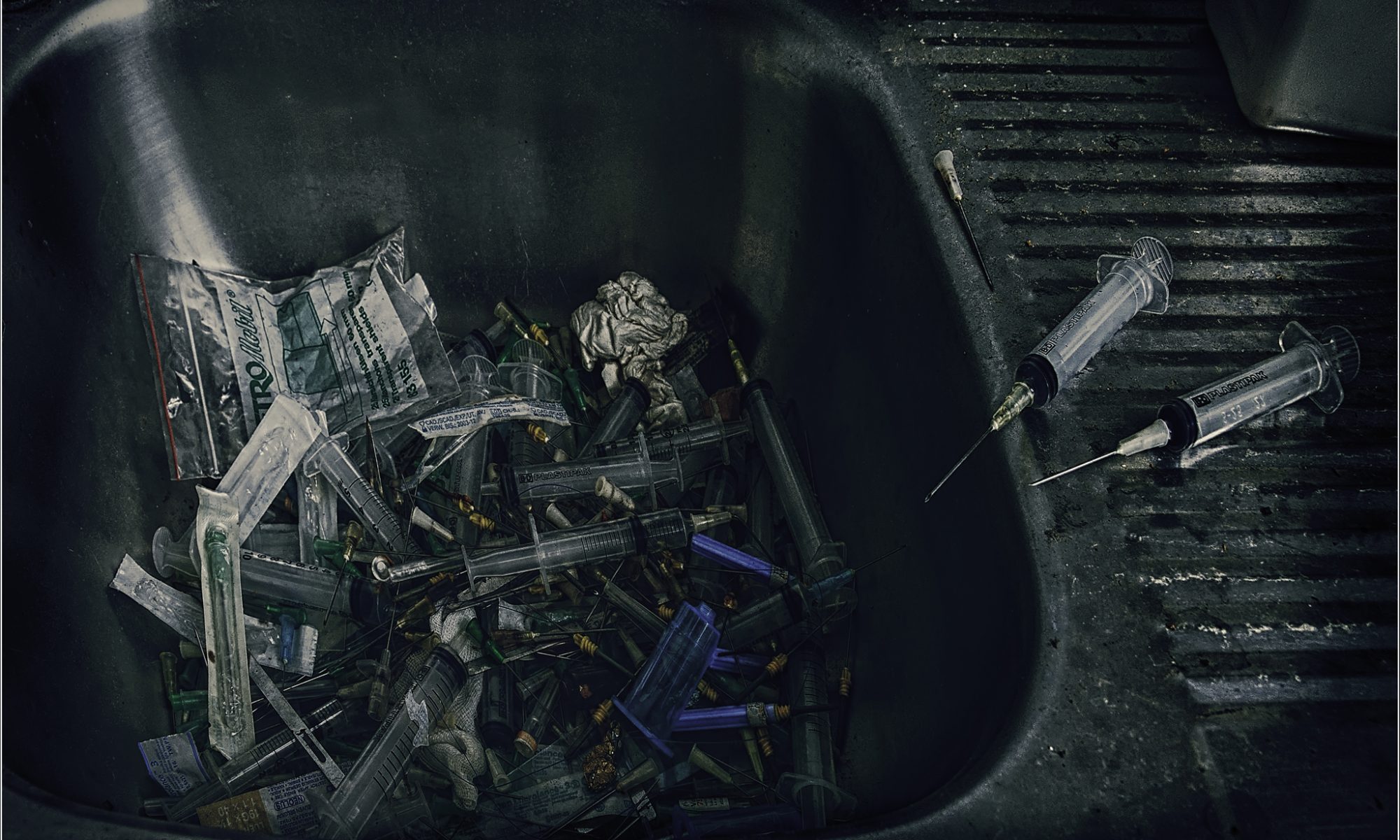

Heroin Effects on The Mind & Body

Heroin Use Today

Heroin is an opioid, first synthesized and sold in the late 1800’s. Like other opioids, heroin has a calming affect on the body, used as an antidepressant and a painkiller. Opioids have been used for centuries to provide relief from pain beginning in Egypt before making their way to Europe and India.

Derived from opium poppy sap, opioids can be found in the form of powder, tablets, pills, syrups and capsules. Heroin is typically sold in a powder that is most commonly injected, but can also be snorted smoked or sniffed. It is one of the most addictive substances on the market, which is why it is the most deadly. It has become one of the most widely used drugs amongst users worldwide with statistics rising everyday.

In the United States, heroin addiction has become an epidemic. In our country alone there are currently over one million heroin users across the nation. This startling number is five times what it was in 2000, increasing at a dramatic, unprecedented rate. Over 10,000 individuals die of a heroin overdose every year, which accounts for roughly 60% of all drug related deaths. In the past, most of the country’s heroin use was confined to urban areas. This is no longer the case as heroin addiction has spiked in suburban and rural communities, as well.

It is important for all of use to be educated about heroin addiction and how to deal with the issues that have risen because of our country’s epidemic. We must be armed with the facts about heroin abuse to start combating the problem and making headway towards a solution for the future. This article is intended to inform others on exactly how heroin addiction affects the mind and body of a drug addict. We will be discuss, explain and explore dopamine, opiate receptors, and the symptoms and side effects of heroin addiction.

effects-of-heroin-addiction

Key Concepts in Opioid Addiction

Opioids are a group of drugs that have been and are still used for medical purposes across the globe. Morpheme and codeine are common opiates that are prescribed to alleviate pain after surgery and to combat the side effects of certain illnesses. These are the key concepts that allow heroin alter our physical and mental states:

Dopamine – A neurotransmitter that controls emotions, motivation, movement and pleasure and plays a major role in reward based systems. Certain drugs, like heroin, produce excess amounts of dopamine in the brain. This dramatic increase in a feeling of euphoria is what keeps addicts coming back for more. The brain is rewarded with a spike in dopamine when a an addict is using heroin, causing it to crave the drug to produce another high.

Opioid receptors – A group of receptors in the brain with opioids as ligands, a molecule that binds to another. When opiates attach to the group of receptors, the brain sends signals to block pain and other senses related to emotion. The result is slower breathing and a calming feeling.

Opiates and Opioids – Alkaloid compounds naturally found in the opium poppy plant. Psychoactive compounds are found in opiates that trigger different sensations in the brain and body.

GABA – A Neurotransmitter that plays an important role in anxiety and more. Typically, GABA inhibits the amount of dopamine that is released in the brain. However, the use of opioids prevents GABA from working properly, allowing excess amounts of dopamine to be produced when heroin is in the system.

What Happens To Our Bodies When We Use Heroin?

When heroin is introduced into the bloodstream it travels to our brain and attaches itself to the opiate receptors in the cortex. What happens next? Our bodies produce dopamine in excess and our brain becomes flooded with the neurotransmitter. We experience an intense feeling of euphoria and pleasure, rewarding our brain for using the heroin. Opioid abuse also decreases our level of GABA. Low levels of this neurotransmitter are linked to irregular sleep patterns, depression, excessive stress, and anxiety. Because GABA is involved in the slowing of dopamine release, without this key component dopamine is produced in higher levels.

During my heroin addiction, the drugs made me not have a care in the world. I felt euphoria every time I was using and I couldn’t be brought down from the high that I felt. The grass looked greener and the sky looked bluer. Prolonged heroin use leads us to this state of being.

What are the Signs of a Heroin Addiction?

Sometimes people are unaware of the signs to look for in other people who may be struggling with a heroin addiction. There are many physical and psychological changes that you may notice a person abusing heroin. These include:

  • Flushed skin
  • Nasea
  • Falling asleep at inappropriate times and places
  • Lack of interest in activities, like school and work
  • Increased lying and secretiveness
  • Poor hygiene
  • Trying to hide body parts
  • Refusing to eat at all
  • Injection marks on the skin

What Are Some Side Effects Of Heroin?

The are many side effects of heroin use that keep heroin addicts using. When the body is not under the influence of the drug, the side effects worsen on an even greater scale. The body begins to go into withdrawal just hours after last use, keeping addicts coming back for more and more.

Here are some short-term effects of heroin abuse:

  • Decreased heart rate
  • Slowed breathing
  • Itchy skin
  • Confusion
  • Loss of appetite
  • Cold sweats
  • Constipation
  • Vomiting

What are the Long-Term Effects of Heroin Addiction?

Over time, continuous heroin abuse results in a decreased number of opioid receptors in the brain, which can lead to more serious issues and even death. After repeated use, our brain becomes custom to being under the influence of heroin and our tolerance decreases. Soon it takes more heroin to feel the same amount of pleasure as before. We feel as though must increase our dosage to experience any form of a high. This is what people often call “chasing the dragon.” It is trying to experience the high that we once had and being unable to achieve it. Your brain’s chemistry quite literally changes and you are unable to achieve the same effects with the same dose. Dr. Steven Dewey, a prominent addictions specialist, calls heroin addiction an organic brain disease. Dr. Dewey explains, “I’ve never seen a drug explode on the scene as much as opiates have.”

Here are some long-term effects of heroin abuse:

  • Hepatitis and HIV caused by use of unhygienic injections (i.e. dirty needles)
  • Pulmonary Edema (fluid in the lungs)
  • Decreased bowel motility
  • Muscle weakness
  • Impaired immune system
  • Poor dental health
  • Decreased sexual function
  • Open wounds, scabs and scars
  • Coma
  • Dealth

At the end of my heroin addiction in 2010, I could not get high and had to use to not feel extremely sick. This is a very dark place to arrive at, but it is darkest before the dawn!

heroin-addiction-signs

What Keeps Heroin Addicts Using?

A while into abusing opiates, us addicts experience withdrawal when our body is not flooded with dopamine and the chemicals are leaving our bodies. These withdrawal symptoms can be painful and unpleasant which is why so many addicts continue to use. They want to avoid what they know will come when the heroin runs out. As difficult as it may be, a safe, effective, medical detox is necessary to move forward with a healthy, happy and sober life.

Some symptoms of heroin withdrawal include:

  • Nausea
  • Vomiting
  • Diarrhea
  • Stomach cramps
  • Extreme cravings
  • Depression
  • Body aches
  • Agitation
  • Insomnia
  • Sweats
  • Racing heart
  • Hypertension
  • Fevers
  • & More…

I’ve been there and I needed help to get sober. I would not have made it if it wasn’t for the group of people and support system that guided me through my early recovery.

There is a way out. At Best Rehabs In Arizona, you will meet the owners including myself on the first day of arrival, and throughout your stay you will receive the individual time and attention you deserve. Please call or message us if you or a loved one is struggling. Addiction is literally a matter of life and death. We are here 24 hours a day to help.

10 Defeating Attitudes in Early Sobriety

Getting sober is one of, if not the hardest thing that us addicts will ever have to do. The journey to long term recovery is a hard one, often bumpy and filled with difficult personal and emotional challenges. Here are some thoughts and belief systems that commonly come up for us amongst early sobriety to be aware of, watch out for, and discard when they creep in!

1. The Non Sober People Are More Fun

pathfinders recovery center, pathfinders arizona, pathfinders recovery, substance abuse treatment, drug abuse treatment, opiate treatment center, drug addiction treatment, alcohol addiction treatment, best rehab, top rehab in the us, best addiction center, get help today, heroin addiction help, meth detox arizona, heroin detox arizona, heroin addiction arizona, heroin addiction new jersey

Addicts in general, myself included spend our time trying to do WHATEVER we can to “feel good” in the moment.  Sometimes life is not going to feel good and that is when we do not know how to handle it. That being said, the guys and gals that are goofing off, not working on themselves and acting out in negative self-defeating behaviors may appear to be having more fun…but talk to them when they relapse, get arrested, or end up back in treatment or at a 12-step meeting getting another new comer chip and ask yourself if that looks like fun? No judgement here, the thing is nothing changes until something changes and you must do things you have never done to get where you have never been period – simple as that.

2. I Am Not Ready To Be Sober Yet

You have hit your bottom once you have quit digging. Some people lose everything, die, get locked up ect…some other people end up realizing it much quicker and don’t lose much but can see where their life is heading and make the effort to change it quicker. So please don’t let your mind give you this excuse, it’s not true!

3. This Won’t Work For Me

Here is the thing…how can we know something that we don’t know…we can’t. Just because my mind is telling me that I know something does not mean it’s true. Find a mentor that has been where you’ve been and be open minded to having a new experience. Do what they say and great things will follow.

4. I’m Unique and Worse Than Everyone

This one always gives me a laugh because I can relate so strongly. Almost every addict I’ve had the pleasure of working with at one point or another experiences this thought. I have found out that I am not special or different and when I look for similarities instead of differences I can relate to some people I would never have expected to be able to.

5. I can do this on my own

In my experience this was not true. However, I will say if you truly believe that you can give it a try. If it doesn’t work, then try a treatment center and entering into a 12-step program.

6. Thinking The Answer is on the Outside, Not on the Inside

I need to quit smoking, get a job, enroll in college…TODAY !”. Relax, Rome wasn’t built in a day and we have to crawl before we can walk. You do not have to conquer all of your problems today. Keep it simple and make small realistic goals for yourself and overtime the upheaval and redemption of your life will be astonishing! Give yourself some time to really work on you in the beginning the rest will follow.

7. I Don’t Deserve A Better Life

This is not true for anyone – ever. Period. There is a little bit of good in the worst of us and a little bit of bad in the best of us. Take it easy on yourself, learn to forgive and love yourself. This is a process that is difficult and takes time but I promise you can do it and we will love you until you love yourself!

8. Nobody Cares About Me Anyway

I felt this way coming into recovery and what I found was the exact opposite. It was amazing how many people put their hand out to help me when all I did was simply become willing and ask for the help.

9. I’ve Tried Everything And Nothing Has Worked

No one has tried everything. There are variables to consider here. For instance, something I may have “tried” could work if I changed my perspective, applied myself and engaged in it with an open mind if I was closed off the first time. Sometimes all it takes is a fresh perspective.

10. I will control my use… it will be different this time!

If you are really an addict or alcoholic your own experience is the best test here.  Did you ever “just do one”?  Were you able to easily stop all substances at once at any time without any difficulty?  If you’re truly an addict or alcoholic all you have to do is be honest with yourself and reflect on your experience to see that this not true.  You’re not alone here we have all fallen victim to this way of thinking and it keeps us in addiction much longer than necessary.