Long-Term Effects of Heroin

LONG-TERM EFFECTS OF HEROIN

Heroin Use Disorder Definition

Opioid or heroin use disorder is a chronic, lifelong disorder. Heroin use disorder has serious potential consequences, including a history of relapse, disability, and even death. In 2020, over 92,000 Americans died due to drug overdoses.

This was almost a 30% increase from the previous year. While heroin overdose rates have decreased slightly in the years since there was a seven-fold increase in deaths involving heroin from 2002 to 2017. Heroin use disorders remain a significant public health crisis.

What is Long-Term Heroin Use?

Since there are currently no approved medical uses for heroin, any amount or method of use constitutes abuse. But what is the timeframe that we consider short-term heroin abuse, as opposed to long-term heroin abuse, which is more likely to lead to heroin use disorders?

For prescription medications, many experts define short-term use as covering roughly one month. Long-term use may then be anything over one month and averages approximately three months or more.

But again, the rules change when we are talking about an illicit drug rather than a prescription medication. Heroin is one of the most addictive drugs available today. And it has become increasingly common for dealers to lace heroin with fentanyl, making it even more dangerous.

Effects of Long-Term Opiate Intake

Long-term opiate ingestion can cause a wide range of side effects. These side effects may be physical, mental, or emotional, with most users experiencing some combination of all three. Individual factors can alter your experience with heroin, including:

  • The frequency of heroin abuse.
  • The method of heroin abuse.
  • Other substances that are present in the body.
  • Your overall physical and mental health.

For most, changes in thought patterns, drug cravings, relapses, and withdrawal symptoms are some of the most noticeable early side effects.

Physical Effects of Chronic Heroin Use

Long-Term Effects of Heroin

Many of the effects of heroin use disorder are more psychological than physical. However, there are still many potential physical side effects of chronic heroin use that users should be aware of. Some of the most common include:

  • Constipation
  • Depressed respiration
  • Pneumonia and other lung complications
  • Damaged nasal tissue for those who repeatedly snort heroin
  • Collapsed or scarred veins and bacterial infections for those who inject heroin

As we mentioned earlier in the article, your side effects may vary depending on the severity of your addiction and the state of your overall health, among other factors.

Psychological Changes Made by Heroin

Repeated heroin use changes the physical structure and physiology of the brain. These changes create long-term imbalances in our hormonal and neuronal systems, and these imbalances are not easy to reverse.

In long-term heroin use, one of the largest psychological concerns is white matter damage in the brain. White matter damage can impair our decision-making skills, behavior regulation abilities, and stress responses.

A lack of control over these emotional processes can leave us feeling trapped and helpless. We can help you end the cycle of abuse and regain control.

Heroin Withdrawal Symptoms

Certain opiates, including heroin, produce extreme degrees of tolerance and physical dependence. When our bodies adapt to the presence of a drug, we become physically dependent on it, and withdrawal symptoms occur if we abruptly reduce or stop using it.

Heroin withdrawal symptoms may start in as short as a few hours after the last dose. Some of the most common heroin withdrawal symptoms include:

  • Insomnia and restlessness.
  • Bone and muscle pain.
  • Vomiting and diarrhea.
  • Involuntary leg movements.
  • Cold flashes and goosebumps.

Through any method, heroin is extremely addictive. And heroin use disorder leads users to prioritize the drug over all else in their life, despite any negative consequences this may cause.

Risks of Fentanyl and Heroin Overdose

With the rate of fatal heroin overdoses landing in the thousands, this opioid remains a pressing concern. And there are several activities or additions that may make a heroin overdose more likely. For now, we will focus on the risks of fentanyl and heroin overdose.

One of the most pressing problems in the heroin crisis is that it is frequently laced with fentanyl without the user’s knowledge. Fentanyl is another addictive and dangerous opioid, which is approximately 50 to 100 times more potent than morphine.

We can’t always control what distributors put in the drugs that they sell on the streets. And we can’t always control how our bodies react to these substances.  But we can control what we put into our bodies, even when it feels like we have no control at all.

Establishing Recovery That Will Last

Establishing recovery that will last starts with being honest with yourself. Heroin use disorder will not go away on its own. And it will likely not get better without treatment. This is not something that you have to face alone. Our dedicated professionals are here to help.

Heroin can present several overwhelming, uncomfortable, and even dangerous withdrawal symptoms. These severe withdrawal symptoms make it harder to detox at home. So, we recommend starting with medical detox.

Our suboxone and other medication-assisted options will help reduce or eliminate your withdrawal symptoms to aid the early sobriety stage. With these symptoms made more manageable, you become free to focus on your recovery.

From there, we recommend inpatient care, whether that means a traditional residential program or a long-term rehab program.

Inpatient vs. Outpatient Care for Heroin Addiction

Long-Term Effects of Heroin

Long-term drug abuse and addiction may require long-term inpatient care. While many traditional residential programs last an average of 30 days to three months, long-term rehab programs typically last longer than that.

Some stay for six months, while others remain for a year or more. If you start your recovery journey with a long-term program, you will spend your time here working toward a variety of recovery goals, including:

  • Altering damaging thought patterns and behaviors
  • Re-establishing the social skills lost during addiction
  • Building sober social networks and learning from social support groups
  • Developing healthy habits and coping mechanisms
  • Controlling negative emotions, like stress, anger, and depression, rather than submitting to them or using drugs to quiet them

During your time in long-term rehab, your days are spent with dedicated professionals and others on the same journey. We will evaluate your progress and needs as they change to ensure that you are still in the appropriate program.

Other Program Options for Heroin Addiction

While there are many different paths toward recovery, most start with residential care before transitioning into a more flexible program. Once your condition is more stable and you feel confident in your ability to maintain your sobriety at home, an outpatient program comes next.

Depending on your needs and mental health, this might mean a partial hospitalization program or an intensive outpatient program. We will work with you to determine which will best suit your needs when the time comes.

Overcoming Heroin Use Disorder at a Best Rehabs In Arizona

With conveniently located luxury facilities in both Arizona and Colorado, personalized care programs, and a full staff of dedicated professionals, the Best Rehabs In Arizona approach can make all the difference.

From detox through aftercare, we offer comprehensive programs to meet all of your recovery needs through each stage. Call us today at 866-275-0079 to learn more. Our confidential call line is always open, and our addiction counselors are here to help.

Finding Safe Heroin Detox Centers

Heroin Detox Centers for Initial Treatment

Heroin is one of the most popularly abused drugs all around the world, and usually requires heroin detox centers to rid the body of the drugs.

It is an opioid made from morphine.

Heroin could take the form of brown, white, or a black sticky substance which could be referred to as black tar heroin.

Heroin is taken in either through sniffing, injection, snorting, and smoking.

To increase the effect heroin has on individuals, people often mix it with crack cocaine.

This mixture can be known as speed-balling to achieve maximum effect.

Using the opioid called heroin has the effect of increasing heart rate, sleeping rate and associates itself with the cell responsible for ensuring pain and pleasure.

Some prescription drugs have been said to take the same effects as heroin, and require safe heroin detox centers.

These drugs include Oxycontin and Vicodin.

Research also shows that heroin is one of the first opioids individuals use before upgrading to other forms of opioids.

Individuals using heroin often experience certain signs such as a sudden surge or outburst of energy or euphoria.

They also experience other physical signs such as hazy mental cognition, constant itching, a dry mouth, flushed skin, vomiting, and diarrhea as well as constant swinging from consciousness and reality to semi-consciousness.

The aforementioned issues are known as the short-term effects of the abuse of heroin intake.

Some long-term effects include lack of sleep, liver disease, kidney disease, heart lining, and valves infection, collapsed veins, sexual dysfunction in men as well as irregularities in menstrual cycles.

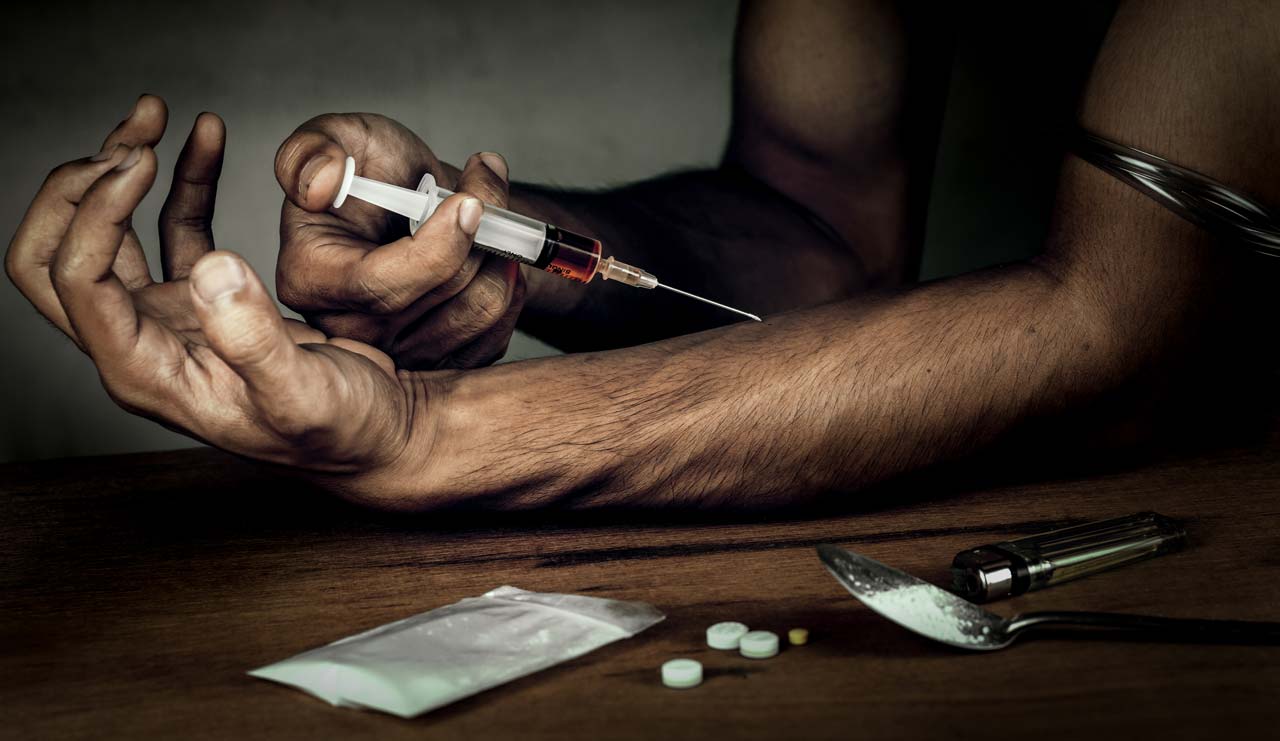
How to Find Safe Heroin Detox Centers - Best Rehabs In Arizona - An image of someone holding a bunch of heroin needles who is looking for a safe heroin detox center.

Heroin Overdose

Most people ask questions regarding whether people can overdose on the opioid, heroin. The answer to this question is yes because the consumption of a certain amount of heroin can put the life of the individual in danger.

Signs of heroin addiction include slowing down in breathing which could put the individual in a coma or lead to brain damage and in some instances, death. This condition can be referred to as Hypoxia.

Due to the rampant occurrence of a drug overdose, different drugs have been discovered to help with an overdose of any form of opioids,

.One of these drugs that helps with heroin overdose is Naloxone.

This drug is to be administered immediately after it has been discovered that the individual overdosed on heroin.

What this drug does is that blocks the effect of the overdose from kicking in.

However, only a medical practitioner would be able to decipher the particular amount which would suffice.

Immediate Placement in Heroin Rehab – Get Help Now

877-651-3366


Heroin Addiction

It is not unusual to see people who use heroin getting addicted to it.

This tolerance or addiction to the substance then graduates into a disorder called substance use disorder. It could exist due to different factors.

Research has also shown that most addiction problems stem from mental health issues such as depression, panic disorders, anxiety disorders, suicidal intentions, schizophrenia, obsessive-compulsive disorder (OCD), amongst others. Addiction to heroin could also arise due to household issues with husband and wife, stress from work, academic stress as well as peer pressure.

Learn More About Safe Heroin Detox at Best Rehabs In Arizona

866-263-1847


Heroin Addiction Treatment Centers

Since heroin addiction is rampant around the world, it is only necessary that addiction treatment centers be erected to tackle this menace called substance abuse or addiction.

Addiction treatment can be carried out by various drug addiction rehab centers. These centers could be privately owned or government-owned.

However, it is important to note that private addiction treatment institutions provide value for money more often than not. Patients also get to avoid the notorious waiting lists associated with government-owned rehabilitation.

Besides, privately owned establishments generally provide a certain level of privacy. It does not necessarily translate to the amount of privacy one could get at home. However, compared to the government-owned treatment centers, it is still quite decent. The staff also pay more attention to patients and ensure that patients get value for their money.

As desirable as attending a private addiction treatment center is, it could also have its downsides. This downside comes in the form of funding. Private treatment centers are naturally more expensive than government-owned treatment centers. This is due to the fact they are privatized and as much as they render these services out of a passion for the job, revenue still has to be generated from such business.

However, health insurance companies who make provisions for drug or any other substance addiction treatment would be able to reduce the cost of attending a private rehab to a considerable extent. Government-owned treatment centers on the other hand are also quite effective in combating drug addiction. Individuals who are financially stable enough for private addiction treatment centers are advised to turn to government-owned drug rehab centers which would provide adequate care and ensure that the addiction is done away with at the end of the day.

Whether government-owned or private-owned addiction treatment centers, they all provide varieties of addiction treatment programs. Some of these addiction treatment programs include in-patient treatment programs, outpatient treatment programs, partial hospitalization as well as aftercare.

How to Find Safe Heroin Detox Centers - Best Rehabs In Arizona - A wife and her husband sit in family counseling at an inpatient rehab after her husband finished detox at a safe heroin detox center to discuss his progress and downfalls in treatment.

Inpatient Treatment Programs

Inpatient treatment is one of the most commonly enrolled treatment programs. This is because it is the most suitable in terms of both phases of addiction treatment. An in-patient treatment program entails the patient staying in the treatment addiction center all through the healing process. This is the most suitable for individuals doing detox as he or she is not tempted to go back to those drugs after months of committing to being clean. It is however expensive especially when carried out in a private drug addiction rehab center as opposed to other government-owned drug addiction treatment centers.

24-Hour Heroin Rehab Hotline – Get Help Now

877-651-3366


Outpatient Treatment Programs

This program involves the patient coming into the rehab facility on time for classes and leaving as they leave. Outpatient services are highly required by individuals who are only mildly addicted to Heroin or cannot bear to be away from their families. Equally, the outpatient treatment program also allows the patient to be part of a community of several clean past drug abusers. Asides from this, it is also not cut-throat expensive and more cost-effective than the inpatient addiction treatment program. It is also similar to support groups in the sense that after therapy sessions, individuals are given the leverage to return to their various homes.

Detoxification

The process that heroin detox centers simply involves flushing out those toxins as well as drug substances to prevent the patient from remaining Heroin dependent. The time frame for detoxification usually depends on the severity of the addiction in question. It is also not unusual to experience withdrawal symptoms when the process of detoxification starts. Some obvious signs of withdrawal symptoms include shortness of breath, craving the substance (in this case, heroin), restlessness, insomnia as well as nausea, and vomiting.

Free Insurance Verification for Safe Heroin Detox and Treatment

877-651-3366


Conclusion

Different treatments are available for heroin addiction, such as medicinal treatment services or behavioral treatment methods, and heroin detox centers.

However, treatment centers can also employ the “reward” method as a way of encouraging their patients to remain clean while in the facility.

Some of these reward forms include various vouchers containing prizes as well as cash rewards themselves to motivate the patients to keep trying and accepting treatment for the sake of getting better.

Best Rehabs In Arizona do a great job in this regard by customizing each patient’s treatment program to suit them.

The Heroin Withdrawal Timeline: A Guide on What You Should Know

Know What Heroin Withdrawal Timeline Looks Like

If you use or are addicted to drugs, chances are you know it’s a good idea to stop.

But quitting is much easier said than done, not least of all because quitting means going through withdrawal.

And withdrawal can be a scary and painful process, especially if you’ve never gone through it before.

Knowing what the heroin withdrawal timeline looks like can help you know what to expect when you decide to quit.

You’ll know what’s coming, how long it will last, and when you’ll start to feel better.

Read on to learn more about this timeline and what to expect when you get ready to quit heroin.

Heroin Withdrawal Timeline - Wooden blocks on top of a piece of wood with the letters "DETOX" in black. If you struggler with Heroin abuse you need help. Call today for our Heroin Rehab.
Detox word made with wooden blocks concept

What Is Heroin?

Before we dive into the heroin withdrawal timeline, let’s take a moment to discuss what heroin actually is.

You may have heard of it by the names horse, hell dust, big H, or smack. Heroin is an opioid drug made from morphine that is derived from the seeds of poppy flowers.

Heroin can come in a few different forms, including a white or brown powder or a black sticky substance called black tar heroin. It can be injected, snorted, or smoked, depending on the form.

Some people mix heroin and crack cocaine in a practice called speedballing.

Effects of Heroin

Because heroin is related to morphine, a drug used to control pain, one of its primary effects is a vanishing of any pain you may have been feeling.

Many users describe a sort of rush or wave of euphoria that comes over them right after they take the drug.

Other short-term effects can include dry mouth, nausea and vomiting, severe itching, clouded mental function, and drifting in and out of consciousness, sometimes known as “going on the nod.”

Long-term heroin effects can be devastating, ranging from insomnia and cramps to collapsed veins and livery and kidney disease. People with penises may experience sexual dysfunction, and people who have periods may start to have irregular cycles.

You may see swollen tissue filled with pus, damage to your nose, pneumonia, and a number of mental illnesses crop up, too.

24 Hour Heroin Rehab Hotline – Get Help Now

877-651-3366


Heroin Withdrawal Timeline – The First Day

Heroin users may experience the early symptoms of withdrawal many times over the course of their use. These symptoms start between six and twenty-four hours after you take the drug and can last for a day or two.

These early symptoms are usually mild, but they can be unpleasant enough to lead the user to take heroin again to get rid of them.

Within that first day, you’ll start to feel like you have a bad case of the flu. You’ll get muscle aches that will get worse over the next couple of days.

You may also get anxiety or even panic attacks. You might get diarrhea or start shaking, and you may find yourself more irritable than usual.

Heroin Withdrawal Timeline – The Next Few Days

After the first day or two, symptoms of heroin withdrawal will start to peak. These few days are the worst of the heroin withdrawal cycle and are when you’ll need the most support around you.

You can expect these symptoms to start around the third day of no heroin use and will last two or three days.

During the peak of withdrawal, you’ll start to experience extreme stomach cramping and nausea or vomiting. You may start to sweat and get the shivers, and you might run a fever during this time.

You may have more diarrhea, and you might have trouble getting to sleep or settling down.

Heroin Withdrawal Timeline -  A man holds his stomach in pain as he cramps up and is sick. According to the heroin withdrawal timeline the symptons will show usually in day 3.
A man holds his stomach in pain as he cramps up and is sick.

Heroin Withdrawal Timeline – The End of the Week

About five days after you last use heroin, you’ll start to come into the end of the acute withdrawal phase. Your symptoms will start to improve across the board, and you’ll start to feel better.

There will be some lingering effects of withdrawal, but the worst will be over.

You may still have some trouble getting a full night’s rest during this stage, but you should be able to sleep a little more. Your muscle aches and nausea will start to wear off, and you’ll start to feel like you’re coming off a bad case of the flu.

You’ll feel very tired, and that fatigue can last for months, but your stomach and bowels will start to get back to normal, and your fever should subside.

Immediate Placement Heroin Rehab – Get Help Now

877-651-3366


Post-Acute Withdrawal Syndrome

Even once you’re past the first week of acute withdrawal, you’re far from out of the woods. During that whole withdrawal process, you’ll be craving heroin to experience that high again, and that craving can last for months.

After the first week of acute withdrawal, you’ll enter post-acute withdrawal syndrome.

Post-acute withdrawal syndrome is the time when you’ll start to recover from the neurological damage that the heroin caused.

You may feel tired and irritable for months, and you may find you still have trouble sleeping. Anxiety and depression are common, and you may experience more cravings for heroin.

Factors That Affect Heroin Withdrawal Timeline

There are a number of factors that can affect how your withdrawal goes and how long it lasts. First among these is the amount of time you spent using heroin.

If you’ve only used heroin a couple of times, you’re going to have a much easier time in withdrawal than someone who’s been using heroin for years.

Which kind of heroin you use can also impact what your withdrawal experience is like. Things like speedballing or using black tar heroin can complicate your withdrawal, depending on the purity of the substances.

The amount of heroin you took each time can also affect how intense your symptoms are.

Medical Intervention

When you’re going through withdrawal, it can be a good idea to have a medical team around you monitoring you and keeping you comfortable.

Things like dehydration, fever, and seizures can present very real threats during the detox process. And if you’re quitting cold-turkey after years of using high amounts of heroin, especially mixed with other drugs, having medical help could save your life.

Doctors and nurses can provide you with IVs to help keep you hydrated and comfortable during withdrawal. They can take steps to ensure that something like a fever or a seizure doesn’t become life-threatening.

And they can make sure you get all the way through the withdrawal process without succumbing to the cravings and taking more heroin, starting the process all over again.

Helpful Medications

In addition to basic comforts, doctors may also be able to provide you with some medications that can help you during the heroin withdrawal timeline.

These medicines may be opioid-based, so they can help reduce cravings and withdrawal symptoms. But they aren’t as potent or as dangerous as heroin, so you get clean in a safer, easier way.

Methadone is a slow-acting, low-strength opiate that can help you taper off the effects of heroin and prevent withdrawal symptoms. Buprenorphine can reduce heroin cravings and symptoms like vomiting and muscle aches.

And naltrexone blocks receptors in the brain that respond to heroin, helping to reduce cravings in the long-term.

24/7 Heroin Rehab Hotline –
Get Help Now

877-651-3366


Long-Term Treatment

Once you’re through the initial withdrawal stage, you still have a long road ahead of you to recovery. For one thing, you’ll need to get through post-acute withdrawal syndrome and past the point of craving heroin, which can take months or even years.

You’ll need to restructure your life to avoid triggers that make you tempted to start using again.

But oftentimes, there’s an underlying issue that led you to start taking heroin in the first place. This could be anything from chronic pain, mental illness, or some sort of emotional trauma.

Before you can get back to living a healthy, happy life free of heroin, you’ll need to deal with that underlying problem.

Heroin Withdrawal Timeline at Home

Although it is not recommended, it is possible to go through heroin withdrawal at home. If you plan to do this, it’s a good idea to have a loved one around to help you through the process.

They can help keep you from giving in to the cravings and make sure you get medical attention if there are complications.

Ask for a week off work before you go through this process, and stock up on supplies. You’ll need lots of fluids, healthy food, and hygiene necessities like toilet paper.

And once you’re through the initial withdrawal process, be sure you join some sort of support group or rehab to keep from relapsing in the next several months.

Free Insurance Verification for Heroin Rehab – Get Help Now

877-651-3366


Learn More About the Heroin Withdrawal Timeline

Heroin withdrawal is a difficult process that you need help to get through. Knowing the heroin withdrawal timeline can help you know what to expect and how long things will last.

By the time you hit day four or five, knowing that these symptoms won’t last forever can help keep you motivated to push through.

If you’d like help detoxing from heroin, come see us at Best Rehabs In Arizona.

We have programs for heroin addiction, as well as methamphetamine addiction, prescription pill addiction, and alcoholism.

Contact us today to take the first step on your road to a happier, healthier life.