Fentapills: Everything You Need to Know

Fentapills

How Fake Prescription Drugs Called “Fentapills” Are Contributing to Opioid Overdose Deaths

Most people have heard of fentanyl by now — however, counterfeit pills dubbed “fentapills” are the newest threat looming on the horizon. Fentapills, one of many types of unsafe street drugs, are only supporting the ongoing opioid epidemic in the country.

This epidemic has endangered millions and taken thousands of lives each year; in 2020 alone, over 48,000 drug fatalities were attributed solely to synthetic opioids.

So, what are fentapills, and what do you need to know about them? This guide will walk you through the basics and how you can keep yourself and your loved ones safe.

What Are Fentapills?

“Fentapill” is a combination of the words “fentanyl” and “pills” which is commonly used to refer to the large variety of non-prescription fentanyl pills produced and sold illegally. In short, fentapills are fake prescription pills that do not contain any actual medicine.

Instead of containing medication, fentapills are often made of pure fentanyl or are a mix of fentanyl and other illicit, addicting drugs, such as heroin or cocaine. These pills are widely available online, cheap, and potentially fatal — thus posing a large risk for younger people.

The Origin of Fake Fentanyl Pills

Fake fentanyl pills are largely manufactured and circulated by cartels. Most of these cartels or criminal drug networks originate from Mexico. In particular, the DEA named the Sinaloa Cartel and the Cártel de Jalisco Nueva Generación as the primary culprits behind fentapills.

The Appearance of Fentapills

These pills are specifically manufactured to resemble legal, pharmaceutical-grade opioids. Most are designed to look like oxycodone pills, although some may also look like hydrocodone, alprazolam, or amphetamine.

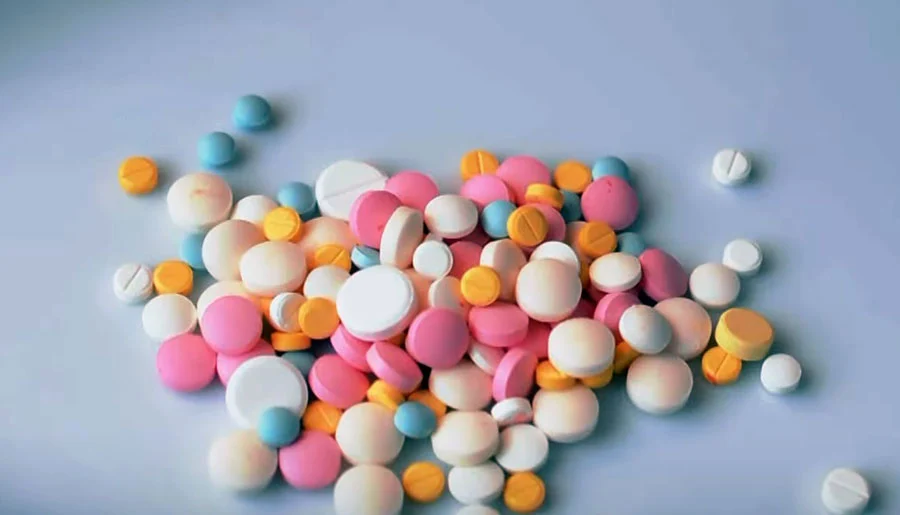
The U.S. Drug Enforcement Agency (DEA) has issued new warnings regarding the latest wave of fentapills that come in a medley of pastel rainbow colors, making them look more like harmless candy rather than a dangerous drug.

How to Know if Your Prescription Medications are Fake

Although they mimic the look of authentic oxycodone and other prescription opioids, fentapills do not fully emulate them. If you are worried that your or your loved one’s prescription medications may be fentapills, looking at the writing on the medicine may help.

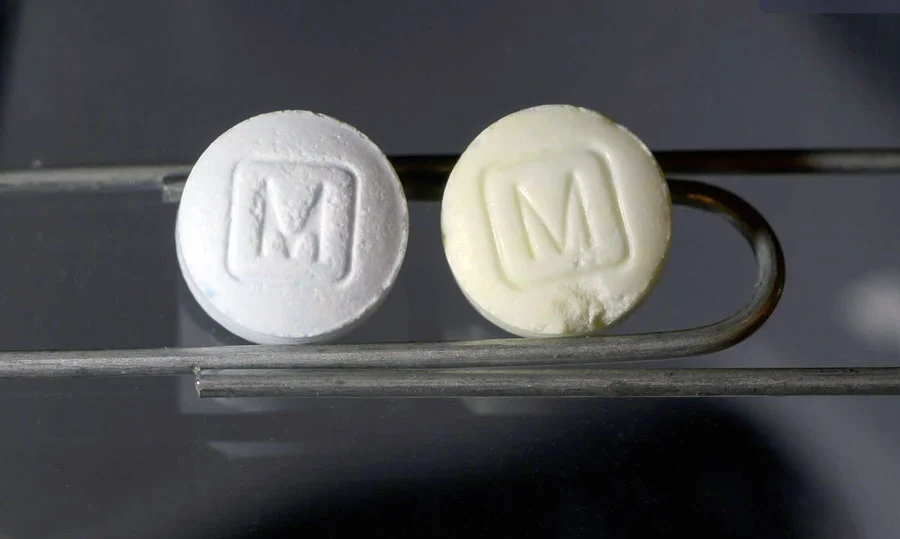
For example, actual Oxycodone uses a specific font to mark the tablets. When compared with a fentapill sold as Oxycodone, the fake pills have a different font type, thickness, or size. The information printed or stamped on the tablets may be different, as well. Authentic prescription medications often have the brand name printed. The bottle from the pharmacy will have a description of what the medication should look like.

In general, oxycodone and other opioid tablets or pills sold in legitimate pharmacies and hospitals are likely to be safe, while any purchased from unofficial distributors are likely to be counterfeit drugs. Counterfeit drugs are often found via social media or through connections with drug dealers.

However, there are many variations of fake opioids. It’s hard to rely only on your own eyes and assumptions. If you suspect your or your loved ones may be using fentapills, it is best to reach out to our expert staff at Best Rehabs In Arizonas for guidance.

Fentanyl addiction can be overcome, and we offer a firm foundation and have seen many clients make full and lasting recoveries from even severe dependence.

Dangers of Rainbow Fentanyl or Fentapills
Dangers of Rainbow Fentanyl or Fentapills

The candy-like appearance of rainbow fentanyl opens the public to greater risks — particularly to young adults, teenagers, and even children. Some fake pills that authorities confiscated are very similar to the colors of candy hearts. As the Halloween candy season nears, such deception can potentially lead to a spike in opioid dependency, addiction, or even opioid overdose.

It is likely that they have been tinted in such a way to make them look like candy for the purposes of smuggling them easier. However, it is always possible that misplaced drugs could be mistaken for candy by unassuming children, leading to potentially tragic outcomes.

Is Rainbow Fentanyl a Risk Near Me?

Fentanyl, the primary and often only active ingredient of fentapills, is one of the most dangerous opioids. DEA laboratory tests have shown that around 4 out of 10 fakes laced with fentanyl have potentially fatal dosage. For some perspective, a deadly dose of fentanyl is only two milligrams — which is less than the lead tip of a pencil.

The innocent-looking and happy colors of rainbow fentanyl not only downplay the dangers of the addictive drug, but also make it easier to hide and distribute. According to the Drug Enforcement Agency, law enforcement officers have seized rainbow fentanyl pills across 26 states since August 2022. Recently, authorities seized approximately 15,000 rainbow fentanyl pills that illegal distributors tried to transport in a Lego toy box bound for New York City.

What Is Fentanyl?

Fentanyl is a highly powerful synthetic opioid prescription drug. It is used in medical settings as a potent pain reliever and is generally prescribed for post-surgery pain and chronic pain. However, fentanyl is still one of the deadliest drug threats that the U.S. faces.

The dangers of fentanyl not only lie in its potency, but also in its affordability and accessibility. Since it only takes a tiny amount of fentanyl to induce a high, it can be sold cheaply. For this reason, fentanyl is also often used to cut or dilute other illegal prescription drugs, such as heroin, methamphetamine, and cocaine, without affecting the high it produces.

Illicit fentanyl is widely sold on the streets. Recently, it has also become much easier to buy fentanyl pills online. This, combined with the cheap price, makes it easier for anyone to get a hold of illegal prescription pills and potentially overdose.

Other Names for Fentanyl Pills

Illicit fentanyl pills go by many other names aside from “fentapill”. The names may depend on what prescription opioids the drug may be masquerading as:

  • Fake oxycodone fentanyl pills: blues, buttons, cotton, 30s, hillbilly heroin, muchachas
  • Fake alprazolam fentanyl pills: bars, bicycle handlebars, planks, ladders, school bus
  • Fake amphetamine fentanyl pills: a-train, Christmas trees, lid poppers, study skittles

Can You Get Addicted to Fentanyl or Fentapills?

Fentanyl or Fentapills

Yes, fentanyl is an incredibly addicting drug; it is over 50 times more potent than heroin. Unfortunately, many people succumb to drug dependence and addiction even while taking legally prescribed fentanyl.

A telling sign of fentanyl addiction is the presence of withdrawal symptoms after discontinuing or failing to take the drug. The following are some of the most common fentanyl withdrawal symptoms, which can appear within just a few hours of one’s last dose:

  • Sleep issues
  • Diarrhea
  • Vomiting
  • Severe cravings
  • Cold flashes
  • Muscle and bone pain
  • Leg jitters or uncontrollable movements

How Does Fentanyl Affect Your Brain and Body?

Similar to other opioid analgesics or pain relievers, fentanyl influences the area of your brain that deals with pain and emotions. However, what gets people addicted to taking fentanyl is typically the high or feelings of euphoria it gives.

Fentapills are known to produce the following effects:

  • Relaxation
  • Sedation
  • Pain relief
  • Confusion
  • Drowsiness
  • Dizziness
  • Nausea
  • Vomiting
  • Constipation
  • Urinary retention
  • Pupil size changes
  • Cold and clammy skin
  • Fatal respiratory failure
  • Unconsciousness

Can You Overdose on Fentapills?
Fentapills Overdose

Yes, taking fentapills can quickly lead to an opioid overdose. In fact, synthetic opioids like fentanyl are the most common causes of overdose deaths. Data from the Centers for Disease Control and Prevention (CDC) shows that 66% of all drug overdose deaths in 2021 were due to fentanyl and other synthetic opioids.

Overdosing on fentanyl can slow down breathing to a dangerous degree. This puts users at risk of fatal respiratory failure; and the lack of oxygen to the brain can cause coma, permanent brain damage, and death.

If your loved one is ever breathing too slowly and you suspect they have overdosed on fentanyl, call emergency services immediately. Prompt action and timely naloxone intervention can save lives. With help your loved one can survive a drug overdose and overcome their addiction.

Helping Yourself and Your Loved Ones Get Treatment

Drug addiction can affect anyone, including yourself, your friends, and your family — even the ones you may least expect it from. Seeking help for fentanyl addiction doesn’t have to be a draining experience.

Drug addiction is a large burden on its own — finding and receiving the treatment you need doesn’t have to be another struggle for you to bear. At Best Rehabs In Arizonas, we offer different treatment options to ensure the success of your journey to recovery.

If you or your loved one is struggling with fentanyl addiction or dependence, Best Rehabs In Arizonas in AZ and CO are here for you. Contact us today to learn more!
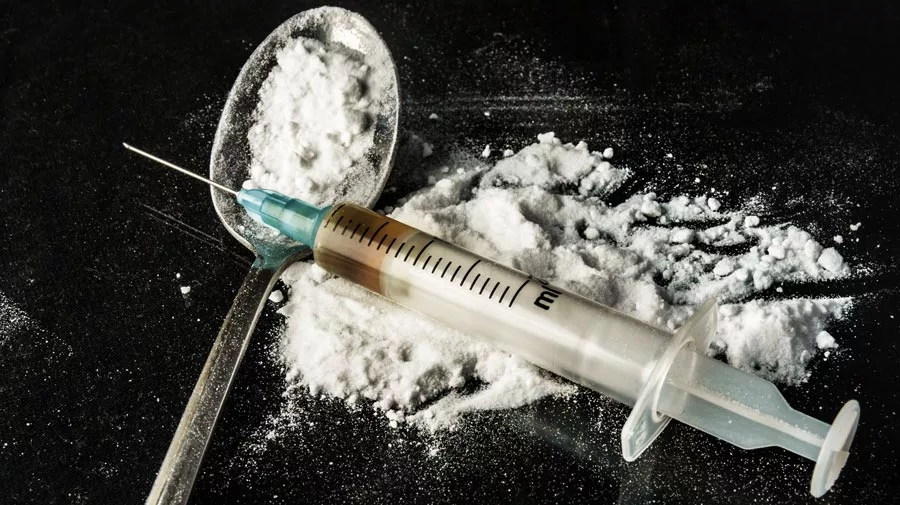

How Long Does Heroin Stay in Your System?

Image of white powdered drug with spoon and syringe

Heroin is a drug with intense side effects, and it can be difficult to know how long it will stay in your system if you’ve taken it. The answer to how long heroin stays in your system depends on a few factors, including how often you use the drug and how much you use.

This article will explore heroin, its side effects, how long it stays in your system, and how to get help if you’re struggling with addiction.

What Is Heroin?

Heroin is an illegal, highly addictive opioid drug. It is made from morphine, which is derived from the poppy plant.

Heroin can be injected, snorted, or smoked, producing a powerful, short-lived high. The effects of heroin include a sense of euphoria, relaxation, and sedation.

The drug is highly addictive, and users can quickly develop a drug tolerance. Users will need to take larger doses to achieve the same effects with continued use.

Heroin use can lead to health problems such as collapsed veins, infection of the heart lining and valves, abscesses, and lung complications. It can also lead to psychological issues such as anxiety, depression, and insomnia, among others.

What Are the Effects of Heroin?

Heroin enters the brain quickly, producing a powerful rush of pleasure. It binds to the brain’s natural opioid receptors, which are involved in pain relief and feelings of pleasure.

It is one of the longest-acting and most potent opioids available, which is part of what makes it so addictive. The effects of heroin can last for four to six hours.

While the effect of heroin is long, it has a short half-life, which is the time it takes for half of the drug to be eliminated from the body. The half-life of heroin is only 30 to 90 minutes. This depends on how quickly the drug is metabolized and how much is taken.

How Long Does Heroin Stay in Your System?

How Long Does Heroin Stay in Body

When you are suffering from heroin addiction and desperately need help getting clean, drug tests may be required as part of the admissions process for some treatment programs.

The amount of time that heroin stays in your system depends on how often you use it and how much you use it.

Below are the factors that will affect how long heroin stays in your system:

  • Frequency of use
  • Drug quality (purity)
  • Method of consumption
  • Amount used
  • Metabolism
  • Weight
  • Body fat percentage
  • When you last used heroin


Generally, urine drug tests can detect heroin for around 24 hours after the last use. Blood tests and testing of hair follicles can be used to detect heroin for a more extended period.

Drug Testing Methods for Heroin

There are several types of drug tests, each with various detection windows.

1. Urine Test

Urine tests are the most common type of drug test. They are generally accurate and can detect most drugs for up to 24 hours after the last use.

For heroin, a urine test can detect the drug for up to 48 hours after the last use. Some urine tests can also detect heroin use and heroin metabolites for up to seven days.

2. Saliva Test

Saliva drug tests are one of the newest types of drug tests. Saliva tests are less invasive than urine or blood tests but are the least accurate.

A saliva test can detect heroin only 12 hours after the last use. Again, this depends on how much of the drug was used and how often it was used.

3. Blood Test

Blood Test - Drug Testing Methods for Heroin

When you take a blood test, a small sample of your blood is drawn and sent to a laboratory for analysis. Blood tests are the most accurate type of drug test.

A blood test can detect heroin in your system for up to 24 to 72 hours after the last use.

4. Hair Follicle Test

A sample of hair near your scalp is taken and sent to a laboratory for analysis. Hair follicle tests can detect heroin use for up to 90 days, making it the longest-lasting drug test.

While this is the most accurate way to test for heroin use, it is also the most expensive.

How To Get Heroin Out of Your System

If you are trying to get the heroin out of your system, the best thing you can do is seek professional help.

Heroin is a highly addictive drug, and quitting cold turkey can be extremely difficult, if not impossible, on your own. Many different treatment options are available, and a professional treatment provider will help you choose the one that is best for you.

Sometimes, this may involve detoxification and rehabilitation in a hospital or treatment center. In other cases, it may be possible to find a less intensive outpatient program that can still provide the support you need.

Regardless of your path, getting professional help is the best way to increase your chances of success.

Best Rehabs In Arizonas are a leading provider of drug and alcohol abuse treatment. We offer a wide range of services, including detoxification, rehabilitation, and outpatient care. Our facility also provides various aftercare options to help you stay clean and sober after you leave our program.

Why Rehab is the Best Choice to Remove Heroin from Your System

Trying to get the heroin out of your system is extremely difficult if you have become dependent on the drug. Without professional help, the chances of success are very low.

For example, heroin withdrawal symptoms can be highly uncomfortable and even dangerous.

Below are some of the most common withdrawal symptoms:

  • Nausea and vomiting
  • Diarrhea
  • Muscle aches and pains
  • Fast pulse
  • Increased breathing rate
  • Sweating
  • Anxiety
  • Insomnia
  • Irritability


These symptoms can make someone trying to quit using heroin feel very ill. Sometimes, they can lead to backsliding and relapse or hospitalization.

Heroin addiction treatment options are available in various settings, such as inpatient, outpatient, and partial hospitalization programs.

Licensed medical practitioners will help you through the detoxification process and make sure that you are comfortable and safe.

What is the Heroin Addiction Treatment Process?

Heroin Addiction Treatment Process

Substance use disorder treatment usually follows these steps:

1. A Confidential Assessment for Substance Use

When you seek treatment for an addiction, the first step is always a thorough assessment. This allows the treatment team to get to know you and your unique situation. It also helps them develop a personalized treatment plan.

The assessment process usually includes reviewing your medical history, a physical examination, and a psychological evaluation. You will also be asked about your alcohol or drug use and your family history of substance abuse.

This information will help the treatment team determine what level of care you need and what type of treatment will be most effective for you. If you are ready to take the first step on the road to recovery, call us today. We can help you find the treatment that’s right for you.

2. Medically Supervised Detox for Heroin

Detoxification is the process of ridding your body of toxins, typically from alcohol or drugs.

The severity of detox symptoms depends on several factors, including how often you’ve been using, the type of substances you’ve been using, and your general health and well-being.

Detoxing without medical supervision can be dangerous, so it’s vital to be well-informed before embarking on the process. Some common detox symptoms include shaking, sweating, nausea, vomiting, and headaches.

For heroin, medications may be used to help with detoxes such as methadone or buprenorphine. These medications can help lessen withdrawal symptoms and make detox more tolerable.

If you’re considering detoxing, talk to a doctor or other medical professional first to ensure it’s the right decision.

3. Inpatient Rehab for a Foundation in Recovery

Rehabilitation is overcoming drug addiction and learning how to live a sober life.

During rehab, you will participate in individual and group therapy sessions. You will also have the opportunity to learn about addiction and recovery and how to manage triggers and cravings.

Inpatient rehab programs offer 24-hour supervision and care, which can be especially helpful during early recovery. These programs typically last 30 days, although more extended stays are sometimes necessary.

Outpatient rehab programs allow you to live at home while attending treatment during the day. These programs are less intensive than inpatient programs but can still be very effective.

4. Aftercare Planning and Relapse Prevention

Aftercare is any care you receive after completing a formal treatment program.

Aftercare can include 12-step meetings, therapy, and sober living houses. Aftercare aims to help you transition back into everyday life and maintain your sobriety.

While most clients will eventually graduate to self-sufficient recovery, some will require more ongoing care. This is often the case for clients with a dual diagnosis or those who have been through multiple treatment programs.

5 Things to Look for in a Heroin Addiction Treatment Program

A controlled substance like heroin can wreak havoc on your life, causing problems at work, in your home life, and your relationships. If you’re struggling with heroin addiction, there is hope.

Treatment can help you overcome addiction and learn how to live a sober life. But not all treatment programs are created equal. When looking for a treatment program, you should keep a few things in mind.

1. Individualized Care

Individual Care - Heroin Addiction Treatment Program

One size does not fit all when it comes to addiction treatment. A good treatment program will offer individualized care that considers your unique situation.

This may include factors such as age, gender, the severity of your addiction, and any underlying mental health conditions.

In addition, the best treatment programs will also be flexible, offering different levels of care that can be adjusted to meet your changing needs. Tailoring treatment to your specific situation can increase your chances of achieving long-term sobriety.

2. Evidence-Based Treatment

When looking for a treatment program, you should ensure that it offers evidence-based treatment.

Evidence-based treatments are those that have been proven to be effective in scientific studies. These treatments are based on the latest research and are constantly refined to ensure they are as effective as possible.

Some common evidence-based treatments used in addiction treatment include cognitive-behavioral therapy, contingency management, and motivational enhancement therapy.

3. Fully Licensed and Accredited

You should also ensure that the treatment program you’re considering is fully licensed and accredited.

Licensing ensures that the program meets specific standards and is run by qualified staff. Accreditation shows that the program has been independently reviewed and found to be effective.

When you’re considering treatment programs, be sure to check that they are licensed and accredited. This will give you peace of mind that you’re choosing a program that is likely to be effective.

4. Comprehensive Services and Dual Diagnosis Programs

A good treatment program will offer a comprehensive range of services that address all aspects of addiction.

This may include detox, medication-assisted treatment, therapy, and aftercare. Those with dual diagnoses may also need additional services, such as psychiatric care.

By offering a comprehensive range of services, treatment programs can address all factors contributing to addiction.

5. Experienced and Qualified Staff

The staff at a treatment program can make a big difference in your recovery.

Look for a program that employs an experienced and qualified staff dedicated to helping you recover. The best staff will be compassionate, understanding, and firm in their commitment to helping you achieve sobriety.

With us, you will find a team of highly qualified and experienced staff who are devoted to helping you recover from addiction. Our staff includes doctors, nurses, therapists, and counselors committed to helping you achieve lasting sobriety.

If you’re looking for a heroin addiction treatment program that offers individualized, evidence-based care, look no further than our treatment center.

Further Resources on Heroin

If you’re looking for more information on heroin addiction treatment, here are some of the resources you may also want to check:

  • Centers for Disease Control and Prevention (CDC): The CDC offers information on the risks of heroin use and how to prevent heroin addiction.
  • National Institute on Drug Abuse (NIDA): NIDA is a government organization with helpful information on the latest heroin addiction and treatment research.
  • Substance Abuse and Mental Health Services Administration (SAMHSA): SAMHSA is a government organization that offers resources on finding treatment for substance abuse disorders. They also have a helpline that can connect you with treatment providers in your area.


Forums and support groups like Narcotics Anonymous can help find treatment and support.

Our heroin addiction treatment program can help you achieve sobriety and live a healthy, happy life. Contact us today to learn more about our program or to schedule a consultation.

Find Your Path to Sobriety and Recovery Today

Drug tests are a reality of life for many people.

With heroin, how long it stays in your system depends on various factors, but generally speaking, it can be detected for up to 3 days in urine, up to 90 days in hair, and up to 14 days in blood.

If you’re concerned about drug testing, the best thing you can do is seek out treatment for your addiction. Contact Best Rehabs In Arizona Recovery now to help you get started on the road to a healthy life, without the worries of drug testing or being dopesick!

Rehab for First Responders

Rehab for First Responders

First responders, including law enforcement officers, search and rescue teams, firefighters, and emergency medical services teams (dispatchers and ambulance workers), are some of the first to step on the scene of disaster, accident, or emergency. These scenes present some of the most dangerous and emotionally demanding situations possible.

As a first responder, you often interact with victims needing immediate care, life support, or urgent medical help. As a first responder, your duty further involves giving emotional support to disaster survivors. In the face of these emotionally draining situations, first responders’ training requires them to maintain composure despite these demands.

A 2018 report on the mental health of responders claims that emergency medical personnel, firefighters, and police officers carry a 70%  higher mortality risk compared to workers who are non-first responders. Due to frequent exposure to work-related traumatic events, first responders are likely to develop mental health issues. Generally, the prevalence of sleep disorders, behavioral health issues, anxiety, and PTSD among first responders is greater than among the general populace.

As a first responder, or with a loved one serving in the role, you may already be familiar with these facts. Now keep reading to find out why Best Rehabs In Arizona should form the front line of your efforts to get lasting relief from alcohol and/or drugs!

Identifying Mental Health Issues in First Responders

Law enforcement officers, firefighters, and other first responders are often people with high-level self-esteem and are performance-driven. A first responder’s motivation is to do well and get the desirable results.

Some first responders may start to interpret issues with feelings of anxiety, isolation, or flashback as signs of weakness and may feel embarrassed to share these feelings with family or friends. In many cases, they may opt to internalize these feelings, eventually resulting in behavioral health issues. If this goes unchecked, it may lead to increased feelings of depression, leading to burnout on the job.

Here are common mental health issues among first responders:

Depression in Emergency Response Teams

Depression in Emergency Response Teams

Depression is a commonly reported mental illness issue in first responders’ professions. A case-controlled study on medical team workers who responded to the 2011 Japan earthquake indicated that 21.4% of the team suffered clinical depression.

First responders battling depression may experience feelings of sadness. They may find little or no pleasure in jobs they used to enjoy. These emotions can negatively affect their energy levels and overall well-being. Some common signs of depression may include:

1. Extreme fatigue

First responders work long shifts, but extreme fatigue may signify depression. If you’re having trouble remaining awake even after a night of good sleep, it could be depression. The key here is to identify if there’s a pattern linked to this behavior.

2. An overwhelming feeling of hopelessness or sadness

One of the most difficult things to accept as a first responder is a reality that you won’t be able to save everyone. While most first responders come to terms with this reality, those battling depression may have increased feelings of hopelessness or sadness.

3. Loss of Enthusiasm

First responders look forward to making a difference every day. However, depression can turn this enthusiasm into dread. When you find yourself starting to take unplanned off days, enthusiasm may be fading away.

Other symptoms may include:

  • Changes of appetite
  • Unexplained body aches or fatigue
  • Having difficulty making choices or focusing
  • Suicidal ideation
  • Behavioral concerns


People that are battling depression experience difficulty controlling negative, repetitive thoughts. The good news is that; depression can be treated. If you or your loved one is struggling with this mental health issue, it’s essential to seek help.

Substance Abuse in First Responder Professions

There’s sadly a close connection between drug and alcohol addiction and the life of first responders. Exposure to traumatic scenes while on duty can lead to the development of behavioral disorders. One such behavioral disorder is alcohol use disorder.

Its reported alcohol abuse among first responders is greater than that of the general population. First responders use alcohol and drugs as a coping mechanism.

First responders who develop substance abuse might show abrupt changes in their behavior, and these negative changes can impact their self-esteem and motivation.

What are the Warning Signs of Substance Abuse?

Warning Signs of Substance Abuse

Some of the warning signs include:

  • Unexplained absence from work
  • Inability to focus or forgetfulness
  • Hyperactivity or extreme lethargy
  • Difficulty sleeping
  • Challenges with physical co-ordination


Many first responders suffering from alcohol use disorder experience social stigma. In most cases, they fear being judged if discovered. With the right care and support, sustained recovery is entirely possible.

Post Traumatic Stress Disorder (PTSD) in First Responders

Considering the severity and frequency of traumatic scenes, it’s not shocking that first responders face a significant risk of suffering PTSD.

Occupational-specific risk factors that contribute to PTSD among first responders include:

  • Hostile occupational environments including risk for physical injury and exposure to excessive smoke, heat, or fire.
  • Traumatic events encountered on the line of duty
  • Types of traumatic events
  • Routine occupational stress
  • Lack of adequate workplace social support
  • Irregular sleep patterns may compromise resilience in the face of a traumatic experience.


PTSD is a severe mental health condition that can impact every aspect of a first responder’s life. A Journal of Emergency Medical Services report claims that PTSD is heavily unreported among the first responders’ community because it’s regarded as a weakness.

Common signs of PTSD among first responders include:

  • Sleep disturbances
  • Lack of interest at work
  • Intrusive dreams, flashbacks, or memories of a specific incident
  • Distancing from family and friends
  • Overwhelming fear
  • A feeling of guilt or self-esteem
  • Inability to focus
  • Increased substance abuse
  • Self-destructive or dangerous behavior

Is Rehab Important for First Responders?

Getting specialized treatment for first responders is essential for recovery. A responder addiction treatment program helps those who have suffered work-related traumatic events quickly get the help they need. The program addresses underlying mental health issues and shapes the path to sustained recovery.

Best Rehabs In Arizonas use an integrated addiction treatment approach that combines licensed professionals from different backgrounds to treat a first responder. These specialists form a multidisciplinary team that meets to discuss patients’ treatment targets and progress and then meets separately with the patient to discuss specific issues during admission process.

The multidisciplinary team can include therapists, counselors, physicians, and other specialists who combine their expertise to offer best treatment for first responders. The drug and alcohol addiction treatment process starts with an overall assessment by trained professionals such as psychologists to evaluate you at all levels, effectively diagnose underlying issues, and develop a holistic addiction treatment for you.

Mental health condition treatment is a long-term commitment, and it’s overall in nature since it addresses your social, psychological, and physical needs. This means that addiction treatment for first responders will often include medications, therapy, family support, and other necessary interventions. For patients with co-occurring PTSD and behavioral health disorders, the first treatment steps would most likely involve using a medical detox program followed by an intensive outpatient or inpatient program.

Using medications for addiction treatment can help the patient get through chronic pain, reduce cravings and manage symptoms like anxiety. However, medications don’t address the underlying causes of first responders’ co-occurring disorders and can’t prepare them for behavior adjustments.

Specific Treatment Goals for First Responders

Treatment Goals for First Responders

  • Helping first responders express their needs in a way that doesn’t make them feel inadequate or exposed
  • The development of interests and hobbies outside of work to help first responders deal with work-related traumatic events
  • The development of a reliable social support system that can assist first responders
  • Continued support after the program enables first responders to identify signs of substance use disorders and traumatic stress.


Responders with co-occurring PTSD and alcohol use disorder need to remain in the responders addiction treatment program long enough to attain the necessary skills to avoid relapse. For sustained recovery, it’s essential to identify situations that can increase the possibility of relapse and recognize the signs of relapse.

How Can You Support a Loved One Struggling with a Mental Health Issue?

If your loved one is struggling with one of these first responder mental health issues, you can help them by being there for them.

Here are some tips:

#Tip 1- Listen to Them

Sometimes, your loved ones don’t know if they need help. It’s difficult for most first responders to accept that they have a mental health problem. If your loved one is having a hard time, sit down and listen to them.

#Tip 2 Seek Help

Don’t be ashamed to seek professional help. It’s okay to be uncomfortable when you shift position from a person giving help to one receiving it. If you join our first responders’ addiction treatment center program, you can view it as another professional network designed to help you exceed in your position even more than you currently do.

Start Your Healing Journey Today at Best Rehabs In Arizona

If you or your loved one needs help, Best Rehabs In Arizonas (AZ &CO) is here for you. Our top-notch mental health and addiction treatment center is the right place to start your healing journey. Enjoy a stress-free first responder addiction treatment program as you receive a personalized responders addiction treatment plan.

Contact us today if you’re ready to break free from a dangerous chain of substance abuse. We look forward to welcoming you.

Signs of Heroin Use

Heroin addiction

Heroin is an illegal, highly addictive drug that acts primarily as a central nervous system depressant. Heroin is a Schedule I substance in the U.S., meaning that heroin use has no currently accepted medical purpose and has a high potential for abuse. Knowing the signs of heroin use can be vital if you believe a friend or loved one is using it.

The raw material that becomes heroin, morphine is a naturally occurring substance extracted from the seed pod of the opium poppy plant. Heroin can be white or brown powder or a black sticky substance. There are many street names for the drug, one of which is “black tar heroin”.

Keep reading to find out the ‘red flags,’ that will let you know someone may be using heroin and how to get them effective help!

Heroin addiction – the facts

Heroin addiction is a growing problem in the United States. The National Institute on Drug Abuse (NIDA) reports that nearly half a million Americans have used heroin at least once in their life, and an estimated 23 percent of people who use heroin develop an addiction to it.

When this illegal drug enters the brain, it binds to opioid receptors, which are located throughout the brain and spinal cord. This causes them to release dopamine (a neurotransmitter associated with pleasure) and produce a rush of good feeling — also known as a “high” — similar to what occurs when someone takes cocaine or prescription painkillers like oxycodone or hydrocodone, according to NIDA.

Understanding heroin addiction requires knowing how substance abuse generally works. Over time, the more heroin that is used, the more there starts to be a physical dependence and a psychological dependence on the drug. The body becomes physically dependent on the substance is a result of it becoming used to the presence of the highly addictive drug in its system. This can result in incredibly potent and unpleasant withdrawal symptoms when heroin users quit.

The psychological dependence is also of note as its implications for mental health are staggering. Some of the effects of heroin addiction as it relates to mental illness involve the exacerbation of mental health disorders and can even lead up to suicidal ideation.

How does heroin abuse affect your body?

Heroin addiction can affect the body to a staggering degree. Most people suffering from substance abuse, heroin specifically, cannot fathom how the uncontrollable drug-seeking behaviors of that addiction can affect their bodies.

The truth is, that prolonged heroin use can have an enormous impact. Read on for some of the short and long-term effects of heroin abuse on the human body. We’re going to divide some of the more common effects of heroin abuse into both short-term and long-term effects.

Short-Term


  • Feelings of euphoria
  • Nausea and vomiting
  • Sedation (drowsiness)
  • Slowed breathing and heart rate
  • Dry mouth, nose, and throat
  • Small pupils (black centers) in the eyes
  • Involuntary muscle spasms.

Long-Term


  • Needle-sharing. Sharing needles can lead to infection at injection sites with hepatitis, HIV/AIDS, and other diseases.
  • Heart problems. Long-term heroin use can increase the risk of heart disease by damaging the blood vessels that supply blood to the heart muscle.
  • Infections. Tissue damage from poor nutrition and lack of cleanliness can cause abscesses (pus-filled pockets) in the skin, lungs, liver, and other organs.
  • Liver disease. Heroin use can cause liver failure, especially when users inject it into their veins because this type of injection bypasses most of the body’s natural filters for removing toxins from the bloodstream before they reach the liver.
  • Lungs and respiratory system damage. The chemicals in heroin are harmful to lung tissue and can cause coughs or wheezing that won’t go away, fever, chills, and breathing problems such as pneumonia or lung abscesses (lung infections).

Signs and Symptoms of heroin abuse

Symptoms of heroin abuse

Heroin addiction can be fairly easy to spot if you know the signs and symptoms to look out for. Let’s go over some of the more common signs and symptoms of heroin addiction that you should be aware of if you are concerned for a loved one. Heroin abuse signs and symptoms can range from physical to behavioral symptoms.

  • Needle tracks or injection marks on the body
  • Finding IV drug paraphernalia (like needles) hidden or even in plain view
  • Trouble breathing
  • Deterioration in personal habits including grooming and hygiene
  • Dramatic weight loss
  • Slurred speech
  • Constricted pupils
  • Massive change to sleep habits (either huge increase or decrease)

Both physical and behavioral symptoms can affect a person negatively, and recognizing these signs early forms a top way of preventing drug abuse from getting worse.

Heroin withdrawal symptoms

Drug use has massive implications for one’s life, but what about heroin withdrawal? The severity of withdrawal symptoms is actually one of the most commonly cited causes of relapsing disease as it relates to heroin.

At times, the physical symptoms can be so debilitating that they act as a motivator for people to either avoid quitting or relapsing back into the habit despite the fact that they might deeply desire to stop. For the most part, these unpleasant symptoms begin developing for the heroin user within a few hours of them taking the last dose.

Heroin withdrawal symptoms are similar to those of alcohol withdrawal, but they can be more severe. Some common symptoms of heroin abuse can include:

  • Anxiety
  • Restlessness
  • Insomnia
  • Muscle and bone pain
  • Diarrhea or constipation
  • Sweating
  • Vomiting
  • Runny nose and sneezing
  • Goosebumps (piloerection)
  • Chills or shivering

The risk factors for heroin addiction

Heroin abuse is considered an epidemic. The causes and risk factors of addiction are varied and don’t include just any one thing. However, there are some factors that make someone more likely to become addicted to heroin than others. These include:

  • Genetics. Genetics may play a role in people who end up abusing drugs, but it’s not the only factor. Where there is a family history of drug abuse, there may be an increased risk. You can inherit certain traits from your parents, such as how easily you become addicted or how quickly you develop tolerance to drugs. But you do not necessarily have to inherit this trait from your parents for it to affect your risk for addiction.
  • Environment. Your environment can also affect your risk of becoming addicted to heroin or other substances. For example, if you live in an area where there are many people who use heroin, there’s more than a good chance that you will meet them and try heroin yourself at some point in time during your life. This increases the likelihood that you’ll become addicted at some point in time during your life — especially if you try it with friends who already use it regularly.
  • Co-occurring disorders. Persons who have experienced active trauma and have post-traumatic stress disorder or behavioral health issues and mental health issues are at increased risk of falling prey to a physical dependence on heroin or other drug use. This includes anxiety, depression, or even certain forms of neurodivergence. All of these are risk factors for, potentially, heroin abuse. Co-occurring disorders may happen alongside addiction treatment.

Heroin overdose – the facts

Heroin overdose

According to the Centers for Disease Control and Prevention (CDC), heroin overdose causes more than 8,200 deaths each year in the United States alone. That’s why it’s important that you know what to do if someone you love has overdosed on heroin. The effects of heroin that are often responsible for overdoses are centered around the drug’s effects on respiration, which can slow down or stop completely over time. This can be deadly because it makes it harder for your body to get oxygen into its bloodstream and keep vital organs like your brain working properly.

No matter what, an overdose should be considered a medical emergency and can be life-threatening. It should be treated as such. Knowing the physical symptoms that are a result of a heroin overdose can help prevent death. Some of the more common ones are:

  • Slowed breathing or shallow breathing
  • Shallow or slow heartbeat
  • Dizziness and confusion
  • Seizures (convulsions)
  • Blue lips, nails, and fingertips (cyanosis) due to lack of oxygen in the body

Take back your life from heroin addiction today!

The intervention of a high-quality treatment center can be life-saving. A good treatment center features experts in behavioral health who are trained to aid with the symptoms associated with overdose, withdrawal, and addiction to heroin in general. Also, they will be well equipped to treat the co-occurring disorders that may have led to the addiction in the first place.

Addiction to heroin or other drugs is not just a physical issue. The underlying mental illnesses that predispose persons to become heroin users require intervention. If you have noticed signs or symptoms of heroin abuse, or any other drugs in a loved one, reach out to us at Pathfinder’s today and let us provide the help they need. Our expert team is standing by to help.

Can You Overdose on Meth?

What are Methamphetamines

Meth is a substance that many people are familiar with. It has been used recreationally for a long time. It’s among the most affordable and accessible drugs on the market. But this accessibility has the unspoken side effect of making it easy to take as much as you want. Meth overdoses are shockingly uncommon, and they have spiked recently. Methamphetamine deaths due to overdose more than tripled between 2015 and 2019.

Read on to learn more about protecting yourself from meth overdose, and how to find effective forms of treatment that can help you put aside crystal for good!

What are Methamphetamines?

Methamphetamines, also known as crystal meth or “meth” for short, is a powerful stimulant that can be harmful to the user and those around them. Methamphetamine is a Schedule II stimulant or controlled substance. This means it has a high potential for abuse and may lead to severe psychological or physical dependence.

Methamphetamine has no accepted medical use in the United States. It affects the central nervous system and increases energy and alertness. Other effects include irregular heartbeat and blood pressure, fast breathing, sweating, loss of appetite, sleeplessness, irritability, and mood issues.

Meth and Substance Abuse: Proven Risks

Methamphetamine can cause serious health consequences and even death. It is highly addictive and can cause permanent brain damage, cardiac arrest, liver failure, increased blood pressure, difficulty sleeping, kidney failure, memory loss, anxiety, and depression. In addition, meth users are at high risk for other serious consequences such as hepatitis B or C, HIV/AIDS, tuberculosis, pneumonia, and dental problems like gum disease or tooth decay (this is also colloquially known as “meth mouth”).

Methamphetamine and other drugs like it also change how the body makes serotonin – a chemical that regulates moods – which can lead to violent behavior and hallucinations. Methamphetamine users who use it as a recreational drug will often become paranoid and aggressive when they use the drug because their bodies do not produce enough natural serotonin anymore. This may make them behave violently toward others or themselves (e.g., suicide attempts).

The truth is that drug abuse in and of itself is commonly viewed as a public health problem. The health risks and mental degradation that often accompanies long-term drug use often can be life-threatening and result in permanent damage.

Without the intervention of treatment and professional medical attention, these dangerous chemicals can be fatal to persons who find themselves unable to halt their usage.

Who is At Risk of Meth Addiction?

Methamphetamine is an incredibly dangerous illicit drug that can lead to addiction very quickly. Abuse of this stimulant drug causes mental and physical changes that make it difficult for users to stop meth use without help.

What are the risk factors for meth addiction? Knowing them may allow for early intervention when it comes to meth use and being able to spot people most at risk of falling victim to this illicit substance.

Genetic History – A family history of meth use, or even other stimulants, can make a person further down the genetic line predisposed to addiction. This is one of the most statistically trackable risk factors. Much the same way that a person with a family history of heart failure is genetically more at risk for that condition, a family history of crystal meth can render generations down the road at risk.

Co-Existing Conditions – Persons with co-existing mental health conditions are often at risk of falling into drug abuse. People with chronic anxiety and depression are chief in that category. This comes from a desire and an aim to try to self-medicate.

Often these people are simply trying to address the pain of their existence at the moment and are not thinking of the other health effects that accompany the drug use. Neurodivergent persons may fall into this category. However, it must be stated that, specifically with regard to attention deficit hyperactivity disorder, there is a false belief and stigma associated with medication subscribed for ADHD.

The typical stimulant which is medically associated with that condition, methylphenidate, is commonly associated with being equivalent to methamphetamines. It is not. This stigma, ironically enough, can result in neurodivergent persons seeking to medicate appropriately and safely running into logistical or societal blockades.

Environmental Factors – This can be anything from the physical environment, to stress factors, to isolation. Factors in one’s life and environment can push persons towards seeking, in extreme cases, intense forms of escapism in the form of a drug habit. From a socioeconomic point of view, it is important to keep in mind that research has shown that regions with lower-income, poverty, and economic/environmental hardships also correlate with increased drug consumption.

What are The Signs of Meth Addiction?

Signs of Meth Addiction

Meth causes the brain to release abnormally high levels of dopamine, a chemical neurotransmitter that plays a role in motivation, pleasure, and reward. When this happens, users experience feelings of euphoria and energy.

At first, meth tends to make people feel more alert, energetic and sociable. But it also makes them anxious and paranoid. After a while, they may develop sleeping problems or lose interest in eating or having sex. They may have trouble keeping up with their responsibilities at work or school and begin to neglect family members or friends.

Meth Addiction Symptoms at a Glance

Some of the signs of meth addiction, at a glance, are:

  • Psychotic symptoms, in the form of violent episodes, including threatening people and breaking things in the home
  • Dilated pupils
  • Loss of interest in appearance or hygiene
  • Irritability, restlessness, and anxiety or panic attacks
  • Insomnia (sleeping too much) or hypersomnia (sleeping too little)
  • Anorexia (loss of appetite) or bulimia (binge eating followed by purging)

Methamphetamine Overdose: The Facts

A meth overdose occurs when someone uses too much of the drug and has life-threatening symptoms that are severe enough to risk or cause death. Drug overdose is one of the leading causes of accidental death in the United States. According to the Centers for Disease Control and Prevention (CDC), drug overdose deaths have increased every year since 2002.

Meth Overdose by the Numbers

In 2016 alone, more than 63,600 Americans died from drug overdoses — up from 52,400 in 2015. These numbers include both prescription painkillers and illegal drugs like heroin. Methamphetamine use and, subsequently, methamphetamine overdose has been rising in recent years, partially because it’s easy to find and cheap compared to other drugs like cocaine or heroin. The possibility of meth overdose depends on many factors, including the person’s approximate age and amount of the drug taken.

Methamphetamine is also dangerous because too much meth can cause an increase in body temperature and heart rate, which can lead to stroke or heart attack. In fact, according to a study published by the CDC in 2018:

  • People who use meth are over three times more likely than non-users to die prematurely from any cause other than injury or homicide
  • The odds of premature death by meth overdose are even higher when you look only at deaths due to cardiovascular disease
  • Meth users are twice as likely as people who don’t use meth to die from cardiovascular diseases like high blood pressure or heart attack


What are the warning signs of meth overdose, then? How can you notice when this might be about to happen, to take action? Meth overdose symptoms may include:

  • Tremors or twitching
  • Rapid or Irregular heartbeat
  • Acute memory loss
  • Abnormal breathing
  • Chest pain
  • Hallucinations
  • Agitation or aggression
  • Seizures


If you believe you’re witnessing a meth overdose or are about to witness one, the first step would be to call the emergency services and get urgent medical help. Stay with the overdose victim and keep them calm to prevent injury until emergency care arrives.

The Benefits of Getting Addiction Treatment for Meth

Addiction Treatment for Meth

Meth overdose is an acute risk of the substance, but that aside, the havoc the habit can wreck on a person’s life, as well as other health consequences associated with it, are enough to justify aggressive medical treatment for the habit. Addiction treatment is perhaps the most important thing that can be done to avoid the risk of meth overdose for someone struggling with the habit.

The treatment process can help with a myriad of health issues. More importantly, overdose is not something to take lightly. If not handled correctly, an experience like that can be final, fatal, and tragic, with no way to walk away from it.

The Treatment Options for Meth Abuse

The addiction treatment process is critical, not just for those at risk of a chronic methamphetamine overdose but anyone suffering from the habit. Treatment starts with detox to rid the body of the dependency on the substance, thus dramatically cutting the risk of overdose to virtually zero. From there, treatment includes therapy to deal with the underlying issues that led to the addiction in the first place.

Much of the drug dependency can be down to feelings of isolation which is why support groups are often heavily utilized in addiction treatment. These support groups can erode much of the stigma persons struggling with drug habits may feel.

Seek treatment for meth addiction today!

If you or a loved one are struggling with a meth or substance abuse habit, contact Best Rehabs In Arizonas! The risk of meth overdose is not something to take lightly.

Reach out to our Admissions staff today, our professional team is standing by and ready to help you take that first step away from addiction and the risk of overdose. Give yourself the break you deserve and reach out now!

Al-Anon 12 steps

Al-anon 12 steps

Al-Anon is a fellowship of relatives and friends of alcoholics that was established in 1951. Sixteen years after her husband created Alcoholics Anonymous, Lois Wilson (often known as Lois W.) created Al-Anon. She founded the group after experiencing firsthand the challenges faced by those who care for a family member or friend with an alcohol use disorder.

Support for Al-Anon comes solely from member contributions. Even if the addict in your life hasn’t yet found sobriety, you may still find support and learn how to best assist them by attending a meeting. Al-Anon’s goal is to help its members feel less alone by showing them they aren’t facing their problems alone.

Keep reading to find out more about the steps involved in Al-Anon and what you can do to help both yourself and a loved one who is struggling with alcohol and/or drug use.

Addiction and Alcoholism as a Family Disease

Because of the devastating effects, alcoholism can have on both the alcoholic and their loved ones, Al-Anon approaches the problem as one that affects the entire family. Recuperating successfully requires a strong network of loved ones and friends.

Some loved ones may place the blame for their alcoholic relative’s drinking on themselves, or they may not comprehend why their relative isn’t making recovery a top priority. These topics are discussed at meetings, along with the concept of alcoholism as a genetic disease and its effects on family members.

While technically Al-Anon is centered only around those whose loved ones have issues with drinking and does not encompass drug use, in reality there is not a clear distinction for most Anon groups.

If your loved one tends more toward drug use, and your area has Nar-Anon meetings, these can be another helpful resource for support, while still firmly based on the twelve step philosophy.

What Happens at a Meeting?

Anyone who another person’s drinking or drug use has harmed is welcome to attend Al-Anon sessions. Al-Anon is there to support you if you are concerned about an alcoholic or an alcoholic’s lifestyle affecting you.

Due to uncertainty about the nature of the initial gathering, some potential attendees may be unwilling to show up. Here are a few things to keep in mind if you’re thinking about going to a meeting:

  • Firstly, Al-Anon is a completely confidential organization.
  • Every individual attending an Anon meeting has been directly or indirectly impacted by drinking or drug use by a loved one/
  • It is recommended, but not needed that everyone stands out and shares their struggles.
  • Various kinds of gatherings exist. It’s possible that some will be more useful to you than others.
  • The fellowship as a whole, known as Al-Anon, has no religious affiliations. However, the basis is on a type of spiritual awakening or acceptance of a higher power being in control. There is certainly a primary spiritual aim regarding the 12-Step Program.
  • The meetings are based on Al-Anon’s twelve steps.

Participants in Al-Anon sessions are encouraged to “take what you want and leave the rest.” Instead of lecturing attendees on what they should do, meetings become opportunities to reflect and commiserate on how best to remain healthy while dealing with a loved one’s drinking.

What Are the 12-Steps?

What Are the 12-Steps

These are the steps, word-for-word, from the original and official 12-Steps of Al-Anon:

  1. “We admitted we were powerless over alcohol—that our lives had become unmanageable.” —You must learn that alcohol abuse is a disease that ran your life.
  2. “Came to believe that a Power greater than ourselves could restore us to sanity.” —Participants drive themselves to the breaking point trying to change something in a loved one’s personality. When you admit you’re powerless, your higher power will bring you back to sanity.
  3. “Made a decision to turn our will and our lives over to the care of God as we understood Him.” —You must learn to let go and accept in order to heal.
  4. “Made a searching and fearless moral inventory of ourselves.” —You must make a list of things you’ve done to harm family and friends. This is done through a deeply personal self-assessment.
  5. “Admitted to God, to ourselves, and to another human being the exact nature of our wrongs.” —Each member must dive into their memory bank and analyze every act of wrongdoing.
  6. “Were entirely ready to have God remove all these defects of character.” —This step is very important, as it is the full acceptance of the recovery process supported by a Higher Power.
  7. “Humbly asked Him to remove our shortcomings.” —This part of the 12 Steps helps members understand how they may have been controlling or judgmental toward an addict and how that is counterproductive.
  8. “Made a list of all persons we had harmed, and became willing to make amends to them all.” —Oftentimes, making amends starts with yourself. Many people blame themselves for their loved one’s addiction. They must be willing to forgive themselves and make amends. In the future, when wrong, promptly admitted mistakes and slipups lead to less damage.
  9. “Made direct amends to such people wherever possible, except when to do so would injure them or others.” —After you are willing to make amends, the next step is to take action.
  10. “Continued to take personal inventory and when we were wrong promptly admitted it.” —Going through the 12 Steps is a process that takes time. Although members have already made an inventory, slipping up is normal. Step 10 recognizes this is an ongoing process.
  11. “Sought through prayer and meditation to improve our conscious contact with God as we understood Him, praying only for knowledge of His will for us and the power to carry that out.” —This is a personal, spiritual step that encompasses acceptance and comfort amid the stress of recovery.
  12. “Having had a spiritual awakening as the result of these steps, we tried to carry this message to others, and to practice these principles in all our affairs.” —The last step is a realization that the member’s journey is not over. Members are then encouraged to support other members with what they’ve learned by passing their knowledge on during future alcoholics anonymous meetings.

Other Al Anon Groups

Additional Al Anon Groups exist that practice Al Anon’s twelve steps or focus on addiction treatment. Through these al anon meetings, family members and other individuals, such as the children of those going through alcohol abuse, may participate and maintain personal anonymity.

Meetings are also crafted for adolescents, known as Al-A-Teen, are al anon meetings for teenagers and young people to take personal inventory of where they stand in addiction treatment and gauge the exact nature of their alcohol abuse challenges. These additional al anon entities are a part of a broader family known as Al Anon Family Groups.

What can you expect from an al anon meeting? In the section below, you’ll find example topics of discussion during a normal al anon meeting.

All Our Affairs: Topics of Al Anon Meetings

Topics of Al Anon Meetings

Topic discussions are the norm in Al-Anon Family Group and standard Al-Anon sessions. This implies the meeting’s chairman will select a subject matter linked to their own personal experience coping with an alcoholic loved one. It is not uncommon for the chairman to solicit ideas for topics from the audience.

Participants in the meeting can then share their knowledge, courage, and optimism about the chosen topic.

The Reasons For and Causes of Alcoholism

Realizing that alcoholism is a disease helps shed light on the alcoholic’s repeated attempts to kick the habit, only to relapse a few days later. Learn more about it.

Dealing With Anger at an Alcoholic

You and your family members may receive conflicting messages on handling rage. Do certain family members get to let off steam, while you’re admonished to keep your cool? At Al-Anon, you learn that anger is a natural and normal emotion. It’s fine to feel rage; the important thing is to figure out how to channel it constructively.

Altering Perspectives on Alcohol

In the Al-Anon meeting’s opening statement, “So much depends on our own attitudes, and as we learn to set our issue in its real perspective, we discover it loses its ability to dominate our thoughts and lives.” Which mindset is ruling your daily activities?

Enabling Alcoholic Behaviors

It’s possible that your well-intentioned attempts to aid the alcoholic instead encourage the person to keep up their destructive patterns.

Confronting Uncertainty

The ideas discussed and practiced in Al-Anon Family Groups can be useful for adapting to the inevitable and, at times, dramatic shifts that occur in everyone’s lives. You may not be able to change the conditions much, but you can change your attitude about the problem.

Detachment with Compassion

It might be challenging to master the art of detachment. Do you want to be the one to step in and rescue the day when a person with alcohol use disorder has a crisis? This could be the last thing you should do if you want that individual to finally ask for assistance.

Unrealistic Expectations and Managing Them

When dealing with a loved one with an alcohol use issue, are your expectations too high? If you don’t learn to adapt your expectations to be more aligned with reality, you may end up feeling disappointed and frustrated.

Powerlessness Over Alcohol

Powerlessness Over Alcohol

You may have joined Al-Anon believing the entire time that there was something you could do to make the alcoholic realize there was a problem and seek help. The first step is realizing you can’t control your drinking.

Mind Your Own Business

In Al-Anon, members are reminded that they are not responsible for the drinking habits of their loved ones. Embarrassment and humiliation are not yours; they are theirs to bear because of their actions. It is not a reflection on your worth as a parent, friend, husband, or sponsor if they make “poor” decisions.

They should be allowed to learn from their own errors. You can only contribute effectively by speaking up and sharing your wisdom, fortitude, and optimism when the time is right.

Day by Day: The Only Way to Live

The tagline “one day at a time” may sound like just another overused adage, yet it has a lot of insight in its reminder to focus on the now rather than dwelling on the past or imagining the future.

Find Lasting Addiction Recovery at Best Rehabs In Arizona

If you are looking for a treatment center that can support your loved one in addition to getting help from a 12-Step Al Anon program, look no further than Best Rehabs In Arizonas in Colorado and Arizona.

Best Rehabs In Arizona takes a different approach to healing and believes that alcohol and other substance abuse issues are best treated through evidence-based avenues, the treatment of underlying mental health disorders, and a holistic healing environment.

Contact a member of our warm and welcoming Admissions team today to learn more about how we can help your loved one begin a lasting recovery journey of their own!


Friends of Bill W

Friends of Bill W

In the early stages of your sobriety journey, you may decide to enroll in a 12-step fellowship, such as Alcoholics Anonymous or Narcotics Anonymous. There is a whole new way of thinking and making decisions that come with recovery, and there is also what may seem like a whole new language to learn: “AA jargon,” like the term ‘friends of Bill W.’

William Griffith Wilson, also known as Bill Wilson, or “Bill W.,” and co-founder Bob Smith, or “Bob,” are the originators of several AA terminologies, sayings, and expressions. Since the group’s inception, several idioms have emerged, including the association with Bill W that has become synonymous with membership, especially as shorthand on cruise lines and ships.

Keep reading for our guide to what 12-step programs offer as well as a helpful resource for the AA jargon often used by members.

What Is AA Language?

Many expressions and idioms associated with sobriety may be found in AA and NA literature. They might be used by other 12-step groups that follow the AA paradigm. The AA jargon originated for several causes.

Phrases like “it works when you work it” is meant to serve as reminders of basic ideas for the group. Following the AA Traditions, the organization chooses to use phrases like “Friends of Bill W.” to ensure that its members’ anonymity is maintained.

You may learn the language of the organization and its members by looking at some real-life instances of the most popular AA jargon, and you may even be familiar with some sayings like, “One Day at A Time.’

Taking the Next Right Action

Participating and working the 12 Steps and regularly attending AA groups is known as the “Right Action.” More specifically, attending an AA meeting and participating with the help of a sponsor is considered the right action. At any given meeting, you’ll find many participants attending with their sponsors, who are in recovery themselves.

“Alcoholics Anonymous: The Story of How Over a Hundred Men Have Recovered from Alcoholism” is the basic text of AA and is usually referred to as “The Big Book.” There are many inspiring accounts of AA members’ journeys to sobriety outlined within its pages.

Actions that are “correct” for AA members are those that are accomplished via working the steps. Following the Steps is meant to help one develop a more positive outlook on life, other people, and the recovery process as a whole. In an effort to alter a substance-abusing lifestyle, a shift in outlook and approach is essential.

Friends of Bill W. and Cruise Ships

Friends of Bill W. and Cruise Ships

The term “a friend of Bill W.” used in AA does not relate to anyone you may know in real life. Instead, it is a code term used to conceal the identities of the group’s participants. Why do individuals in recovery value anonymity so highly, and what does it entail exactly?

The anonymity of its members is one of AA’s core tenets. In a word, anonymity in AA meetings implies that everyone there will respect your privacy and keep whatever you say to themselves.

You may be asked if you know Bill W if you are seen loitering around the meeting place and peering through doors or windows.

The person asking you this code word is trying to determine whether you are truly seeking the AA meeting in a method that keeps your identity secret.

Originally, the term “friends of Bill W.” was used as a cruise compass to find meetings onboard cruise ships where members wanted to stay completely anonymous on vacation but still sneak in a meeting or two. Signage that indicates a meeting for ‘friends of Bill W’ can still be seen on cruise lines around the world, though the term is used somewhat less as many people proudly acknowledge their recovery and membership, even in otherwise Anonymous 12-step programs.

The Importance of Anniversaries and Birthdays in Sobriety

All recovery steps are celebrated as successes in AA and other 12-step programs. When a member of AA or NA reaches certain sobriety milestones, such as 30 days, 90 days, six months, etc., they get a “chip” as a physical reminder of their accomplishment.

The passage of another year signifies the occurrence of a “birthday.” The moderator of a meeting may inquire if someone is honoring one of these dates. At an alcoholics anonymous meeting, a “10th yearly birthday” is the anniversary of a person’s sobriety rather than their actual birth date. Thus, it’s understood that the individual has been sober for 10 years.

Importance of Anniversaries and Birthdays in Sobriety

In the Eastern part of the United States, anniversaries are more common than birthdays, so you might not hear much about a person’s “anniversary” instead of their “birthday.” Biological anniversaries are sometimes referred to as “belly button birthdays” to avoid confusion.

Old-Timers and The Traditions of the 12 Steps

The phrase “old-timer” is commonly used among AA group members, but you might be startled to learn that the person being referred to as such is actually rather young. That’s because the only factor that matters for determining whether or not someone is an old-timer in AA is how long they’ve been attending meetings and maintaining continuous sobriety.

A long-term AA member is a veteran of the program. These people may take up roles as meeting facilitators, sponsors, or event volunteers within the organization. Some long-time members can even recite large chunks of The Big Book verbatim.

Of course, there will always be some “old-timers” who have “been around the block,” so to speak, when it comes to AA recovery, so you might encounter an “old-timer” who is actually older. In such an instance, “a seasoned AA member” could be the most accurate description.

A Dry Drunk and the Importance of Active Participation

Addiction recovery communities outside of AA may find the phrase “dry drunk” unpleasant because it is not a clinical word. This word describes a person who has abstained from substance use but has taken no further measures toward recovery.

In an AA context, this might signify that the individual has ceased working the 12 Steps and attending meetings.

A “dry drunk” is someone who has stopped drinking or doing drugs but hasn’t changed their outlook on life or the way they think about things. When someone is in this mental state, they may have feelings of nostalgia, fixation, and a desire to reexperience the euphoric benefits of drug or alcohol usage.

Clinical research has confirmed that this is a real phenomenon that can occur during either the emotional or mental relapse stages. According to the research, when alcoholics relapse, it is a slow process that typically begins with thoughts and feelings of obsession with drugs or alcohol.

It Works If You Work It

Setting up chairs for AA Meeting

The “work” of AA revolves around the 12 Steps, a set of recovery principles. Using the AA fellowship, going through the 12 Steps, and living by the 12 Traditions of AA are all examples of “working it,” and the statement “it works if you work it” describes this process well. The “work” of AA includes not just meeting with other members but also performing acts of service to the community. Examples of this service include the following:

  • Community service (e.g., setting up chairs, making beverages, or other tasks required for a meeting)
  • Reaching out to fellow 12-steppers to aid a struggling newbie.
  • Meeting leadership
  • Accepting and supporting newcomers via sponsorship
  • Putting in a request to share your AA success story as a speaker

Step 13: A Step Better Left Alone

If you’re lucky enough to avoid having to go through Step 13 during your time in recovery, the expression simply refers to a sexual relationship between a seasoned AA member and a newcomer to the fellowship who has just discovered meetings.

Suffice to say, when you’re first becoming sober, it’s not a good idea to jump into a new romantic relationship.

Friends of Bill W. and Methods of Celebrating Fellowship

Whether it’s friends of Bill W. or another type of lingo used at get-togethers, if there’s one thing this “secret code” does besides maintain anonymity, it also promotes a higher level of support by creating a camaraderie. This gives people who join a new type of hope and a sense of accountability, as there’s a distinct feeling that they’re a part of something unique and special.

At Best Rehabs In Arizona Recovery, we use a similar mindset, organizing get-togethers in the form of a 12-Step Meeting, giving clients a chance to bond with peers, in addition to taking part in some type of spiritual or holistic experience.

Not only does this give clients a chance to bond with peers, but there’s additional expert advice available via group meetings you wouldn’t otherwise have access to with counselor meetings.

We would love to get you on board with our groundbreaking treatment program! To find out how we can help you on your path to recovery and lay a strong spiritual foundation, contact a member of our admissions team today.


Meth Comedown

Meth Comedown

The intense effects of methamphetamine have made it a popular drug of abuse. But the high from the drug does wear off eventually and is followed by what is called a “crash” or “comedown.”

What happens during a meth comedown and withdrawal, how long it lasts, and whether or not the unpleasant and sometimes hazardous symptoms may be lessened are all covered here.

Keep reading to find out how to best manage the crash after meth use, and find out more about effective forms of treatment as well!

What Is the Meth Comedown?

When the effects of a methamphetamine high wear off, those who are dependent on the substance may experience severe withdrawal, commonly known as a “comedown,” characterized by strong dysphoria, anxiety, and agitation.

“Binging,” or obsessively consuming meth repeatedly every several hours for 3-15 days at a time, is one way that many meth users try to prolong their high and delay the onset of their comedown. High-dose, frequent users have developed a high tolerance and may have switched to an administration method that produces an effect more quickly (i.e., smoking or injecting).

Extreme crystal meth use may lead to suffering from more severe withdrawal symptoms that persist for weeks. A person who has formed a dependency on meth will experience significant feelings of withdrawal when they ultimately quit usage, making the inevitable “crash” considerably worse than with infrequent or intermittent use.

After a binge lasting two or three days, the person will likely feel weary, dejected, and sleep for forty-eight hours. There may then be a time of chronic anhedonia or dysphoria, as well as a period of hunger and drug seeking. In addition, paranoia and irritability might occur at times.

What Are Crystal Meth Comedown Symptoms?

Crystal Meth Comedown Symptoms

Meth addiction has a very prolonged withdrawal process. Meth comedown symptoms and intense cravings follow periods of extended substance abuse. In many cases, meth addiction treatment is required for users experiencing worst-case scenarios.

The meth withdrawal phase typically lasts between two and three days. Anxiety, despair, weariness, and a general state of restlessness that may remind one of a hangover are all possible comedown symptoms for someone who has recently stopped using meth.

Meth addiction is notoriously difficult to break without medical assistance. Because of the brain’s chemistry changes to depend on the drug for dopamine, the comedown is mentally taxing.

Meth withdrawal has two distinct phases: the crash phase, which lasts just 1-3 days, and the acute phase, which lasts 7-10 days. When you stop using meth, you may experience withdrawal symptoms such as extreme cravings for meth, changes in appetite, aches, pains, weariness, lethargy, disorientation, irritability, mood swings, sleeplessness, nightmares, anxiety, melancholy, and paranoia.

Meth Addiction: A Cycle of Binging and Crashing

After the effects of the first high wear off, users will often continue to take meth every few hours in an effort to recapture that original sensation of euphoria. Someone who uses meth on a regular basis may do so anywhere from once per day to six times per day.

This substance gets so addictive because, with each usage, there becomes less and less of a rush until soon there will be no rush at all. The binge stage of meth usage can last up to 15 days, and during that time, many users do not eat or sleep.

Meth usage progresses through a series of stages, the final one being the crash before the user enters the withdrawal phase. During this time, the person will experience tremendous fatigue and may need up to three days of sleep.

The Meth Addiction Withdrawal Timeline

Meth withdrawal has a chemical impact on the brain and body. Repeated usage over time can cause permanent changes in the brain’s biology, ultimately leading to physical dependence on the drug.

However, meth users can develop both physical AND psychological dependence on the drug. In other words, people may come to believe that they need to consume meth to maintain a healthy body or a level head.

If you’ve developed a physical tolerance to meth, you may have kept using it to avoid uncomfortable emotions. However, if you’re ready to kick your meth habit for good, you’ll need to quit ingesting the substance and seek addiction treatment services such as those at Best Rehabs In Arizonas.

Substance abuse and meth addiction treatment centers help users treat the factors behind abuse issues, finding the driving factors are often mental health disorders.

Immediately After Stopping Meth Use

This will initiate a period of physical and mental adjustment as your body adjusts to life without meth. The physical and emotional symptoms of this change can be terrifying. However, if you truly want to rid your life of meth, this is a crucial step.

The effects of meth can be felt for up to 12 hours after use. After 12 hours, your body will likely start experiencing withdrawal symptoms from meth. There are several stages to a meth comedown that can last anywhere from a few days to a week as your body readjusts to life without meth. What follows is a brief overview of the typical stages of the crystal meth withdrawal timeline:

24-Hours After Last Use

Your energy levels will be low, and you’ll feel fatigued and listless. You’ll probably sense a shift in mood, maybe bordering on irritation or agitation.

Second and Third Days

The worst of the withdrawal symptoms from meth typically occur during these days. Despite no longer being exhausted, your irritation level is certainly rising. Since your body is not used to functioning without the substance, huge chemical changes are going on within the body and mind.

You may have trouble focusing, have emotional ups and downs, and experience cognitive dissonance. While experiencing the worst effects of a meth comedown, people have trouble concentrating and remembering new information.

Days 4-7

In most cases, a week is all it takes to recover from a meth high. Physical withdrawal symptoms should ease, but psychological desires may linger for a while. People will still feel physically less anxious, but they will be more exhausted mentally due to sleep and appetite difficulties.

Post Acute Meth Withdrawal: After One Week

Meth Withdrawal Timeline

Meth withdrawal and recovery are extremely challenging for a number of reasons. After a week of comedown, most people experience a “crash.” This implies they are not just tired, but also devoid of any positive emotions.

Depression and anxiety can be particularly intense during this post-comedown period, and people may have to fight off intense urges to use the substance they know would help them feel better.

It’s not uncommon for meth users to have unpleasant dreams during the comedown. However, how long someone has been using meth, how often they use, and how much they use all contribute to the severity of the comedown.

Long-term users will have the most difficult comedowns since their bodies will go through severe withdrawal symptoms when they suddenly stop using the substance.

Luckily, certain evidence-based practices and remedies exist to help you recover and make it safely through the comedown process. Whether at Best Rehabs In Arizonas or another facility, make sure you take guard against relapse after detoxing from meth by using these measures as effectively and completely as possible.

Tips for Managing the Meth Comedown Period

Stay clean and off meth if you want to avoid the agony of withdrawal and comedown after meth usage. But desires and cravings for meth can be strenuous and demanding, especially in the initials days and weeks of stopping use.

However, with the correct support, such as that offered at Best Rehabs In Arizona, you should be able to get through the initial stages of withdrawal and remain drug-free, ultimately achieving full recovery.

Here are the most effective methods we know of to help you recover from meth abuse disorder and handle withdrawal and the meth comedown.

Get Professional Help

Effective Drug Treatment

Meth withdrawal symptoms are severe. Consult an addiction expert or a doctor if you have any doubts about your capacity to do it and succeed on your own.

With the guidance of a professional, someone going through meth withdrawal can learn to cope with the powerful and unpleasant sensations that arise during this time.

Be Sure to Eat and Stay Hydrated

One of the most crucial aspects of preparing for a meth comedown is maintaining a proper diet and hydration. Because meth can reduce appetite, long-term users may be malnourished and underweight.

Eat a healthy, balanced meal rich in calories, essential nutrients, and water to keep yourself healthy and hydrated.

Dehydration is a common symptom of meth comedown since meth is a diuretic, and staying hydrated can help mitigate other comedown symptoms, including headaches, exhaustion, and lethargy.

Regular Sleep Patterns

It is common knowledge that meth disrupts people’s sleeping patterns by its very nature as a powerful stimulant drug. Many people use it explicitly to remain up all night and to feel energized without the need for sleep. Restoring regular rest habits should be a priority as you begin the process of quitting drugs. Create a routine for your bedtime and commit to following it.

The ability to think clearly and actively engage in life increases with enough rest. Getting adequate sleep during meth comedown will help you resist the temptation to give in to cravings or relapse since well-rested people have superior impulse control.

Remain Occupied with Tasks and Activities

No matter what you do, the withdrawal symptoms from meth will be unpleasant. After the worst of the withdrawal symptoms have passed, keeping yourself occupied helps ease the remaining discomfort.

Making arrangements to see loved ones or work associates will help you forget about the pain you’re in temporarily. In contrast, allowing yourself to feel bored may trigger a need, so keeping your mind active with other people or activities will help you avoid thinking about, desiring, or returning to use.

Effects of Long-Term Crystal Meth Use

Effects of Long-Term Crystal Meth Use

Meth use can be attributed to a wide range of causes. Many people find that it helps them stay alert and concentrate better. Some people like the high it gives them since it’s enjoyable and euphoric. Some users enjoy the drug’s euphoric effects, while others appreciate how it reduces anxiety and opens them up to trying new, sometimes dangerous activities.

Meth may have various devastating effects on the body and the brain, but many individuals continue to use it despite this knowledge. Meth addicts often exhibit risky conduct. Those who use it may act violently or become enraged. Long-term addicts may also suffer paranoia, delusions, hallucinations, and severe depression due to the drug’s effects on the brain.

Meth-induced psychosis is one of the worst mental side effects of long-term abuse. Individuals experience severe hallucinations and delusions. These may be auditory and visual in nature.

Physical dangers of long-term abuse include heart-related issues, stroke, blood pressure issues, and challenges related to blood vessel weakening. However, with the right treatment program, most of these symptoms may be reversed.

Long-Term Meth Recovery Is Possible at Best Rehabs In Arizona

With the right treatment team and a driven attitude towards sobriety, long-term recovery from meth comedown is possible. The final element in this equation is a strong support system, which can be achieved through support groups and the assistance of family post-treatment.

At Best Rehabs In Arizonas, we provide users with the tools they need to achieve long-term recovery from meth abuse disorder. Through a combination of treatment solutions and preparation for post-rehabilitation, our clients are well-prepared to battle the triggers that normally cause relapse and possess the proper knowledge and awareness to recognize the mental health disorders and symptoms that manifest and lead to potential failure.

With the help of our treatment team and their support system, most of our client’s successfully complete treatment and experience extended recovery. To learn more about our programs, contact a member of our admissions staff today!


PPO Insurance Rehab

PPO insurance rehab

Preferred Provider Organization (PPO) forms of insurance is widely recognized as a superior alternative to health maintenance organization (HMO) and exclusive provider organization (EPO) plans.

In most cases, a referral from your primary care physician is not necessary when using a PPO health insurance plan to see a specialist. In other words, if you have PPO insurance, you can go to whatever doctor or “PPO insurance rehab” you like as long as they accept your plan.

Read on to learn why it’s important to take advantage of your PPO policy’s coverage for addiction treatment and how to do it in a way that protects your privacy and your health.

Will PPO Insurance Cover Substance Abuse Treatment?

PPO insurance plans, like those from most other carriers, often include coverage for a variety of drug and alcohol rehab centers. The reason for this is the Mental Health Parity and Addiction Equity Act of 2006.

As a result of this legislation, mental health and substance abuse services are required to be included in health insurance plans. In most cases, your health insurance will cover a wide range of alcohol and drug rehab programs and levels of care. This includes medically-assisted detox, inpatient residential treatment, outpatient treatment programs, and partial hospitalization programs.

Although PPO plans may not provide complete coverage for an extensive rehabilitation stay, they can still help you save money and provide you more flexibility in choosing your healthcare providers and the course of treatment you want to follow.

Why Is PPO Coverage So Efficient for Substance Abuse Coverage?

Substance Abuse

People with substance abuse problems benefit greatly from the 24-hour supervision and rigorous program structure offered by inpatient and residential drug and alcohol rehabilitation centers.

By entering inpatient treatment, patients are shielded from the stresses and temptations of the outside world, which may otherwise threaten their sobriety. They will have a much lower chance of relapsing and will have an easier time recovering if this choice is made.

This level of drug and alcohol treatment will likely also include different behavioral treatments and holistic recovery services for people battling an underlying mental health challenge, as well as give a holistic approach to therapy for clients who wish to participate in a more natural option.

Many insurance companies, including a Preferred Provider Organization that yields PPO plans, will provide less coverage for inpatient treatment in light of these supplementary benefits. This implies that if you want to rehabilitate in a residential treatment center, you may have to pay more money out of pocket.

Does PPO Cover Outpatient Treatment?

A lot of people who are trying to overcome their addiction prefer to do it through outpatient programs. While less intensive and organized than inpatient treatments, PPO coverage expands with outpatient care, reducing the client’s out-of-pocket costs.

In addition, as you won’t have to relocate to attend treatment, you’ll be able to keep up with your obligations at home, work, and school while still getting the help you need for your substance abuse issue.

Group therapy, recovery support groups, and skill-building programs are common components of outpatient treatment plans. Care at this level may still need some out-of-pocket expenses, but it will be far more cost-effective than hospitalization.

How Long of a Stay Do PPO Plans Cover During Rehab?

PPO Plans

How long someone stays in rehab for substance abuse depends on several variables. Possible factors that may impede a person’s ability to recover from addiction include the severity of their condition, the nature of the treatment program, and any barriers they face on a personal level.

Many people lack the resources (both time and money) to get the help they need for their drug use disorder, which places them in a position where they cannot recover fully from their addiction. This might discourage people from getting help from professionals to solve their substance misuse problems.

Inpatient care typically lasts between 30 and 105 days, whereas outpatient programs often last around 120 days. Some patients, in their search for the most appropriate degree of care, go to both inpatient and outpatient rehabilitation centers.

If the healthcare practitioner providing the therapy is not part of the insurance company’s network, the patient’s out-of-pocket expenses will likely exceed the maximum amount that the insurance company would pay. Insurance companies that operate on a PPO model may be more accommodating when it comes to covering addiction treatment.

In some cases, PPO insurance carriers will pay for detox, inpatient, and outpatient services from non-network treatment facilities, even if the patient’s private insurance company would not.

The client may be responsible for paying any additional fees that aren’t covered by insurance. Still, this will be far less expensive than providing healthcare with less adaptable insurance or no healthcare financing at all.

Dual Diagnosis Treatment Coverage with a PPO Plan

Dual diagnosis therapy, or the combination of several behavioral and holistic treatments, is a crucial part of addiction treatment, as stated by the Substance Abuse and Mental Health Services Administration (SAMSHA).

This paves the way for healthcare practitioners to adopt a holistic view of their drug and alcohol addiction therapy, treating not just the addiction but also the factors that led to it.

Essential health benefits, such as dual diagnosis services and access to select deluxe treatments, may be included with these suppliers under a PPO insurance plan. These facilities will, of course, charge more than average for rehabilitation services.

This is because they will provide extra luxuries that may not be available through other treatment programs, such as diverse sporting services and facilities, equestrian therapy, art therapy, aromatherapy, and spa services.

While obviously more tempting and pleasant than other treatment centers may seem, luxury rehab facilities are not a necessary level of care for addiction recovery. Those without the financial means to pay for these luxuries can get by just fine with the basic levels of care.

Paying for Services Not Covered by PPO Insurance

Services Not Covered by PPO Insurance

Sadly, many alcoholics and addicts won’t get assistance because they can’t afford it. For this reason, a solid health insurance plan might be crucial to a person’s chances of beating their addiction for good.

However, it’s possible that some people won’t ever be able to afford dependable insurance. Fortunately, there are a number of options for covering the cost of professional substance misuse treatment that do not involve insurance or supplement what insurance does not cover.

Installment arrangements are by far the most common. These allow those in recovery to spread out the cost of their therapy over time, rather than having to come up with the full amount at once. This may be a huge relief to many people’s wallets as they attempt to pay for rehabilitation.

Another option is to ask close friends, relatives, or other loved ones to help out financially. A tight network of people who care about the individual’s well-being can lessen the financial burden of necessary medical care.

Having confidence in your ability to afford expert help to overcome drug and alcohol dependence by knowing what kinds of addiction treatment services are covered by your PPO insurance plan and how much coverage you will actually be able to obtain is crucial.

Getting Started With Insurance Coverage for Rehab

While each insurance provider has its own set of rules that must be met before they can issue a policy, there are certain things you can do to increase your chances of being accepted.

If you do not yet have a PPO policy, the Affordable Care Act and the ACA Marketplace can be a good starting place for your search. When searching, remember that PPO insurance coverage is generally the best option for both in-network rehab options as well as an out of network provider.

Consult Your Physician

You can avoid unnecessary bother with your insurance provider by requesting a reference from your primary care physician to the institution of your choice.

Check Your Insurance

Although most rehabilitation centers take all major PPO plans, you should double-check that the facility you’re considering is indeed an in-network provider with your insurance company to avoid any unwanted out-of-network charges.

Even if rehab is not in your insurance network, you may still be eligible for some financial assistance. Your out-of-pocket costs can be determined with the aid of customer support.

Contact the Help Desk

Reviewing your documents alone may not always help you understand what is and is not covered. In this situation, feel free to call your insurance provider and ask any questions you may have, and remind them you would like to attend Best Rehabs In Arizona and find out any associated costs.

Our Admissions team is also always happy to assist with questions about your PPO insurance coverage and can let you know out-of-pocket costs within minutes.

Important PPO Insurance Coverage Terms to Remember

You should be able to grasp the language used by insurance companies in order to understand how to use your insurance to assist pay for rehabilitation treatments.

To help you better understand discussions regarding insurance, we’ve included definitions of several often used phrases below.

Deductible

You will have to pay this amount out of pocket before your insurance company begins paying anything. Payment of this amount is required in addition to your regular premium; your regular premium will not be deducted from this total.

In most plans, once you’ve met your yearly deductible, your insurance will begin paying a certain percentage of covered expenses.

Premium

This is the regular payment you make to keep your insurance in force. No, it won’t affect your deductible at all, as we’ve already established, but a PPO plan premium can tend to be a bit higher than other sorts of coverage.

Copay

A copayment, or “copay,” is a modest, predetermined sum of money that is due at the time of service. Depending on your insurance and the service you’ve requested for your visit, the fee might be anywhere from $5 to $75.

As with your premium, this contribution will not be applied to your yearly deductible.

Co-insurance

After your deductible is met, your insurance company will reimburse this amount. While some plans cover all of a patient’s expenses, others may only pay for a certain percentage, leaving the patient to foot the bill for the rest.

In-network

PPO Insurance Coverage Terms to Remember

Providers who are “in-network” with your insurance plan have bargained for lower fees on your behalf. In most cases, you may save the most money on medical treatment by sticking with providers that are part of your insurance network.

Out-of-pocket

You will frequently hear this as either “out-of-pocket expenses” or “out-of-pocket maximum.”

The term “out-of-pocket expenditures” describes the amount of money you will have to spend out of cash for medical treatment.

The greatest amount you’ll have to spend out of cash for medical care is known as the “out-of-pocket maximum.” After this limit is met, your PPO will pay 100% of the covered expenses.

An Addiction Treatment Center Made for Your Lasting Recovery

At Best Rehabs In Arizona, our program is covered by most major PPO providers. In addition, we also take a large range of different insurance plans, so we’re likely to cover the cost of your treatment.

For more information regarding coverage of your stay or to speak with our admissions team, contact Best Rehabs In Arizona Recovery today!


What Does Meth Look Like

What Does Meth Look Like

Identifying the Signs of Methamphetamine Use

Methamphetamine, or meth, is one of America’s most notorious addictive substances. Use and manufacture of the drug are depicted in TV shows and movies with some regularity. These portrayals sometimes take a romantic or glamorous form. However, there is nothing glamorous about meth use. Anyone who consumes the drug can suffer a variety of serious health harms. Those harms include addiction and overdose. They also include other kinds of potentially lasting damage to your mental and physical functions.

Concerned that someone you know is using meth? Awareness of what the drug looks like can help you spot a potential problem. Knowledge of meth’s characteristic odors can also be important. The same holds true for the settings in which manufacture and use of the drug often occur. If you notice any signs of meth consumption, it might be time seek help for your affected friend or loved one.

What Is Meth?

What is meth? In other words, how is meth categorized and classified by scientists and doctors? Methamphetamine belongs to the amphetamine family of substances. Like all amphetamines, meth is a stimulant. This means that it speeds up the usual rate of activity in nerve cells in your:

  • Brain
  • Spinal cord

Together, these two structures form your central nervous system. Meth also speeds up the activity rate in your sympathetic nervous system. This system triggers involuntary activation of your “fight-or-flight” response. Things affected by that response include your:

  • Heart rate
  • Core body temperature
  • Blood pressure
  • Digestive system
  • Level of sweat production

The vast majority of the meth distributed and sold in America is made illegally. A small percentage of the drug is sold legally as the medication Desoxyn. Today, most meth comes from Mexico. Hidden or clandestine labs also operate in various parts of the U.S.

What Does Meth Look Like

Not all methamphetamine looks the same. Instead, there are three common forms of meth: powder, base and crystal. Meth powder, sometimes referred to as speed, typically has a whitish or off-white color. It can be compacted under pressure to form pills.

Methamphetamine base is a brown, yellow or white substance with an oily or damp texture. Even excluding differences in color, batches of this substance are not uniform in appearance. Instead, base may look waxy or paste-like. Crystal gets its name from its crystalline or rock-like appearance. This form of meth is often translucent, which means that light passes through out. Crystal meth may also have a more solid, whitish color.

What Does Meth Smell Like When Smoked

What Does Meth Smell Like When Smoked

Meth powder and base are not typically smoked. However, users can smoke the crystal version of the drug. What does meth smell like when it’s smoked? There is no single answer to this question. Why not? Meth labs can use a variety of chemicals to manufacture the drug. In turn, these chemicals have an impact on how it smells when burned.

Meth smoke can have a non-specific chemical-like odor. It may also smell more specifically like household cleaning products. In addition, meth smoke can have an odor similar to burning or burnt plastic. No matter the particular odor you smell, one thing is certain. Burning meth has a strong scent that will likely stand out and grab your attention.

What Does Meth Taste Like

Meth can also vary substantially in its taste. Some users of the drug describe its powder or pill form as tasting bitter. All forms of meth may also taste like the chemicals used to make them. In addition, flavoring agents are sometimes added to the drug. These agents help reduce the unpleasant taste of methamphetamine. They may also be used to help the drug seem more generally appealing.

What Does Meth Paraphernalia Look Like

When it comes to drugs, paraphernalia is a term with multiple meanings. It can refer to the equipment involved in the manufacture of illegal substances. It can also refer to anything used to hide illegal substances or consume them.

What does meth paraphernalia look like? Perhaps the most well-known item is a metal or glass pipe used to smoke the crystal form of the drug. You may also notice glass bongs that serve the same purpose.

A wide range of paraphernalia are associated with making meth in clandestine labs. Common examples include:

  • Respirator masks
  • Rubber gloves
  • Various kinds of glassware
  • Hoses made from rubber or plastic
  • Lithium batteries


A wide assortment of chemicals are also used to make illegal meth. The list of these chemicals includes things such as:

  • Hydrochloric, muriatic or sulfuric acid
  • Camping fuel
  • Pseudoephedrine- or ephedrine-based cold tablets or capsules
  • Anhydrous ammonia
  • Lithium extracted from batteries
  • Hydrogen peroxide
  • Lye
  • Ether

All of these substances have a legal, legitimate use. It is only their use in meth manufacture that makes them illegal.

How to Recognize the Signs of Meth Cooking

How to Recognize the Signs of Meth Cooking

Clandestine meth labs are makeshift facilities designed to produce, or cook, illegal forms of the drug. These labs can be set up anyplace where there is room for them to fit. No matter where you live, you may find one on your street or in your neighborhood or area.

What are the signs of a meth cooking operation? Depending on your situation, you may notice any number of things. One potential telltale sign is a smell in the air that resembles rotten eggs, cat urine or ammonia. You may also notice a house or shed with covered or blacked out windows. Yard or vegetation damage caused by the burning or dumping of chemicals is another possible indicator.

Many meth labs are protected by multiple layers of security. Measures in place may include “No Trespassing” signs and strategically located outdoor cameras or monitors. In addition, they may include high fences and/or guard dogs.

Certain kinds of trash can also point to the presence of a meth cooking operation. Items you may spot include:

  • Large numbers of cold tablet packages
  • Coffee filters that are stained or coated in a powdery substance
  • Broken-down lithium batteries
  • Piles of empty chemical containers
  • Plastic bottles with holes punched into them
  • Used rubber gloves
  • Discarded pieces of hose or plastic


Tweaking and Other Meth Warning Signs

Even without smelling anything or seeing actual meth, you may be able to tell if someone is using the drug. One classic sign is “tweaking.” This term refers to a grouping of symptoms that can occur after a period of heavy meth use. Such symptoms may include:

  • Temporary loss of the ability to experience meth’s typical drug effects
  • Extreme agitation
  • Paranoia
  • Insomnia
  • A powerful urge to use more meth
  • Violent outbursts
  • Hallucinations
  • Delusional thinking


The signs of tweaking overlap in many ways with the effects of meth withdrawal. Other potential signs that someone you know is withdrawing from the drug include:

  • A depressed, irritable or anxious mental state
  • Excessive sleepiness
  • Difficulty concentrating
  • Lack of physical energy
  • Unusual slowing down or speeding up of their physical or mental reflexes


Withdrawal is just one sign that a person who uses meth has become addicted to the drug. Other indicators of addiction include:

  • Losing control over how much meth they use, or how often they use it
  • Having a routine that revolves around obtaining meth, using it and recovering from
  • Turning down other activities in favor of using meth
  • Not halting a pattern of meth use that clearly causes them significant harm
  • Developing a rising tolerance to meth’s stimulant effects

How to Help a Loved One Using Meth

How to Help a Loved One Using Meth

The best thing you can do for a loved one using meth is encourage them to enter a treatment program. This is not always easy to do. Many people who regularly use the drug have undergone profound mental and emotional changes. These changes may leave them unable to think clearly or rationally. A long-term user of meth may also be paranoid, delusional or violent. In addition, like anyone else affected by addiction, they may be in denial about their condition.

Try to approach the topic of seeking treatment as gently as possible. It helps to plan this kind of conversation in advance. It also helps to seek the advice of addiction specialists or intervention counselors.

Forms of Effective Treatment for Meth Addiction

Effective treatment for meth addiction is psychotherapy-based. The treatments of choice are behavioral therapies. Therapies of this type help your loved one change behaviors that support ongoing addiction. One option, cognitive behavioral therapy, is specifically known to help people with meth-related problems. Other therapies used to treat stimulant addiction in general include:

  • Contingency management
  • 12-step facilitation therapy
  • The Matrix Model


Family therapy may also be used in the treatment of all forms of substance addiction.

Each form of therapy provides its own treatment benefits. The right combination of options can help your loved one do things such as:

  • Reduce their cravings for meth
  • Cope with stressful situations that may increase their cravings
  • Stay sober during and after treatment
  • Add a self-help group to their larger meth recovery plan

Learn More About Meth and Effective Addiction Treatment at Best Rehabs In Arizona

If you think someone you know is using meth, you may have a number of pressing questions. For example, what does meth look like? What does it smell like? How can you tell if some is cooking meth? What are the signs of meth addiction?

Get answers to these important questions at Best Rehabs In Arizona. With our help, you can detect the potential signs that your friend or family member is using meth. Best Rehabs In Arizona is also a premier provider of treatment for methamphetamine addiction. No matter the extent of your loved one’s addiction symptoms, we offer customized recovery options that suit their needs. To learn more about our comprehensive meth program, call us today.