
Gas Station Dope

Gas Station Dope

Over the Counter Drugs… from a Gas Station

In the world of illegal narcotics, there are always designer drugs and research chemicals that make their way onto the scene. Many of these are completely unheard of by the FDA and squeak by for a while under the radar.

Many of these gain popularity through individuals who are on probation and still want to catch a buzz without failing a drug test. Normally you can find these substances in gas stations, and while most of them come and go – some have gained immense popularity and, many times, become notorious for being extremely dangerous.

Examples of these fad substances include spice, K2, and bath salts. Each of these was sold at gas stations and smoke shops – all of them were on the news for the wrong reasons.

Ultimately, all of these substances were banned, and gas stations that continued to sell them ended up being raided and fined. Normally these substances disappear, but not without doing considerable damage.

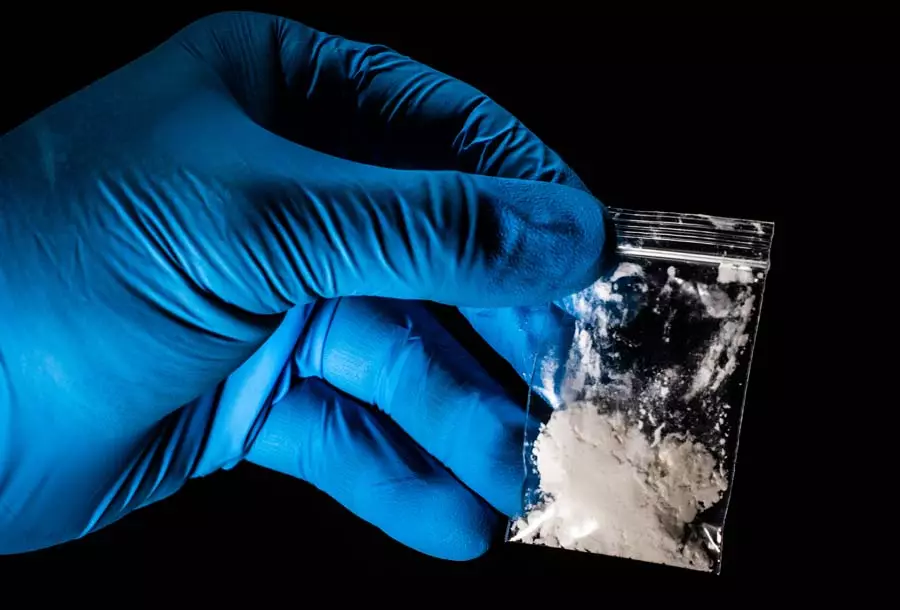
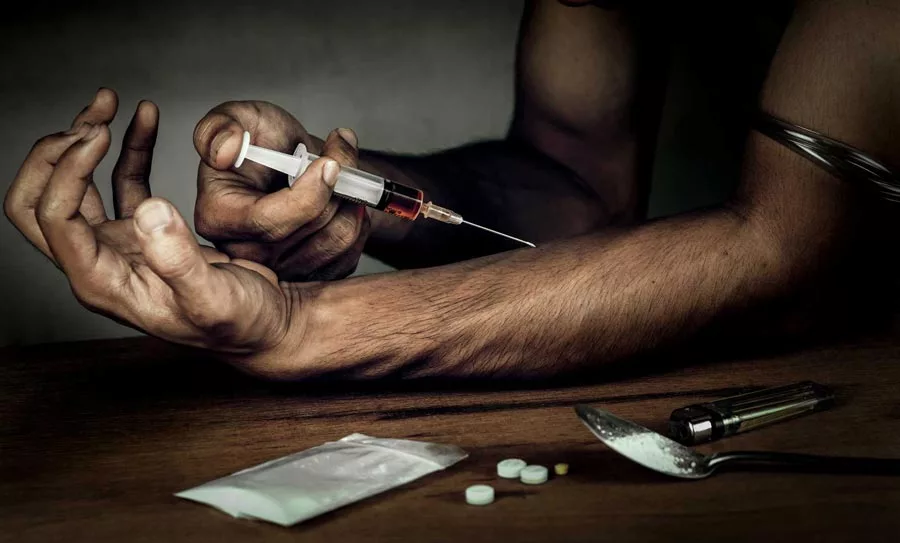
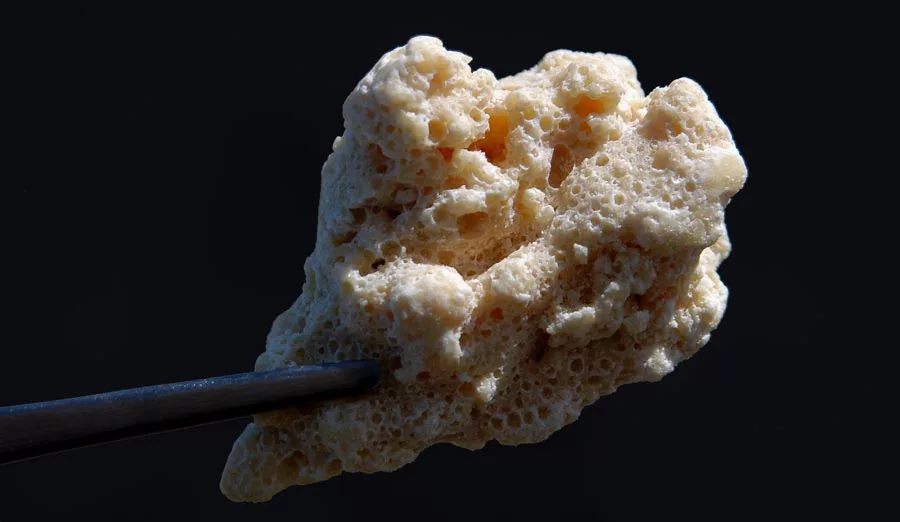
This craze’s latest offering is Tianeptine, a supplement being sold in gas stations and has similar effects as heroin and other opioids. It also causes nasty withdrawals and has been banned in several states. People are calling it “gas station dope,” and here’s what you need to know about it.

What Is Gas Station Dope?

What Is Gas Station Dope

Just because a product is easily available doesn’t mean it’s safe for use. This is especially true when it comes to gas station supplements.

Tianeptine is a perfect example of this, posing serious health risks and possibly leading to death. This substance is not FDA approved for any medical use whatsoever. Despite this, many of the manufacturers are illegally marketing this product as a solution to opioid use disorder, depression, and pain.

This substance is normally marketed as Coaxil – an atypical drug used for antidepressant purposes in Europe and Asia. As stated earlier, this drug is not approved by the FDA and is considered an unscheduled agent as of now.

Studies have shown that this drug has an opioid agonist. There have been multiple cases of negative effects and even deaths because of recreational abuse.

Emergency calls placed regarding this substance included cardiovascular, gastrointestinal, and neurological side effects. Callers also experienced symptoms similar to withdrawal after discontinuing long-term use.

In the United States, reports of negative reactions and unsavory effects involving this drug are increasing. The Poison Control Center fielded only 11 cases between 2000 and 2013. However, in 2020 alone, over 150 cases were reported.

Is Tianeptine Legal In the US?

Currently, Tianeptine is only illegal in two states. It’s considered an unscheduled substance with no medical use by the FDA, which is basically stating the verdict is still out.

Michigan and Alabama are the only two states to ban this substance so far. In both states, Tianeptine is considered a Schedule II drug. Schedule II drugs are considered substances with a high potential for abuse, having the ability to do severe psychological and physical damage.

What Are the Effects of Tianeptine?

Most users report the effects of Tianeptine to be similar to an opioid high. Many users indicate the drug causes anti-anxiety and antidepressant properties, with mild euphoric effects.

It activates the body’s opioid neurotransmitters and potentiates dopamine. In high doses, it’s possible for this drug to cause deep sedation and even overdose leading to death.

When combined with other substances like phenibut, benzodiazepines, and opioids, it can cause drowsiness, difficulty breathing, and confusion. There have been multiple reports out of Europe, where the drug is more popular, of hundreds of withdrawal cases being considered more severe than those of opioids.

Because of all of these characteristics, it may be easy to identify individuals who abuse this substance.

Signs of Tianeptine Dependence

Individuals who abuse Tianeptine may show effects similar to opioid abuse. These signs include:

  • Frequent drowsiness
  • Confusion
  • Sleeping more than usual
  • Pinpoint pupils
  • Frequently nodding out

When users run out, they’ll also display signs of withdrawal.

Does Tianeptine Cause Withdrawal?

Users have reported severe withdrawal symptoms with this drug. Many consider these symptoms to be even more severe than opioids.

Each year since 2013, cases have increased. As of last year, there were 251 cases reporting either adverse side effects or withdrawal. The increases reported are similar to the same trends as other similar drugs like Kratom, bath salts, and spice.

Kratom and Other Forms of Gas Station Dope

Kratom and Other Forms of Gas Station Dope

Kratom is known to cause withdrawal symptoms like opioids as well. This natural supplement is one of many substances to make its rounds through the gas station circuit, being marketed as an alternative to popular street drugs.

Some of these other drugs include:

Bath Salts

Bath salts are a ‘research chemical’ similar to methamphetamine. However, the negative results produced were much more severe. Users ended up in a zombie-like state, with several cases of murder and grotesque self-mutilation being reported. These substances were banned from the market and made illegal in the United States.

Spice/K2

This substance was marketed as an alternative to marijuana, advertising a similar relaxed high. However, many users reported negative side effects that included intense psychoactive properties leading to hallucinations. This drug was also taken off the market.

Salvia

Native American tribes have used this herb for years as a religious sacrament. It has extremely high psychoactive properties and leads to hallucinations and other harmful side effects. Salvia was taken off the market but is still widely traded on the black market along with psychedelics like LSD and psilocybin mushrooms.

Medical Detox for Tianeptine and Kratom

In many cases, the best course of treatment for recovery from substances like these is medical detox. Whenever detox causes intense physical withdrawal like opioids, completing the process can be difficult because of the discomfort.

However, medically-assisted detox provides constant monitoring by a professional staff and certain medications to ease the pain and discomfort caused by withdrawal symptoms.

The response from Tianeptine to this form of treatment may be similar to that of medication-assisted treatment and opioids. However, because of the relatively limited information regarding the detox process, it’s hard to recommend a concrete regimen. This is especially true considering there are no official research or case studies done on the drug.

Out of the cases that have been studied, the methods used for opioids HAVE proven effective in the treatment of withdrawal and detox from Tianeptine. Other medications may be used to mitigate the intensity of withdrawal symptoms, such as clonidine and antidepressants.

Is Long-term Recovery from Gas Station Dope Possible?

At Best Rehabs In Arizonas, we’ve dealt with many cases of rare designer drugs and research chemicals causing harm to clients. With attention to past case studies and a careful approach led by our expert medical team, long-term recovery is possible from substances like Tianeptine.

We’ll craft a personalized care plan that works best for you and help you prepare for life after treatment. For more information on how we can help you break the chains of substance abuse, contact a member of our admissions staff.
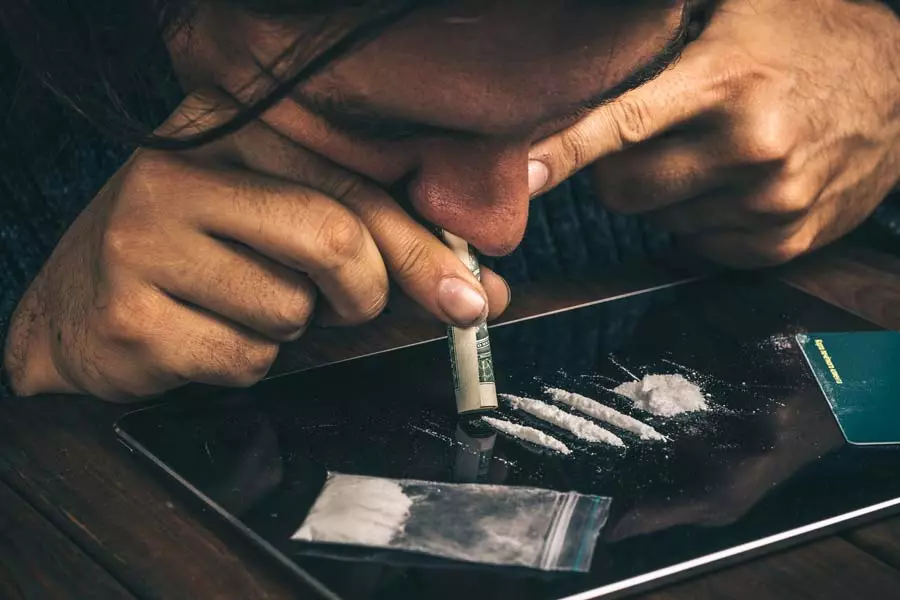
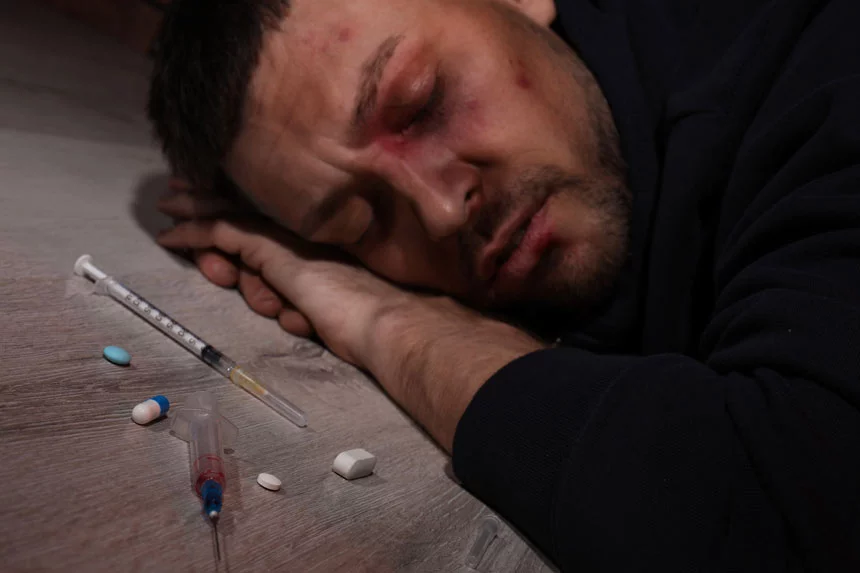
Cocaine Overdose Symptoms

What is the Symptoms of Cocaine Overdose

GLOSSING OVER THE DANGERS OF COCAINE

Even in Hollywood, where the crudest, depraved, and most unacceptable activities are glorified, most hard drugs are presented in a negative light. We have seen this time and time again when it comes to heroin in movies like “Requiem for a Dream” and meth-using movies like “Spun.”

However, no matter where you look, as one of the most infamous drugs within the addiction community, cocaine always seems to be a glamorized substance. However, those who have battled cocaine abuse and won would end up telling you differently.

This is what makes cocaine such a dangerous drug. Especially in today’s society, where news of opioid and meth overdose deaths are dominating the headlines, cocaine is quietly being overlooked despite the various negative effects it can have on a person’s life.

If left unchecked, this lack of awareness can lead a whole generation of young people into the hands of substance abuse. The bottom line is, there just is not enough awareness regarding the dangers of cocaine abuse, specifically when it comes to the risk of cocaine overdose.

HOW DOES COCAINE AFFECT THE BODY?

Derived from the Coca plant native to South America, cocaine is a very powerful and highly addictive drug due to its effect on the central nervous system. Cocaine use drastically increases the brain’s dopamine levels, the chemical primarily associated with movement and reward.

Cocaine stops dopamine from being recycled, causing a build-up of this chemical and stopping normal communication within the brain. Over time, this will encourage reward-seeking behavior associated with continuous cocaine use.

As a tolerance and eventual dependence on this drug is developed, the user will have to begin taking cocaine in higher and more frequent doses to achieve a desired effect. Not only will this form an addiction to cocaine, but it will also increase the person’s risk of overdose.

CAN YOU OVERDOSE ON COCAINE?

Cocaine Overdose

Many people are under the impression that you cannot overdose on cocaine. However, this could not be further from the truth. As all the attention has been on opioids and, more recently, crystal meth – cocaine is still as deadly as ever.

In all reality, cocaine and meth are neck and neck when it comes to drug overdose deaths, with both hovering somewhere between the 12,000 and 15,000 deaths-per-year mark since as recently as 2016.

Cocaine is far from a glamorous or safe drug, but you may not hear much about these overdose deaths on the news. These gross missteps in terms of public awareness leave family members, friends, and other mentor figures responsible for instilling the dangers of drug abuse to those who are most vulnerable.

THE RISE OF COCAINE OVERDOSE DEATHS IN THE U.S.

According to the National Institute on Drug Abuse (NIDA), cocaine-related deaths have steadily increased from 5,419 in 2014 to a staggering 19,447 in 2020. Many of these, unfortunately, could have been preventable with immediate medical attention.

The main driver of these cocaine overdoses have involved other drugs. This includes cases in which cocaine was mixed with multiple drugs, the most common of which are typically synthetic opioids or alcohol.

With these rising cocaine overdoses, it has become more important than ever to raise awareness towards the causes and dangers of substance abuse, and increase accessibility to professional addiction treatment services.

WHAT CAUSES A COCAINE OVERDOSE?

The risk of overdose is significantly increased when someone takes cocaine in large doses. What will constitute too high a dose will differ for each person based on their physical health and other biological factors. Generally, the only way to safely take cocaine is to avoid using it all.

The severity of a cocaine overdose can vary based on several risk factors, including the cocaine purity, how much cocaine was used, the method of administration, and whether a person is mixing cocaine with other substances.

If you or a loved one struggles with cocaine addiction, it may be helpful to know the symptoms of cocaine overdose. Would you know what to do if someone was displaying signs of a cocaine overdose? Do you know the signs to watch out for?

COCAINE OVERDOSE SIGNS & SYMPTOMS

Cocaine Overdose Signs and Symptoms

Those who are experiencing cocaine toxicity are in an extremely dangerous situation, especially considering the potential for heart damage. One of the greatest risks associated with taking toxic levels of cocaine is the risk of experiencing heart attacks or other heart-related issues.

During a cocaine overdose, heart rate and blood pressure spike. If help is not sought immediately, these levels can become high enough to lead to additional complications. It is important to be aware of other cocaine overdose signs so you can get help before it’s too late.

Additional physical and psychological symptoms of a cocaine overdose will often include:

  • Enlarged pupils
  • Intense sweating
  • Labored breathing
  • High body temperature
  • Clammy skin
  • Loss of color
  • Convulsions
  • Twitches or tremors
  • Complaints of chest pain/numbing in one arm
  • Unconsciousness
  • Dry mouth
  • Respiratory depression


Because these symptoms can be life-threatening, seeking emergency medical treatment is critical during a potential cocaine overdose. While the starting point for cardiac arrest is not yet conclusive, in certain situations, this risk may be increased depending on prior health conditions and the amount of cocaine ingested.

In extreme cases, more severe physical effects may occur from a cocaine overdose, including significant damage to a person’s gastrointestinal tract, organ failure, and cerebral bleeding; all of which can cause permanent damage, including death.

SYMPTOMS OF COCAINE OVERDOSE BY THE STAGES

When it comes to the development of cocaine overdose symptoms, these may not all occur at the same time. Typically, this process will carry over the course of four general stages of overdose, each presenting their own mental and physical signs of overdose.

1. Stage One of Cocaine Overdose

When someone takes too much cocaine, they will experience an initial rush of euphoria and energy. While this may produce the same effects as their normal drug use, this high may feel more intense than what they have previously experienced.

2. Stage Two of Cocaine Overdose

As these more pleasant initial feelings begin to fade, the user may begin to find it difficult to breathe and experience intense sweating. Their pulse will steadily begin to increase, as well as their blood pressure.

3. Stage Three of Cocaine Overdose

Stage three of most cocaine overdoses is associated with the development of psychological signs of this life-threatening side effect. This may include rising anxiety and feelings of panic. At this point, chest pains or numbness throughout the body may also be experienced.

4. Stage Four of Cocaine Overdose

In the final stage of cocaine toxicity, the person suffering may experience an increase in their physical symptoms, such as high body temperature, nausea and vomiting, or foaming at the mouth.

This may be followed by tremors or convulsions, as well as their segue into cardiac arrest. Once this point of overdose occurs, the affected person will need to receive immediate medical attention in order for their overdose symptoms to be properly addressed.

HOW DO COCAINE OVERDOSE SYMPTOMS FEEL?

cocaine overdose

What does a user feel like when they are going through a cocaine overdose? Not always will the user understand they are going through an overdose. Many times, they will be physically unable to convey how they feel.

During a cocaine overdose, individuals may experience a wide range of physical and mental health effects within a short period of time. These may be more severe if they used cocaine with other drugs. Some of the most commonly experienced symptoms include:

  • Tightness in chest.
  • Moderate to severe chest pain.
  • Extreme anxiety and distress.
  • Difficulty breathing.
  • Disassociation and difficulty remaining focused or keeping a train of thought.
  • Difficulty maintaining or complete loss of consciousness.

IS COCAINE OVERDOSE COMMON?

Cocaine overdose is probably more common than you think. Using data from last year regarding drug use, it’s estimated that almost 20% of individuals suffering from cocaine abuse disorder end up in the emergency room for a possible overdose. This ends up totaling somewhere around 110,000 users per year.

Out of these 110,000 users, an average of about 15,000 will end up losing their lives to a cocaine overdose. Except for the number of current users, the statistics surrounding cocaine hospitalization and overdose deaths are nearly identical to methamphetamine numbers in the same category.

Because cocaine overdose is a significant threat, it is important to understand what to do in the event that you or someone you know is experiencing an overdose.

WHAT TO DO FOR SOMEONE DURING A COCAINE OVERDOSE

If you or someone you know is suffering from a cocaine overdose, it is important to remain calm and exercise proper judgment. The first thing you will want to do is contact 911 to ensure an ambulance is already on the way. Secondly, you will need to assess the situation.

Are you able to determine what stage of overdose they are currently in? Is the individual able to remain coherent or awake? If the individual is still alert and conscious, ask them how they are feeling. Sit and talk with them to help keep them focused on your voice and not the fact that they have ingested too much cocaine.

The goal is to keep their anxiety at bay, as panic can increase their blood flow, allowing more of the drug to reach vital areas of their body more quickly. If they are unconscious or nearing that point, do not throw water on them or slap them. You might have seen this in movies, but it is not the right thing to do in real life.

Instead, gently turn the person on their side and put a pillow under their head. This will stop them from choking if they end up vomiting. Monitor them closely while you wait for EMS to arrive. Ensuring they are still breathing and have a pulse is the best thing you can do for them until medical personnel can take over.

ACTIONS TO TAKE DURING A COCAINE OVERDOSE

Actions to take during a cocaine overdose

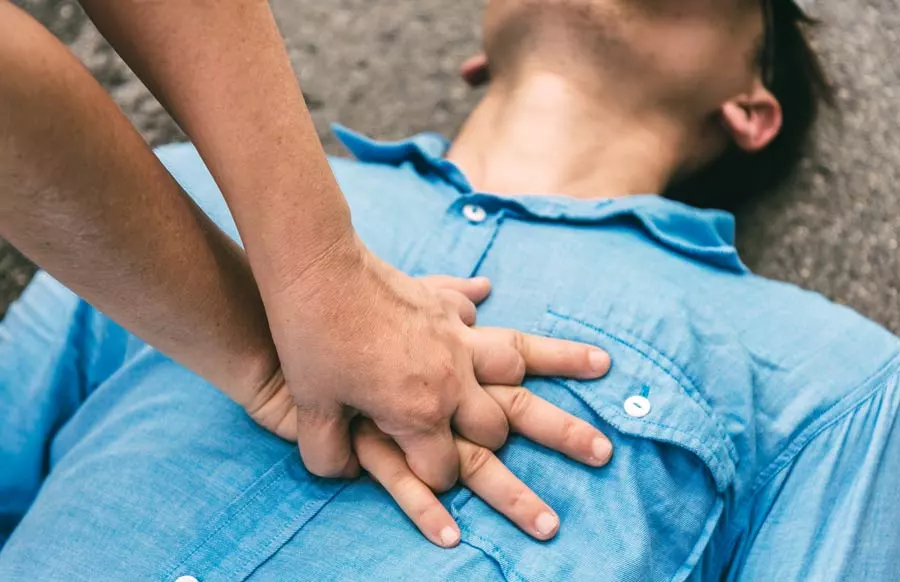
While you are waiting for EMS, you need to begin administering CPR if they suddenly stop breathing. You need chest compressions to keep their blood pumping and better ensure they are breathing properly.

Remember, it only takes about three minutes without oxygen to suffer brain damage. Typically, this is what causes death in many cases of drug overdose. It is not the direct toxicity of the drug itself, but rather the lack of oxygen for too long of a period.

In the case of a cocaine overdose, however, many of these deaths occur as a result of a heart attack. Not every cocaine overdose leads to a heart attack, though. This depends on how strong the dose of the drug is and the health of the user’s heart.

The chances are high that if the individual has a strong cardiovascular system, they may not suffer from a heart attack. This gives them extremely strong odds of making a full recovery. However, there is another risk of overdose that must be taken into account.

As the opioid epidemic continues to wreak havoc throughout the nation, a major issue putting cocaine users in harm’s way of experiencing deadly side effects from their substance use is the rising popularity of another drug known as fentanyl.

THE RISKS OF FENTANYL AS A COCAINE ADULTERANT

There is currently an extremely high number of substances discovered on the black market that contain high doses of fentanyl. This is particularly alarming, especially considering that most of the users have no idea their drug of choice may be adulterated with this deadly opioid.

Various batches of different substances have been tested and exhibit the same results – from cocaine to meth, marijuana, and ecstasy, they are all increasingly testing positive for fentanyl. This is causing another surge in overdose deaths of all age groups.

The Risks of Fentanyl as a Cocaine Adulterant

What makes this scarier is the fact that these individuals have no idea these drugs are laced with the powerful opioid. In many cases, people in their company have no idea how to remedy the situation because of the unexpected results.

While it is currently unclear why doses of fentanyl are being placed in other drug supplies, many people have their theories. One theory to consider is the attempt to force users into a physical dependency on fentanyl.

Once this happens, individuals must consume the drug to even be able to function normally. This would certainly be a way to ensure that clients return to buy the same batch, over and over again.

Regardless of the reasoning, this proves the ruthlessness and lack of remorse the organizations that manufacture and distribute these drugs have, and adds another danger to cocaine use in the form of an increased risk of overdose and addiction.

LONG TERM EFFECTS OF COCAINE USAGE

In addition to a potentially fatal overdose, individuals who engage in long-term cocaine usage face a potentially deadly list of psychological and physical side effects. These long-term negative consequences may include:

  • Cardiovascular issues
  • Skin conditions affecting the face
  • Loss of nasal cartilage structure
  • Increased risk of heart attacks and stroke
  • Heart disease
  • High blood pressure
  • Anxiety/depression
  • Paranoia/psychosis


Seeking professional substance abuse treatment services following a cocaine overdose is the best course of action. With the right help, users have a real shot at long-term recovery and successfully maintaining their sobriety.

IS LASTING RECOVERY FROM COCAINE ADDICTION POSSIBLE?

At Best Rehabs In Arizonas in Colorado and Arizona, we understand that lasting recovery takes a strong team with experience and compassion. This is exactly what we bring to the table.

Recovery isn’t easy – but nothing worth having ever is. We will be right there with you throughout your entire treatment process, ensuring your comfort and safety while providing you with the education and tools you need for lasting sobriety.

Your recovery is calling. Contact Best Rehabs In Arizona today to find out how we can help you start your journey to addiction treatment and achieve a full, successful recovery from the shackles of regular cocaine use.

Ice Cream Drug and Meth Slang Terms

Ice Cream Drug and Meth Slang Terms

The mindset of “my child would never use drugs” or “those types of drugs aren’t a problem in my town” are outdated assumptions that currently don’t even have a sliver of truth to them. There was a period in American culture when certain substances hadn’t permeated the fabric of tight-knit communities.

Currently, the opioid and methamphetamine epidemics have spread out to affect nearly every American family in some way. If any of your loved ones – specifically your kids – were struggling with substance abuse or even just dabbling, would you be able to identify the presence of drugs in their lives?

You’re vigilant enough to notice any physical indicators that could signal any drug use if you’re lucky. Unfortunately, physical signs may not manifest until later stages of abuse.

There may even be people you suspect your loved ones are using drugs with. Some family members will attempt to pick up on signals from conversations they have in person and on the phone.

However, it’s possible they could be speaking about drug use right in front of you, and you may not even know it.

Ice Cream and the Many Slang Terms for Meth

One way to tell if your loved ones could possibly be suffering from substance abuse issues is by listening to certain words in their dialogue. Meth has multiple slang terms individuals use to hide the fact that they’re actually talking about drugs.

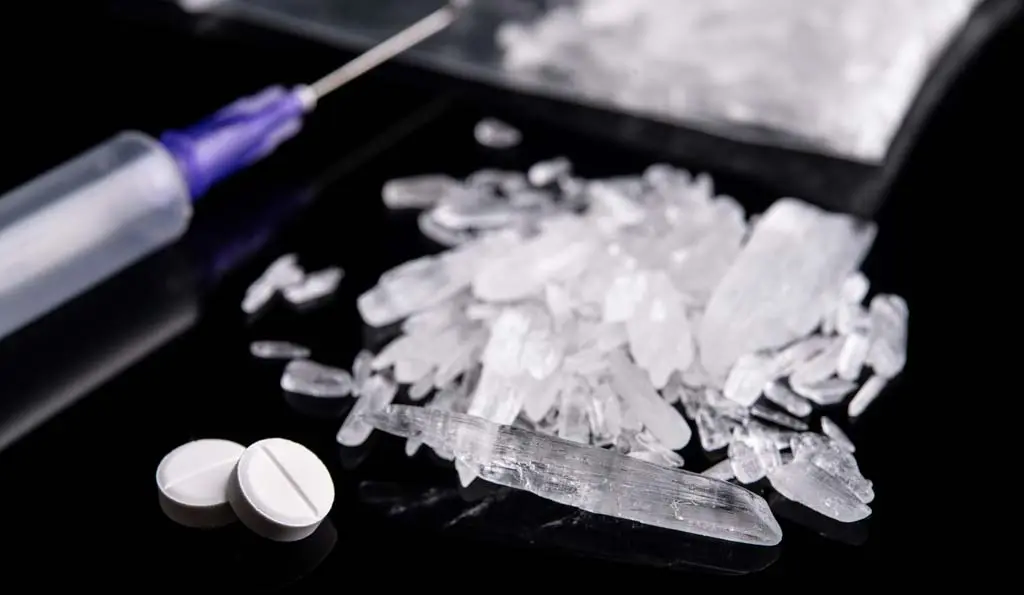
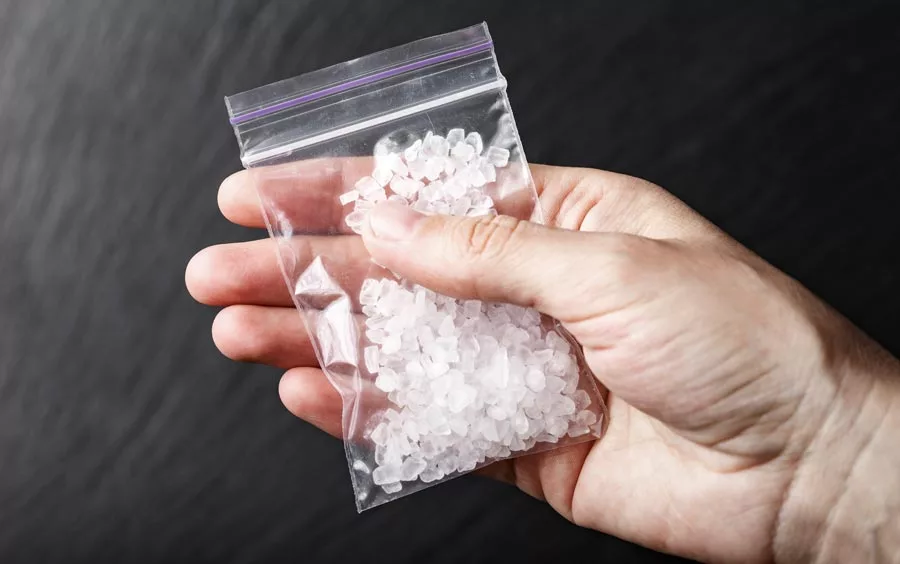
One of the most commonly used phrases for meth is “crystal,” which is short for crystal meth. This name is used because of the distinct crystalline form the drug commonly comes in. Later, the drug community would adopt the nickname “crank” because of its effects on the user.

If you suspect meth use from someone you care about, the following terms should raise a red flag:

  • Tina
  • Christina
  • Christie
  • Go-Fast
  • Go-Go Juice
  • Chicken Feed
  • Poop
  • Trash
  • Glass
  • Ice

If you hear any of those terms used frequently, especially around characters you may already be suspicious of, it should be a huge red flag. Identifying the signs of meth use is vital for avoiding long-term abuse and the side effects that come with it. The rising purity of the ice cream drug in the US is causing the rapid deterioration of mental health in large populations across the country.

The Rising Purity of the Ice Cream Drug In the US

Before sometime around 2006 or 2007, most of the meth available on the market was produced using ephedrine, a common ingredient found in cough medications. However, after a crackdown on clandestine labs throughout the United States in the early 2000s, obtaining ephedrine in large quantities became all but impossible – even in Mexico.

Manufacturers of the drug began using a recipe known as the “P2P method.” This particular recipe uses phenyl-2-propanone, aluminum, methylamine, and mercuric chloride instead of the ephedrine.

Mostly used during the 1970s and early 80s by outlaw biker gangs, this method took a backseat to ephedrine-based production because of the latter’s use of fewer harmful chemicals. However, after the ephedrine crackdown, manufacturers realized the precursors needed to cook P2P meth were much easier to obtain – and in massive quantities.

The Spread of Super Meth in America

This method is what has led to the explosion in meth abuse we’re currently witnessing alongside The Spread of Super Meth in Americathe opioid epidemic.

This method is what has led to the explosion in meth abuse we’re currently witnessing alongside the opioid epidemic. Mexican “super labs” are producing extremely large quantities of the drug – often tons at a time, in older, abandoned warehouses in cities near the United States border.

The surfacing of a high number of operations of this scale led to the price of meth bottoming out. Pounds are currently available for $1,000 in some states– a stark contrast to prices of the early 2000s when a pound of meth could fetch up to $10,000.

With super labs producing meth at record quantities and prices at rock bottom, competing cartels had only one choice to gain the upper hand – increase the purity. A great deal of the meth currently available on the United States black market is over 98% pure.

This is causing two huge issues. The first is the fact that meth produced using the P2P method causes more intense psychological side effects much faster than other variations. Drug-induced psychosis can set in in a matter of weeks instead of months or years and linger longer even after treatment.

The second challenge is relatively new territory for law enforcement and medical professionals. Overdose cases because of meth are also at an all-time high, presenting a fresh set of challenges for emergency workers.

Can You Overdose from the Ice Cream Drug?

It was rare to hear about overdoses related to meth in the past. Unfortunately, the tragic spike in deaths related to meth overdose has been overshadowed by the numbers associated with fentanyl.

In 2020, over 93,000 people died as a result of a fentanyl overdose. However, from 2015 to 2019, deaths associated with meth overdose quietly tripled in the background.

The numbers rose from 5,526 to a staggering 15,489 – a 180% increase. It’s worth noting that an uptick in overdose deaths would normally correlate with an increase in the number of users around the same percentage.

Surprisingly, the number of active meth users only rose 43% during the same amount of time. A situation resulting in a 180% increase in toxicity deaths and only a 43% increase in active users points only to one factor – a deadly spike in the purity of the drug or a change in the recipe that’s causing the wave of deaths.

While evidence points to the former being the culprit and not the latter, it still piques one’s curiosity. How is the ice cream drug made now compared to a decade ago?

How Is the Ice Cream Drug Made?

Overall, three primary methods exist for manufacturing methamphetamine. These three methods are known as the following:

  • Red Phosphorous Method. This was the primary method used throughout the 1990s and early 2000s before the current method took over.
  • Birch Method. The birch method, otherwise known as the Nazi method or Shake and Bake, is a cruder form commonly found in smaller, clandestine backyard labs across the United States.
  • The P2P Method. The P2P, or Amalgam Method, is the process most heavily used in Mexican super labs. Most of the batches that end up in the hands of users today are made using this method.

Let’s examine each method in greater detail.

Red Phosphorous Method

The red phosphorous method is known for using ephedrine as the primary ingredient. Meth created using this method is known for a high that produces euphoric, energetic effects as opposed to the paranoia-inducing P2P method. Ingredients used for this method include the following:

  • Hydriodic acid
  • Hydrochloric (muriatic) acid
  • Sulfuric acid
  • Sodium hydroxide (lye)
  • Sodium chloride (salt)
  • Red phosphorous
  • Iodine
  • Isopropyl alcohol
  • Ethyl alcohol (ethanol)
  • Methyl alcohol (methanol)
  • Ephedrine
  • Pseudoephedrine

The Birch Method

The birch method, better known among meth users as shake and bake, is a process that involves hardly any lab equipment. Normally, this method is produced using one container or pot instead of a series of glass tubes and beakers. Because of the simplicity of its production, this is the method most commonly found in clandestine labs for private use across the United States. Common ingredients for this process include:

  • Anhydrous ammonia
  • Lithium metal
  • Sodium metal
  • Isopropyl alcohol
  • Ethyl alcohol (ethanol)
  • Methyl alcohol (methanol)
  • Hydrogen chloride gas
  • Hydrochloric (muriatic) acid
  • Sulfuric acid
  • Sodium chloride (salt)
  • Toluene
  • Naptha (Coleman Fuel)
  • Methyl ethyl ketone
  • Ephedrine

P2P Method

The P2P method is currently the method being used in the Mexican super labs south of the border. The problem with this method is the fact that it contains d-methamphetamine and l-methamphetamine isomers. D-methamphetamine causes the intoxicating effects that users crave from abusing meth. However, l-methamphetamine causes the negative mental side effects so often seen in current meth users.

  • Phenyl-2-propanone (P2P)
  • Methylamine
  • Mercuric chloride
  • Aluminum, hydrochloric acid
  • Isopropyl alcohol
  • Methanol, ethanol
  • Acetone
  • Benzene
  • Chloroform

Because of the quickly deteriorating mental capacity of current meth users, it may be easier to identify the warning signs of abuse.

What Are the Warning Signs of Ice Cream Use?

What Are the Warning Signs of Ice Cream Use

In the past, it seemed that the warning signs of meth abuse were often physical as opposed to mental. While physical warning signs are still present, red flags may exist more in the form of mental symptoms. Some of the most common indicators present in users are listed below:

  • Paranoia, or a belief that someone is chasing them
  • Withdrawn from society, family, and friends
  • Violent changes in mood swings
  • Aggressive or violent tendencies or periods of rage
  • Enlarged pupils
  • Staying up for extended periods
  • Long periods of sleep
  • Engaging in ideas or beliefs that don’t make sense
  • Difficulty staying focused on one task
  • Becoming ultra-disorganized

Individuals who abuse meth engage in a behavior known as tweaking. They will remain hyper-focused on one activity, possibly participating in this activity for hours. However, when they get distracted, they’ll leave these projects, often unfinished, to move on to the next. This false belief that they’re accomplishing more leaves behind multiple unfinished tasks and projects.

Physical Side Effects of the Ice Cream Drug

Even though mental indicators may be more prevalent initially, this doesn’t exclude the possibility of physical side effects. Eventually, most everyone who suffers from meth abuse disorder will begin to manifest the physical signs of use. These signs include:

  • Rapid weight loss
  • Dark circles under the eyes
  • Dry mouth
  • Cracked, dry lips
  • Dehydration
  • Rapid heartbeat
  • Spikes in blood pressure

Most of these symptoms are associated with the effects of short-term use. However, most of these physical side effects of the ice cream drug will increase in severity with long-term use.

There isn’t one guaranteed set of effects that users that long-term users are guaranteed to experience. The intensity of most of these effects heavily depends on the amount used, frequency of use, and any pre-existing conditions or accompanying addictions the user has.

What Are the Long Term Side Effects of Ice Cream Abuse?

Many long-term effects exist for individuals who suffer from meth abuse disorder. Again, many of the worst side effects will be mental because of the current manufacturing process. However, extended use will eventually lead to potential life-threatening physical challenges.

Mental

  • Meth-induced psychosis
  • Difficulty concentrating
  • Memory loss
  • Loss of cognitive abilities
  • Difficulty maintaining relationships

Many of the long-term mental effects are repairable after extended periods of recovery. What are some of the long-term physical side effects?

Physical

  • Extreme weight loss
  • Loss of teeth
  • Long-term blood pressure and heart issues
  • High risk of heart attack and stroke
  • Heart disease

Again, it’s possible to overcome the physical side effects after long-term recovery.

Methods of Treatment for Meth or “Ice Cream” Dependence

There is no one-size-fits-all treatment for individuals who suffer from meth abuse disorder. However, through assessments and one-on-one interviews with mental health professionals, clients can form a personalized treatment plan that includes the most effective forms of therapy.

Some of the most commonly used forms of treatment for meth abuse disorder include:

  • Talk therapy and one-on-one counseling with therapists
  • Cognitive-behavioral therapy. This form of treatment helps clients replace negative behaviors associated with meth abuse with more positive behavior habits.
  • Dual-diagnosis treatment aims to remedy underlying mental conditions that exist as a trigger for meth abuse disorder.
  • Group recovery meetings similar to 12-step programs are effective after inpatient or outpatient treatment.
  • Group therapy with family members and loved ones also significantly affects a positive recovery.

One of the most critical steps in the recovery process is actually finding help for a loved one using methamphetamines. With the right support system and the will to recover, individuals who suffer from meth abuse disorder have a good chance at lasting recovery.

Is Lasting Recovery from the ‘Ice Cream drug’ Possible?

At Best Rehabs In Arizonas in both Colorado and Arizona, we pride ourselves on having a staff who believes in long-term recovery and is experienced in helping clients achieve it. We start with a quality, accredited medically supervised detox process that segues into a top-notch inpatient treatment stay.

Clients have regular access to therapy sessions with top-rated mental health and substance abuse specialists. We even have five-star chefs preparing meals for clients – nutrition is a huge part of recovery as well!

If you’re ready for a robust treatment program that attacks abuse disorders from every angle, contact a member of our admissions team today!

Psychological Addiction

Psychological Addiction

Addictions can be either physical or psychological. When a person is addicted to a drug, both of these subtypes of addiction are present. Psychological habits come from the impact that substances may have on the brain. Typically, they deal with the reward center of the brain. In many cases of addictive substances, the drug produces a massive amount of dopamine that leads to feelings of euphoria or pleasure.

The Role of Dopamine in Psychological Dependence

Unfortunately, the dopamine flood has some severe impacts on the brain’s structure. Over time, the brain changes to make it impossible to have regular feelings of accomplishment. The mental desire for the drug becomes too much to avoid, and eventually, the person gives in to the feeling.

Sometimes, the psychological component of addiction might be both pleasure-seeking and avoiding returning to the real world. Many people who use recreational drugs do so as an escape from reality. Because they use the substance this way, they feel less of a draw to return to the real world and keep using it as a means of permanent escape. This approach can be dangerous and lead to overdosing if the user isn’t careful.

Physical vs Psychological Addictions

As mentioned before, addictions can be both physical and psychological. Physical addiction is based on the physical need for a drug to be present in the body. Because it’s not used to the sheer volume of dopamine that a drug’s high generates, the brain will rewire itself to deal with it. As a side effect, the brain retools itself to be unable to function if the drug isn’t present in the bloodstream. This situation is a physical addiction, where the brain’s structure has changed to accommodate the drug.

Psychological addiction doesn’t rely on the body. The brain is a powerful organ, and when it wants something, it creates urges in a person. Psychological dependence comes from the brain wanting more of a substance. This situation may arise because the brain wants its pleasure centers to function or escape reality. The urges formed can be compelling and hard to ignore in either case.

What Is Psychological Dependence?

Psychological dependence is when the brain becomes attached to a substance through emotions or feelings. Mental dependence doesn’t show the same sort of effects as physical dependence. However, that doesn’t reduce their impact on their wants and needs. The brain’s pleasure center is the core of these psychological addictions. Because many of these drugs make it impossible to feel regular feelings of accomplishment anymore, the brain becomes depressed when it doesn’t get the chronic stimulation from them.

Part of the impetus to keep using the drug is to recover those feelings of euphoria that the brain was chasing initially. The dependence on that feeling of joy keeps the user coming back for more. The brain’s normal dopamine response can’t provide the emotions that the brain’s pleasure center needs anymore because of tolerance. This tolerance comes from the massive dopamine flood discussed earlier. The more dopamine within the brain, the more it needs to get the same feelings of pleasure.

How Does Psychological Addiction Happen?

Psychological Addiction

Psychological addiction is the exact mechanism a person uses to ingrain habits into their daily schedule. When a person does something consistently over time, their body starts rewarding them with small shots of dopamine to the brain. The minor doses of dopamine are usually enough to get the brain’s pleasure centers working and feeling satisfied.

The body, detecting that doing a particular thing gives a reward, continues setting up times to do that thing, establishing a habit. Habits don’t necessarily have to be bad. Some of them, such as exercising regularly or taking breaks from work, are healthy and necessary parts of restoring balance to life.

Unfortunately, using drugs short-circuits the reward pathway and drives the brain into a spiral of uncertainty. The amount of dopamine that even the mildest drug generates is far more than what the brain can deal with usually. Once it’s had this taste of pleasure, it can’t go back to the tiny allowances it would typically get. The result is psychological addiction.

What are the Underlying Causes of Psychological Addiction?

What causes a person to become mentally addicted to a substance? The mental draw of a substance may be due to the feelings it produces when it’s in the body. However, this isn’t the only reason for developing psychological dependence.

Some studies have suggested that certain people get a positive reaction from doing a particular drug. The response here is simple – they enjoy the feeling, so they do the drug. However, in some cases, it might not even be about the emotions that the drug generates when it’s in the person’s body.

Other researchers have found that some people do drugs because of nostalgia. In many cases, people started doing drugs when they were younger and associated it with having a good time or going to a party. Because of their feelings rooted in the past, these individuals are more likely to do drugs.

In a few cases, people use drugs as a tool to cope with their reality. Just like some people read, others use drugs to help them imagine themselves away from their surroundings. Also, psychological dependence can take hold as the outside world gets more unforgiving. The fantasy world that the drugs introduce them to becomes where they want to spend most of their time.

What Substances Cause Psychological Addictions?

Most substances can cause psychological addiction. Some substances may only cause psychological dependence and have no physically addictive properties. While almost any substance can result in psychological addiction, a few stand out as the most addictive from a mental standpoint. Among them are:

  • Cannabis
  • Psychotropic medication, including depressants
  • Stimulants, like cocaine and Ritalin
  • Hallucinogens like LSD
  • Inhalants

Many of these substances also have a physical addiction component that goes along with psychological addiction. It’s not a simple process to understand how a person becomes psychologically addicted to a substance or whether they are more mentally or physically addicted to it.

How Does Addiction Affect the Brain?

As most people would know, addiction is a brain disease that results from making bad decisions regarding sourcing a drug and using it. These decisions are illogical and don’t make sense to someone who understands the user. Even the person making the decisions isn’t sure why they’re doing it.

Addiction’s effect on the brain makes it less aware of the world around it. It encourages tunnel-vision – forcing the person to focus on a single goal and ignore all the other things that might happen during their quest to achieve it.

The brain’s physical structure also changes because of addiction. Physical addiction stems from a condition known as dependence. As mentioned above, the brain rewires itself around the massive floods of dopamine that the drugs introduce. This rewiring leads to an inability to function without the drug.

Dependence is the fuel for psychological addiction as well. When a person becomes dependent, their urges and cravings center on getting the drug at any cost, including facing jail time or death. The psychological blocks that would stop these behaviors become eroded, leading the person down a dangerous path that may eventually claim their lives.

Withdrawal From Psychological Addictions

Psychological Addiction

Withdrawal is a crucial part of addiction recovery. Going through withdrawal breaks the body’s dependence on a drug, but it can also give users agency in their decisions again. Detoxification is a method of controlled withdrawal that most rehab facilities use to help their patients overcome their addiction.

Unfortunately, withdrawal can have some severe symptoms. These symptoms may ramp up in intensity the longer a person avoids the substance. Among the typical psychological responses to withdrawal are:

  • Cravings
  • Change in sleep patterns or incidences of insomnia
  • Obsessing over the substance or romanticizing its use
  • Mood swings
  • Inability to concentrate
  • Poor judgment
  • Depression
  • Anxiety when considering stopping the use of the substance
  • Irritability or restlessness
  • Denial of a substance abuse problem

These psychological responses are in addition to the physical reactions a person may have from a drug. The psychological responses work alongside the physical withdrawal symptoms to push a person back into using the substance, even though they know it’s not in their best interest.

Supervised withdrawal in detox facilities is the best way to overcome withdrawal. Staff at those facilities can help in case there’s a medical emergency. These facilities are also excellent at preventing people from succumbing to their urges and relapsing. Withdrawal sets the stage for further treatment.

Can Rehab Help with Psychological Addictions?

Psychological Addiction

Rehab centers offer many solutions for psychological addiction. As mentioned before, many rehab centers have detox facilities that can aid in breaking the physical dependence a person might have on a substance.

However, physical addiction isn’t the only thing that detox addresses. Psychological addiction can be dealt with partially in detox. The real power of detox is allowing a person to proceed to in-depth therapy to deal with their psychological dependence on a substance. If they are still physically dependent on the substance, there’s no way they can succeed in overcoming the psychological dependence on it.

Behavioral Health Treatment for Psychological Addictions

Behavioral therapies have shown a lot of promise in helping patients overcome their psychological urges to use a drug. These therapies focus on giving the individual tools to spot when their thoughts are impacting their actions. The goal is to spot the negative thoughts that lead to negative actions early to avoid them.

Cognitive Behavioral Therapy (CBT) has become one of the best ways to deal with psychological addiction over the long term. Other behavioral therapies may also contribute to overcoming psychological addiction. However, this requires constant work, even after in-facility treatment has ended.

Many people believe that they’re clean of the substance when they’re finished their three-month stay in a rehab facility. Unfortunately, that isn’t true. Rehab centers address the problem of overcoming the most pressing symptoms of addiction. Over the long term, psychological urges may persist, potentially risking falling back into their old habits of use.

CBT can be helpful in these situations, giving a person the tools they need to overcome their psychological addiction. Recovery is only truly complete when a person no longer has these urges to use the substance. This final point may take years to get to, but it’s worth the time spent getting there.

Treatment For Psychological Addiction or Dependence

Best Rehabs In Arizona Recovery has dealt with both physical and psychological addiction. Our rehab centers have dedicated detox facilities, but we also provide long-term support for recovering persons in the form of therapy. Our trained staff are knowledgeable in treating psychological addiction and can advise you on the best approach for you.

If you’re unsure whether you can overcome your addiction, come see us. Our doors are always open, and we’re willing to listen and help. Contact Best Rehabs In Arizona today to schedule your first visit and experience our approach to overcoming addiction.

How Long Does a Heroin High Last?

How Long Does a Heroin High Last

Heroin is one of the most dangerous opiates on the market today. Usually found as a powder, many individuals use it as a recreational drug. In the past, opiates like heroin used to be used as painkillers. However, doctors realized that these substances have undesirable side effects like addiction with time. Heroin is a fantastic painkiller. It inhibits signals from reaching the brain, dulling the feeling of pain that may occur within the body.

Alongside this beneficial painkilling aspect, heroin also produces a sense of euphoria as it causes the body to dump a lot of dopamine into the brain. Dopamine is the chemical that makes a person feel good about accomplishing something. Unfortunately, this dopamine rush causes the brain to change itself to cope with it, leading to dependence and addiction.

The Stages of a Heroin High

Heroin highs happen in two different stages. In the first stage, there is a feeling of warmth, happiness, and euphoria that is associated with the spreading of the drug into the brain’s regions. This may only last a few minutes, and it’s the feeling that many heroin users yearn for. The second stage lasts a bit longer and is characterized by extended mild euphoria, sleepiness, relaxation, and pain relief.

This second stage of high lasts for between two to five hours. Eventually, the feeling dissipates, and the user starts feeling the need to use it again to chase that feeling. Why exactly does heroin do this to a person, and how does it work on a person’s brain and body?

What Does Heroin Do to You?

The brain is a mass of chemical interactions. The transmission lines for these interactions are known as receptors. The brain typically sends information between receptors by chemicals known as neurotransmitters. One set of these receptors is designed to accept chemicals like heroin, known as opiates or opioids.

Once a person takes an opiate-like heroin into their body, these receptors start collecting the molecules inside the bloodstream. The opioids are pain-blockers, making it harder to get a pain signal through to the brain. Unfortunately, the side effect of these opioids is a massive flood of dopamine, as mentioned before.

How does Heroin Work in the Brain?

How Long Does a Heroin High Last

This dopamine flood is far in excess of anything the brain usually has to cope with. As a result, it needs to adjust itself and reorient to deal with the new situation. It starts rewiring itself to function normally with such a large volume of dopamine in the body. This rewiring results in the body needing more dopamine to get the same effect, an adaptation known as tolerance.

A person who is tolerant to heroin needs more of the drug to get the same high they rode previously. The rewiring of the brain creates physical dependence on the drug, meaning that the brain can no longer operate normally without it in the bloodstream. Dependence is the first step towards addiction. The term addiction refers to a brain disease where a person’s dependence on a substance affects their ability to make cognitive decisions.

What Opioids Are Similar to Heroin in Effect?

Drugs produced from opium or the poppy plant itself are called opiates. Synthetic drugs that try to mimic the chemical properties of opium and its derivatives are known as opioids. Both of these types of drugs interact with the same systems in the brain. Their impact is similar to a great extent. Among the opioids that produce a similar effect as heroin when taken are:

  • Fentanyl: Fentanyl is 80-100 times more potent than morphine, the precursor to heroin. It typically appears as pills, and gel capsules, resembling legitimate pharmaceuticals. Fentanyl is sometimes combined with other drugs, but it can kill on its own. It’s among the most dangerous synthetic opioids currently available.
  • Prescription Drugs: Drugs such as codeine and oxycodone are synthetic opioids that have a similar action to heroin. These drugs were initially thought to be safe to use, leading to doctors prescribing them for chronic pain control. Thanks to this recklessness, there is a rising opioid crisis in the US as many of those prescribed developed an addiction.
  • Morphine: Before heroin was discovered, the painkiller of choice was morphine. It was used to significant effect as a painkiller and featured as a staple in the second world war as a painkiller on the front lines. Unfortunately, its addictiveness made it unsafe for use, and it was quickly phased out, forcing individuals addicted to it to find another drug to use.

How Long Does Heroin Stay in Your System?

Heroin doesn’t have a very long life within the body. Some experts agree that heroin’s half-life (the amount of time it takes for half the substance to be used) is about thirty minutes in an adult. While the drug is quickly in and out of the body, the effects that it produces can linger for hours. The initial hit, as explained above, brings that feeling of euphoria, with the secondary high and painkiller functionality coming later.

Concerns in Drug Testing for Heroin

How Long Does a Heroin High Last

Tests for heroin typically avoid looking for the drug in the bloodstream since it’s metabolized so quickly. However, it does linger in the body in the urine. If a person uses heroin, it may be present in trace amounts in their urine for up to two days afterward, although sometimes it may be excreted within six hours.

Urine is the most convenient test to find heroin over a period, but hair follicles can be just as helpful. If a person takes heroin, it can be detected in a hair follicle for up to three months after their last use. Newer tests have built upon these successes and can see heroin use in a person longer than three months, possibly up to six. This makes it extremely difficult to get away with taking the substance recreationally.

Factors That Affect a How Long A Heroin High Lasts

No two people who take heroin get the same feelings. Each person’s brain is built differently, but the brain structure isn’t the only thing that affects how long a heroin high lasts. Several factors can affect the length of a high, including:

  • Method of taking the drug: Injecting the drug into the bloodstream is the fastest way to get high, but it also results in the quickest removal of the drug from the bloodstream. Snorting or smoking the drug has a more extended high but takes longer to get there and back.
  • How potent the drug is: Most manufacturers of heroin these days are illegal labs with no quality control. The drug batches they produce will vary in concentration, which affects the intensity of a person’s feelings.
  • Amount of drug taken: The more drugs a person takes, the more intense the high is and the longer it lasts. Taking higher doses leads to more extreme highs but also runs the risk of overdosing on the drug.
  • Tolerance: As mentioned before, tolerance impacts the feeling of euphoria. The more tolerant to the drug a person is, the more difficult it is for them to get high from it.
  • Combination with other substances: Using heroin alongside other drugs can increase the feelings of euphoria, but it could also increase the risk of the body failing. Polydrug use carries a severe risk of life-threatening malfunctions and potentially death.

What Does It Feel Like When Heroin Wears Off?

How Long Does a Heroin High Last

Heroin is an addictive substance, and addiction stems from dependence. When someone uses the drug and comes off it, they immediately want to use it again. Part of that reason is because of the withdrawal symptoms that are typical of heroin and opiate use. Withdrawal symptoms are the body’s way of convincing a person to keep using the drug because the brain needs it to remain functional. Withdrawal occurs when a person cannot get the drug. The longer they go without it, the more intense the withdrawal symptoms get. However, the only way to break the physical dependence on the drug is to go through withdrawal.

Controlled Withdrawal through Heroin Detox

It is best to enter a facility that deals specifically with detoxification if you intend to quit using the substance. Heroin detox is a controlled form of withdrawal, usually monitored by medical health professionals. In some rare cases, heroin withdrawal can severely impact the body and lead to life-threatening situations. While these incidents are rare, it’s always better to have a trained team present to deal with complications if they arise.

Those who aren’t dependent on the substance will likely feel a bit tired when the drug finally wears off. Heroin promotes sleepiness and relaxation in a person, so it takes some time for their brain to recover and return to normal functioning. A non-dependent person won’t have withdrawal symptoms if they stop using the drug, and they can quit any time they feel like it. However, just because they’re not dependent on the substance doesn’t mean they won’t want to use it again. Addiction is not just dependence, which is a physical condition. Addiction also has a psychological component that pushes a person to use it.

Long Term Effects of Chasing A Heroin High

Chasing a heroin high can profoundly impact a person’s personal and professional life. Among the most impactful effects that chasing heroin can have on a person are:

  • Legal costs: Heroin is a controlled substance in many countries worldwide. If held with the substance, a person will face legal charges and require a lawyer to represent them. Additionally, public legal records will indicate their drug use, which may impact their chances of landing a job in the future.
  • Destruction of relationships: Heroin dependence can lead to someone neglecting their family. A person addicted to heroin will seek out the drug above all other responsibilities, including those of a family. This inevitably leads to relationship disintegration and loss of trust within the family unit.
  • Physical and medical issues: Heroin can lead to several physical and mental problems. Using the drug often can have side effects, including collapsed blood vessels, insomnia, liver and kidney disease, and heart infections, to name just a few.
  • Potential overdose: As mentioned above, a person who is tolerant to the drug will need to take more of it to get the same high. Unfortunately, this usually means that there’s a real danger of overdosing on the drug.

Heroin is a dangerous substance, not just because it can lead to death but also because of the other related damages it can cause to a person’s life. In many cases, a person recovering from heroin addiction has to rebuild their life all over again.

Helping Someone Seek Treatment for Heroin Use

Sometimes, a person may not even be aware that they’re addicted to the substance. Typically, these people mention that they can stop anytime they want, even though it’s evident that this isn’t the case. In such a case, the person’s loved ones may need to step in and help them understand they have a problem.

Heroin use can be easy to hide, but a person dependent on the substance starts showing obvious signs of addiction over time. Behaviors such as avoiding social events, becoming reclusive, and no longer enjoying hobbies that they used to are good signs that they may be hooked on drugs.

Interventions are a dangerous way to approach helping someone with heroin addiction. In some cases, however, it may be the only way. The more viable method of helping someone is to guide them towards understanding they have a problem. They need to decide that they want to quit, or else rehab and recovery won’t be able to help them.

Treatment For Heroin Abuse and Addiction at Best Rehabs In Arizona

Best Rehabs In Arizona Recovery has helped hundreds of people recover their lives from heroin and opioid addictions. Our well-trained staff is knowledgeable in treatment options and can help you find a course that’s right for your problem.

Communal areas for detox and inpatient/outpatient treatment allow us to cater to a wide range of clients. Our flexible payment options ensure that no one is left out. If you or your loved one needs the support and care of a rehab facility, contact us today. We’d be more than happy to lend a hand.

Differences Between Crack and Cocaine

Differences Between Crack and Cocaine

Cocaine is a dangerous drug that has caused untold damage to lives and families worldwide. For a long time. Cocaine was the purview of the rich and famous, but in the mid-80s, something changed for the worse. A new version of cocaine came onto the scene. Nicknamed crack, this version of the drug was cheaper and easier to produce.

It was also a lot more dangerous and just as addictive as the original product. Thanks to quick and efficient drug trafficking, cartels were able to dominate low-income neighborhoods with cheap crack, leading to a massive decline in fortunes among the economically depressed parts of the country. Today, crack has been the cause of severe destruction of low-income neighborhoods.

An Overview of Cocaine and Crack

At their core, crack and cocaine are the same substance, albeit made in different ways. Cocaine is manufactured into a powdered form, but when it’s processed into crack, it presents as a rock-like substance. Crack cocaine sees the raw coke powder combined with water and another substance (commonly baking soda) to solidify the powder into a hard stone. The term “crack” stems from the sound the rock makes when heated while being smoked. The effects of crack and cocaine on the body are also similar since they are both stimulants.

How Are Crack and Cocaine Similar?

Crack and cocaine are the same substance essentially. These drugs create a reaction in the body that speeds up metabolic processes. When a person takes either crack or cocaine, it immediately releases dopamine to the brain. Dopamine is the substance the body uses as a reward for doing something positive. However, this dopamine rush is far in excess of what the body is used to handling. After the dopamine high dissipates, it leads to a depression that could spiral into dangerous thoughts. Because the depression is so deep and sudden, people who use either form of cocaine are tempted to keep using it to avoid that depressive episode. People who use either crack or cocaine are at risk of severe ailments, including hallucinations, seizures, arrhythmia, stroke, and sudden cardiac arrest.

Physical Differences Between Crack and Cocaine

Cocaine is a powdered drug that can be snorted or diluted, and injected into the bloodstream. On the other hand, Crack is a rock that is usually heated within a pipe to be smoked. Crack is generally cheaper to buy than cocaine. Crack is a relatively new drug, showing up around the 80s. Cocaine and its precursor, the coca plant, were well known and used in even pre-Columbian times in South and Central America. Crack also carries harsher penalties for having and using it than cocaine does. Crack acts a lot faster than cocaine, allowing a person to get high in a fraction of the time they need with cocaine. Additionally, crack can be considered far more addictive than cocaine, with addiction sometimes setting in after the first use of the substance.

Is Crack More Addictive Than Powdered Cocaine?

Differences Between Crack and Cocaine

Cocaine is a highly addictive substance, and it has historically caused thousands of deaths thanks to overdosing on the substance. However, as addictive as cocaine is, crack may be even more addictive than its counterpart. This addictiveness stems from how crack enters the bloodstream and how fast it interacts with the brain.

A massive high sets in rapidly when a person smokes crack but fades just as quickly. The short, pleasurable nature of the high forces people to want more of the substance to sustain it and avoid the eventual depression. Dependency on a substance sets in when the brain rewires itself to handle the drug’s presence. In this case, this rewiring happens rapidly, sometimes after the first use. Conversely, cocaine may take a little longer to act.

The Cost Differences Between Crack and Cocaine

One of the most compelling reasons for people to use crack is how cheap it is compared to cocaine. Powdered cocaine found popularity among the upper class of the US in the 70s and 80s. The drug became a status symbol, as those who could avoid it spent tons of money on the substance. Its illegality raised the price and made it impossible for those without the economic means to afford the drug.

In the 80s, this changed when crack was first produced. This version of the drug combined cocaine with low-cost baking soda and water to make an even more potent drug that could be mass-manufactured without costing the makers much in terms of time or money. A single kilo of cocaine could make four kilos of crack. The cost of a crack rock was much more affordable to those of lower economic means. Now, even the economically depressed could experience cocaine, which led to an addiction epidemic that still plagues those areas today.

Can You Overdose from Cocaine and Crack?

Cocaine and crack build tolerance within the brain. When someone takes a drug, their brain changes to deal with it. In the case of crack and cocaine, the brain ramps up its ability to respond to dopamine. This change in the brain chemistry means that the user needs more of the substance the second time around to get the same feeling out of the process.

Unfortunately, the obvious side effect of this change is that the person may inadvertently consume more of the substance than is safe. Overdosing from crack or cocaine happens, even in the most meticulous users. Since many users consume the drug in isolated circumstances, no one can know when an overdose happens fast enough to get them the help they need. Most individuals who overdose on these substances die as a result.

Other Risks and Side Effects Of Cocaine And Crack

In addition to overdosing, there are other pressing side effects of crack and cocaine. One of the most apparent, especially in low-income neighborhoods, is the loss of economic freedom. Crack isn’t expensive, but maintaining the habit requires spending a lot of time and money on the drug. If the police arrest a user, they may face jail time and lose their job.

This loss of economic freedom has a knock-on effect of increasing crime in neighborhoods with rampant crack usage. When a person takes crack or cocaine, they will also likely experience several other side effects, including:

  • Mood disorders
  • Headaches
  • Decreased appetite
  • Paranoia
  • Hypersensitivity

A person who uses crack generally smokes it, leading to lung problems and respiratory issues. Cocaine, if snorted, can lead to nosebleeds. If injected, using dirty needles can lead to hepatitis and, on occasion, AIDS.

Differences Between Crack and Cocaine

Can You Get Withdrawals from Snorting Coke?

If you snort coke, it counts as consuming the drug. As with all other drugs, snorting or consuming it in different ways can lead to dependence on the substance. If a person becomes dependent on the substance, then withdrawals can happen as a result. Smoking crack can also lead to withdrawals if someone becomes dependent on the substance. The withdrawal process can take time and may have various side effects, including:

  • Poor cognitive function
  • Irritability
  • Agitation
  • Drowsiness
  • Apathy
  • Insomnia
  • Intense drug cravings

The symptoms start within the first day of the person not using the substance, but they increase in intensity. Withdrawal is the first step of recovering from a dependence on the substance. The side effects are the body’s way of convincing the person to keep using the substance. Detox is a form of controlled withdrawal.

Many facilities offer medically supervised detox since symptoms can become extreme in rare cases. It’s better to be prepared than to do it and hope for the best. Best Rehabs In Arizona Recovery has a dedicated team to help with crack and cocaine detox, ensuring that patients get the best care possible.

Finding Treatment for Cocaine in Any Form

Detox is the first step in overcoming crack and cocaine addiction, but it’s not the only thing that needs to be done. While detox will help a person break their physical dependence on the substance, a significant portion of a person’s mind is still stuck on using it.

Therapeutic methods such as Cognitive Behavioral Therapy (CBT) can help individuals struggling to recover from the drug’s psychological hold on their bodies. Therapy can happen in either inpatient or outpatient settings, although a particular type of treatment might appeal to a person more than the other because of how they are delivered.

Residential Treatment for Cocaine and Crack

Inpatient treatment centers focus on helping people overcome their addiction by reducing the number of distractions around them. Inpatient facilities also limit visits from family and friends and keep the facility free of all drugs at all times. The downside of checking into an inpatient facility is that it is expensive and requires the person to put their life on hold for a bit. The expense has become less of an issue as many inpatient facilities now offer payment plans or take insurance for client stays.

Outpatient facilities are cheaper but require a much bigger commitment from the client. A person could theoretically continue their job and life uninterrupted at outpatient therapy once they meet their scheduled appointments at the rehab center. Outpatient treatment is less intrusive, but it also opens up a person to more temptation from the drug.

Long Term Recovery from Cocaine Is Possible

Cocaine and crack can cause massive problems to a person, but there are ways to deal with this issue. Long-term recovery at a rehab center like Best Rehabs In Arizona Recovery focuses on both the physical and mental aspects of addiction.

Our trained staff can develop individual plans that appeal to each patient’s needs. Through CBT and other proven scientific methods, we help patients overcome their dependence on a substance so they can see a brighter future. Contact us today to experience a different kind of recovery – one that’s focused on you.

Can You Force Someone into Rehab?

Force Someone into Rehab

Rehab is often thought of as a voluntary activity, but that doesn’t mean that it has to be voluntary. Sometimes the court or other legal representatives may consider forcing someone to go to rehab because it’s what’s best for them. The person sentenced to rehab this way might not have believed it otherwise.

In other states, it’s illegal for someone to send someone to recovery without their consent. Depending on the locale, you might not be able to legally put someone into rehab who doesn’t want to go. The real question shouldn’t be if you could force someone into rehab, but rather if you should.

In some cases, a person might become self-destructive because of their addiction. They may not even see that as a problem and won’t accept that they are addicted. Putting someone in rehab forcibly should be a last resort, but even so, you should be aware of whether it’s legal to do so.

What Are Requirements for Arizona Drug Court?

In Arizona, a person can enter Drug Court if the state deems that they’ve met the requisite requirements. With Drug Court, a person is mandated to attend status hearings so the state can be updated on their progress. The attendee will have to sign a contract that outlines what goals they agree to meet during their recovery at each court date. The program runs for one year, and a person must complete all the goals set forth by the court to “graduate” the program. To be eligible for Arizona Drug Court, a person must have the following:

  • Drug-related felonies that are eligible for probation within the previous two years
  • Has a score of medium-high or high risk on the OST/FROST and spiked more than 67% on the drug domain
  • Has a history of substance abuse that’s severe to moderate
  • Must reside within the supervision area for the Drug Court

This state-mandated treatment is involuntary, and a person committed needs to complete it before being discharged.

How Effective Is Court Mandated Treatment?

Force Someone into Rehab

One of the most common questions is whether court-mandated or involuntary treatment is effective. The research on this topic is limited, and there’s not much to go on. Statistics show us that almost one-third of all patients admitted to rehab programs in 2013-2014 was through involuntary methods such as court-mandated rehab.

Based on the number of people who recovered because of the court-mandated rehab, it seems that the process does work. Individuals who are coerced into rehab programs tend to do better and stay longer, completing their course of treatment. While the data is still uncertain, the results are promising based on what we know.

What Are Involuntary Commitment Laws in Arizona?

Forcing someone into rehab through involuntary commitment usually means relying on the law to do so. If the person you intend to commit to rehab is a minor, the court might not be willing to do so. They will commit a minor if there is enough evidence that the person has a substance use disorder and may have attempted to harm themselves in the past. The same goes for a non-minor, although the court is more willing to look at involuntary commitment in those cases.

One of the most compelling arguments for involuntary commitment is the inability to function. If a person is so addicted to a substance that they can’t take care of themselves, the court is likely to force them into rehab. The person will be appointed a lawyer to argue their case at a hearing. However, in many cases, they may also think that the person may need to go to rehab.

Dual Diagnosis Treatment for Mental Health Disorders

Dual diagnosis treatment

Dual diagnosis occurs when a person has both a substance use disorder and a mental health disorder. In the past, these disorders weren’t treated together, but it was found that a dual diagnosis treatment must be used for proper recovery from addiction to occur. When a person is admitted to a rehab center, they will have to go through an evaluation that helps the facility determine whether they are a candidate for dual diagnosis or not.

Dual diagnosis combines treatments to give the most effective outcome for individuals who have both a mental health disorder like anxiety or depression and substance use disorder. Sometimes, the mental health condition leads to addiction.

Who Pays For Court Ordered Rehab?

In most cases of court-ordered rehab, the weight of payment rests on the shoulders of the plaintiff. It’s a common misunderstanding that the state will pay for involuntary commitment to a rehab center. The state is never responsible for paying for a plaintiff’s rehab.

If it’s not the state that brought the request for commitment, the circumstances of payment change. In these cases, the person who put the person forward to be committed involuntarily is responsible for paying for their treatment. This rule only applies in states that have passed “Casey’s Law” (Ohio and Kentucky). Indiana has “Jennifer’s Act,” which performs the same function.

What Are Some Ways To Convince Someone To Go To Rehab?

Force Someone into Rehab

Convincing someone to go to rehab might be quite hard. However, doing so ensures that they are also on board with overcoming their condition. Compelling someone to go to rehab requires them to admit they have a problem and wanting to get help for it. In some cases, families might try intervention to get their loved ones aware of the hurt that their addiction may be causing others within the family. Professional interventions may not work, however.

When someone is dealing with addiction, their brain may not be in the proper frame to make the right decision. As a result, they might not agree to enter rehab, leaving you with few options aside from an involuntary commitment to a rehab facility.

Establishing Motivation for Sobriety in Court Ordered Rehab

The most crucial part of overcoming addiction is setting up a motivation for sobriety. Why should a person want to get sober when they enjoy using the drug? Usually, the reason for sobriety for voluntary patients is the need to recover their lives. Addiction can cause severe economic and social damage to a person who has to work through it.

Many of these people remember life before their addiction and want to get back to that point. Their urges challenge this motivation, but a rehab facility can give them the tools to deal with it.

Court Ordered Rehab

For involuntary addiction, the approach is somewhat different. A person who is checked into a rehab center against their will might not want anything to do with the process. However, these cases can be resolved by helping the person understand the point of view of others.

When a person starts to accept that they have a problem and decide to change their circumstances, rehab can help them overcome their addiction. While a person might enter rehab being against recovery, they’re more likely to want to finish the treatment once they realize the benefits it offers them in the real world.

Make Treatment Attractive: Presenting Best Rehabs In Arizona Recovery

To convince a reluctant person, it helps to make treatment attractive. At Best Rehabs In Arizona Recovery, that’s what our staff always aim to do. We provide amenities and therapy for all of our clients that cater to their specific needs.

Our team is personable and approachable, making it easier to discuss addiction and come to terms with it. If you have a loved one that needs that special attention and care, give us a call today. We’re more than glad to facilitate you and help your loved ones get the care they need.

I Drink Every Night. Am I An Alcoholic?

I Drink Every Night am I An Alcohol Abuser?

Is a Nightly Drink Alcoholism?

Alcohol use disorder comes in many shapes and sizes. When most people picture alcohol use disorders, the stereotypical profile probably manifests in their mind’s eye: An unkempt, 40 or 50-something that slurs their words, in a state of constant over-emotion. If it’s a male, he probably has a perpetual five o’clock shadow and wreaks of cheap liquor.

While this person certainly exists, and some of us may have met them, the assumption that every alcoholic comes packaged this way is far from the truth. Alcohol use disorder looks like your neighbors, friends, family, and doctor – the possibilities are endless.

The problem with stereotypes like the one mentioned above is that alcohol has no target demographic, and these types of assumptions can make it hard to identify individuals who really need help. In many cases, individuals dealing with alcohol use disorder have no idea that they fit the National Institute on Alcohol Abuse and Alcoholism (NIAAA) criteria for potentially being an alcoholic.

In fact, individuals suffering from alcohol use disorder don’t even have to frequently reach the point of intoxication or being drunk to earn this diagnosis. What does it take to meet the criteria for alcohol use disorder?

Does Daily Drinking Equal Alcoholism?

I drink every night am I an alcoholic

“I drink every night. Am I an alcoholic?” If you or someone you know has asked this question in regard to drinking habits, it might be time to assess where you stand.

How exactly does one reach the answer to this question? Is there a technical answer or a more specific classification for these types of drinkers?

One of the easiest ways to gauge where you stand when it comes to alcohol use disorder is by using the stages of alcoholism. Comparing your situation to the stages of alcoholism can give you a clear picture of where you stand and what your next course of action should be.

I Drink a Lot Every Weekend. Am I an Alcoholic?

Plenty of working-class Americans arrives home after the workweek to a waiting alcoholic beverage of their choice. It’s not uncommon for many of them to have a single drink and abstain from a second or third. However, the repeated usage of large amounts of alcohol each weekend may be a sign of an alcohol use disorder.

During the workweek though, does a daily pattern of just one drink per day equate to alcohol use disorder? Let’s take a look at the numbers according to the NIAAA.

Drinking In Moderation

Drinking in moderation is considered the consumption of two drinks or less in one single day for men or one drink or less for women. However, there is no clear specification regarding consecutive days under this classification. Let’s see what else the NIAAA has to say.

Binge Drinking

I drink every night am I can alcoholic: binge drinking

Binge drinking is a pattern of drinking that regularly brings the BAC to 0.08 – the legal limit in most state’s for DUI. In the average male, this is about five drinks in a period of two hours. Notice that this states a pattern of regularity but still doesn’t specify a certain number of days.

Heavy Alcohol Use

Heavy alcohol use in men is the consumption of four drinks in one day or the regular consumption of 14 drinks in one week. For women, the consumption of seven drinks in one week is considered heavy alcohol use. SAMHSA considers heavy alcohol use as binge drinking on five or more days during the month.

The NIAAA literature goes on to say that patterns associated with alcohol use disorder include regular patterns of binge drinking and heavy alcohol use. After reading the characteristics outlined by the NIAAA, it’s much easier to answer individuals who ask, “I drink every night. Am I an alcoholic?”

Based on the characteristics outlined above, if an adult male limits his intake to one single drink per day, he isn’t considered an alcoholic. However, two drinks per day, which would equal 14 per week, would land him in alcohol use disorder territory.

However, because alcohol use disorder is often progressive, it would be unwise to assume that someone regularly consuming one drink per day wasn’t dangerously bordering alcoholism.

One of the most commonly repeated themes among individuals who consume alcohol is the affirmation that their drinking is under control or moderated. Because individuals can technically drink every day and not be considered alcoholics, are there any specific steps to further assist in an act already considered “moderate drinking?”

Can You Moderate Regular Drinking?

It’s strongly recommended that anyone engaging in moderate drinking doesn’t participate in binge drinking or heavy drinking. When this happens, the line between moderate drinking and alcohol abuse disorder starts to blur.

If you know someone that is considered a moderate drinker, it may be critical to remain vigilant of the signs of alcohol use disorder. The following section outlines things to look out for.

What Are the Signs of Alcohol Use Disorder?

Many pouring a shot, asks himself about his alcoholism

Although everyone handles alcohol use disorder individually and displays different symptoms, certain behaviors may be more noticeable. The following list contains some of the more common characteristics displayed by individuals with alcohol use disorder.

  • Increasingly negative consequences resulting from drinking. Some of these may be family-related, while some may be more severe and include legal issues.
  • Drinking to the point of not remembering the events of the night or days before
  • Attempting to cover up or lie about the amount of alcohol they consume
  • Feeling the constant need for a drink before going out or engaging in a social activity
  • Hiding their drinking altogether
  • Drinking more than intended or more than other people present for an event or special occasion
  • Using drinking as a stress-reliever or response to negative events
  • Putting drinking before important family events
  • Verbalizing a want to stop drinking but never going through with these commitments


While these can all be significant red flags alerting you to the presence of alcohol use disorder, a formal examination can provide a more accurate diagnosis. There are currently five measures that officially determine alcohol dependency.

Methods to Determine Alcohol Dependency

The following five measures are all accepted methods for determining the presence of alcohol dependency.

Alcohol Timeline Followback

This method requires a detailed picture of an individual’s daily drinking habits over a specific time period. Individuals may be required to provide details regarding the prior year.

Form 90

Form 90 is a more specific type of measurement to determine specific changes before and after a 90-day abstinence period. This is typically used as a post-treatment form of measurement.

Drinking Self-Monitoring Log

This measurement requires more detailed information regarding the frequency of an individual’s drinking habits.

Lifetime Drinking Measures

This requires an individual to provide a rough estimate of their habits over the course of their life or any period longer than a year.

Quantity-Frequency Measures

This requires information regarding the individual’s amount of alcohol used and the frequency or regularity of this consumption.

The importance of determining the presence of alcohol dependency is critical to mitigate the risks associated with drinking daily. Keep in mind that these risks are both physical and mental in nature.

Effects and Risks of Daily Drinking

Daily drinking is a habit that can take place on a moderate or severe level. Obviously, someone who drinks daily in high amounts has greater odds of negative consequences than someone who drinks in moderation.

In the past, health professionals believed that moderate levels of drinking posed little to no health risks. In fact, many sources stated that smaller amounts of daily drinking could actually have a positive impact on your health.

However, more recent studies show that, in reality, there is no safe level of drinking. Even moderate amounts can have a negative impact on the way the brain functions.

There are short-term and long-term risks for individuals who actively engage in daily drinking. Even in small amounts, the short-term risks can produce potentially life-changing consequences.

I Drink Every Night. Am I An Alcoholic?

Short-term Risks

Short-term risks of daily drinking are less associated with acute health issues and more closely related to the negative consequences of challenging behavior. Immediate physical health risks normally don’t become a factor until users frequently engage in binge drinking.

Moderate daily drinking may put users at risk for the following:

  • Accidents related to intoxication, especially since users consume small amounts and don’t believe they are impaired in any way
  • Injuries that take place as a result of slower reaction times
  • Engaging in dangerous or impulsive behavior because of impaired judgment
  • The potential for legal issues associated with poor decision-making

When someone consumes alcohol in small amounts, they may feel like they’re not impaired, which promotes a false sense of security. This momentarily lapse of critical thinking is what leads to the increased risk of the situations mentioned above.

After significant amounts of time spent consistently engaging in daily alcohol consumption, more serious effects may begin to surface.

Long-term Risks

The long-term risks and effects of alcohol can take a toll on the mind and body of individuals with alcohol use disorder.

Mental effects include:

  • Changes in mood
  • Insomnia
  • Decreased sex drive
  • Problems with memory and concentration
  • Negative impact on relationships


The physical effects can be even more challenging and can even be deadly in the worst cases. Potential risks include:

  • Conditions associated with inflammation of the pancreas
  • Long-term liver damage
  • Decreased pancreatic functions lead to higher sugar levels that may cause diabetes
  • Numbness in hands and feet
  • Damage to the digestive system
  • High blood pressure and irregular heartbeat


The risk of developing any of the symptoms side effects mentioned above should be enough to trigger the motivation to stop drinking every day. However, individuals with substance abuse disorder may find it difficult to see the light at the end of the tunnel.

How Can I Stop Drinking Every Day?

How to Stop Drinking | Best Rehabs In ArizonasIt’s possible to create a plan for recovery and successfully refrain from drinking every day. However, once the situation reaches the level of developing mental and physical symptoms that are directly caused by alcohol use disorder, the goal should be to stop drinking completely.

Consider the following steps as a pathway to recovery:

  • Look into the benefits of residential rehab. If you feel like you need professional help to overcome alcohol use disorder, you’re probably a good candidate for inpatient treatment.
  • Don’t stop when treatment is over. Continue to remain proactive in battling substance use disorder by attending 12-step recovery groups and maintaining a strong support system.
  • Alternatively, if you’ve been ordered to attend any type of court-ordered treatment, use this as a stepping stone to recovery. Sometimes your greatest challenges are actually blessings in disguise.


Alcohol use disorder doesn’t just disappear after treatment or a certain period of recovery. However, if you actively seek out ways to strengthen your support systems and maintain high levels of willpower, the daily struggle against alcohol use disorder gets easier with time.

At Best Rehabs In Arizona, we’ve helped clients navigate their recovery from alcohol use disorders of all kinds and severities. From detox services to inpatient treatment with multiple approaches to therapy, you’ll have access to different treatment levels that we believe can be very successful in promoting long-term recovery.

Contact an Admissions team member to find out more about how we can help provide you with the tools you need to take your life back.

How Long Does Meth Stay In Your System?

How Long Does Meth Stay in Your System?

Does Meth Remain in Your System a Long Time?

One of the most commonly asked questions from individuals with substance use disorders is how long certain substances stay in your system. This question is often raised for a few different reasons.

Someone might be curious about the length of time meth stays in your system because they’re ready to detox. Other times, it might be because they were sober and slipped into relapse and have a drug test approaching they need to pass.

The best way to understand how long meth stays in your system and how it behaves is by really becoming educated on what meth is and how your body reacts to it. Let’s take a look at this incredibly complex drug and its role in the lives of individuals who abuse it.

What Is Methamphetamine?

Methamphetamine, or crystal meth, is a synthetic stimulant that has a reputation for its highly addictive properties. This drug interacts with the central nervous system, leading to an intense release of dopamine, serotonin, and chemicals in the brain that manifests certain feelings and emotions when we engage in certain behaviors.

Technically, there are legal formulations of methamphetamine, such as narcolepsy medication Desoxyn. However, as an illegal narcotic manufactured on the black market, meth is a Schedule II substance on the federal and most state levels.

Throughout the 90s, methamphetamine experienced a boom in certain regions of the United States, leading to challenges with clandestine labs created by users looking to produce the drug themselves. Many of these labs led to explosions because of the crude setup and dangerous substances used to manufacture low-quality meth.

This low-quality version of the drug, otherwise known as crank, is only a fraction of the purity seen with the current version that’s flooded American streets. Many people consider meth, crank, and speed to be the same substance. However, individuals with an ear to the streets consider this to be false, as each of these terms describes a completely different substance, respectively.

Crank

Crank refers to the crudely manufactured version of methamphetamine that’s formulated in backyard and basement labs in remote areas of the United States. The popularity of these labs decreased after DEA crackdowns led to arrests in large numbers.

Additionally, many of the ingredients required to produce this version of meth are on the FDA’s banned substances list or are heavily tracked in an effort to observe buyer behavior. Crank is also known as shake and bake, bathtub crank, biker crank, and easter bunny dope.

Meth

Meth is the name that’s commonly used to refer to the current versions of methamphetamine that are circulating on the black market. Other names for this highly potent, pure form of the drug are glass, ice, tina, clear, and go-fast.

Large quantities of this drug are produced in huge warehouses known as superlabs throughout parts of Mexico. Drug cartels are behind the formulation, creation, packaging, smuggling, and distribution of this drug and rule the market with an iron fist.

It’s not uncommon for seized batches of this drug to test at nearly 100% purity. What used to be a drug considered to be approaching extinction as far as use goes has returned with a vengeance. Currently, meth is the number two most consumed drug in the entire world. This ranking is a side effect of the silent explosion of use that went almost unnoticed because of the opiate epidemic.

Speed

Speed is a term used to describe the pill form of methamphetamine. In the 70s, methamphetamine pills became popular on the black market before cocaine and crystal meth took over. Despite their decreased popularity in America, these pills still exist and are more common in parts of Europe as well as Asia the Middle East.

Despite the different forms of methamphetamine, many of the short-term effects are similar across all variations.

Short-term Effects of Meth

Meth is an incredibly long-acting drug with varying effects felt at different stages of intoxication. Because of the duration of the high, users normally require small doses of the drug to achieve the desired effects.

Despite these lowered doses, the presence of particularly intense short-term effects still has the potential to affect users in a very powerful and highly addictive manner.

Normally users either smoke meth via glass pipe or inject it with an insulin syringe. When either of these methods is administered, the drug reaches the brain very quickly, with injection being the faster of the two.

The result is what’s known as a “rush” – the sudden onset of intense pleasure and excitement. Users may also orally ingest meth or snort it nasally, both of which produce a much longer high with an increased presence of physical energy.

When the drug is swallowed or snorted instead of smoked or injected, the sudden, intense rush is replaced by a constantly maintained spark of motivation lasting for up to 12 hours.

The overall period of intoxication and time the drug remains present in the blood are dictated by what’s known as the half-life. When your body metabolizes the drug faster, the high isn’t felt as long, and the duration in which traces are detectable by a drug test is shorter as well.

How Long Does Meth Stay in Your System?

How Long Does Meth Stay in Your System?

Despite the fact that they’re both stimulants, meth, and cocaine exit the body at different rates. Cocaine is quickly removed and nearly completely metabolized in the body, while meth remains unchanged and hangs around much longer. This is what leads to the extended period of intoxication.

Normally the window of intoxication is anywhere between 10 and 24 hours. The overall period is heavily dependent on how much is ingested and at what time of day, how it’s administered, the body’s chemistry, and the function of the liver and kidneys.

Understanding these things about the elimination of methamphetamine from the body leaves the final question of the actual half-life of meth.

The Half-life of Methamphetamine

Understanding the half-life of meth is critical if you’re in the company of someone that suffers from meth abuse disorder. Being aware of this important number allows you to gauge when the individual can expect to experience the initial stages of withdrawal.

Normally, the half-life of methamphetamines in the bloodstream is somewhere between four and six hours. However, this doesn’t mean that all traces of meth are eliminated after this period.

It takes the course of about five half-lives for a substance to completely exit the body. After applying the appropriate math, it’s safe to assume that meth takes about 25 hours to fully vacate the bloodstream.

It’s important to keep in mind that the chemical breakdown products of meth can still be detected in other body systems, including urine, hair, and other sources. The following section highlights each different type of detection and how long they’re effective at tracing meth.

Detecting Meth in Drug Tests

Even when meth is eliminated from the blood, the drug is still detectable in certain types of tests. The following list contains information about each specific testing model:

Urine Tests

Urine testing is normally the most common form of detection when it comes to substance abuse. These tests are conducted fairly quickly and aren’t intrusive. The individual produces a urine sample in a cup, and the contents are examined with a panelled testing component. Normally urine tests can detect the presence of meth for a period of one to five days.

Blood Tests

Remember, blood tests follow the same timeline as the half-life of meth. This means that the drug is only detectable in the blood for about 25 hours.

How Long Does Meth Stay in Your System?

Saliva Tests

Drug tests that consist of saliva swabs are normally effective at detecting meth for up to two days after the last use. These tests require an absorbent material to swab the mouth or tongue.

Hair Tests

Hair tests can also be used to detect the presence of meth. All it takes is a half-inch sample of hair to detect the presence of meth for up to 90 days prior to the test.

Meth Testing Variables to Consider

The detection times of meth using these drug tests change from person to person. However, there are other factors that may influence the overall detection times.

These factors include the following:

  • The individual’s overall health in question has a strong influence on how fast the drug exits the body. If you have a clean bill of health, your liver probably functions at a high level, meaning toxins are eliminated much faster.
  • When someone uses meth in large quantities very frequently, the detection times will increase significantly. This may be the largest contributing factor to the length of time meth can be picked up by drug tests.

It’s important to remain aware that large quantities and frequent use cause meth to accumulate within a user’s body. This accumulation presents a significant increase in the chances of an overdose being experienced.

Because meth has such a long period of intoxication, when users repeatedly ingest the drug, the body doesn’t have time to recover from previous doses. This accumulation is incredibly dangerous and has the potential to cause stroke, heart attack, and other negative heart-related consequences.

Additionally, large accumulations of meth also increase the chances of experiencing a negative mental health event as a result of meth intoxication. Meth-induced psychosis is common, and can produce potentially dangerous side effects.

This is why it’s critical that users have a strategy for eliminating meth from the system before attempting recovery. Once the drug is completely expelled from the body, individuals can move forward with recovery without the constant fear of meth-induced psychosis and other challenges.

Getting Meth Out of Your System

How do you get methamphetamines out of your system? The only way meth efficiently leaves the body is through the liver. The liver must process this substance, and there’s no other way to eliminate it from your system once it’s been ingested.

Avoiding subsequent doses will help you avoid larger amounts of the drug from building inside of your body. This gives your liver a chance to process the drug and effectively eliminate it from all of your body systems.

Seeking Treatment

If your goal is eliminating meth from your body, the most logical course of action is to enter a medically-assisted detox program. These programs allow you to safely go through the detoxification process under the direct supervision of medical and mental health professionals. This supervision gives the client significant advantages in terms of successfully completing the detox process.

The most severe side-effects of withdrawal may be avoided by taking advantage of medication options provided by a physician. Additionally, being monitored by professionals decreases your chances of experiencing a more severe medical event because of things like increased heart rate, high blood pressure, and anxiety, which can all be side effects of detox.

When Meth is Completely Eliminated from the Body, The Road to Recovery

The post-detox period is defined as the time immediately following the drug being expelled from the body. Individuals may deal with the most significant mental challenges associated with recovery during this period.

The mind and body must acclimate to the absence of meth, and this transition can present significant challenges. It’s during this period that clients may become uncomfortable and mentally exhausted.

This struggle may lead to an increased risk for relapse and participating in an inpatient treatment program can help clients safely navigate these rough patches. It’s critical that clients receive education and guidance in the form of mental health counseling and various types of therapy to help them manage their emotions and behaviors.

Learning how to properly manage your emotions and behaviors is one of the largest elements of recovery, as you experience life with a “sober mind.”

Best Rehabs In Arizonas specializes in assisting clients with managing this journey back into normal life and environment. Our compassionate staff is well-trained in providing various levels of care and promoting recovery and mental wellness.

If you’re ready to start your journey to recovery and reclaim your life, we encourage you to contact a member of our Admissions department to learn more about our treatment options.

Cocaine Side Effects And How To Tackle Them

Cocaine side Effects

Prevalence of Cocaine Side Effects

Best Rehabs In Arizona consistently emphasizes the need for cocaine side effects treatment. With the right treatment, not only can the client live a happier life but even potentially avoid drug usage. Located in Colorado and Arizona, their expertise of 25 years has helped many people who have gotten admission to the center. They offer multiple forms of care that suit best for the client and help them passage back to society.

Cocaine is consumed by around 14-21 million individuals all over the world, most of which suffer from dire cocaine side effects. It is easier for cocaine to be misused and create an unhealthy dependence between the said drug and the consumer.  Also called cocaine hydrochloride, it is one of the most stimulating and dangerous substances.

It is often used for medical intentions as it helps in relieving pain and anesthetic purposes but has a high potential for substance abuse. In cases like that, it is crucial to seek help from rehabilitation centers to get adequate help as cocaine side effects can get too much to handle.

Why it’s Important to Address Cocaine Side Effects

The longer a person consumes cocaine, the further their brain adapts to it. To get the same high, the individual will need a higher dosage. This may result in a hazardous addiction or overdose.

Stronger, more regular dosages may potentially induce long-term alterations in the chemistry of the brain. The body becomes dependent on the substance. This might make it difficult to concentrate, sleep, and retain information from memory.

Even in younger and otherwise healthy people, use may result in a catastrophic heart attack. Taking big quantities is linked to unpredictable and perhaps aggressive behavior.

This is why it is so important to address cocaine side effects.

Cocaine Basics

The medicine floods the pleasure-controlling areas of the brain with dopamine, an organic biochemical transmitter in the body. This increase generates a high, which is characterized by heightened sensations of energy and attentiveness. It is derived from the coca leaves, which are indigenous to South America. Cocaine, as a nervous system stimulator, raises key life processes including blood pressure, core temperature, and pulse rate. Cocaine users often need less rest, have less hunger, and have greater energy and concentration. They may be more chatty and lively, have greater self-confidence, and feel better.

At this stage, a cocaine dependence may develop, leading a habitual cocaine abuser to feel melancholy, irritated, and worried without it, in addition to desires for the substance. This is the phase where more dire cocaine side effects start showing up. People may continue to misuse cocaine to manage their pleasure and satisfaction and avoid the side effects of cocaine withdrawal. This fundamentally affects the brain’s motivation and reward circuits. Cocaine consumers may believe that they need the substance to feel normal again, which eventually leads up to further cocaine side effects.

Side Effects of Cocaine use

Cocaine side Effects

Any usage, whether for short or long periods, is linked with adverse effects. Cocaine side effects are no different.

Cocaine usage causes restricted blood vessels, pupil dilation, elevated body temperature, breathing rate, and hypertension in the short term.

When short-term usage crosses the border into long-term consumption, the chances of additional and exacerbated undesirable outcomes grow. These long-term health hazards demonstrate the devastating effect cocaine has on the physical health of its users. Cocaine consumption may lead to serious medical consequences. Here are some of the major cocaine side effects:

1. Cocaine effects on breath

Major respiratory and pulmonary problems of cocaine addiction have been recorded more often in recent times, with the majority of patients being injectable consumers, freebase intakers, or crack inhalers. Cocaine effects on breath include acute and chronic effects on the lungs. Cocaine’s effects on the lungs vary depending on the mode of ingestion, dosage size, level of exposure, and the presence of related drugs such as heroin, talcum, or marijuana.

Smoking cocaine may prevent oxygen from reaching the circulation and harm oxygen-transporting vessels, which is responsible for cocaine effects on breath. This may cause significant breathing problems and serious health implications, including irreversible lung damage. Asthma, pneumonia, bronchial asthma, respiratory failure, and emphysema may occur in the user.

2. Cocaine effects on the nose and face

Consuming cocaine via the nose daily may degrade the cartilage and potentially cause the nose to collapse if there is no tissue joining the nostrils. Cocaine effects on the nose and face happen because it restricts blood circulation to the septum, resulting in a gaping wound and a deformed overall nose shape. While the “high” from ingesting cocaine via the nose may last longer than smoking or shooting up, it may cause significant harm.

Cocaine effects on the nose and face cause mucous membrane walls to be damaged and blood circulation to the nose to be disrupted. Although direct contact with cocaine causes damage to the membrane linings, reduced blood flow is caused by cocaine’s effects on neuron releases in the brain, notably adrenaline and norepinephrine. These substances aid in the regulation of blood flow all through the body.

As addiction develops, repeated doses are required to sustain the “high” effect of cocaine. Most of the harm done will be irreversible unless drug usage is stopped. In other terms, once addiction takes hold, cocaine effects on the nose and face keep getting stronger.

3. Cocaine effects on skin

Cocaine has a wide range of effects on the human body. It may harm the skin as well as several internal organs and systems, causing dire cocaine effects on skin. Long-term cocaine usage may harm many different parts of the body. Given that the skin is the body’s biggest organ, it’s no wonder that cocaine is awful for it. Cocaine may gradually destroy this crucial organ that shields the inner workings of our bodies, causing inflammation, blisters, redness, and even rotting of the skin.

Cocaine effects on skin may be caused by a variety of variables, including the reducing agents used to make the drug, how it’s delivered (intravenously vs snorting), and other unhealthy behaviors that might contribute to skin problems, such as poor food, lack of cleanliness, and inadequate sleep.

4. Cocaine Side Effects | Short Term

Because restricted blood vessels impair the circulation of blood in the body, cocaine side effects such as:

  • Stomach discomfort
  • Loss of appetite
  • Sickness
  • Vomiting
  • Constipation


Elevated blood pressure and heart rate, as well as reduced blood flow through the arteries, may raise the heart attack risk.

Cocaine usage may produce behavioral changes because it raises the quantity of dopamine in the brain’s reward center. It may cause a person to become more unpredictable and aggressive, as well as more confident and unstoppable, increasing the possibility of them engaging in risky activities that might result in injury.

5. Long Term Cocaine Effects

Consistent and long-term cocaine usage may lead a person to develop a resistance to the drug, requiring more of it to get the same benefits. When the amount or frequency of usage is increased, the effects of cocaine on their mental and physical health are exacerbated.

Because cocaine messes with the way the human brain processes neurotransmitters, users need increasing amounts of the substance to feel “normal.” Cocaine addicts (like most other drug addicts) feel unmotivated in other aspects of their lives.

Cocaine, when taken or snorted daily, may harm the nasal lining and the structure that separates the nostrils. There is a danger of blood poisoning, plasma infections (such as HIV or hepatitis) through sharing gear, ruptured blood vessels, and skin sores while injecting cocaine.

One of the long-term cocaine effects is heart issues. Some individuals suffer from mental health issues, such as chronic depression. Symptoms of ‘cocaine psychosis’ include hostility and unpleasant hallucinations, frequently of insects beneath the skin.

6. Side Effects of Cocaine Withdrawal

Side effects of cocaine withdrawal may include

  • Extreme cravings
  • Despair
  • Anxiety,
  • Furious outbursts
  • Trembling
  • Sleeping difficulty,
  • Muscular soreness


These may endure for weeks.

Because cocaine interferes with the brain’s chemical bonus system, a person who is withdrawing may not be able to sense any pleasure feelings without the stimulus of cocaine to activate dopamine. As a result, individuals who stop using cocaine may feel extreme desires for months or even years. Relapses are rather frequent, to avoid side effects of cocaine withdrawal.

Cocaine Treatment Options

Cocaine side Effects

Substance use disorder (SUD) is complicated, and the most successful treatment method is one that is tailored to an individual’s requirements. Many cocaine treatment options use a mix of various tried-and-true approaches. Although research into possible pharmacological therapies for cocaine addiction is underway, no FDA-approved drugs are now accessible for either cocaine detoxification or long-term treatment of cocaine side effects. As a result, behavioral therapies are the main remedy for cocaine consumption.

On top of the hazards of cocaine usage and harrowing cocaine side effects, those with substance use disorders face the social stigma that comes with addiction. Addiction, on the other hand, is not a choice nor a sign of weakness; it is a complicated medical disorder that may be effectively treated. Many individuals enjoy meaningful lives in recovery with the correct care.

Cocaine treatment options may start with a drug detox program that offers 24-hour medical oversight and management to protect the client’s safety. Although no particular drugs are presently licensed specifically to treat cocaine dependence and addiction, medical detox programs may employ pharmaceuticals to assist control cocaine side effects.

If outpatient counseling and treatment are insufficient, a residential treatment program will not only provide the client with access to peers and counselors but will also separate the client from any possible triggering conditions that would normally induce them to use cocaine. It can eventually help eliminate the other cocaine side effects too.

A residential program will enable the individual to leave their regular life behind to more deeply examine the causes of their addiction, break unproductive behaviors, and be more responsible for keeping clean.

Best Rehabs In Arizona is a recovery center that specializes in treating substance use disorders in multiple ways. Not only do they help in eliminating cocaine side effects, but their team have expertise in treating substance use disorders across the spectrum. Joining a recovery center may not guarantee an instant cure. It can, however, be the first and most important step towards a new, free life, changing its trajectory through your input and hard work in an environment designed to help you every step of the way. At Best Rehabs In Arizona, they offer clients comprehensive levels of treatment.


With a full continuum of care options, the team at Best Rehabs In Arizona Recovery is ready to meet you (or your loved one’s) needs with a customized plan of care, built around your unique needs and individual considerations. Please don’t hesitate to call today and speak to their dedicated Admissions team!