Fentanyl Overdose Symptoms: A Deeper Look

Fentanyl Overdose Symptoms

Combating the Fentanyl Overdose Epidemic

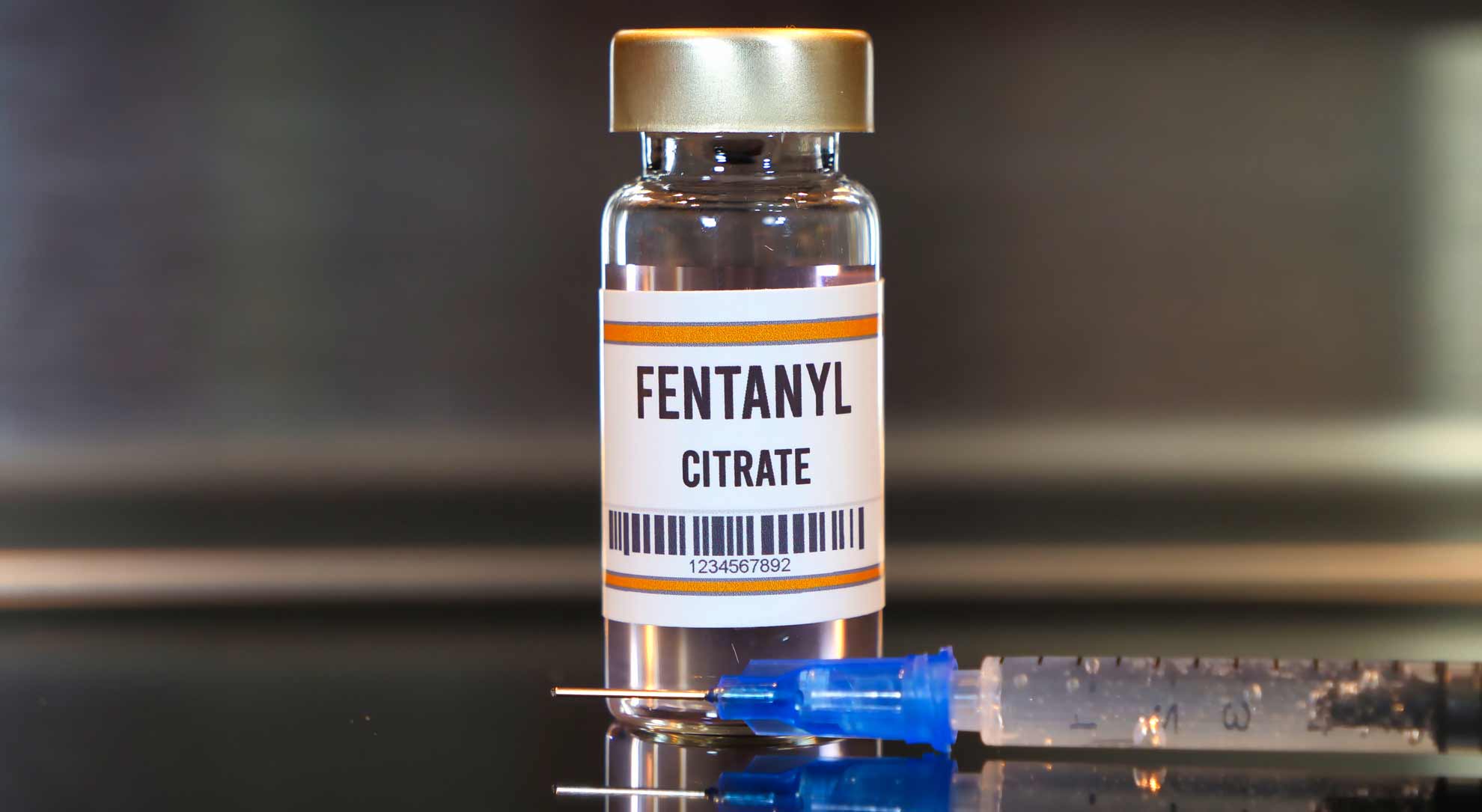
Turn on the news and you’ll undoubtedly hear about fentanyl use in many communities today. It’s quite likely that you may know someone who will succumb to fentanyl overdose symptoms at some point. This is because around 60% of opioid-related deaths in the U.S. today are caused by fentanyl. Clearly, more education is needed in regards to this drug.

Fentanyl as an adulterant has become quite popular. Initially drugs such as heroin, cocaine, and methamphetamine were laced with fentanyl. Many people didn’t know that fentanyl made these drugs more powerful and deadly. Today, people know about fentanyl and some will even admit that it’s their substance of choice.

What You Should Know About Fentanyl

When someone is addicted to fentanyl, they’re addicted to a drug that’s 50 – 100 times more potent than heroin. This is why the drug poses such a high risk for an accidental overdose. Since fentanyl is still being added to many other drugs, there’s the added danger that a person may not even know that they’re taking it.

What is Fentanyl?

Although fentanyl originated as a prescription medication (a.k.a. Actiq, Duragesic, Sublimaze) that was used to treat severe pain, it’s now being made and used illegally as well. In this regard it’s similar to morphine. Tolerance to synthetic opioids occurs when someone needs a higher dose or needs to use it more frequently to obtain the desired effects.

Where is Fentanyl Found?

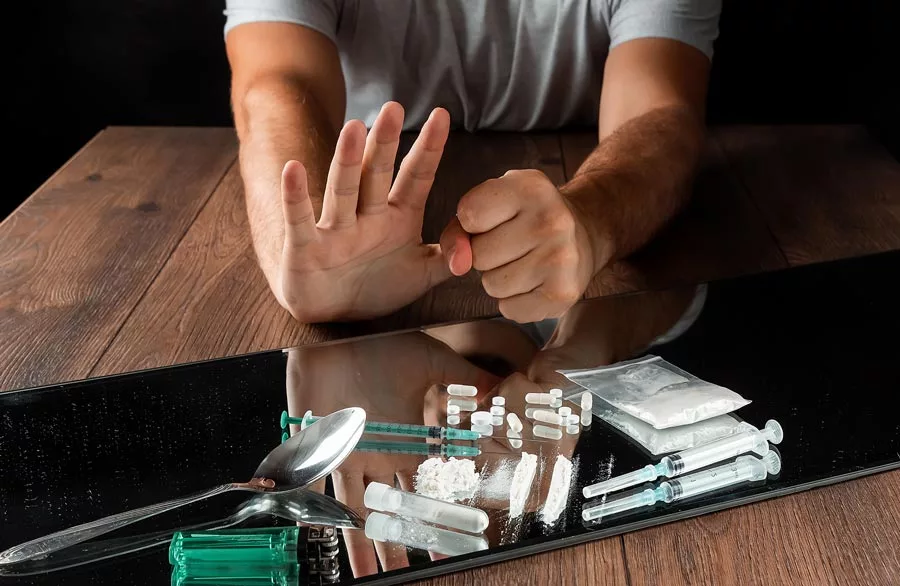
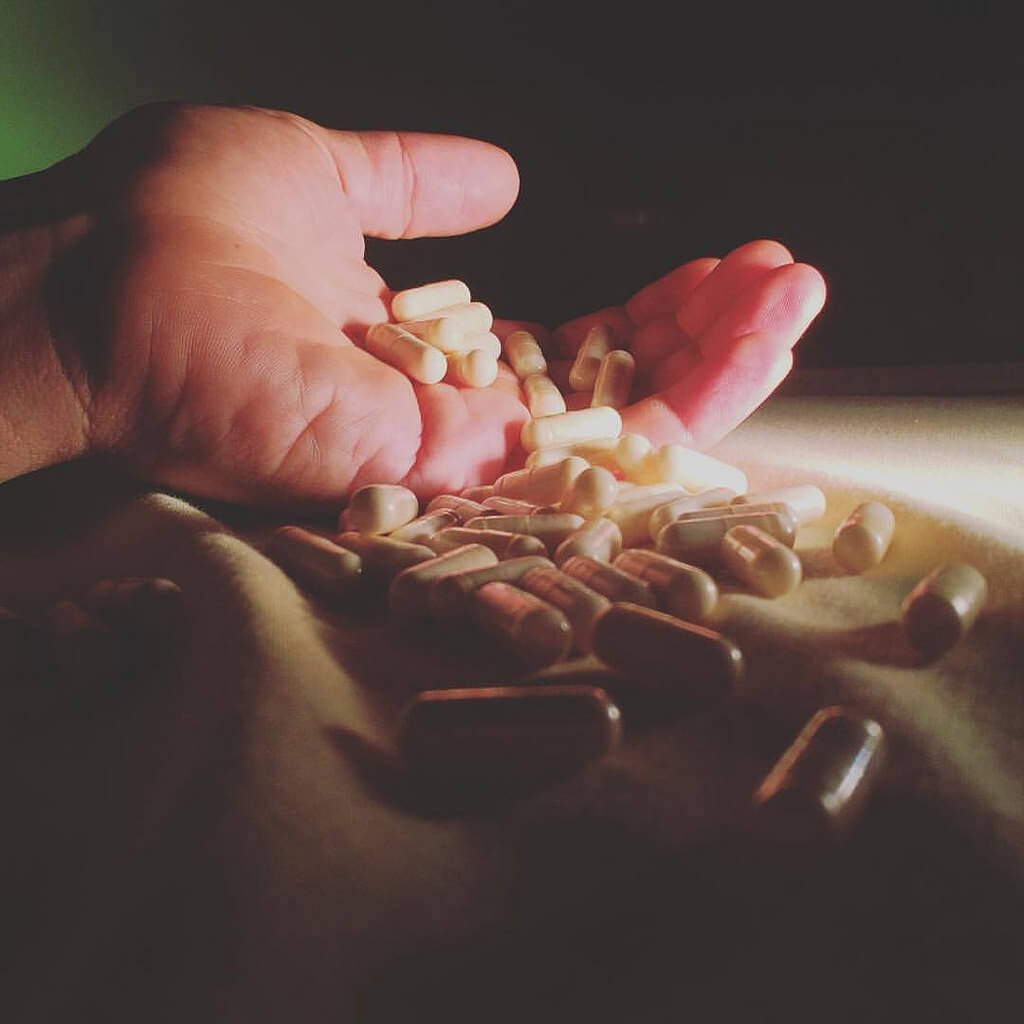
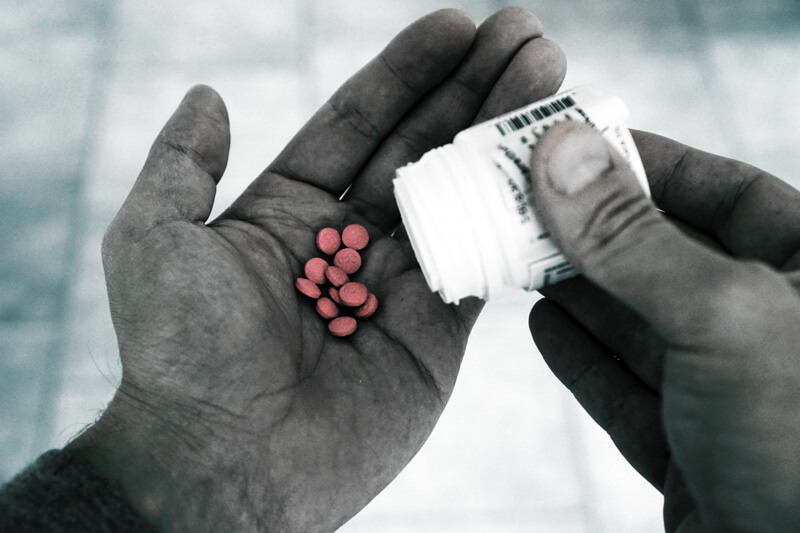
Besides being found in heroin and cocaine, counterfeit fentanyl pills are now hitting the street. They’re being sold as ecstasy, oxycodone, and alprazolam. These pills are widely available and easy to purchase. This is dangerous because many people aren’t even aware of what they’re taking.

How do you know if you’ve been exposed to fentanyl?

The North Carolina Department of Health and Human Services (NCDHHS) warns that someone may come into contact with fentanyl without even knowing it. Therefore, it’s important to understand what some of the signs of exposure in non users include. Some of the things you should watch for include:

  • Slow breathing
  • Drowsiness
  • Unresponsiveness
  • Lack of consciousness
  • Pinpoint pupils
  • Blue lips or fingernail beds
  • Cold, clammy skin


How Should You Handle Fentanyl?

Recently there’s been a lot of talk regarding harm reduction and opioid safety. This is caused by the rise in usage and deaths from such drugs. For the safe handling of fentanyl the CDC suggests you take the following precautions:

  • Whenever you’re in an area where you suspect there’s fentanyl, make sure you don’t eat, drink, smoke, or use the bathroom.
  • Never touch your eyes, mouth, or nose if you’ve touched a surface that you believe may be contaminated with fentanyl.
  • Don’t do anything that may cause the fentanyl to become airborne. If you believe that the drug is already in the air, make sure you wear respiratory protection.
  • Always wash your hands with soap and water immediately after you think you’ve been exposed to fentanyl. This is something you should do even if you wore gloves while in the area. Make sure you don’t use a hand sanitizer or a bleach solution because doing so will enhance the drug’s absorption into your skin.


It’s important to understand that it doesn’t take much fentanyl to overdose. Police and first responders are in harm’s way each and every time they respond to a suspected fentanyl overdose. While there are policies in place to help protect them, these policies continually need updated as we learn more about this drug.

How and Why Do People Use Fentanyl?

Fentanyl Overdose Symptoms

Fentanyl is made in a lab. It’s then sold in the form of a powder. Many dealers mix it with other drugs since it only takes a very small amount of inexpensive fentanyl to get high. This is very dangerous because most people don’t even realize that they’re taking fentanyl. Since their body isn’t use to the effects of fentanyl they’re more likely to overdose.

Those who find out that they’re taking fentanyl may willingly replace their other drugs with it. They will typically use it in an eye dropper or as a nasal spray. Some people will make pills out of it so that it looks like other prescription opioids.

How does Fentanyl Affect the Brain?

Fentanyl is an opioid similar to heroin and morphine. Opioids bind to the body’s opioid receptors. These are located in the part of your brain that’s responsible for controlling pain and emotions. After you take opioids numerous times your brain adapts to the drug so you’re now dependent upon it. When this happens you may experience some of the following effects:

  • Extreme happiness
  • Constipation
  • Nausea
  • Sedation
  • Drowsiness
  • Unconsciousness
  • Confusion
  • Problems breating

Does Fentanyl Lead to Dependence?

Fentanyl will eventually lead to dependence. This is because of how potent the drug is. Even a person who’s taking the drug under a doctor’s supervision may become dependent upon it. They will experience withdrawal symptoms when the drug is stopped.

Sometimes dependence results in addiction. This is the most severe type of substance abuse disorder. When someone is addicted to drugs they’ll become compulsive in seeking it out. They’ll also continue to use the drug even though it may be causing them problems at work, home, or school.

When someone stops taking fentanyl they will have severe withdrawal symptoms within a few hours. These symptoms include:

  • Muscle and bone pain
  • Uncontrollable leg movements
  • Cold flashes (including goosebumps)
  • Issues with sleeping
  • Severe cravings
  • Diarrhea and vomiting


As you can imagine, the symptoms of fentanyl withdrawal are extremely uncomfortable. They’re what causes so many people to remain addicted to this drug. The FDA is currently working on medications and devices to help people withdraw more comfortably.

Can You Overdose on Fentanyl?

As with any other drug, it’s possible to overdose on fentanyl. This happens when a drug causes serious adverse effects and life-threatening symptoms within your body. For instance, when someone overdoses on fentanyl their breathing will slow – even to the point of stopping. When this happens less oxygen makes its way to their brain. This is a condition that’s known as hypoxia. It can result in a person becoming comatized. At that point permanent brain damage and even death may occur.

How Much Fentanyl Can Kill You?

Just a quick note regarding fentanyl overdose amounts before discussing what a fentanyl overdose looks like. Although you never want to experiment with drugs like fentanyl, you may still wonder how much of it can kill you. Based on the amount of fentanyl in your system, here’s what you may be able to expect, but be very aware these are not exact and depend on general opiate and opioid tolerance:


  • 25 mcg is not fatal
  • 50 mcg places you at a modest risk of an overdose
  • 100 mcg places you at a moderate risk of an overdose
  • 150 mcg places you at a significant risk of an overdose
  • 250 mcg places you at a high risk of an overdose
  • 400 mcg places you at a extreme risk of an overdose
  • 700 mcg means death is likely
  • 1,000 mcg means death is near certain
  • 2,000 mcg means death is imminent

What are Some Fentanyl Overdose Symptoms?

Typically, opioids are measured in milligrams. However, fentanyl is measured in micrograms. These are 1,000 times smaller than a milligram. Hence why people so easily overdose on fentanyl. It only takes a very small amount to do so. All it takes is 2 mg of fentanyl which is like a pinch of salt.

While fentanyl itself is very dangerous, even worse variants have started to become more popular in recent years. Carfentanil is an elephant tranquilizer that’s 10,000 times more potent than morphine. It only takes the amount of a small grain of sand to kill an adult. This is why professionals call fentanyl and its offshoots the deadliest opionids in existence today. It’s also why it’s important to know what the symptoms of a fentanyl overdose include.

The typical overdose occurs quite quickly. Usually it only takes a few seconds. During these fleeting moments you must determine whether someone is suffering from an opioid or fentanyl overdose. There are some atypical signs that you should look for, including:

  • A person’s lips may immediately turn blue or grey
  • Their body may stiffen and show activity that’s similar to a seizure
  • They may start foaming at their mouth
  • They will be confused before becoming unresponsive


Common Signs of Fentanyl Overdose

Some of the more typical signs that a person who’s suffering from a fentanyl overdose will show include:

  • Dizziness: They’ll struggle to remain steady on their feet. They’ll also find that it’s difficult for them to remain in an upright position. They can neither sit nor stand but their body will need to lie down.
  • Weakness: Besides theri body being unable to remain upright, it’ll also grow weak. Fatigue is quite common. Even the person’s extremities may become limp.
  • Sleepiness: Since their brain isn’t getting enough oxygen, the person will start to experience feelings of drowsiness.
  • Hypoventilation: You may assume that you’d need to watch for rapid, erratic breaths. However, you should be watching for slow breathing. This is because opioids negatively impact the area of your brain that’s responsible for breathing.

 

Fentanyl Overdose Symptoms

You can seek help prior to a person overdosing. It’s important to know what symptoms to look for here. When you see any of the following symptoms it’s a good idea to seek medical intervention for the person:

  • A slow heart rate
  • Clumsiness
  • Low blood pressure
  • Unconsciousness when left untreated may result in the person slipping into a coma


When someone becomes unconscious you should seek medical attention immediately. These other signs should also be a red flag for anyone who believes their in the presence of someone who’s used fentanyl

What to Do When Someone Overdoses?

Whenever someone you know overdoses on fentanyl, it’s important to treat them with Narcan immediately. Thanks to the ‘Good Samaritan laws’ on overdose you shouldn’t be afraid to do so.

These laws have been put in place so you have immunity from arrest and prosecution when trying to help a victim of an overdose.

What should you know about Narcan?

Narcan and fentanyl overdose go hand-in-hand. This is because naloxone acts as a temporary antidote for opioid overdoses. When it’s administered properly naloxone can restore a person’s normal breathing and consciousness. Further treatment will still be necessary due to the depression of breathing. The person who overdosed should be taken to the hospital immediately.

Unfortunately, Narcan revival isn’t without some risks. You need to be aware of the risks of Narcan revival which may include:

  • Increased blood pressure: This is the most common side effect.
  • Nasal dryness, swelling, inflammation or congestion
  • Musculoskeletal pain
  • Headache


Some people who are revived with Narcan may become assaultive upon regaining consciousness. For your safety, this is something you should be prepared to manage.

Treating Fentanyl Addiction

Treatment for fentanyl overdose is similar to treatment for other addictions. You should receive a combination of both medication and behavioral therapy. This combination is the most effective way to treat your addiction.

Medication Assisted Treatment Options

Fentanyl Overdose Symptoms

Two of the more popular medications that are used to help you withdraw from fentanyl include buprenorphine and methadone. They work by binding the opioid receptors in your brain that were influenced by fentanyl. In doing so they help to reduce cravings and withdrawal symptoms.

Naltrexone is another medication that’s frequently used. It blocks your body’s opioid receptors that that fentanyl doesn’t have any affect.

Counseling for Fentanyl Dependence

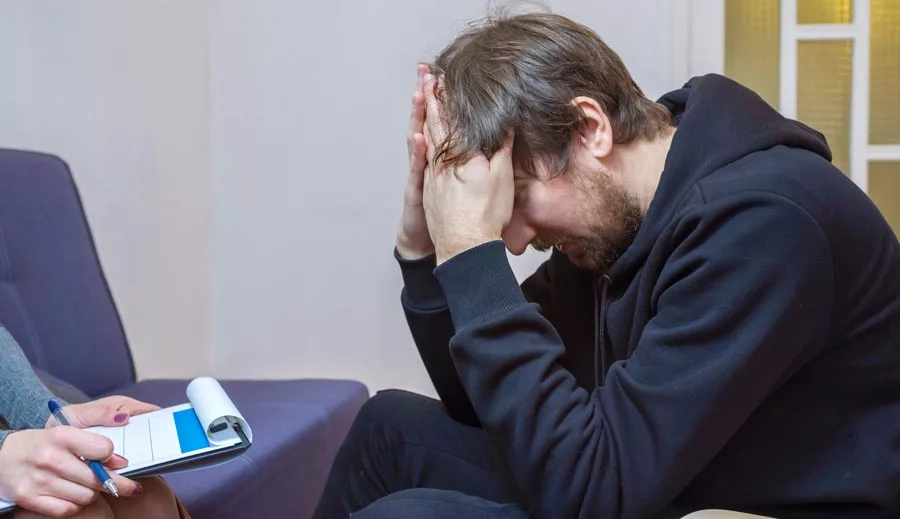
You should also seek counseling along with any medication your doctor may prescribe for your fentanyl addiction. Behavioral therapy will help you modify your attitude and behavior related to drug use. At the same time, they’ll also help you increase your healthy living skills (e.g., ensuring you take your medication properly).

There are a few different types of therapy that you may find beneficial. These include:

  • Cognitive behavioral therapy helps modify your behavior regarding fentanyl use. It will also help you effectively manage your behaviors, triggers, and stress.
  • Contingency management is a voucher-based system in which you earn “points” for negative drug tests. These points can be used for items that encourage healthy living.
  • Motivational interviewing is a patient-centered type of counseling style in which your mixed feelings regarding change are addressed.

Getting Help for a Fentanyl Addiction

Fortunately, you can overcome an addiction to fentanyl. When you start exploring fentanyl treatment options you’ll find that our evidence-based medication and therapy are the best treatment around. At Best Rehabs In Arizona we want you to regain control of your life. So, if you need help obtaining your sobriety, get in contact with us today.


Staying Sober Through the Holidays

Staying sober through the holidays

Staying Sober Through the Holidays

While many things seem to have an extra touch of magic around the holidays, those in recovery may also find that this is a time when temptations and triggers multiply. If you’ve been working hard to protect your sobriety and reach your recovery goals, this time can be challenging.

Staying sober through the holidays comes down to understanding and protecting yourself through a season when alcohol and emotions flow more readily than they normally do. We’re here to help you recognize the challenge and find ways to overcome it.

Most Common Seasonal Relapse Triggers

Celebrating holidays without drinking and drugs can be hard when you feel like everyone around you is experiencing the season without a care. But what others are doing is not what matters. What matters is that you continue to take care of your body, mind, and soul.

Taking pride in your recovery and accomplishments rather than comparing yourself to others can help you overcome one of the biggest seasonal relapse triggers: exposure. Staying sober through the holidays may mean making some sacrifices.

You can limit your exposure to drugs and alcohol by strategically choosing who you spend your time with and where. If you choose to attend events where it will be easy for you to slip up, we have some suggestions for that, too.

Concrete Planning and Tips for Sober Celebrations

Staying Sober Through the Holidays

There are many strategies for staying sober through holiday stress and other temptations and triggers. The trick is finding the one or ones that work best for you. Here are some suggestions:

  • Avoid known risks to your sobriety by attending activities within your sober social circle.
  • Bring a sober friend to a regular party (traveling with a sober companion will make it easier for you to say no, avoid temptation, arrive early, and leave early.)
  • Know your limits when it comes to situations, locations, or people who trigger you.
  • Keep in regular contact with your sponsor throughout the season.
  • Practice self-care through yoga, meditation, exercise, or massage to treat yourself before and after social gatherings.
  • Attend 12-step or other support group meetings throughout the season (if you’re traveling out of the city or state you live in, you can still attend phone meetings or virtual sessions.)

Another tip that many in recovery have found helpful around the holidays is to carry a drink around every party you attend. When you arrive, fill a cup with water, soda, or another non-alcoholic drink and keep it in your hand for the duration of the event.

This way, you won’t have to refuse drinks all night, and you likely won’t have to explain to anyone why you’re not drinking unless you choose to. Attending holiday events with sober supports is another great way to stay on track.

Staying Sober Through the Holidays by Starting New Traditions

Staying sober through the holidays is easier when you take time to celebrate your most meaningful connections and relationships. One easy and exciting way to do this is by starting new traditions that do not center around drinking or drug use.

If you’ve been in recovery for a while, you may have already started building relationships with sober peers you can spend time with this holiday season. And if you have pre-existing friend groups that you’d like to spend time with, there is nothing wrong with asking them ahead of time to respect your sobriety and leave the substances at home.

Whether you’re planning a gathering with a support group or old friends, this holiday season is a great time to host a festive sober gathering. There are plenty of ways to have fun without being under the influence.

Ideas for New Traditions and Solo Activities

Staying Sober Through the Holidays

Whether you’re eager to be around friends or find positive ways to spend time alone, there are endless options for sober activities. Here are a few activity suggestions:

  • Host a board game night.
  • Invite friends for a craft or paint night.
  • Write in a journal or have a creative writing contest.
  • Take a long walk, go to the gym, or attend a fitness class.
  • Try yoga or meditation.
  • Craft a hand-written letter to a friend.
  • Adopt a pet.

Creative activities reduce stress and depression, two negative emotions that are frequently linked to relapse. Additionally, research shows that people who exercise regularly are less likely to use illicit drugs.

And having pets has been shown to boost our overall moods, reduce feelings of loneliness, and give us a sense of purpose. But your options are not limited to the activities on this list. Try these or find other ways to improve your mental and physical health.

Creativity, togetherness, a balanced diet, and regular exercise can help us through many obstacles during recovery. And managing negative emotions or finding ways to replace them with positive ones can make it easier to maintain your sobriety even when challenges arise.

Acronyms to Remember: Halt and Others

H.A.L.T is an Alcoholics Anonymous acronym for some of the most common relapse triggers. These are not holiday-specific, but that does not mean that they will take the season off. These are additional, year-round triggers you should watch out for:

  • Hungry.
  • Angry.
  • Lonely.
  • Tired.

To combat these emotional relapse triggers, practice anger management techniques and spend time with supportive friends and loved ones. Also, try to get the recommended eight hours of sleep each night and eat a balanced diet.

It may sound like an overly simplified solution, but how much we sleep and what we eat can impact everything from our moods to our immune systems. And while we are talking about the importance of making good choices for ourselves, we want to talk about saying no.

If you are feeling emotionally vulnerable, it is perfectly reasonable to decline attending events or spending time with certain individuals. Protecting yourself and your sobriety is your priority, not saying yes just to please someone else.

This leads us to another important AA acronym, which is C.H.A.N.G.E. In recovery, change stands for “choosing honesty allows new growth every day.” Being honest with and true to yourself is an important part of recovery.

Seeking Inpatient Care During the Holidays

If you have recently relapsed or are worried that you will, another option that you may want to consider is an inpatient rehab program. Our inpatient program offers 24-hour access to the care, support, and guidance of our professional team in a safe and comfortable facility.

In a setting like this, temptations and triggers feel farther away because they are. A change of scenery can work wonders for those who are struggling to maintain their sobriety and lack adequate social support at home.

During an inpatient stay, your days will include healthy meals, creative activities, counseling sessions, support group meetings, and more. We all have to start somewhere. Call us today at 866-263-1820 to see if inpatient care is right for you.

We also offer several other programs for those who prefer to continue living at home and attend weekly sessions and meetings for support. Staying sober through the holidays can be challenging. But it is not a challenge you have to face alone.

5 Ways to Prevent Drug Abuse

Prevent Drug Abuse

RAISING AWARENESS AND EDUCATION ON THE PREVENTION OF SUBSTANCE ABUSE

Statistics provided by the National Survey on Drug Use and Health in 2017 show that approximately 19.7 million Americans aged 12 years and older suffered from a drug addiction disorder.

Other statistics show that of all 21 million people who suffer from substance abuse, only 10% of these individuals actually receive treatment. What is even more shocking is that drug abuse has resulted in over 700,000 deaths from 1999 to 2017.

This makes drug abuse awareness, education, and preventative measures all the more important. Having a family member or a close friend suffering from substance abuse often leaves you with one thought: how to help beat their addiction and reclaim the person you love.

But what if you can find ways to prevent drug abuse before it becomes a problem? Drug abuse prevention starts with looking at what triggers this use. This is a key part of preventing substance abuse: being aware of its causes.

SUBSTANCE USE RISK FACTORS

Although many people use drugs and alcohol, not all of them end up becoming addicted to these substances. However, as the statistics above indicate, a good number of substance users end up being emotionally and physically attached to the drugs.

Just like in other diseases, there are several psychological, environmental, and physical risk factors that may cause certain individuals to be more likely to develop addictive habits. In many cases, knowing these indicators can help prevent substance abuse.

GENETICS AND FAMILY HISTORY

GENETICS AND FAMILY HISTORY Of Addiction

Having family members who have struggled with drug abuse in the past can significantly increase a person’s chances of developing these habits themselves. Of course, this is not a destined eventuality.

Knowing all the information on your familial addictions can help you better avoid forming your own addictive behaviors. This can also be helpful should you choose to start your own family, through maintaining a balanced family life and setting good examples for your children.

Community prevention programs can also often lend assistance and resources for reference in this regard. If you are unable or unsure of how to keep yourself and your loved ones away from harmful substances, it can help to seek professional assistance in preventing substance abuse.

MENTAL ILLNESS

Psychological problems such as depression and anxiety can lure one to drugs in the hope of self-medicating the emotional pain these mental conditions can cause. This mostly happens with teens and young adults, whose minds may not know how to process difficult emotions yet.

Mental illness can be a significant risk factor for the later development of a substance use disorder. This is why it is so important for the parents of adolescents struggling with mental health problems to check in with their child about their emotional state.

Knowing how to healthily and effectively talk about difficult subjects can be essential for helping children to be aware of the dangers of substance abuse, and communicate their emotional needs.

Furthermore, adults with mental illness will also be more likely to develop a substance addiction from using drugs or alcohol as a form of self-medication. In these cases, it is highly recommended to get professional help in learning how to live a well-balanced life.

Common mental conditions found amongst adults struggling with addiction are general anxiety disorder, post traumatic stress disorder (PTSD), and various other personality and mood disorders.

ENVIRONMENTAL AND SOCIAL FACTORS

Friends and peers have a great impact on one’s life. Sometimes, this impact can have negative consequences. In many cases, people start using illicit drugs or abusing alcohol to better fit into their social circles.

To minimize this risk in children, teaching them the power of independence and ensuring they are aware of the various health risks that come with using drugs can help them more easily make healthy choices.

If they are already using or are ‘at-risk,’ then reaching out to community prevention programs and resource centers that aim to prevent substance abuse can be a great way to provide support to these struggling youths.

Amongst older individuals, their abuse of alcohol or other drugs may also be influenced by environmental or social factors, such as living with an abusive or addicted individual, peer pressure from negative friend groups, or high-stress work, school, or home responsibilities.

Ways to prevent these external influencers from having a major impact on your own life may be to start talking to a counselor, surrounding yourself with good friends, or seeking support from other family members and acquaintances.

STARTING DRUG USE AT AN EARLY AGE

STARTING DRUG USE AT AN EARLY AGE

If someone goes through a traumatic childhood, they may turn to drugs to try and alleviate the trauma effects. Some common traumatic experiences that can result in mental illness or substance abuse include sexual harassment, neglect, harassment, accidents, and others.

If your child experiences any of these hurtful experiences, it is important to get them professional help. Adverse childhood events or ACEs are increasingly being linked with drug use and mental health disorders that arise later in life.

One of the most important ways to prevent substance abuse is to be a good example of parental support and help your child maintain a well-balanced life through getting them the help they need after a traumatic experience.

REASONS WHY PEOPLE RISK DRUG ADDICTION

Whether involving illegal drugs, prescription medication, alcohol, or any other form of addiction, there are various reasons as to why someone may risk their health by abusing these addictive substances.

CHASING THE RUSH OF A HIGH

Many drugs can produce euphoric highs, making the person taking them feel powerful and confident. These feel-good effects can be brought about by other behaviors, including gambling, which gives you financial gains.

One can also get excited after receiving social media notifications, resulting in smartphone addiction. The most common forms of addiction, however, are those involving addictive substances, such as alcohol, marijuana, cocaine, opioids, and various others.

AS A WAY OF RELIEVE STRESS AND SADNESS

REASONS WHY PEOPLE RISK DRUG ADDICTION

People who suffer from social anxiety, stress, and depression may turn to substance use with the hope of overcoming stress. Facing stressful situations may also prompt people to continue using or relapse even after going through successful treatment.

TO IMPROVE CONCENTRATION AND INCREASE PERFORMANCE

Some people, especially those who engage in sporting activities, take stimulants to increase their performance. Others, and especially students, take sleep-alleviating drugs to study for more hours.

While these behaviors may give you short-term gains, the long-term side effects are far worse and often can result in permanent damage. Furthermore, for many forms of drug use, no conclusive evidence has been found to confirm that these are, in fact, performance-enhancing.

When there is more than one risk factor involved, the chances of developing a substance use disorder are higher. However, many individuals can still form an addiction, even without any risk factors playing a part.

5 WAYS TO PREVENT DRUG ABUSE

Just as substance addiction is possible, so is prevention. When it comes to preventing substance abuse, there are various factors that go into making better decisions for the mental and physical health of both yourself and others.

Here are a few effective ways to raise awareness of the abuse potential of drugs, the underlying causes of addiction, and ultimately how to help prevent drug abuse.

1. FIND EFFECTIVE WAYS TO HANDLE PEER PRESSURE

Human beings have a habit of not wanting to be left out, especially by their friends and peers. For this reason, you will find that most teens and some adults start abusing drugs as a way to fit in with their friends.

If you find yourself in this situation, try finding the courage to say no. Or, you can find more positive friendships that will not pressure you or push your boundaries. If you find yourself being pressured to try drugs, finding a good excuse to leave the situation can help prevent temptation.

2. FIND BETTER COPING MECHANISMS

WAYS OF PREVENTING SUBSTANCE ABUSE

A good number of people who abuse drugs do so as a coping mechanism for the negative things they are facing in life. It is important to note that there is nothing wrong with experiencing negative emotions.

Instead of turning to drugs for solace, find better ways of dealing with them. Some effective coping mechanisms include:

  • Talking to someone
  • Meditation
  • Yoga
  • Writing it down
  • Exercising

Trying out any of these mechanisms takes your mind off drugs. Even practicing mindfulness can help make what seems unbearable a bit easier, even for younger individuals by learning how to ‘observe’ thoughts without acting on them.

3. CHOOSE YOUR CIRCLE OF FRIENDS CAREFULLY

Making healthy friendships plays a major role in your overall health and well-being. However, you need to choose your friends wisely as socializing with the wrong crowd can easily lure you into drug use, and you may find yourself abusing drugs in no time.

Make sure you hang out with people who show you love and support and discourage you from attempting unhealthy substance use. Such people also provide a safe environment where there is less likelihood of triggering drug abuse risk factors.

4. ALWAYS ALLOW YOURSELF TO REST

Ways to Prevent Drug Abuse

Imagine spending all day in the office handling difficult clients or workmates, then going home to find family duties and social obligations waiting for you. All these responsibilities expose you to a chronic state of stress, leaving you no time to rest.

In the long run, you might find yourself turning to drugs to help you keep up. But guess what, if you fell ill and took an emergency break today from all those responsibilities, this would not be seen as unacceptable.

So, rather than sacrificing your happiness and risk getting physical and mental illnesses, consider taking time off and taking care of your wellbeing. There are some great activities that you can engage in during this time, including:

  • Getting a massage
  • Reading your favorite book or magazine
  • Taking a hot bath
  • Switching off your smartphone and taking a break from social media

Taking some time off may seem like a hard thing to do, but it goes a long way to preventing drug abuse. In the long run, this can also help reduce the likelihood that you will need to take more time off in the future in order to receive treatment for a substance addiction.

5. ANALYZE ANY POSSIBLE RISK FACTORS

Having prior knowledge of any possible drug abuse risk factors makes it easy for you to overcome them. For instance, if you have a family history of substance abuse, then you can make a promise of abstinence to yourself and plan ahead to avoid following in their footsteps.

Also, if you are friends with someone who abuses drugs, it may be a good idea to help them seek professional addiction treatment services. If this is not an option, making the decision to distance yourself from or end this friendship can keep you from forming these habits, as well.

CHOOSE LIFE OVER DRUG ABUSE

Although the potential to abuse drugs may be in your genetics, the choice on whether to use them or not is entirely yours. By actualizing the above tips on how to prevent drug abuse, you avoid not only addiction but also other risks that come with substance abuse.

If you have an addiction problem or fear that someone close to you is using in excess, you do not need to suffer in silence. Enrolling in a research-based treatment program can provide assistance in addiction prevention and help you eliminate substance abuse risk factors.

MAKING AN ACTION PLAN TO TACKLE DRUG ABUSE

Take the bold step to change your life now by contacting the Best Rehabs In Arizona team. We offer alcohol and drug addiction diagnosis and effective, evidence-based treatment that can help you or your loved ones prevent and overcome addiction.

Just by reaching out to a Best Rehabs In Arizona representative, we can help you avoid the consequences of addiction and learn how to maintain a happier, healthier, and substance-free life, today!

Signs of Alcoholism and Drug Addiction Relapse

What are the Reasons Relapse May Occur?

For addicts going through the recovery process, most have been told something along the lines of “relapse is a part of recovery.” Is relapse part of the recovery process? The simple answer is no. Many individuals in recovery find success the first time around. However, alcoholics and drug addicts may experience a relapse, or multiple, when attempting to get clean and sober from their drugs of choice. Relapsing can be devastating to addicts themselves, but can also take a toll on the loved ones that surround them. This article is meant to inform those who suffer from addiction and their friends and family different reasons why this may continue happening, and how to deal with relapse as it comes.


Why Does an Addict Relapse?

drug-addiction-relapse

Addiction is unpleasant (to say the least) for the person suffering and their loved ones. Many people wonder what is the cause of addiction. Debated by some, addiction is a disease that results in changes to the brain from continued substance abuse. Addiction is not a disease that develops overnight; we generally pass through a series of phases that begin with experimenting and partying from time to time, gradually developing into loss of control regarding our substance intake.

Our substance use, be it alcohol or drugs, becomes compulsive and renders us acting irrational and abnormal. After an addict has been sober for some time the tendency to relapse is very strong. The data shows that each time you try to stay sober your likelihood of gaining lasting sobriety increases.


How our Brains Work in Conjunction With Addiction Relapse

Our brains contain complex reward systems, developed over time and evolved to help us pursue the things necessary to our survival (i.e. food, reproduction, etc). Our frontal lobes (the part of our brain that develops last and is crucial in our ability to predict, reason, and create) help us weigh the consequences of our impulses. When this system is functioning in conjunction with one another it helps us to make better decisions for ourselves.

However, in an addict it is as if our reward systems do not communicate properly with the frontal lobe in a cohesive and logical way. Our sensitive reward system can be triggered very easily causing us to crave drugs or alcohol. To sum it up, our minds don’t allow us to think the consequences of our actions through clearly, even after some time in recovery has passed.

Can you cure a drug addict? Many addicts believe their disease is one that will last forever, but this notion isn’t true. Thankfully, addiction is a disease that can be successfully treated. Education is key in kicking addiction. That’s why it’s so important to seek out the resources and information about different treatment options


Warning Signs of a Potential Relapse

drug addiction relapse, pathfinders recovery center in scottsdale arizona, heroin addiction treatment, meth detox center in scottsdale arizona

  • Excusing unhealthy behaviors – after some time passes it can become easier to slow down on internal growth and honest self-appraisal.  This happens so subtly that we don’t always notice when this is happening.  Then after some time we begin to justify the behaviors that risk our sobriety and increase our chances of relapse. We know in our hearts the behaviors are wrong yet we do them anyway.  This leads us to feelings of shame, anxiety, guilt etc…
  • Obsessing about work, money, or a romantic interest – These are good things for us to have in our lives.  The key is to learn not to obsess, and let these distract us from our primary goal of staying sober and learning to love ourselves.
  • Unhealthy spending habits – This is something that many addicts and alcoholics struggle with early in recovery.  Being irresponsible with our finances can lead to a heavy burden on our lives.  This is not conducive to the new life we are trying to lead and can produce more stress and anxiety.
  • Elevated levels of stress and anxiety – Most people that suffer from addiction are not monitoring this effectively in their early recovery. Therefor they cannot intervene on this in a healthy manner.  This can lead to the thought process of “a drink or a drug sounds like a good idea.”
  • Isolating – Because we as addicts have a tendency to  experience difficulty in monitoring our behavior and being honest with ourselves about the impact of that behavior, we need a sober social network and support system to help us see the truth. A sober social network can help us see how we are truly doing internally, and help us redirect the driving force of those behaviors into a healthy and more productive outlet.  We don’t do this alone and the beautiful thing about recovery is that we do not have to.
  • Romanticizing and glorifying your addiction – It is very easy for us to fall into this way of thinking, our minds remember the good times we had throughout our addiction, which there were plenty of.  If we didn’t enjoy it for so long before our lives came crashing down we would not have kept using drugs or drinking.  It can be difficult to remember the hangovers, withdrawals, lying, isolation, loneliness and pain we experienced that led us to try and get sober in the first place.  Make no mistake about it, it starts with a lot of fun but when the party is over, it is over.
  • Being a pessimist and forecasting negatively for your life – No one likes to feel depressed and hopeless.  Being honest and in touch with the real challenges that are ahead of us, while maintaining optimistic about those outcomes helps us to function more effectively. Having foresight for our futures, and believing we can be successful is key.  “those who believe they can, and those who believe that cannot are both usually right.”

If you or a loved one is struggling with addiction please call Best Rehabs In Arizona today and speak with one of our founders directly.  You are not alone, and there is hope.

Contact Us Today

877-651-3366

Dealing With Emotions In Early Sobriety

Dealing with emotions in Early Sobriety

Early Recovery Can Be Hard

Early recovery is the beginning stages of the recovery process. Typically lasting at least through the first 90 days, early recovery is an emotional challenge as addicts navigate life without drugs or alcohol. Although everyone’s early recovery experience is unique, for most this readjustment period allows people to restart their lives, building a better, healthier and sober way of living.

Early Recovery Stages

Early recovery can feel like an emotional rollercoaster with all the ups and downs that can arise. This is not surprising for people that have felt numb for so long and can be extremely difficult on a day to day basis. That’s why emotional sobriety is also a key factor in early recovery. What is the definition of emotional sobriety? Emotional sobriety is the ability to cope with the many emotions that come with physical sobriety. It means being able to handle your feelings head on in a positive and productive way. Many addicts have a difficult time acknowledging and understanding how they feel, turning to alcohol and drugs instead. Emotional sobriety helps people stay in recovery no matter the circumstance.

If you or a loved one are experiencing anything like this, don’t worry, it is normal and there is hope. Here are some of the causes and some tips that help us get through these times. We hope you find this as beneficial as we do.


Early Recovery Can Be Hard

Dealing with emotions in Early Sobriety

Some examples of emotions in early recovery that may come up are:

  • shame and guilt over past actions
  • anger over the past, or fear over the future
  • remorse or self-hatred, resentment towards yourself or others

Usually these come up as a result of having to face our past, while being present for our current emotional state after a history of numbing emotion. Physical detox also plays a major role in these emotions early in recovery.

Can quitting alcohol or drugs lead to depression? The withdrawal symptoms that are associated with detox can lead to some depression and anxiety-like symptoms. However, these are temporary and ease as the detox and recovery process continues.

On the flip side, some emotions that can emerge might be over excitement, over confidence, feeling “high on life” and sobriety.


Being Led By Emotions

Being Led By Emotions

This (being led by emotions) is dangerous for recovery for multiple reasons. If you feel poorly all the time and don’t take any action to better your mental and spiritual state, temptation may arise and you may not have a defense against the first dose or drink. On the other hand, over confidence and positive feelings can be a way to avoid reality or facing your past. It can also cause you to be much less motivated to take the actions to maintain your recovery. For instance, it’s extremely easy to avoid meditation, going to meetings, calling a sponsor, prayer, working with a therapist and making a daily honest self-appraisal when everything feels fine and dandy. Relapse can creep up on you. A lot of times people don’t see it coming and relapse during a time when they “feel like everything is going really well”.

The truth is being an addict is hard and it’s difficult to get sober. Many sober men and women I have interviewed say the same thing in regard to this…” getting sober is one of the hardest things I’ve ever had to do, and not a day goes by that I regret getting sober” seems to be the general consensus.


Some Tips To Help You Get There:

Find a therapist : This is a big help in continuing to grow and learn how to deal with your emotions.  There are some other great tips about developing a network and a happy lifestyle here in another article we wrote.  This can help in discovering specific emotional difficulties and developing coping mechanisms to deal with situations that can and most likely will arise.

Early Recovery Treatment

Be gentle with yourself: This is so hard for us as addicts, but utterly important.  To this day, I constantly remind myself that I am a work in progress and a human that has flaws and will make mistakes.  My mantra is “Rome was not built in a day” and “I had to crawl before I could walk, and I had to walk before I could run”.  Affirmations can help.  I have found the most comfort in being open with my support network about the things that are going on with me.  They can offer much needed connection and feedback that is unbiased if I have a healthy A-Team.

Practice mindfulness: Another thing that myself and most of the addicted people I have worked with suffer with is honest self-appraisal.  It’s very easy to fall into negative thinking patterns and not even realize it is happening until it is too late.  Taking a daily time to reflect on how things are going will change your life.  Once you identify issues you can begin to work on them and get better.

Be Playful: This suggestion may seem silly, and well…that is because it is.  Go do something fun with people.  Go shoot pool, go bowling, go for a hike, go camping, go swimming, go to an amusement park.  This might seem like a strange thing to be reading in this article and that’s not far from the truth…just try it and you can thank us later.


What are the Stages of Recovery from Addiction?

There are many stages of recovery from addiction and every individual works through them at their own pace. Because everyone’s recovery journey is unique, there is no telling how long it may take a person to work through the many phases. Early recovery involves many of the beginning stages and is the most difficult part of the process for many. Typically the stages include pre-contemplation, contemplation, preparation, action, maintenance and termination. People tend to believe that they do not need to change their lifestyle, then begin to realize a change is necessary, and finally set an intent to find information and resources about recovery. Next, the individual begins to put his or her plans in action and finally maintain this new lifestyle while closing the chapter of addiction in their life.


Contact Us

Best Rehabs In Arizona
Scottsdale, AZ
www.bestrehabcentersinarizona.com
[email protected]
877-651-3366

*This blog post was authored by Lawrence Briggs, Director of Operations at Best Rehabs In Arizona. Ph: 480.320.0752

Please call anytime and speak with one of our founders directly. We answer the phone ourselves any day and anytime. Thank you for reading and until next time, show yourself some love. You deserve it.

Addiction and Loneliness

loneliness-and-addictionIf you or a loved one is suffering from an addiction this article will cover a perspective proven through clinical studies that you must not miss. Society in general has led addicts to feel ashamed of the insidious affliction they suffer from, and the stigma can contribute to both addiction and loneliness. Addicts cause pain and confusion in themselves and anyone that truly deeply cares for them.
What Does Loneliness Look Like?

Loneliness may not be the same for everyone. The Huffington Post explains, “Being lonely is more of a state of mind and that state of loneliness can change on a dime if one so desires.” Loneliness in addiction can look like:

  • Disconnection from others
  • Little to no interest in relationships
  • Feeling depressed and anxious
  • Thinking there is no one to talk to
  • Believing there is no hope
  • Feeling like no one cares

A History Of Failure

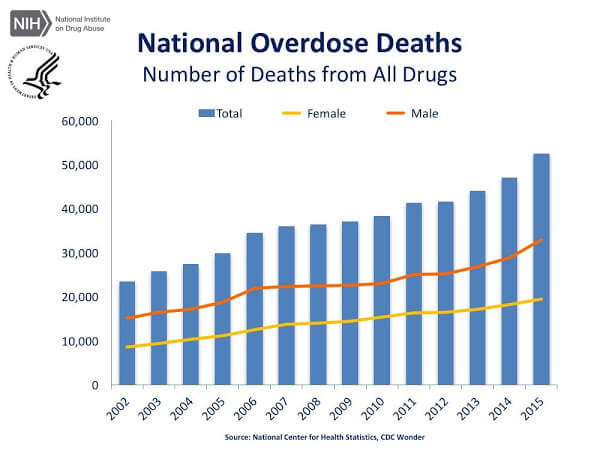
A little over a century ago this country made the decision to ban and make illegal nearly all drugs.  They instituted punishments as an incentive to deter people from abusing these substances.  This makes sense on a basic level of thinking, but the issue is that it is clearly not working, as shown in this chart. In my experience When something doesn’t work, you either have to fix it or throw it away.

overdose-death-stats

From the National Institute on Drug Abuse

Adapting To The Environment

In the early 1920s there were some interesting experiments conducted regarding addiction. They took a rat, placed it in a cage on its own and put two water bottles, one with Cocaine laced in the water and one containing fresh water.  The rat drank the cocaine water until it overdosed and died. Bruce K. Alexander, Professor Emeritus, Simon Fraser University conducted some similar experiments but added some new variables. He made a “rat park” with cheese, tubes, toys, and most importantly friends!  In this rat park he put the same two types of water bottles, one with cocaine laced water and one with pure water.  The following observation was astonishing. The overdose rate amongst the rats dropped to 0 percent.  Most rats didn’t even touch the cocaine water, and the ones that did stopped before overdose. Professor Alexander questioned, “What if addiction is not about being hooked on chemicals but it is instead an adaptation to your environment?”

The message to be heard here is that humans want to bond and connect. If our self-esteem is low, or we have been beaten down emotionally, we will naturally feel a desire to bond with something other than people.  This could look like food, gambling, drugs, sex, television, shopping…really anything that makes us feel okay for a short period of time and provides relief. Therefore, it is counterproductive to punish addicts, remove them from society, label them felons, make them unemployable, shun them, etc…it just perpetuates the cycle.

Finding Solutions To The Drug Problem

In 2000, Portugal had one of the worst drug problems in Europe with 1 percent of their entire population being hooked on heroin.  Portugal decriminalized all drugs and set up social programs to help drug addicts reintegrate back into society. They took all the money they were spending on housing, feeding, arresting, and policing these addicts and put it into social programs where they would set drug addicts up with jobs and pay half their salary for the year, thus incentivizing companies to hire them and affording the addict the opportunity to reconnect with people and find a sense of purpose. Fifteen years after these programs were set in motion the addiction rate is down 50 percent, overdose is down, HIV rates have gone down drastically in addicts, and in EVERY addiction study shows massive decreases.

Hopefully one day our society can catch on and be this progressive and in the solution.

Helpful Tips to Overcome Loneliness and Addiction

  • Build a social network from the ground up. We addicts are intelligent people; we can see who is healthy and working on themselves and who is not – stick with the winners and you will become one.
  • Find someone that you can trust that understands addiction and talk to this person VERY REGULARLY about your feelings of loneliness, anger or whatever it is that you’re experiencing
  • Volunteer work and support groups such as 12-step fellowships are great places to make new healthy connections this will take time and attendance and may not happen right away so you have to keep going.
  • I want to reiterate the importance of cutting out negative connections – not all connections are good connections.
  • Make friends and family a priority in your life.  When you’re down and out it’s not going to be your online “friends” there that save your skin; the real connections that you make will be there for you when you need them the most.
  • Commit to people and make a plan to show up for them and then follow through with that plan!

Contact Us

Best Rehabs In Arizona
Scottsdale, AZ
www.bestrehabcentersinarizona.com
[email protected]
877-651-3366

*This blog post was authored by Lawrence Briggs, Director of Operations at Best Rehabs In Arizona. Ph: 480.320.0752

What To Look For In A Substance Abuse Treatment Center

I have been in the treatment industry for 5 years now and one thing I have learned is that like most things, when looking into treatment options you are going to find both good and bad. I am writing this post so that you know what to look out for when deciding on treatment and how to find the program that is right for you or your loved one. The following are a list of things to look for and to ask yourself.

What Life Skills do you teach the individual?

This is number one on my list for a reason. Any inpatient treatment center can lock someone in their facility for 30 days and force an addict to abstain for a month. That can help in the beginning, but what about when the doors are unlocked and they have to go out into the real world? There has to be a focus on practical application and how to live a sober life outside of the safe space that inpatient treatment creates. It’s important to look for a program that addresses the following issues – how to get a job, how to be accountable/responsible, how to budget your finances, how to communicate effectively, how to keep yourself and your personal areas clean etc… Things that may seem basic to some, can be a challenge and feel strange to an addict who has neglected these areas of their life. Any treatment program worth considering will understand how crucial this is, and not only teach these life skills, but create opportunities for them to be practiced often.

Avoid unrealistic promises and statistics

pathfinders recovery center, pathfinders arizona, pathfinders recovery, substance abuse treatment, drug abuse treatment, opiate treatment center, drug addiction treatment, alcohol addiction treatment, best rehab, top rehab in the us, best addiction center, get help today, heroin addiction help, meth detox arizona, heroin detox arizona, heroin addiction arizona, heroin addiction new jerseyThe truth is that there is no “one size fits all cure for addiction.” In fact, there is no cure at all. Statistics on success have little to no real value in this industry as far as I can tell. Each individual has the sole responsibility to gain and maintain knowledge about themselves and take the actions required to change their own life. Every person is responsible for their own recovery and happiness. A treatment program is responsible for equipping clients with life skills, providing guidance as a recovering addict carves a new path for themselves, and to hold clients to a higher standard than they have held themselves to in the past. If a program claims, “We have a 90% success rate!” they are selling you, not guiding you. Do your homework and remember that while there are no guarantees, there are endless possibilities for someone who commits to their recovery.


Make sure you understand features and benefits of the program.

  • What do they really offer? (Request a full program overview)
  • Do they teach about nutrition? (Do they talk about more than just mental health? A healthy diet and lifestyle makes a huge difference!)
  • What are their therapy modalities? (What approaches do they use? What is the background and skill set of the Therapists and Staff?)
  • Who are the owners and to what extent do they play a role in this facility? (If you can’t get the owner on the phone, or if you’re told you or your loved one will likely not meet them, I strongly recommend you look for another facility. You want access to the people in charge of treatment.)
  • How long is the program? (It varies, but in my experience it takes a minimum of 90 days to really impact someone’s chances of lasting recovery!)
  • How much does it cost? (Every program is different. You want to choose a State licensed treatment center, but they are not the most low-cost option. However, Health insurance can greatly reduce or eliminate this financial obligation!)
  • What are the refund policies if your loved one leaves early? (Do not put any money on the line without having a clear understanding of a program’s refund policies!)
  • To what extent is the family dynamic addressed? (This is a major component of long-term success after treatment.)
  • To what extent and how is the family involved? (How specifically does the program plan to help heal damage that addiction creates to the family system?)
  • What if my loved one relapses? (If a program tells you they will kick them out right away, or there is no consequence here…do yourself a favor and find another facility. This should be handled on a case-by-case basis as each addict and each situation is unique.)
  • What is your aftercare strategy? (This is crucial to lasting sobriety! What exactly happens after treatment? How long does the program stay involved? Do they help facilitate short and long term goal planning for once treatment is over? What after care options do they offer and how do they go about implementing these?)

Get all this down and look at it. Make sure you’re going into this armed with the facts and with both eyes open.

Contact Us

Best Rehabs In Arizona
Scottsdale, AZ
www.bestrehabcentersinarizona.com
[email protected]
877-651-3366

*This blog post was authored by Lawrence Briggs, Director of Operations at Best Rehabs In Arizona. Ph: 480.320.0752


5 Healthy Beliefs to Stay Sober

Getting sober, or breaking any addiction for that matter, is the most challenging thing a person will ever have to do. The overwhelming compulsion to numb out by using substances is among the most powerful thoughts we will ever face. Most addicts, including myself, end up feeling hopeless and trapped with no way out. If you would have asked me seven years ago if my life would have rocketed into the amazing life that it is today, I would have said that it was ‘impossible’ or told you t‘you’re crazy’. Nonetheless, here are some belief systems I adopted early in my own recovery (7 years ago) that helped me to get started on the right foot!

If I keep existing (not living) the way I have been- I will continue to ruin my life.

I have worked with nearly 1,000 individuals on their addiction issues and a common thread is that their life has been getting worse while they act in these addictive behaviors. Some have gone further down thepathfinders recovery center, pathfinders arizona, pathfinders recovery, substance abuse treatment, drug abuse treatment, opiate treatment center, drug addiction treatment, alcohol addiction treatment, best rehab, top rehab in the us, best addiction center, get help today, heroin addiction help, meth detox arizona, heroin detox arizona, heroin addiction arizona, heroin addiction new jersey scale than others; and this means little. You hit your bottom and hopefully you stop digging the hole. Hitting bottom can look different for different people; losing things of monetary value by various means including: getting robbed, misplacing possessions in some altered state of mind, pawning your (and other peoples) possessions and lending things to the wrong person that will never return it (not everyone is kind like you are). Gradually the addict starts losing the things that can’t be replaced (i.e. day after day spent running and time wasted making no progress towards any meaningful goals, losing the respect of their loved ones, respect for themselves and the feeling of uselessness, craving community and happiness.)

I’m willing to do whatever it takes.

Willingness…where does it come from? In my experience, it comes from two places. One scenario is the fear of continuing to live life the way you have been living. The waking up sick, the lying to yourself and your loved ones, the in and out of jail and the all-around miserable existence your life has probably turned into after years of active addiction. When you finally have your “ah-hah!” moment of clarity, like some of us do, you see the error in these ways and are granted what we call “the gift of desperation”. Through this ‘gift’, you become willing to do whatever it takes to change and develop an honest belief that your life must and will continue to get better if you stay steadfast on the road to recovery. As with most things in life, the beginning of recovery is the hardest; I equate it to jumping off of a cliff without knowing that you will have a safe landing. It is the stuff that faith is made of…

I’m willing to receive and follow the directions and suggestions of a mentor.

Once you decide that you really want to change your life (this goes for people with time in sobriety as well), you must be honest with yourself. This stark self-evaluationpathfinders recovery center, pathfinders arizona, pathfinders recovery, substance abuse treatment, drug abuse treatment, opiate treatment center, drug addiction treatment, alcohol addiction treatment, best rehab, top rehab in the us, best addiction center, get help today, heroin addiction help, meth detox arizona, heroin detox arizona, heroin addiction arizona, heroin addiction new jersey is one of the hardest thing to do. Yet there are several simple questions to ask yourself to help gauge where you really are: ‘what I am doing with my life that is working for me? Am I happy? Am I pursuing my dreams? Do I feel excited about what my future holds?’ If you cannot answer yes to these questions, chances are you are off the path of what you’re meant to be doing. I have never, in my entire career, met an addict that can answer ‘yes’ to all of these questions. Therefore it stands to reason that the way of the addict doesn’t work. Addiction is the worst trick in the world; it starts off as a fun, beautiful experience and turns into the darkest monster one could imagine. Choosing a mentor is about finding someone who is living the life you want live, someone who not only knows what you want first hand, but someone who ‘has been there and done that’.   A mentor’s practical experience is invaluable, this goes with anything in life- but especially when trying to overcome addiction. When choosing a mentor, the trust factor is critical. You need to be willing to be open and honest with them. You could know everything in the world, but without the action behind the knowledge you’re like a rocket that has failed to launch, a ship without a rudder. Action is the fuel and rudder to achieving your goals.
I CAN do this, recovery is a real possibility for me.

Most addicts believe we will fail and mask this belief with an outward attitude of “I don’t even care” but deep down they know they are wasting their potential to do great things with their lives for themselves, their loved ones and want better. We isolate and are prone to negative judgment from ourselves and the world, so it’s our first inclination to believe society is right that we are trash, burnouts, failures or all around scumbags. Here is the catch though, MANY others have changed and lit the path for me and others suffering. If millions of other people can do it…so can you. There is a plethora of options for those who suffer: support groups, literature, meetings, therapy modalities, and so much more. Please feel free to call me anytime to talk about them (see contact information below).

We have everything to gain by working our WAY OUT of the addicted life and everything to lose by staying stuck in the addiction!

I lost a lot throughout my addiction, monetarily yes, but the things that hurt the most were the things money couldn’t buy.pathfinders recovery center, pathfinders arizona, pathfinders recovery, substance abuse treatment, drug abuse treatment, opiate treatment center, drug addiction treatment, alcohol addiction treatment, best rehab, top rehab in the us, best addiction center, get help today, heroin addiction help, meth detox arizona, heroin detox arizona, heroin addiction arizona, heroin addiction new jersey Some examples of the lengths we are willing to go to during an active addiction is: breaking the law, selling our possessions, stealing from anyone including those who love us. We lose our self-love, self-respect and self-acceptance as well as the respect of our communities and loved ones. Getting and staying sober gives us the opportunity to not only get these things back, but to own them on a much deeper and real level than we have ever experienced before. Today I own a home, have a career, a son, a beautiful partner and own my own small business. The best feeling in the world is helping another addict achieve their goals and looking myself in the eyes and loving that man in the mirror. I used to be a slave to a substance and today, I am freer than I’ve ever been spiritually and mentally…no matter how hopeless you feel these things are possible for any of us! Keep the hope and put one foot in front of the other!

Contact Us

Best Rehabs In Arizona
Scottsdale, AZ
www.bestrehabcentersinarizona.com
[email protected]
877-651-3366

*This blog post was authored by Lawrence Briggs, Director of Operations at Best Rehabs In Arizona. Ph: 480.320.0752